

 Best Seller
 Visa-Free
 Free Cancellation
Professionally Curated
Built by specialists who are intimately familiar with Japan's travel logistics, hotel options and sightseeing locations across Tokyo and Osaka.
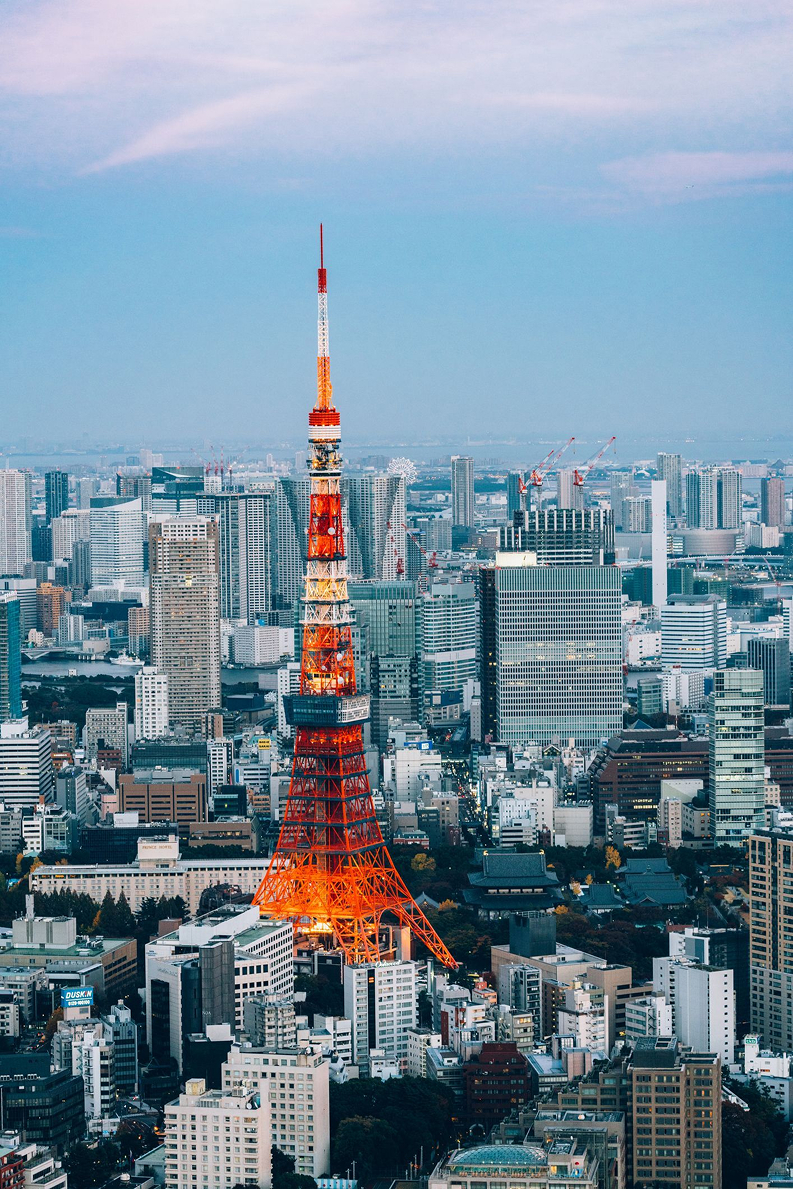
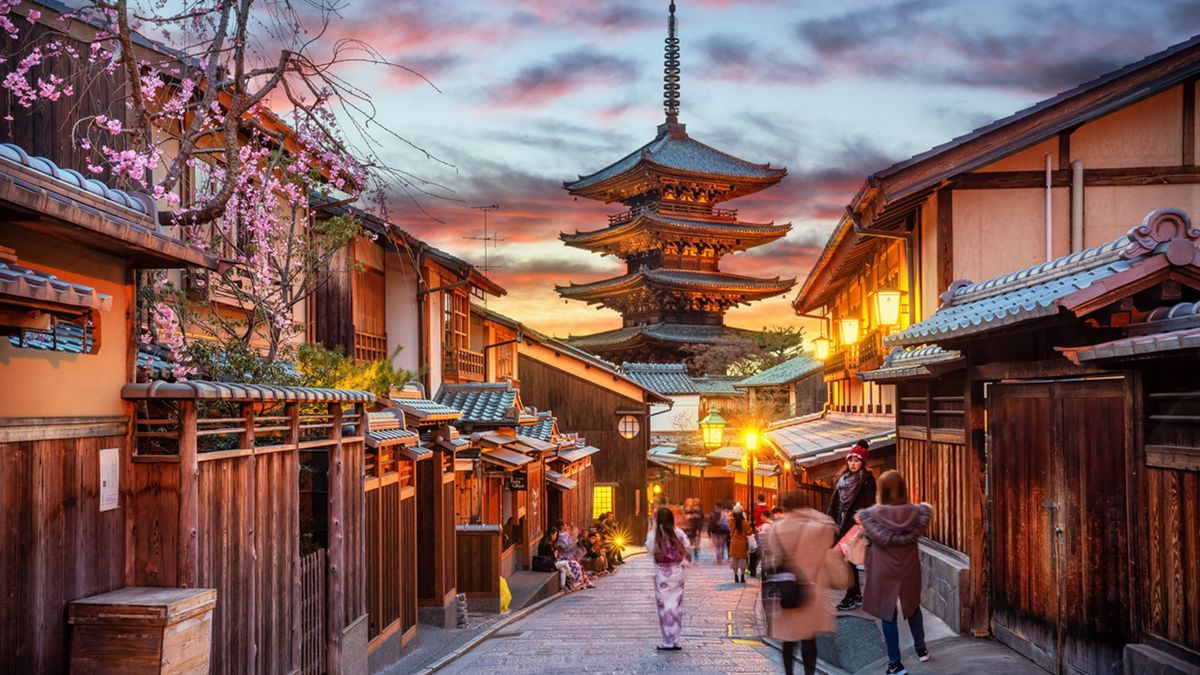
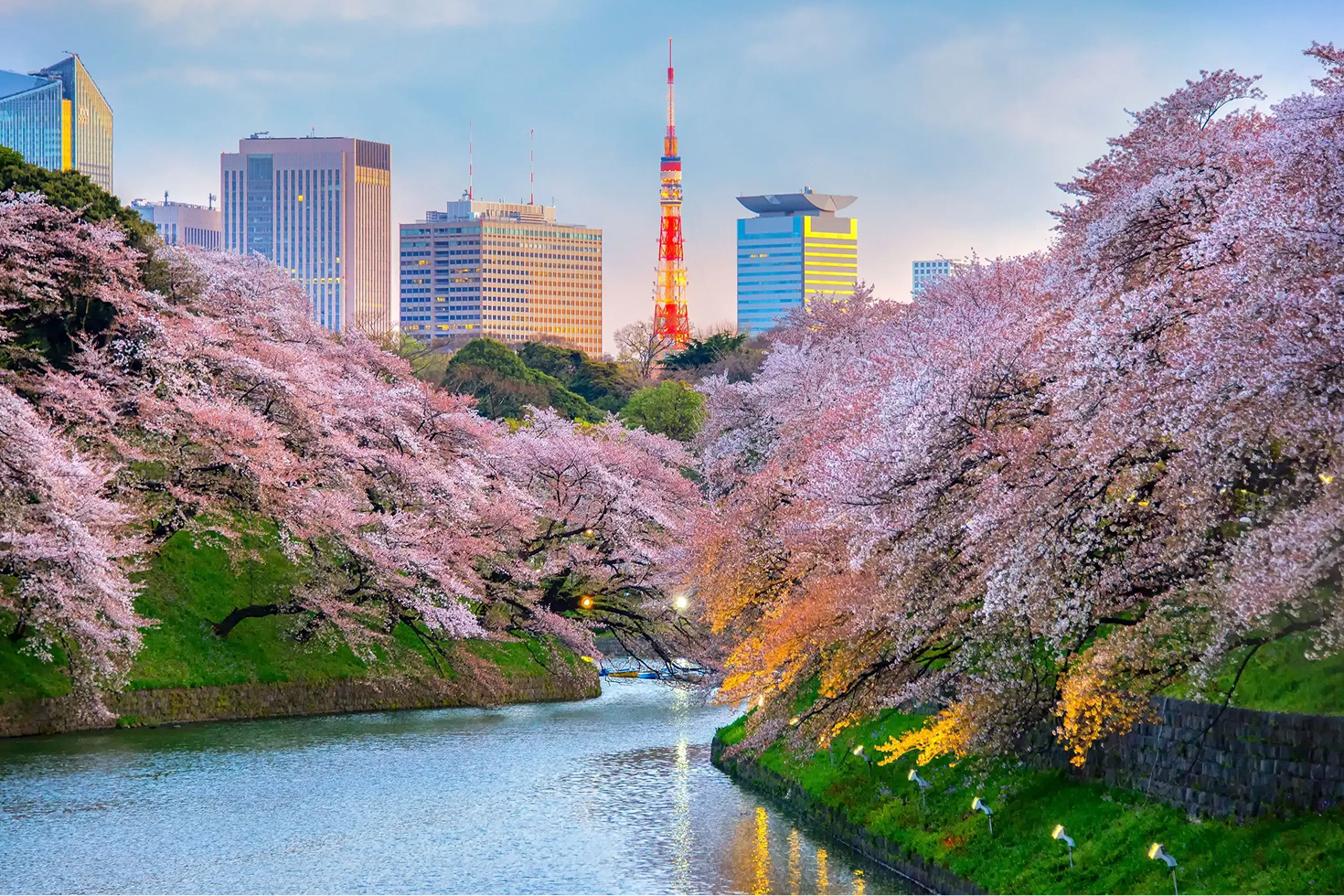
From Tokyo’s towering skyline to Osaka’s lively streets, this six-day itinerary gives you a quick taste of two drastically different Japanese cities. Take a scenic break around Mount Fuji and Hakone before travelling between the cities by bullet train. With city sights, local neighbourhoods and plenty of time for exploration, this is a rewarding trip for a short stay in the Land of the Rising Sun.
Built by specialists who are intimately familiar with Japan's travel logistics, hotel options and sightseeing locations across Tokyo and Osaka.
Switch hotel categories, rearrange sightseeing or adjust your travel window. You’re in charge of the plan!
Your assigned consultant is available throughout the trip, from the Tokyo airport transfer to the Osaka departure.
All costs are agreed upfront before you confirm. You will not be hit with last-minute surprise costs.
All itineraries are indicative. The order of activities may vary based on operational requirements. Sightseeing times and schedules may change without prior notice.
Land at Tokyo airport and transfer to your hotel. Check in and use what remains of the day freely. Take a short walk to get your first look at Tokyo or grab a traditional meal to kick things off.
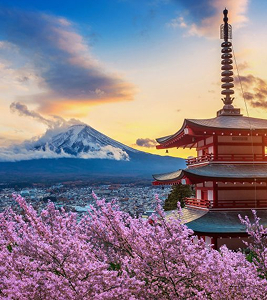
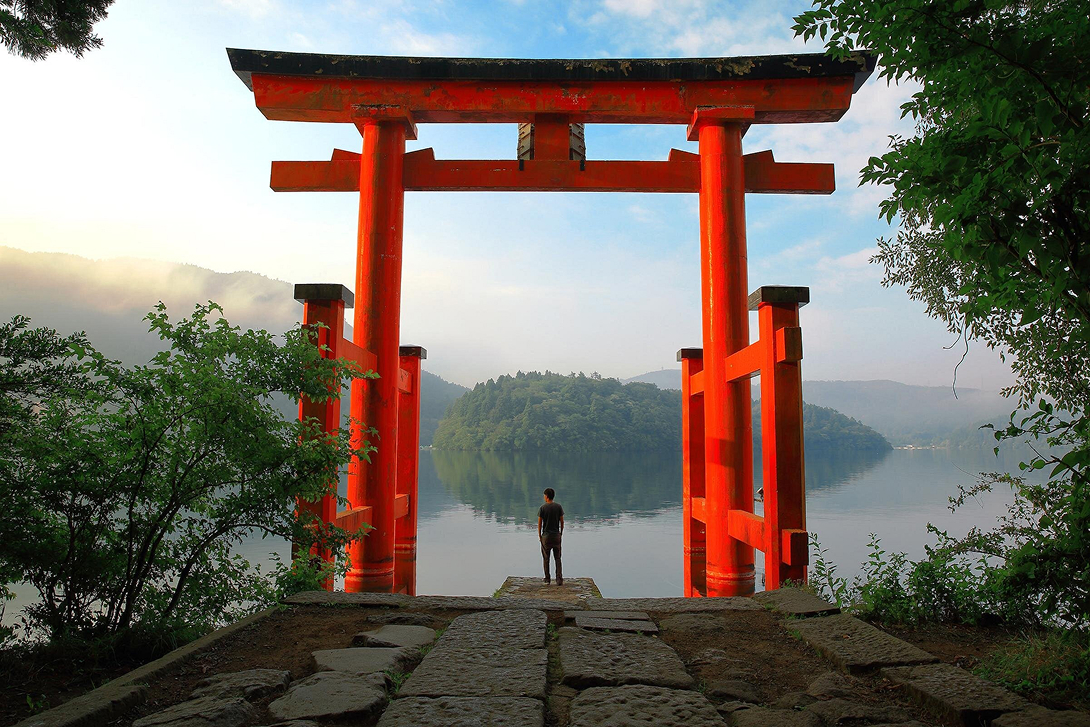
Start early for a full-day trip to Mount Fuji and Hakone. The coach takes around two hours to reach Mount Fuji’s 5th Station from Tokyo. At roughly 2,305 metres, it offers sweeping views across the Fuji Five Lakes. Autumn and winter often bring the clearest skies, while summer can see the mountain partly hidden by cloud. Continue to Hakone for a ropeway ride over Owakudani’s volcanic landscape. End the day with a serene cruise across Lake Ashi.
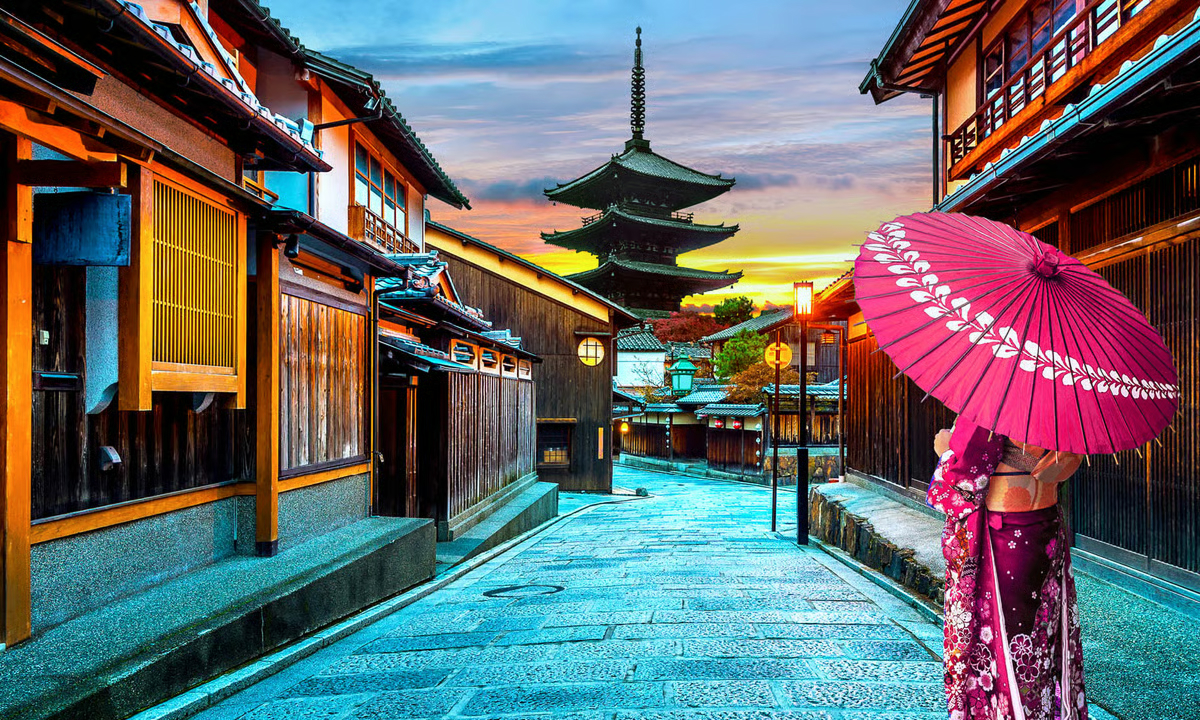
See more of Tokyo from the Hop-on, Hop-off bus that circuits Tokyo’s greatest hits. Pass through Asakusa, Shibuya, Harajuku, Shinjuku and Akihabara, with plenty of chances to hop off and explore. Spend longer in the neighbourhoods you enjoy and simply catch the bus when you’re ready. The full-day pass means a flexible itinerary.
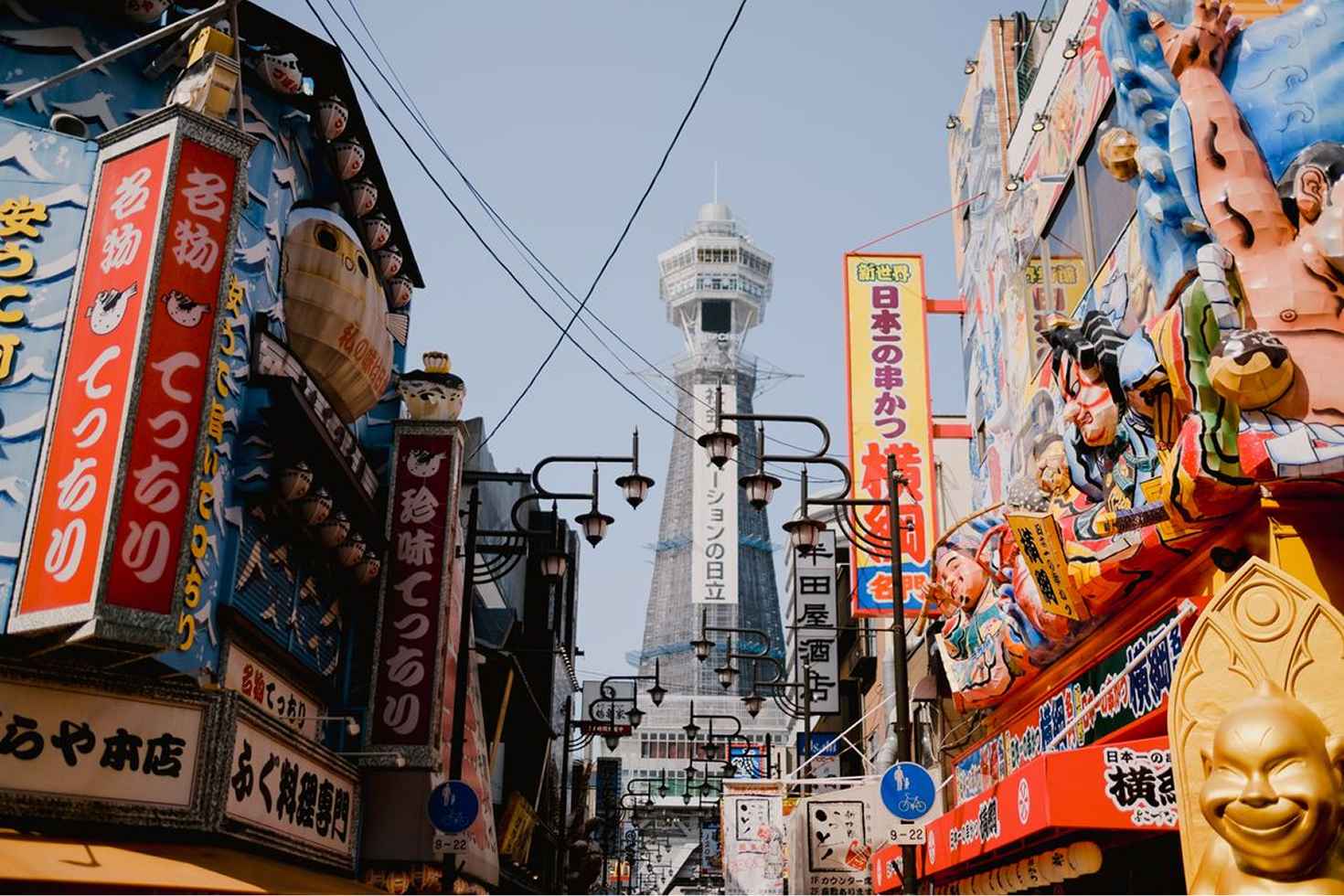
Leave Tokyo behind and take the Shinkansen to Osaka. The journey takes roughly two and a half hours, with speeds approaching a thrilling 300 km/h. On a clear day, look to the right between Shin-Fuji and Mishima for views of Mount Fuji. Once in Osaka, check in at your hotel before heading out to experience the bright signs, food stalls and lively streets of Dotonbori or Namba.
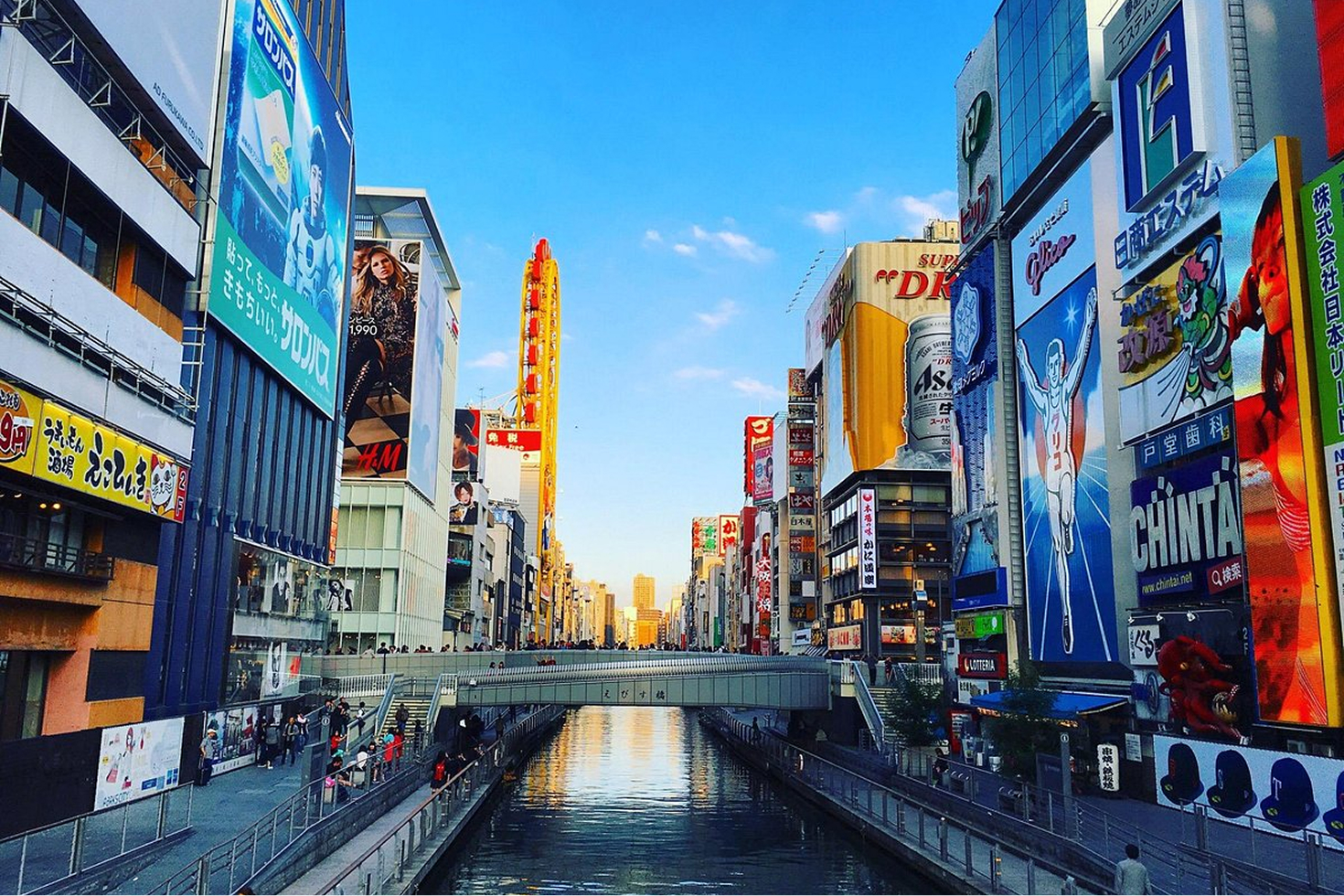
Spend the day discovering Osaka on a city tour. Walk along the canalside stretch of Dotonbori, browse the shops at Shinsaibashi and explore the grounds of Osaka Castle. Our travellers frequently describe Osaka as more relaxed than Tokyo. You can look forward to lively streets, easygoing energy and a food culture that is hard to miss.
Enjoy a final breakfast at your hotel and reminisce over the highlights of your Japan journey. Then take a private transfer to Osaka airport. Kansai International Airport is around 50 minutes from central Osaka by road.
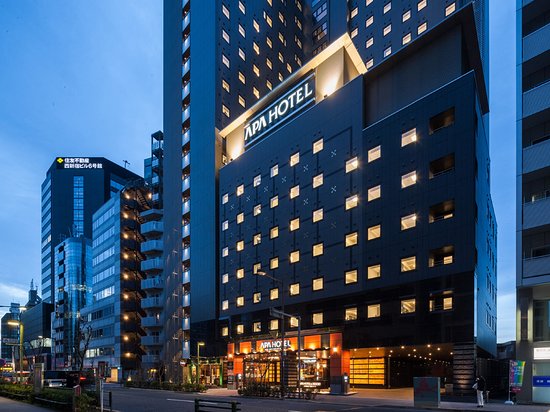
 Tokyo, Japan
APA Hotel Nishi-Shinjuku Gochome-Eki Tower offers a modern and comfortable stay in the heart of Tokyo, with contemporary rooms, convenient amenities, and excellent transport connectivity.
The hotel is subject to availability. An equivalent or superior property will be arranged in case of unavailability. Upgrades are available on request.
A huge thank you to Freeze My Trip for organizing our Bali trip so beautifully! ❤️🌴 Everything was planned so perfectly, from the hotels and transfers to the sightseeing and overall arrangements. We had such a smooth, comfortable and memorable experience throughout the trip. Thank you for taking care of all the little details and making our Bali vacation truly special. We absolutely loved the experience and would definitely recommend Freeze My Trip to anyone planning a hassle-free and amazing holiday! ✨Thank you once again for making our Bali memories even more beautiful! 🫶🏻🌺
The Vendor & Planning: Our entire resort and overall package was booked through Freeze My Trip, and it made our vacation so much more comfortable by having everything fully handled by them. We coordinated with Parth, who was fantastic and gave us very good inputs on how we should plan our leisure days. The team supported us through multiple queries along the way, helping us prioritize what was truly worth the money. Overall Unforgettable getaway to beautiful Mauritius! The island truly offers something for everyone. We spent our days enjoying the stunning, calm beaches and crystal-clear waters, which were perfect for swimming and snorkeling. A quick note for anyone going to Île aux Cerfs: do keep some more time aside for it, as it is a beautiful beach where you can spend cozy time with your loved ones. We also loved experiencing the incredibly warm hospitality of the local people and the wonderful fusion of cultures in the food. The Resort: We stayed at the Anelia Resort and Spa, which was excellent. The service was top-notch, the rooms were clean and spacious, and the amenities were wonderful. Tips for future travelers: Keep days at leisure: Make sure to leave some free days in your itinerary! Good resorts provide excellent activities that you simply cannot cover if you pack your schedule with planned trips to the North and South tours. Pack smart: Definitely travel with very light and comfortable clothes, because the weather can get quite nasty due to the high humidity and sudden rain.

Had an amazing Singapore vacation, all thanks to FreezeMyTrip for the wonderful planning and smooth management. Everything was perfectly organized and completely hassle-free. Special thanks to Harshita Mam and Ojasvi Mam for their constant support and smooth handling throughout the trip. Thank you to the whole team for making our vacation memorable. Highly recommended!

Our trip to Bali was truly a memorable and beautiful experience. Visiting Bali with my wife made it even more special. From the stunning beaches to the peaceful temples, every moment was magical. The beaches were absolutely breathtaking, with crystal-clear water and beautiful sunsets. We enjoyed exciting water sports activities which added so much fun and adventure to our trip. The ATV ride was thrilling and full of adventure, and the Bali swings gave us unforgettable views and amazing pictures. The temples were serene and spiritually uplifting, showing us the rich culture and beauty of Bali.A special thanks to Ojasvi Mam for being connected with us 24×7 throughout the trip and taking care of everything smoothly. Also, heartfelt thanks to Sidharth Bhaiya for perfectly planning our itinerary and making our trip so comfortable and well-organized. Overall, it was a dream vacation and we will cherish these memories forever. ❤️🌊🌅
Ojasvi, Parth and team helped us book flights, hotels, transfers and arrange visas for our trip to Tokyo, Japan. Lots of time and money were saved, and I plan to avail their services in the future. The whole experience was quick, smooth and easy.
Dear Siddharth , I just wanted to express my heartfelt thanks for curating such a wonderful Turkey trip for us! The entire experience was absolutely seamless — from the itinerary planning and hotel selections to the vehicles, guides, and punctuality of every arrangement. Everything was flawless and executed with such precision and care. Special appreciation to the entire team and the package maker for designing such a well-balanced itinerary — it truly gave us the best of every destination without feeling rushed. Every detail reflected thoughtful planning and a deep understanding of what makes a trip memorable. We came back with beautiful memories and immense appreciation for the professionalism, coordination, and warmth shown throughout. It was truly a “worry-free” holiday experience, and we’ll definitely be recommending your services to friends and family for future travels. Thank you once again for making our Turkey trip so perfect! 🇹🇷✨✈️ Will be connecting soon for curated package for next destination 😊

Our trip to Vietnam was absolutely amazing, and we are so grateful to the team for organizing everything so perfectly. From the moment we arrived until the end of our trip, every detail was well planned and seamless. The accommodations, transportation, and tour arrangements were all excellent and made our journey completely stress-free.

We had an amazing trip to Singapore arranged by Freeze My Trip. Visa process was smooth. The itinerary included all the major attractions Night Safari, Universal studios, Marina Bay Sands, Gardens by the bay and Sentosa Island. It was an amazing experience from the beginning to the end. All our daily transfers were on time, our Driver Dino was very friendly and fun loving guy. We stayed at Hotel Boss, accomodation was good also they gave us early check in and late check out on last day. A special thanks to our travel agent Priyanka, who was extremely supportive and always available for help throughout the trip. Thankyou for making our trip memorable. We will definitely travel again with them and recommend to friends and family as well. 😇

Dear Team Freeze My Trip, A heartfelt thank you to the entire Freeze My Trip team, especially Mr. Parth & Siddarth and obviously Ojasvi, for making our Hong Kong & Macau trip so wonderful, smooth, and memorable. Your excellent coordination, support, and arrangements made the entire journey truly remarkable. We thoroughly enjoyed every moment and will cherish these beautiful memories for a long time. Thank you once again for your warm hospitality and professional service. Looking forward to travelling with Freeze My Trip again in the future! Warm regards, Niloy Mitra & Family

The Shinkansen from Tokyo to Osaka takes approximately two hours fifteen to two hours thirty minutes, depending on the service. The Nozomi is the fastest; the Hikari covers the same route with a few additional stops.
Yes. White Trails offers Japan group tour packages covering this Tokyo to Osaka route, with fixed group departure dates through the year. All city sightseeing and day trips run on a seat-in-coach basis, which works well for corporate or private groups. Speak to the team about available departure dates and group pricing.
The best things to do in Osaka include exploring Dotonbori, shopping along Shinsaibashi, visiting Osaka Castle and trying the city’s famous street food. Travellers can also visit Kuromon Ichiba Market, explore the retro streets of Shinsekai or see the colourful Namba Yasaka Shrine.
Spring (March to May) and autumn (October to November) are the most comfortable windows for Japan holiday packages — mild temperatures, lower humidity and either cherry blossoms or autumn foliage as a backdrop. Summer is hot and humid across both Tokyo and Osaka.
The Shinkansen is smooth, fast and extremely punctual — departures are timed to the minute. Seats are spacious, the ride is steady and eating on board is common. The Tokyo to Osaka leg passes close to Mount Fuji on clear days, which is visible from the right-hand side of the carriage.
Tokyo’s top attractions include Senso-ji Temple in Asakusa, Shibuya Crossing, Meiji Jingu, Tokyo Skytree, Shinjuku Gyoen National Garden and the lively streets of Harajuku. For a different side of the city, explore Akihabara’s anime and electronics shops or head to the waterfront in Odaiba.
Yes, you can holiday in Japan without knowing Japanese. Major tourist areas, airports, hotels and transport hubs generally have English signage and information. Translation apps can also help when visiting smaller restaurants or shops where English may be limited.
A Japan tour package to Tokyo typically includes hotel accommodation, airport transfers, sightseeing tours and selected meals. Depending on the itinerary, it may also include attractions, intercity transport such as the Shinkansen and guided or seat-in-coach tours. The exact inclusions vary by package.
Mount Fuji is easiest to see on clear days, particularly during the colder months from late autumn through winter. Summer season sees a lot more cloud and haze, which lowers your chances of a clear sighting. Remember, visibility is never guaranteed, even during the clearer seasons.
Mid to late January and February are often among the more affordable months to travel to Japan. However, prices can also vary considerably by destination, hotel and travel dates. Booking flights and accommodation in advance can help keep costs lower.
per person
twin sharing

Japan & South Korea
City · Luxury · Nightlife
From
₹ 3,25,500
Japan
City · Luxury · Nightlife
From
₹ ₹ 3,85,500

Japan
City · Luxury · Nightlife
From
₹ ₹ 1,99,500
Japan
City · Luxury · Nightlife
From
₹ ₹ 2,09,500
Japan
City · Luxury · Nightlife
From
₹ ₹ 1,70,500