Overview

If you’ve binged every 30-hour K-drama, have tried every ramyeon spot in your city or make a beeline for karaoke wherever you travel, take that obsession back to where it all began. There’s so much to discover in the beautiful cities and streets of South Korea. 

In Seoul, travellers flock to the Gyeongbokgung Palace, while nearby Gwangjang Market draws visitors for bindaetteok, mandu and other Korean favourites. Explore the hanok cafés of Ikseon-dong or head to Hongdae for its youthful nightlife and street performances. Busan is an introduction to the coastal side of South Korea (Haeundae and Gwangalli Beach await!), complemented by the seafood stalls of Jagalchi Market and the colourful lanes of Gamcheon Culture Village. Jeju Island feels worlds apart, with volcanic coastlines, Hallasan trails, lava tubes and local haenyeo traditions to enjoy.

Perhaps you want to taste authentic Korean food or splurge on famous K-beauty brands. Or maybe you’re looking forward to donning a hanbok and spending an afternoon in a traditional tea house. White Trails’ South Korea tour packages give you a chance to experience the country beyond the version you already know from a screen. 

Places to Visit

South Korea gives you plenty of ways to connect with its traditions, alongside experiences that challenge what you expect. With customised South Korea holiday packages by White Trails, you can curate the itinerary that suits you best.

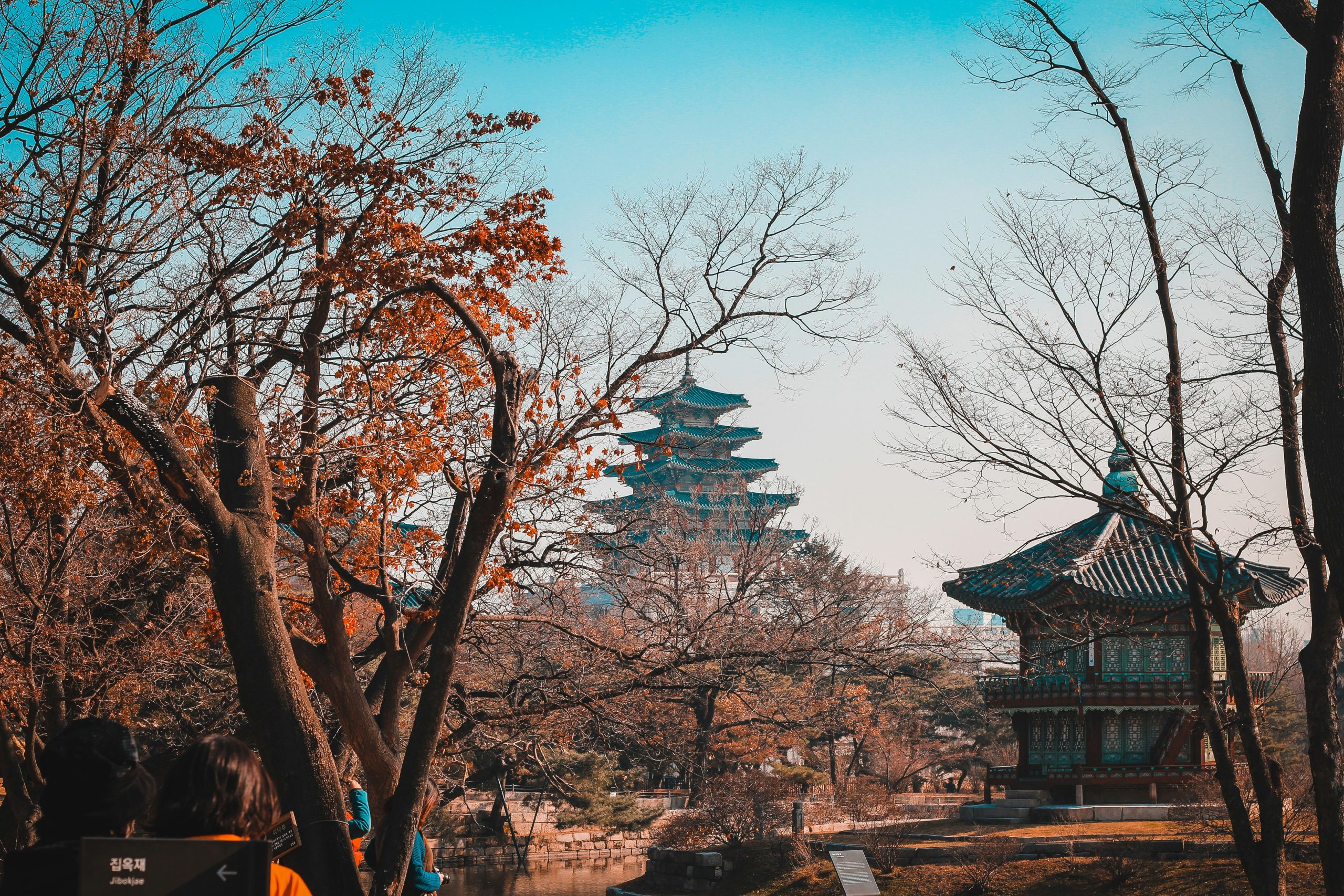
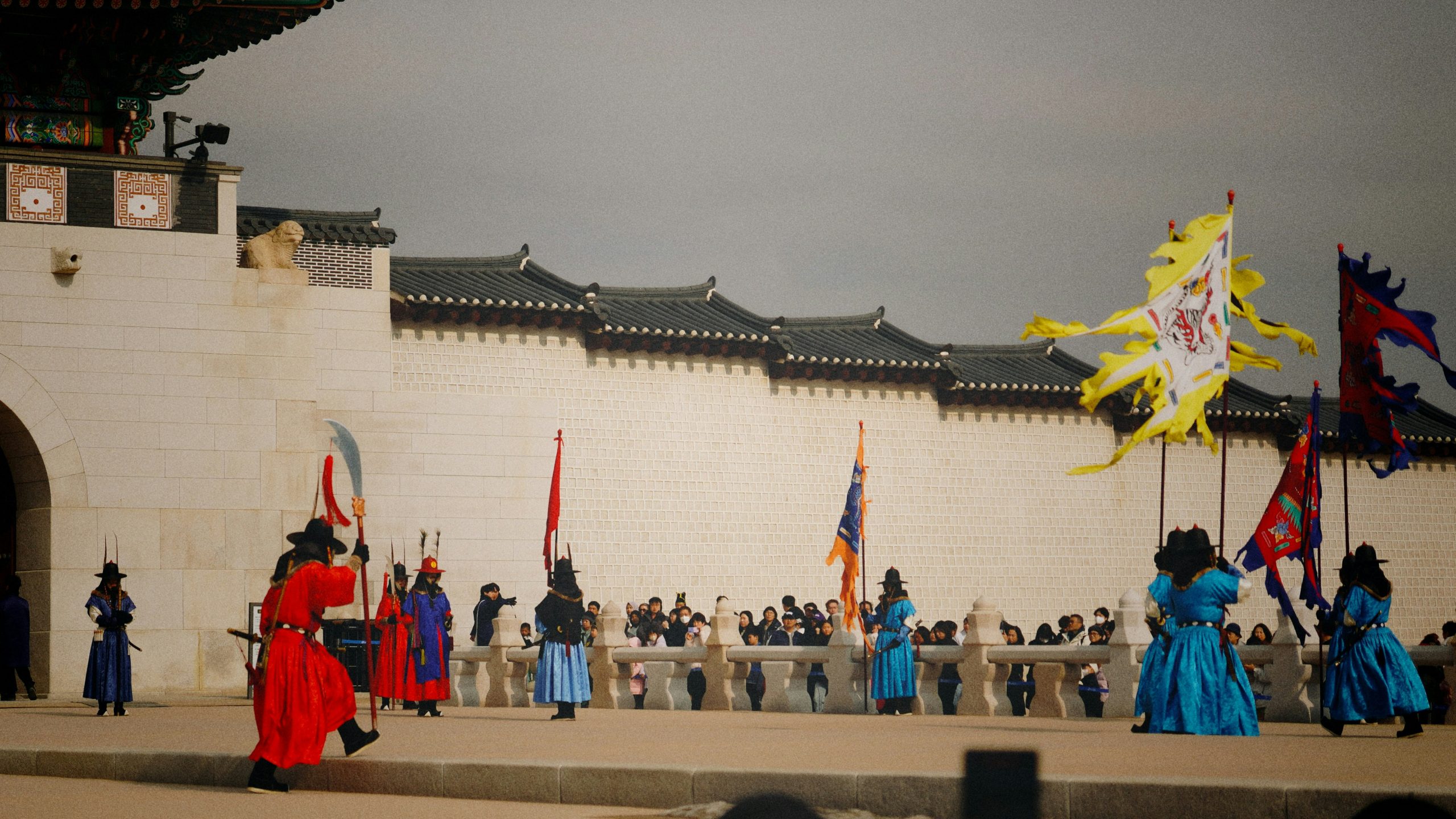
The capital city of Seoul has to be your first stop on your South Korea tour. In the heart of Jongno, Gyeongbokgung Palace offers a first glimpse of the city’s Joseon-era heritage. Catch the royal guard ceremony at Gwanghwamun Gate before exploring Gyeongbokgung Palace in a rented hanbok, one of Seoul’s most memorable cultural experiences. You can continue into the narrow lanes of nearby Bukchon Hanok Village or stop at a traditional tea house in Insadong.

Climb Namsan Mountain for sweeping views across Seoul, or take the cable car up to N Seoul Tower, one of the city’s most recognisable landmarks. The tower’s viewing decks look across the sprawling capital, with the Han River cutting through the city below. Around the terrace, thousands of love locks left by couples add a romantic touch (maybe you can add your own!).

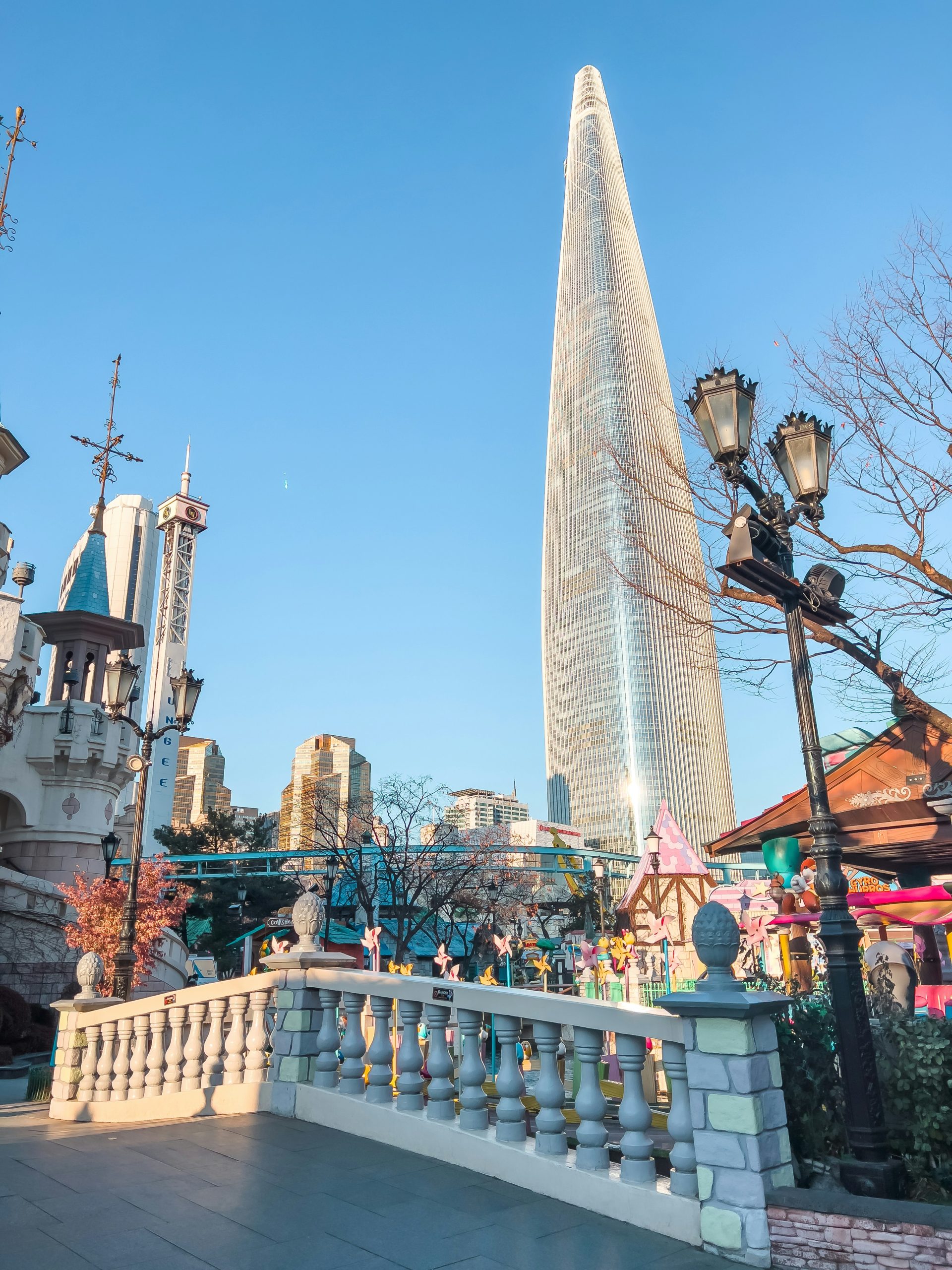
The Lotte World in Jamsil is a great choice for travelling families, especially when Seoul’s weather is unpredictable. The park comprises an indoor Adventure area with an outdoor Magic Island, so you can keep exploring even when rain or cold weather sets in. Younger children can ride the Camelot Carousel or hop aboard the World Monorail for a circuit of the park. Older children and adults can head to Magic Island for bigger attractions and open-air thrills. The park is located within the Lotte World complex, close to Seokchon Lake and Lotte World Tower. For shorter queues, arrive near opening time and plan your visit for a weekday outside Korean school holidays. 

A trip to the Korean Demilitarised Zone (DMZ) makes for a sobering day trip from Seoul. Half- or full-day tours usually begin with military checkpoints before reaching the Third Tunnel, where you can walk down a steep passage cut through the rock towards the border. At Dora Observatory, binoculars allow travellers to look into North Korean territory across the DMZ, with villages and watchtowers visible on clear days. Dorasan Station is a special stop, its spotless platforms and railway tracks pointing towards a border that remains closed. At nearby Imjingak Park, you can see the Freedom Bridge and rows of colourful ribbons carrying messages from families separated by the Korean War. 

Only a short distance from Seoul, Suwon is famous for the UNESCO-listed Hwaseong Fortress. Built in the late 18th century by King Jeongjo, the fortress was designed to protect the city and honour his father, Crown Prince Sado. Its four main gates, watchtowers and roughly 6km of walkable walls give you plenty of space to explore on foot.

Inside the fortress walls, Hwaseong Haenggung Palace served as King Jeongjo’s temporary residence during his visits to Suwon. Look out for traditional guard ceremonies and martial arts demonstrations, which are typically held between March and October. After exploring the historic complex, travellers often explore the surrounding Haenggung-dong neighbourhood for its cafés and independent shops. 

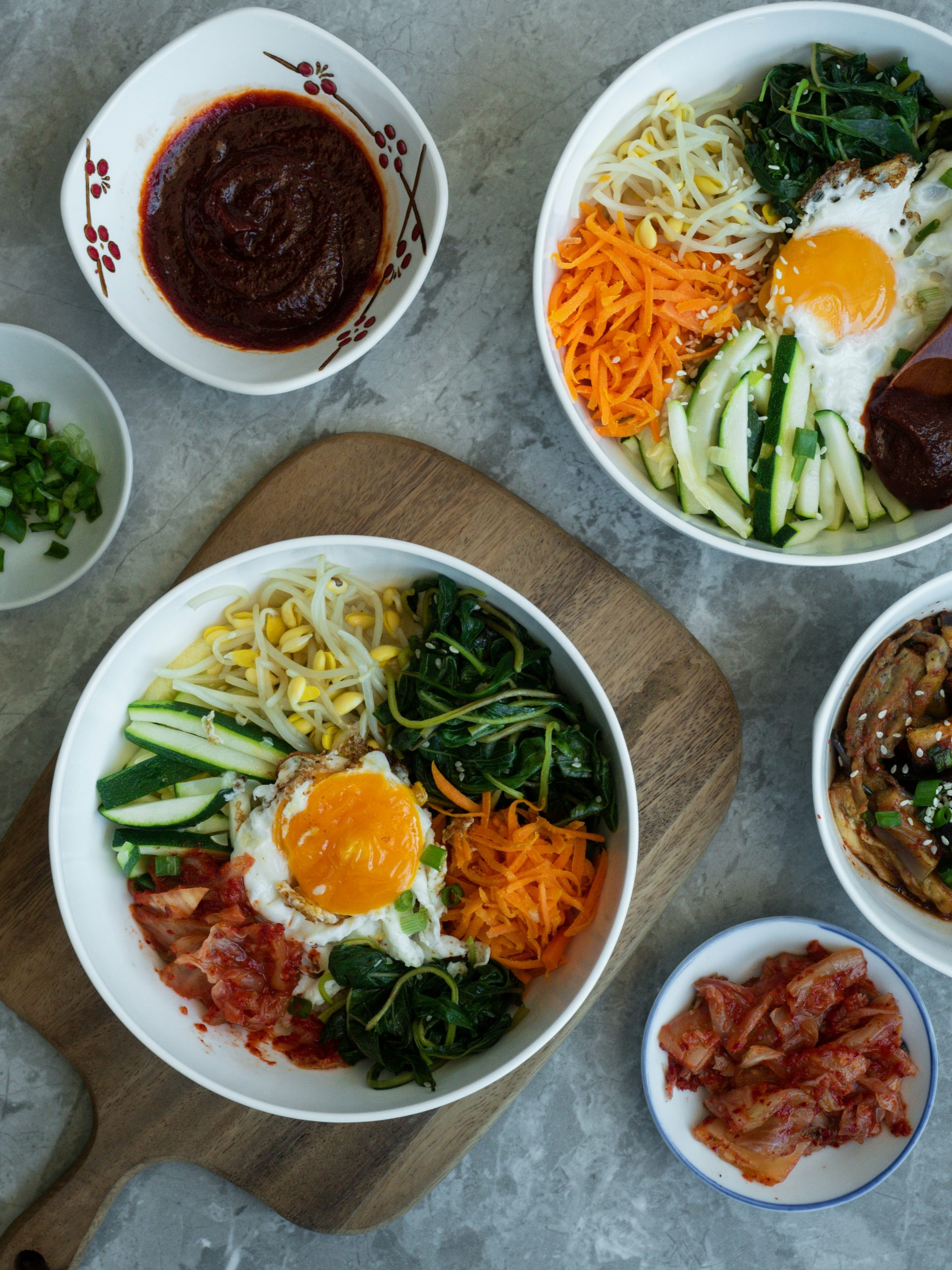
Slow is the word that comes to mind when you first enter Jeonju Hanok Village, where nearly 800 traditional hanok houses line the narrow streets. Stop at a tea house or rent a hanbok and explore the neighbourhood in traditional dress. At Gyeonggijeon Shrine, the stone paths and old wooden buildings offer a glimpse into the Joseon Dynasty. The nearby Jeonju Hyanggyo Confucian School stands beneath centuries-old ginkgo trees. A tour of Jeonju is incomplete without trying bibimbap, a local speciality served across the city, or exploring its makgeolli bars.

Take the train to Busan to switch up your tour of South Korea. Travellers can delight in seafood markets and a long stretch of coastline. Explore Haeundae Beach, then make your way through the nearby traditional market and along the coast towards Cheongsapo. Gwangalli Beach has cafés and restaurants lining the waterfront and Gwangandaegyo Bridge lighting up after dark.

For seafood, head to Jagalchi Market in the Nampo-dong area. Live fish and shellfish fill the tanks, and vendors prepare your selection to order. Head to BIFF Square to sample local street food, then explore Gamcheon Culture Village, spread across the hillside in a maze of narrow alleys. 

Seoraksan is South Korea’s most celebrated hiking destination, known for its dramatic granite peaks and winding mountain trails. Autumn is particularly spectacular: the park’s maple trees turn vivid shades of red and gold. For a first hike, the trail to Ulsanbawi Rock is a popular choice. More experienced hikers can take on Daecheongbong, Seoraksan’s highest peak, with the longer trail passing through mountain scenery before rewarding you with panoramic views. 

Even if you are not planning a strenuous hike, the park has shorter walking routes and scenic areas around Sinheungsa Temple to explore.

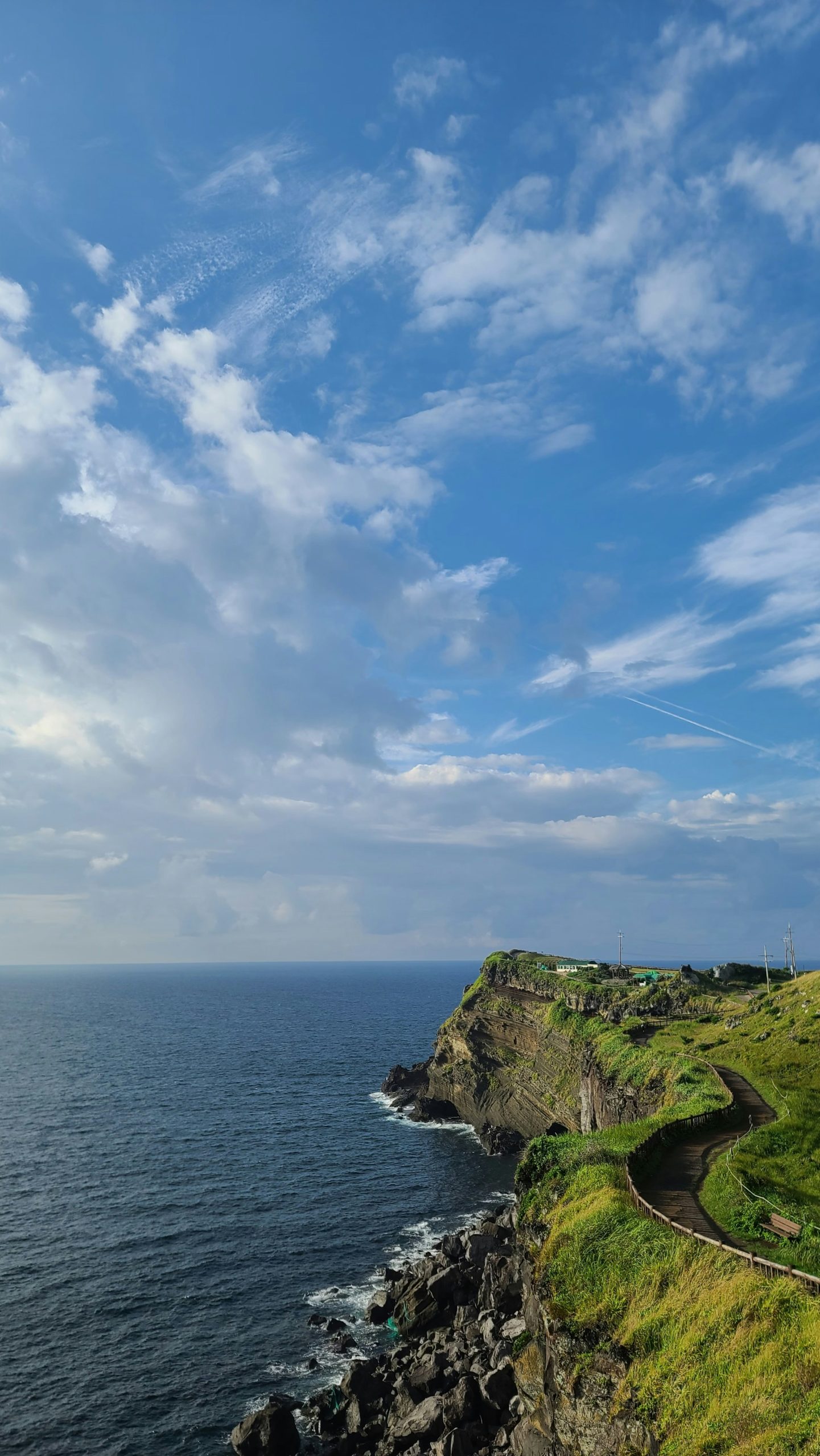
Step away from the mainland and explore Jeju Island’s volcanic landscape, famous amongst travellers for its black-rock coastline and citrus orchards. For an early start, climb Seongsan Ilchulbong (Sunrise Peak) before dawn and watch the sun rise over the sea from the crater rim. Along the southern coast, Jusangjeolli Cliff hosts tall, hexagonal basalt columns formed as molten lava cooled against the sea. Cheonjeyeon Falls drops through a forested valley, while Jeongbang Falls is one of the few waterfalls in Korea that flows directly into the ocean. Leave time to stop at a local tangerine farm or try Jeju’s black pork. 

Best Time to Visit South Korea

South Korea’s four distinct seasons each have their own reason to visit. White Trails can help plan your South Korea holiday package around whichever season suits you best.

Spring

March to May 11°C to 23°C

Cool and dry early on, mild and increasingly pleasant by May

Spring is one of the best times to visit South Korea, with mild weather, blooming cherry trees and comfortable conditions for sightseeing. Cherry blossoms appear first in Busan and Jeju Island, usually in late March, before reaching Seoul in early April. The season is ideal for exploring Seoul's palaces and enjoying outdoor attractions.

Summer

June to August 18°C to 29°C

Hot and sticky, with a monsoon season from late June to late July

South Korea’s summer is hot and humid. It is a popular time for beach trips, outdoor festivals and evening walks along the Han River in Seoul. Haeundae Beach in Busan and Jeju Island are popular summer destinations. The brief monsoon season usually brings heavy rain from late June through July, while typhoons can affect the country later in summer.

Autumn

September to November 3°C to 26°C

Warm and occasionally rainy in September, turning clear by October and November

Autumn is one of the best times to visit South Korea, with cooler temperatures and colourful foliage across the country. October and November are particularly good for hiking in places such as Seoraksan National Park. September can still be warm and rainy, but conditions become more comfortable as the season progresses.

Winter

December to February -6°C to 4°C

Cold, dry and often bright, with heavier snow inland

Winter brings cold, dry weather and snow to South Korea, particularly in the mountains. Pyeongchang is a popular base for skiing and snowboarding, while Seoul offers winter experiences such as seasonal lights and ice-skating rinks. You can also visit hot springs to warm up after a day outdoors or explore Korea's winter food markets and cafés.

Top Things to Do in South Korea

South Korea is never out of special corners to discover. Discover the country’s culture and urban charm with tailored South Korea tour packages from White Trails.

Enjoy the Vibrant Nightlife

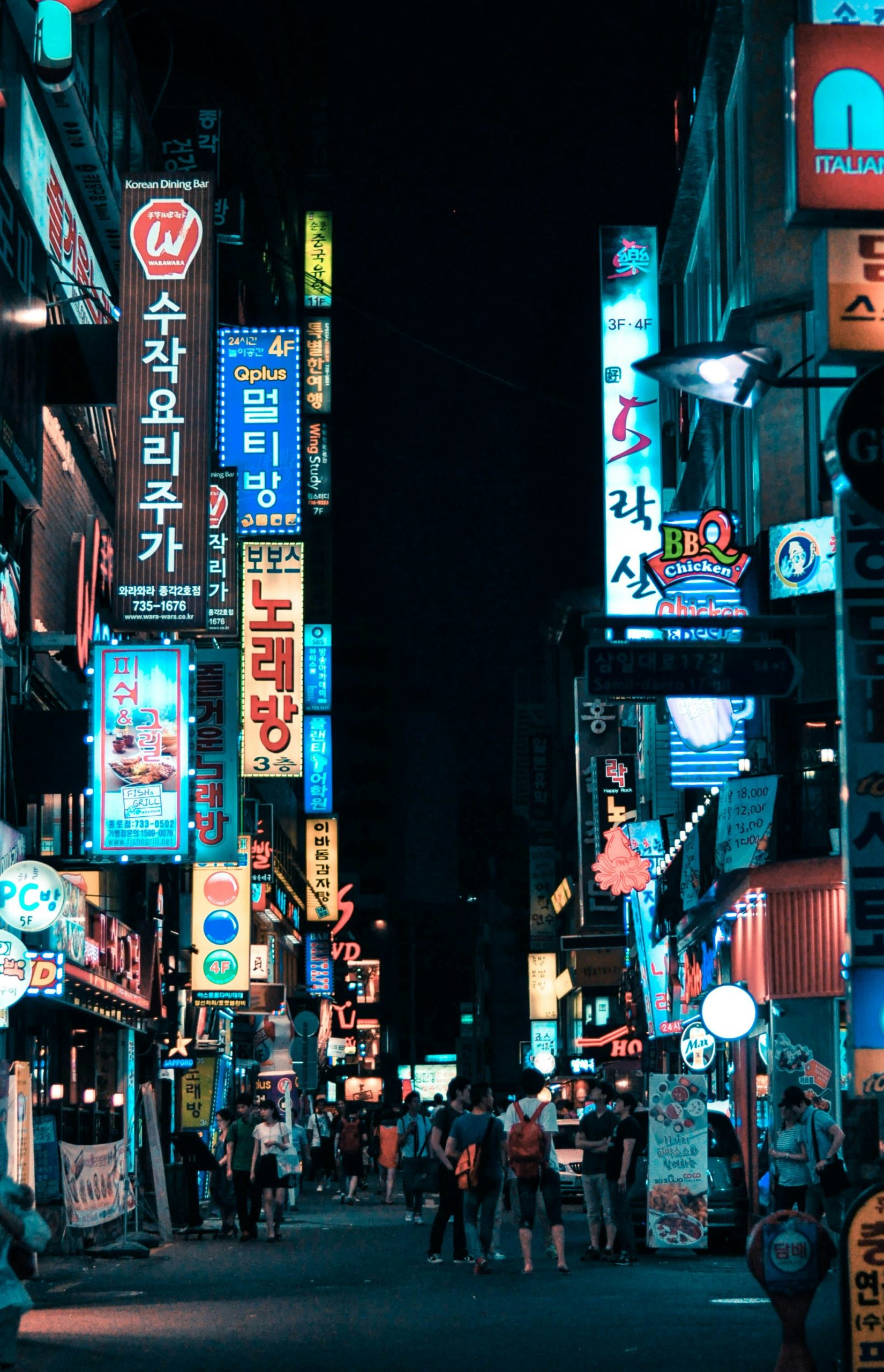
Let loose in Hongdae, one of Seoul’s best-known nightlife districts. Our travellers often explore the maze of bars, pubs, karaoke rooms and late-night restaurants in the surrounding streets. The area is also known for buskers and street performers, so you may come across live music as you walk. Stop for Korean barbecue before ordering a round of soju, then head into one of Hongdae’s clubs or noraebang (karaoke rooms) to keep the night going.

Enjoy the Vibrant Nightlife

Live the K-Drama Dream

For K-drama fans, South Korea can feel like a living film set. Visit Gyeonggijeon Shrine in Jeonju or Jumunjin Breakwater, both featured in Goblin, or see Nami Island, made famous by Winter Sonata. N Seoul Tower is another popular stop that’s featured in countless series, while Squid Game fans can explore real Seoul locations such as Yangjae Citizen’s Forest Station. These filming spots offer a fun way to connect familiar scenes with the places behind them.

Live the K-Drama Dream

Shop till you Drop

Beauty enthusiasts can fill their bathroom cabinet at Myeongdong, where beauty shops line the busy streets with everything from sheet masks and cleansers to serums and sunscreens. For a more traditional market experience, wander through Gwangjang Market, where food stalls punctuate lines of shops selling hanbok fabrics and handmade textiles.

Shop till you Drop

Experience Authentic Korean Cuisine

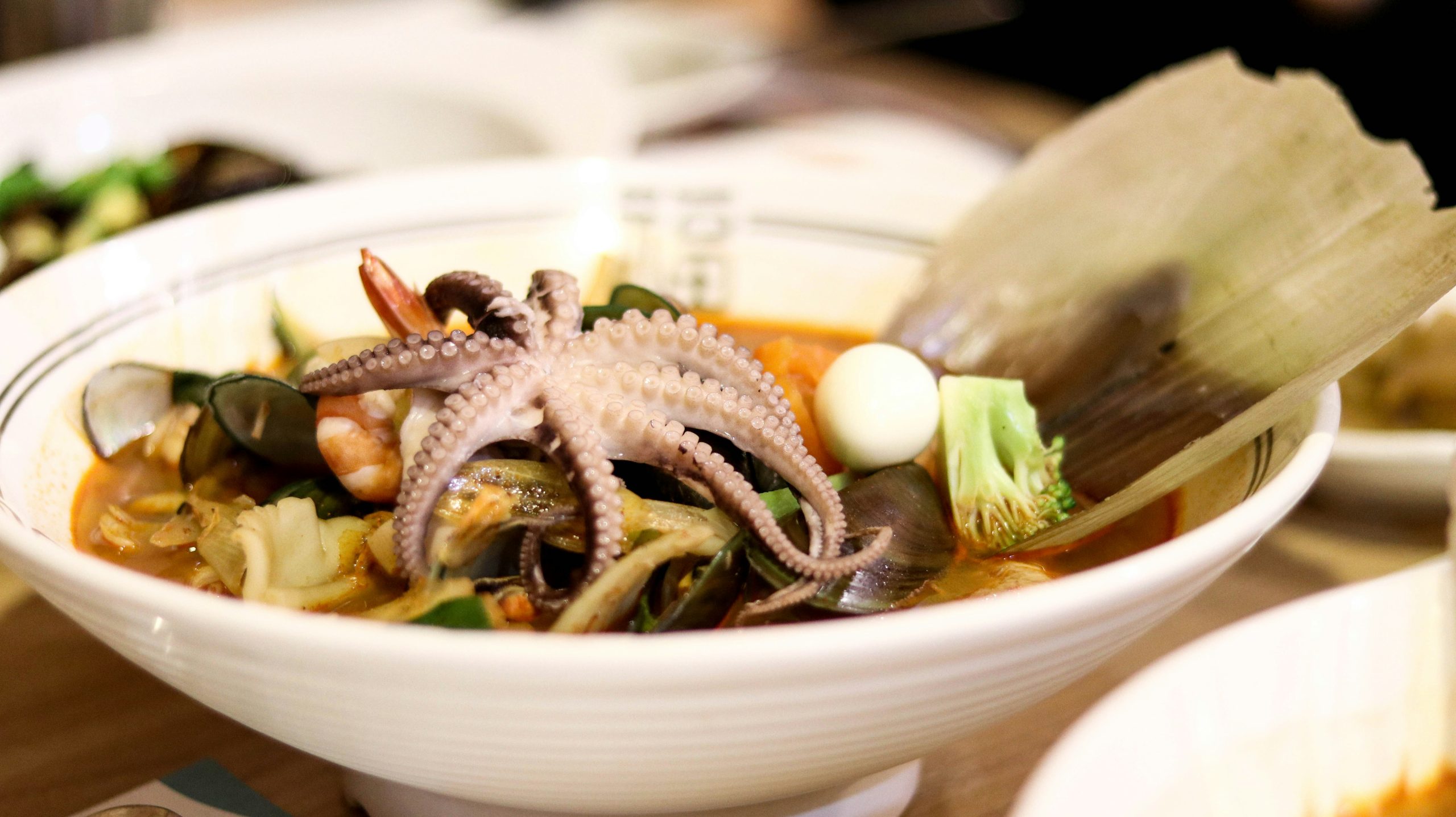
A trip to South Korea is incomplete without sitting down to a proper Korean meal, served alongside banchan (small side dishes). Try a bubbling bowl of kimchi jjigae or pick up tteokbokki from a street food stall. For a classic Korean barbecue experience, gather around a tabletop grill and cook slices of marinated meat yourself. For something refreshing, try sujeonggwa, a chilled, alcohol-free cinnamon and ginger punch. Bingsu, made with finely shaved ice, is a popular choice for cooling down in summer.

Experience Authentic Korean Cuisine

Discover South Korea's Local Culture

Beyond the palaces and city lights, South Korea’s culture lives in its festivals, food and the everyday rituals passed down through generations. A brief glimpse will add a different kind of memory to your South Korea tour.
Local Festivals

Chuseok is one of South Korea’s most important holidays, bringing families together for traditional food and ancestral rites. Throughout the year, festivals add a seasonal dimension to travel, with cherry blossom celebrations in spring and lantern events in winter. Check the local festival calendar when planning your trip!

Traditional Tea Culture

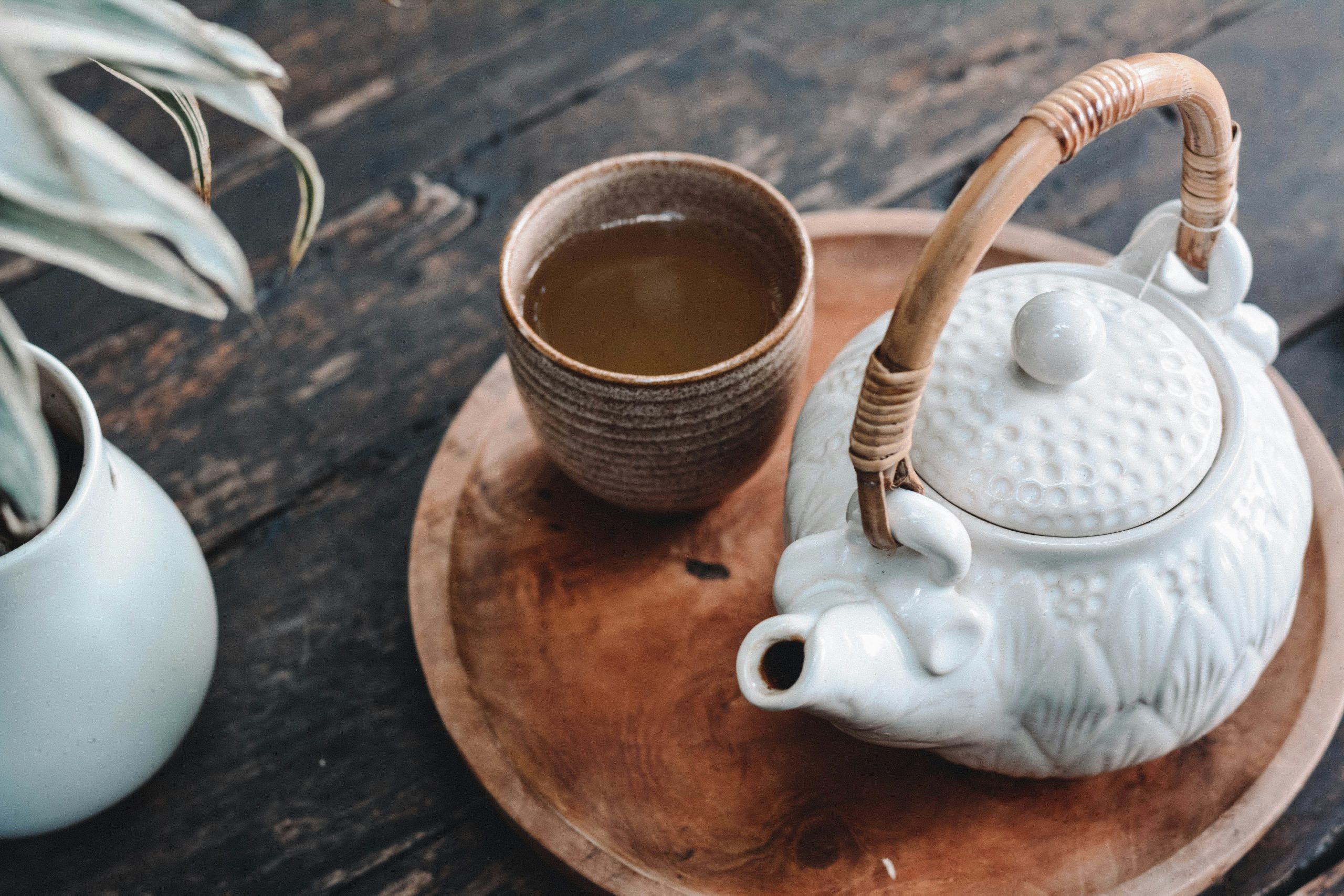
Step into a traditional tea house in Insadong, Seoul, or explore the tea fields of Boseong to experience Korea's long-standing tea culture. Try nokcha (green tea) served with traditional sweets, and learn about the rituals around preparing and drinking tea.

Haenyeo and Fresh Seafood

Jeju's haenyeo, or female sea divers, have free-dived for abalone and seafood for centuries, a matriarchal tradition also recognised as Intangible Cultural Heritage. The Haenyeo Museum on Jeju traces their history through exhibits donated by the divers themselves, including a replica of a haenyeo's home.

Travel Essentials for Your South Korea Trip

A little preparation can make your South Korea trip a lot more convenient to manage. Knowing these basics before you arrive means less time dealing with logistics and more time exploring South Korea. You can also simplify your planning with South Korea tour packages by White Trails.

Indian passport holders travelling to South Korea for tourism generally need a C-3-9 Ordinary Tourist Visa. Check the latest requirements with the Korean diplomatic mission or designated visa application centre.

  • Complete the required online application and submit the supporting documents through the designated Korea Visa Application Centre. 
  • Keep your passport, photographs, financial documents and travel-related paperwork ready. 
  • Apply well before your intended departure, allowing time for processing, especially if travelling during the peak seasons. 

The South Korean won (KRW) is the official currency, and card payments are widely accepted across cities and tourist areas. 

  • Look at the ATMs marked ‘Global’ when withdrawing cash using an international card.
  • Banks and certified exchange counters are safer choices than unofficial money changers.
  • Look for tax-free signs when shopping and keep receipts and required documents for eligible purchases. 

South Korea’s public transport system is one of the easiest ways to explore the country.

  • Seoul’s extensive subway network is usually the quickest way around the city. 
  • A T-money card is convenient for buses and subways. 
  • High-speed KTX trains are the best option for popular intercity routes like Seoul to Busan. 
  • Download a Korean-friendly navigation app, as some international map services have limited functionality. 
  • If you plan to spend most of your trip in Seoul, consider the Climate Card, a short-term public transport pass that offers unlimited travel for a set number of days.

South Korea has distinct seasons, so what you pack will depend on when you visit. Keep these essentials in mind:

  • Comfortable walking shoes: Expect plenty of walking around palaces, markets, shopping areas and neighbourhoods, as well as between subway stations and attractions.
  • Light layers: Spring and autumn can bring changing temperatures, so pack clothes you can easily add or remove.
  • Summer essentials: Bring sunscreen and a compact umbrella for hot, humid weather and sudden rain.
  • Warm clothing: Pack a warm jacket and extra layers for winter trips or visits to mountainous and northern areas.

Understanding a few Korean customs can make everyday interactions more comfortable and respectful.

  • Remove your shoes when entering homes and certain traditional accommodations.
  • A slight bow is a polite way to greet someone. 
  • Use both hands when giving or receiving something from an older person or someone in a formal setting.
  • Never leave chopsticks standing upright in a bowl of rice. 
  • Tipping is generally not expected in restaurants or taxis. 

Having mobile data from the moment you arrive makes getting around South Korea easier.

  • Pick an eSIM, physical SIM or portable Wi-Fi
  • Tourist SIMs are available if you prefer a physical card.

FAQs

Quick answers to the most common queries about travelling in South Korea.

Spring and autumn are popular travel seasons in South Korea because the weather is mild and comfortable for sightseeing. Spring brings cherry blossoms, while autumn is known for colourful foliage, including ginkgo trees.

First-time travellers should start with Seoul, where they can explore Joseon-era palaces, traditional Korean houses, tea houses and much more. If time allows, add Busan for its coastal sights and Jeju Island for its volcanic landscapes.

Beyond Seoul and Busan, South Korea has many offbeat travel destinations. Travellers can explore Jeonju's hanok village, spend time along Gangneung's coast or discover Tongyeong's harbour. Pohang Canal is a pleasant spot for some leisure time by the water.