Overview

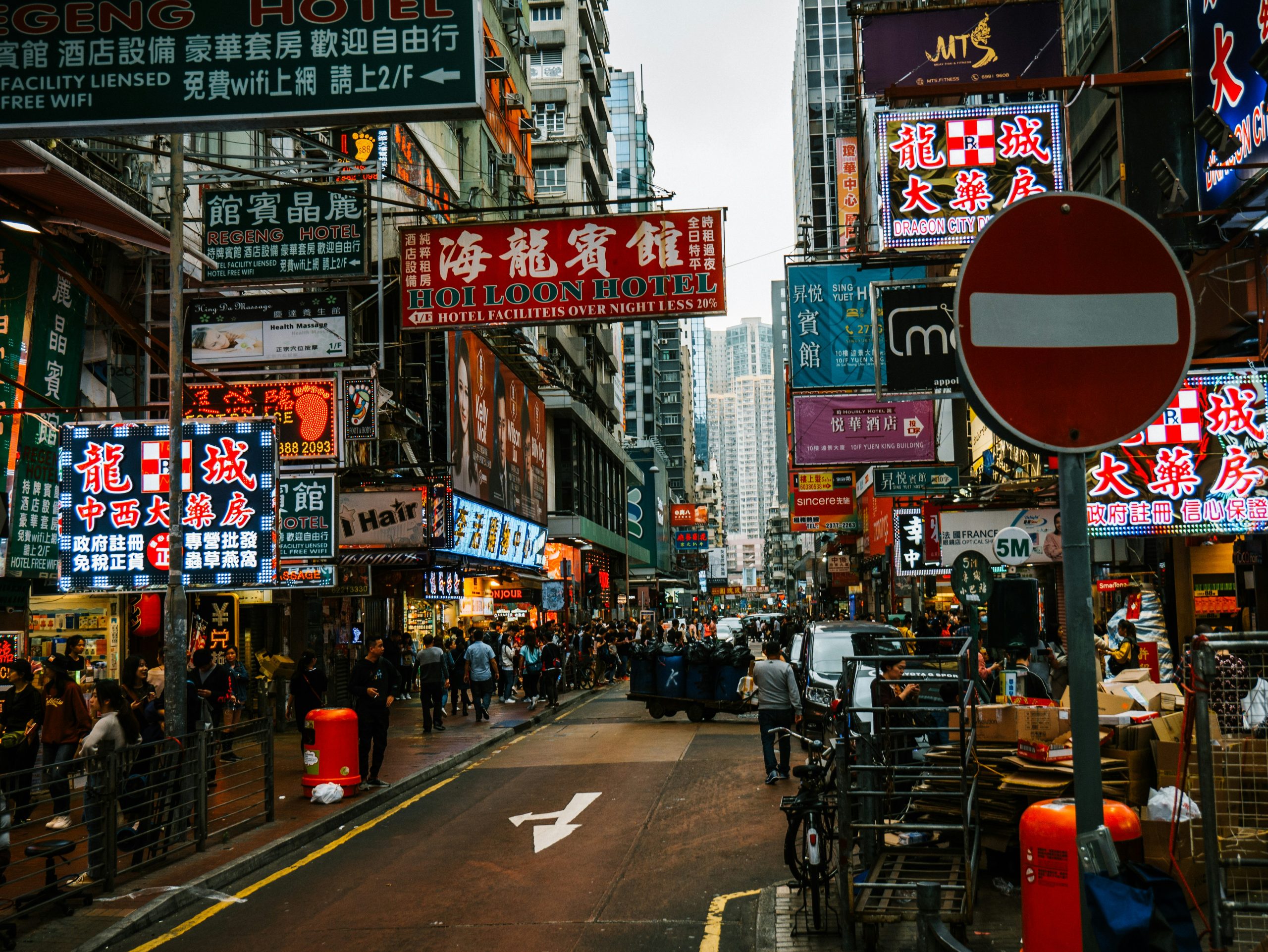
Hong Kong and Macau are a stone’s throw away from each other. Hong Kong pairs high-rise city centres with hiking trails and beaches, all easily accessible by the city’s Mass Transit Railway (MTR) system. An hour’s ferry ride across the harbour lies Macau. Walking through the old town, you’ll see the ruins of St. Paul’s and the paving of Senado Square, both part of a UNESCO World Heritage-listed site. Once night falls, the Cotai Strip’s casino resorts like City of Dreams and The Venetian Macao take over. 

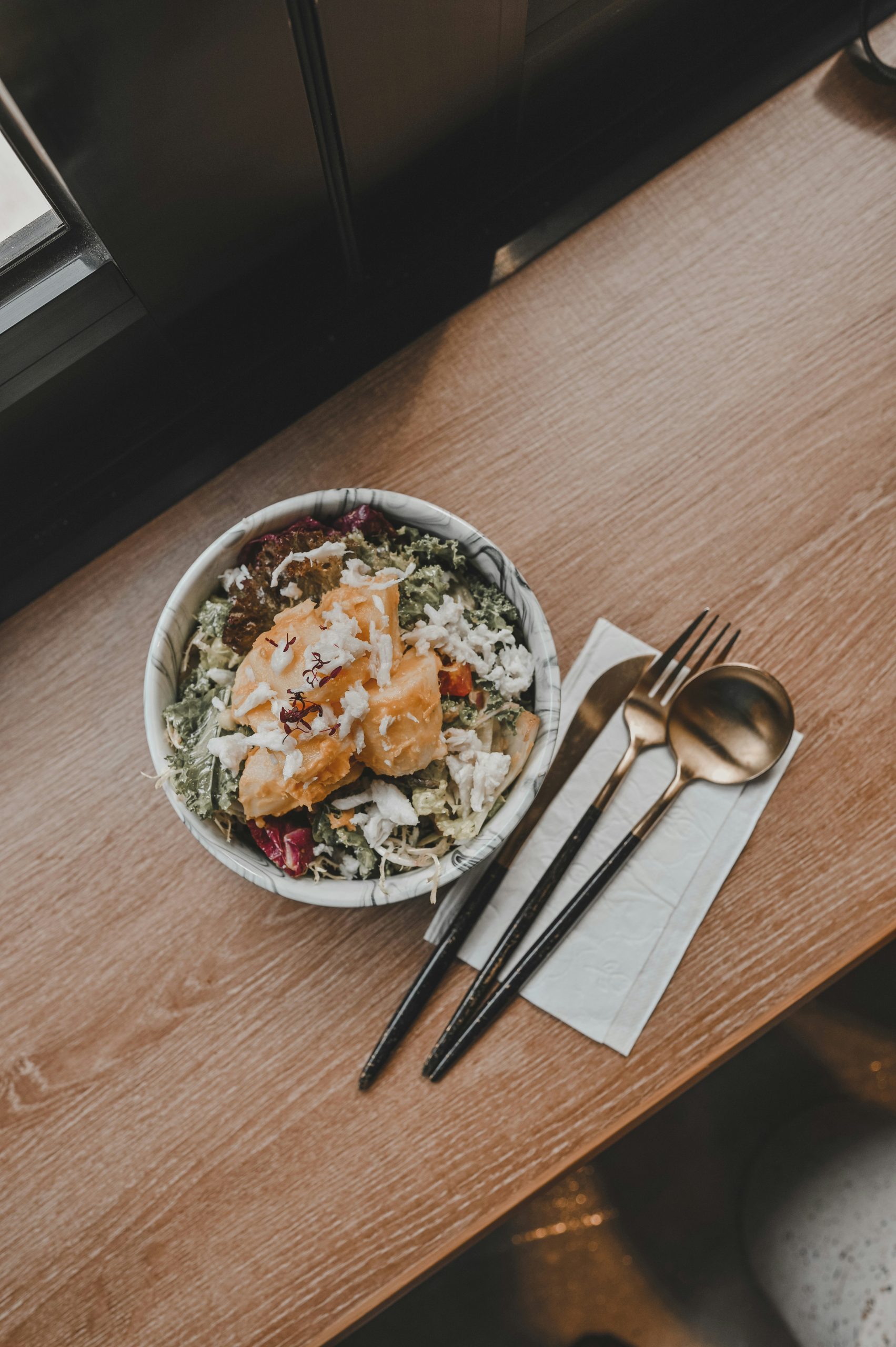
Both regions also showcase their distinct food cultures throughout your journey. Roasted goose and dim sum are both classical dishes in Hong Kong, while Macanese egg tarts and African chicken remain firm favourites in Macau, along with the market stalls in Mong Kok’s Ladies’ Market. Whatever you may be hankering for, White Trails curates Hong Kong and Macau tour packages according to planned dates and desired experiences.

Places to Visit

Hong Kong and Macau offer a varied mix of sights and experiences, so you can tailor your itinerary to your interests. White Trails plans Hong Kong and Macau holiday packages for you, so there’s never a sight left unseen.

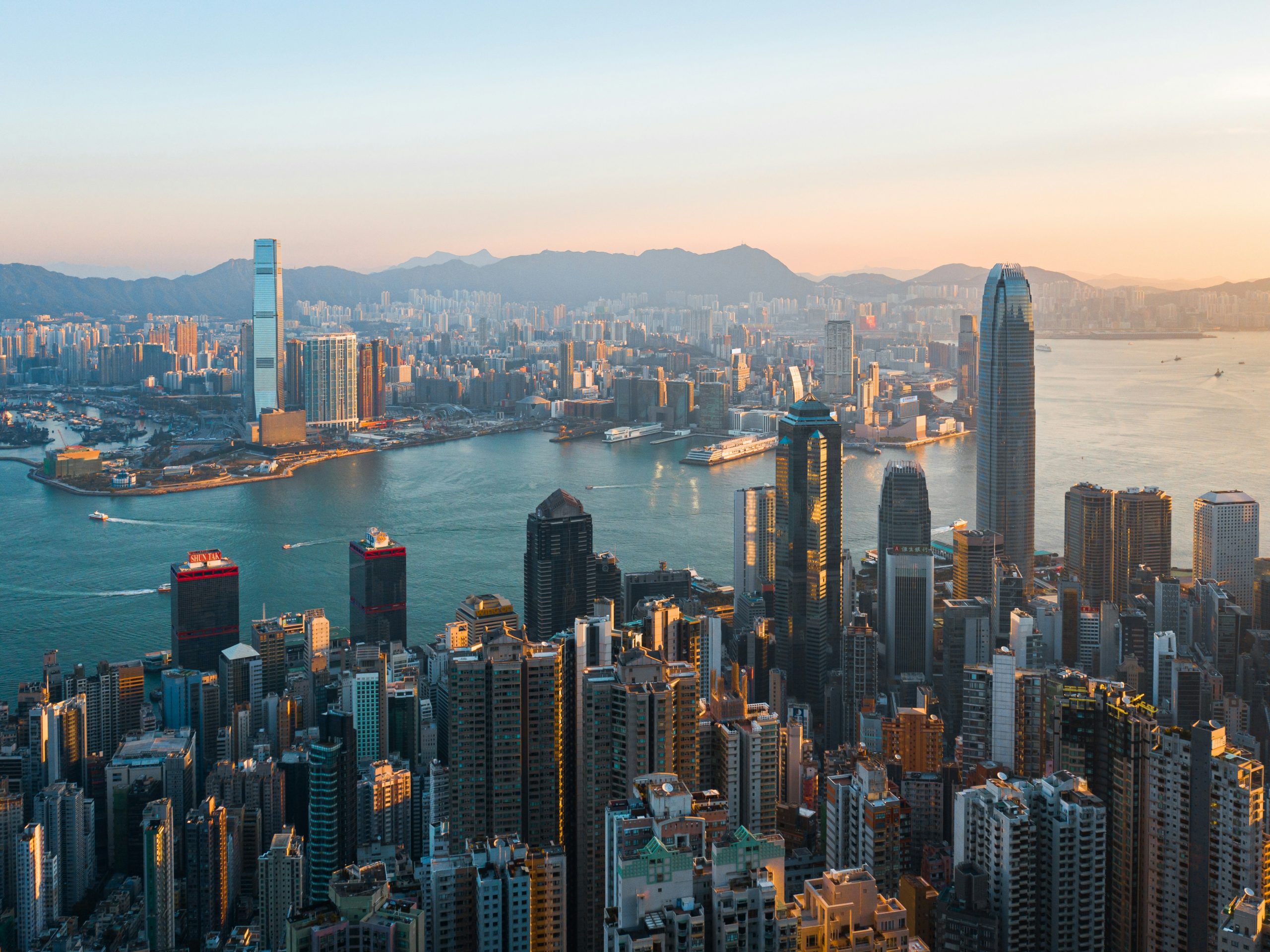
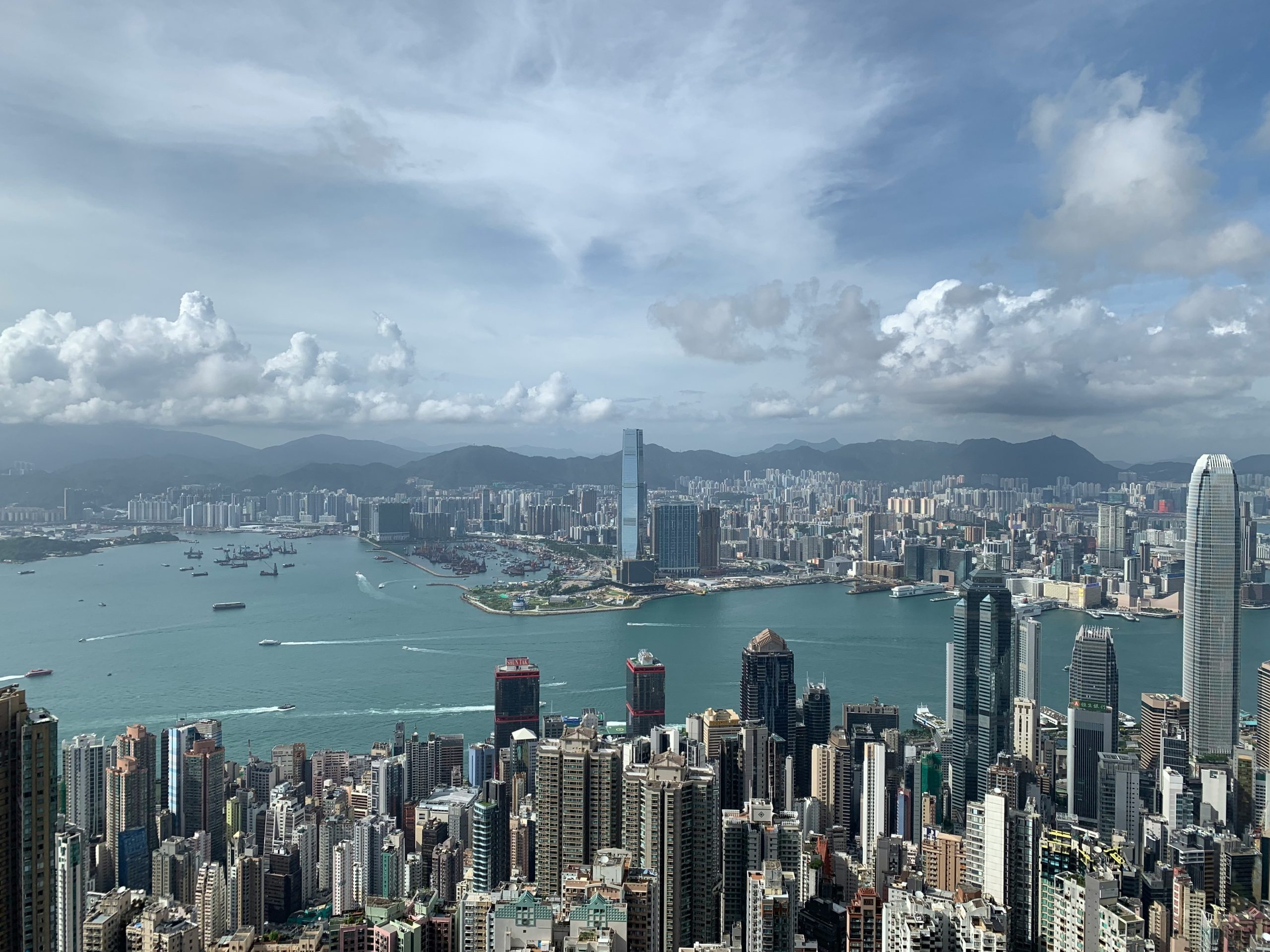
Known locally as “The Peak,” Victoria Peak stands at 552 metres above sea level, making it the highest point on Hong Kong Island. It offers views of Victoria Harbour and the green hills of the New Territories. Take a ride on The Peak Tram, an impossibly steep funicular railway that ferries visitors to and from the top and has been in service since 1888. The Lugard Road Lookout is a flat, 20-minute walk through nature that leads to the best spot for panoramic photography on the mountain. 
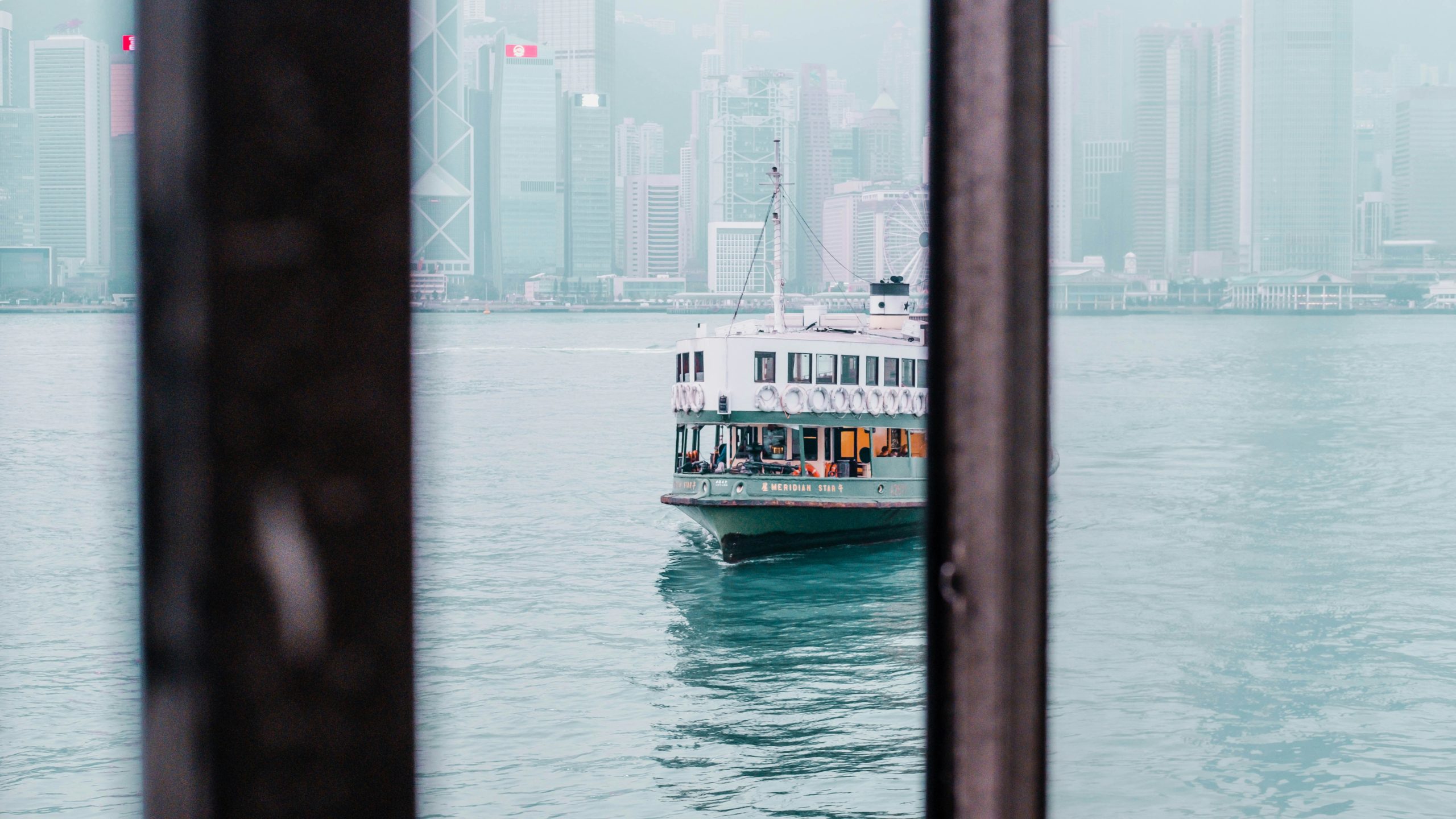
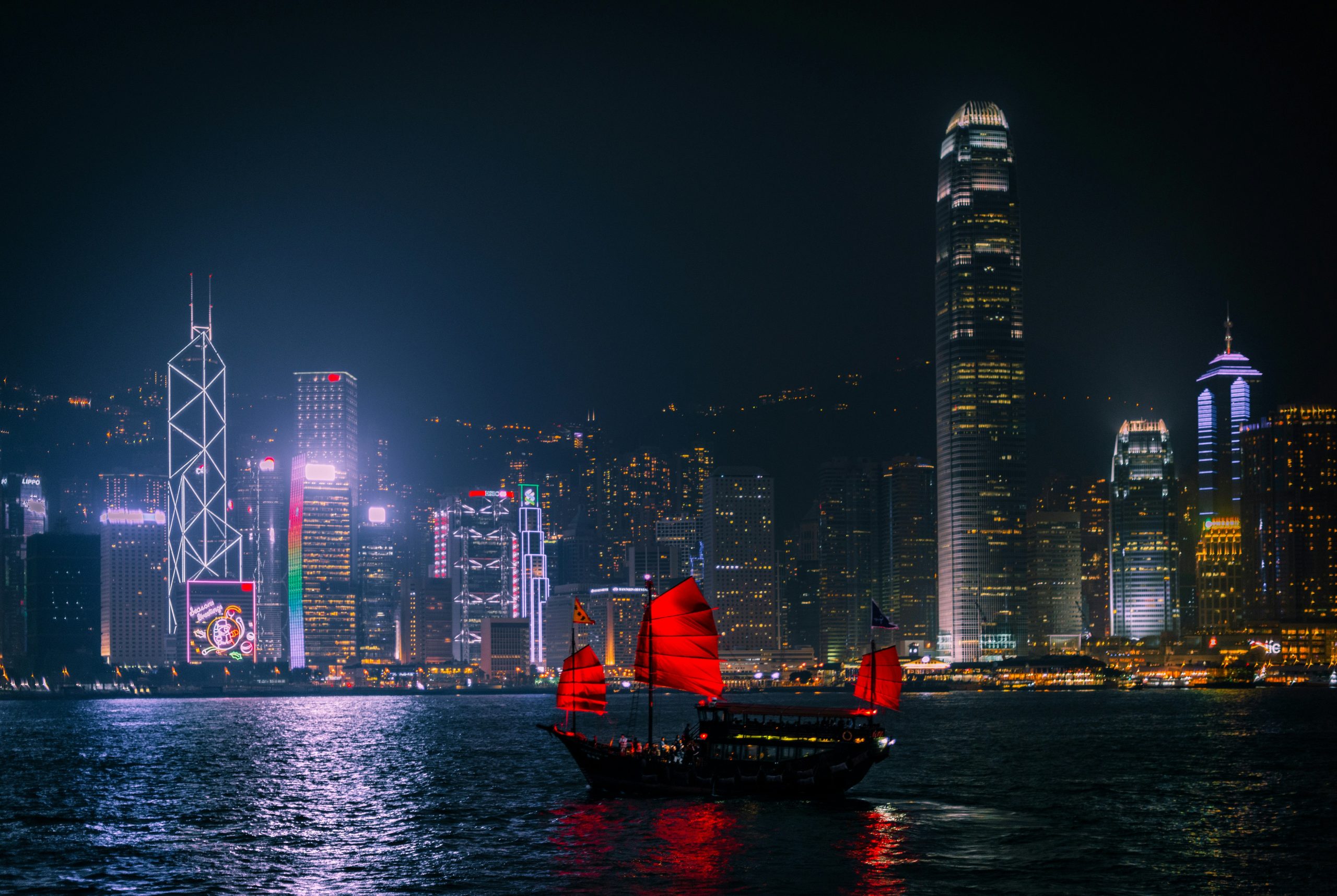
The Star Ferry has crossed Victoria Harbour since the 1880s. Still in service, it remains among the cheapest ways to cross the harbour. It also offers unobstructed, water-level views of the skyscrapers. Right next to the Tsim Sha Tsui Ferry Pier, the Avenue of Stars is Hong Kong’s take on the famed Hollywood Walk of Fame, honouring icons of Hong Kong cinema (don’t miss the massive statue of Bruce Lee).

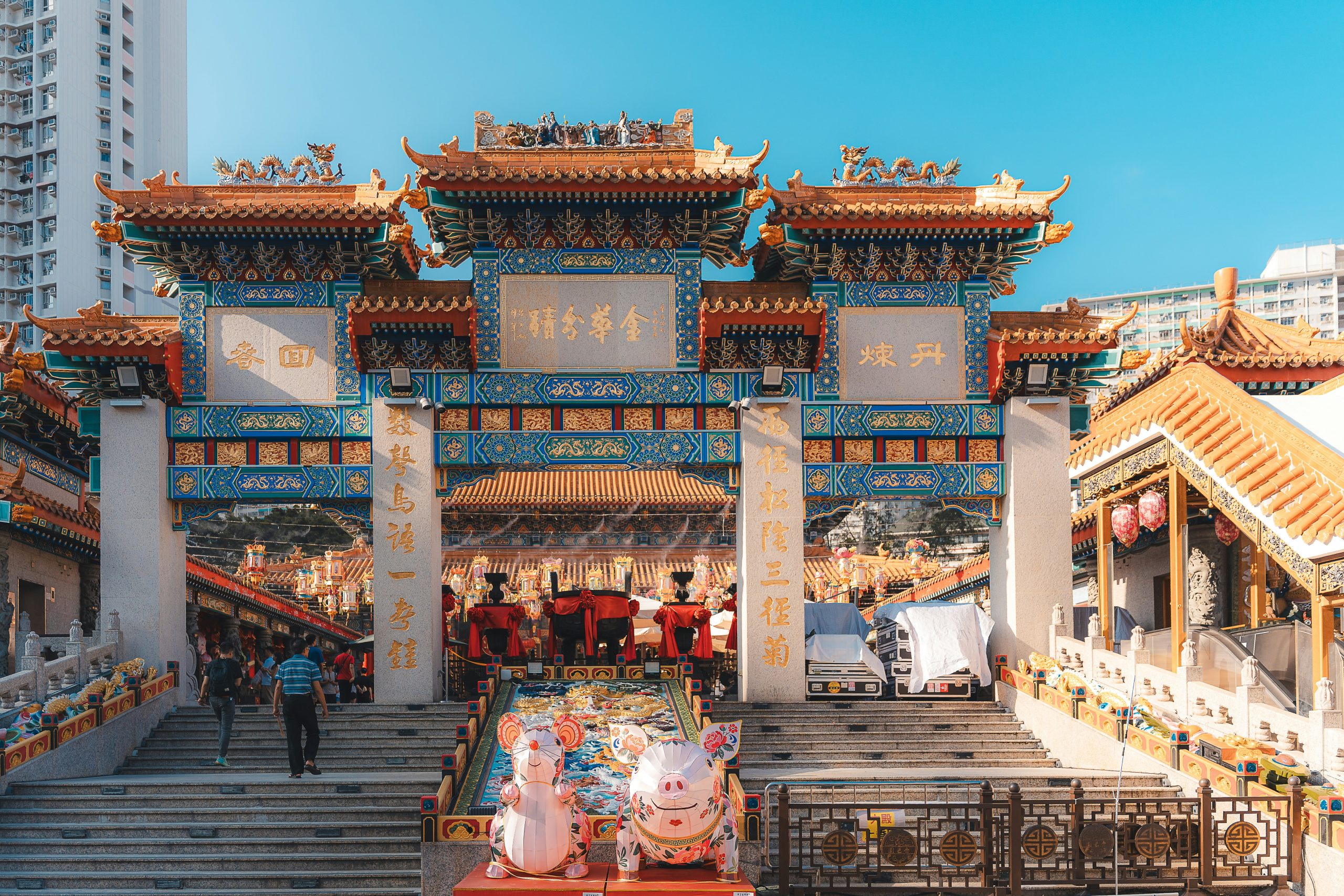
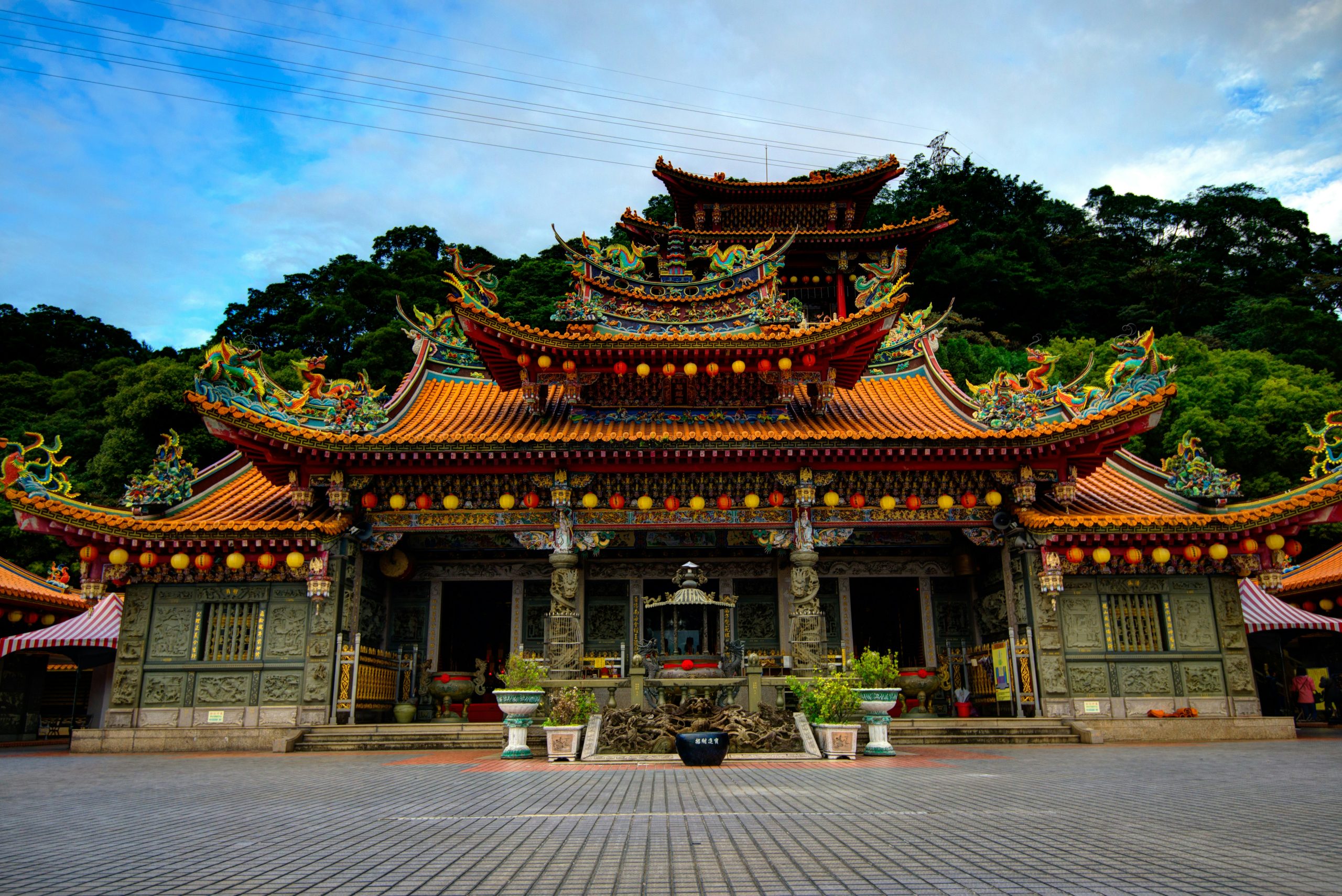
Wong Tai Sin Temple and Man Mo Temple are two of Hong Kong’s most significant places of worship. The Wong Tai Sin Temple plays host to three religions, namely Taoism, Buddhism and Confucianism. It is famous for its fortune-telling sticks, where worshippers shake a bamboo cylinder until a stick falls from it, which is then interpreted by a nearby fortune teller. 

The Man Mo Temple was built in 1847 and is located between the skyscraper and antique shops of Hollywood Road. It pays tribute to the Man, the God of Literature, and Mo, the God of War. Inside, you’ll find an interior lit by shafts of sunlight, filtered through huge hanging incense spirals that burn from the ceiling. 

Lantau Island is Hong Kong’s largest outlying island, with traditional fishing villages and massive spiritual landmarks. Ngong Ping, a village nestled in the hills, is the gateway to Lantau. The Ngong Ping 360 cable car offers a sensational 25-minute aerial ride from Tung Chung to Ngong Ping Village. 

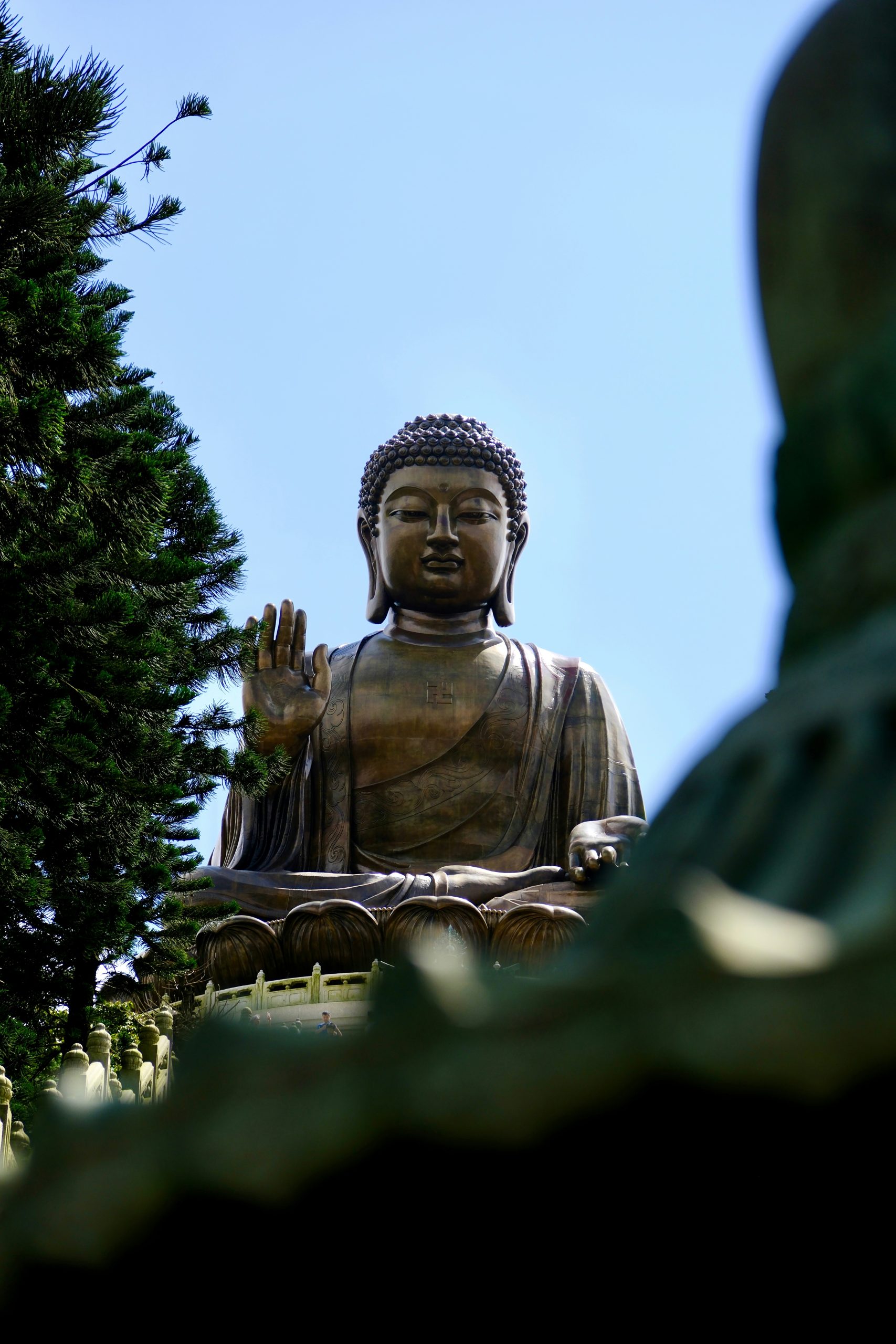
From there, you can climb over 200 steps to reach the Tian Tan Buddha (The Big Buddha), a 34-metre-tall bronze statue that sits majestically on a mountain peak. Right across from the Buddha, the Po Lin Monastery houses the Grand Hall of Ten Thousand Buddhas and a famous vegetarian restaurant for a quick bite. 

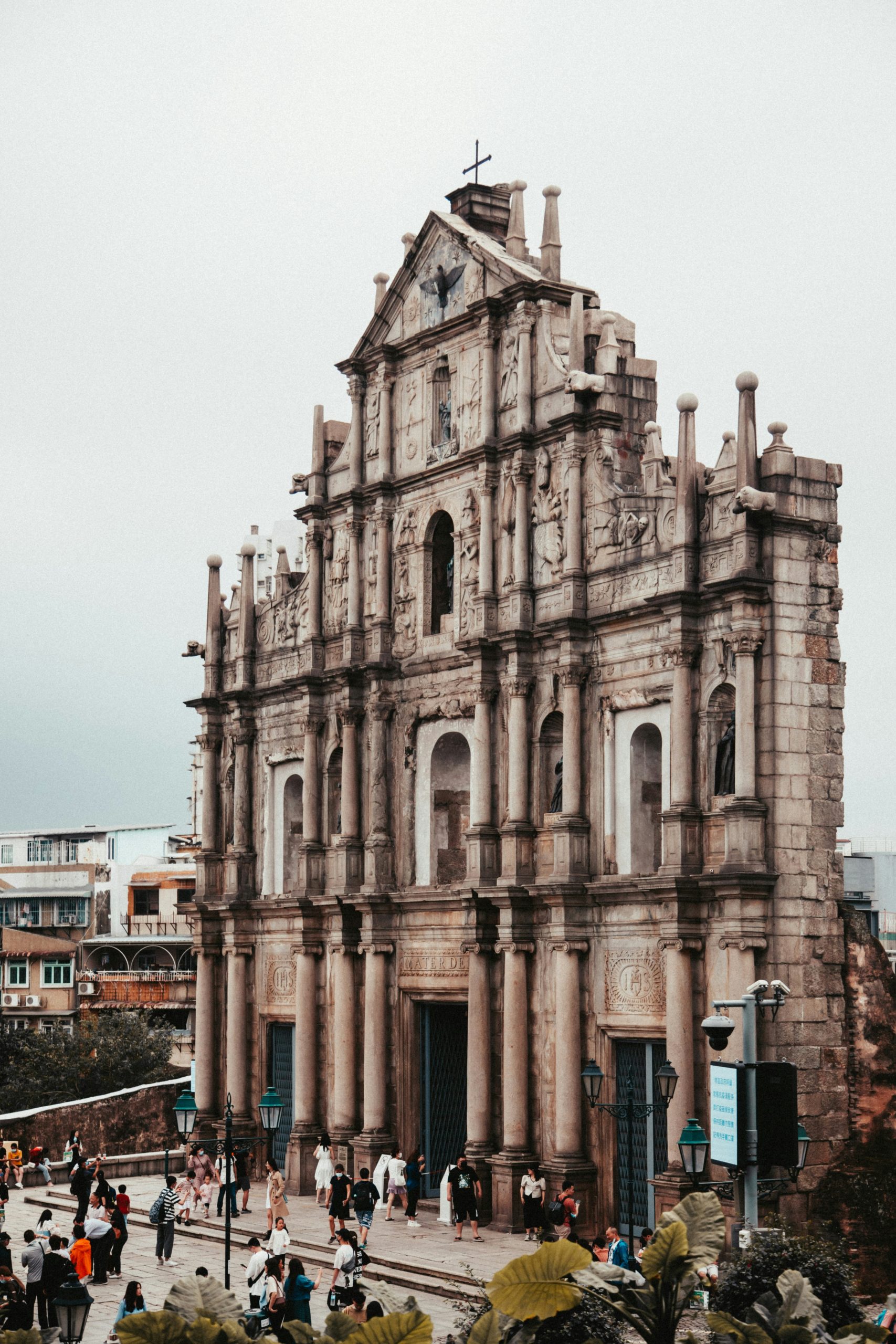
The Ruins of St. Paul’s is Macau’s most iconic landmark. Recognised as a UNESCO World Heritage Site, the ruins are a short ferry or bus ride away from Hong Kong. First built by the Jesuits in the early 17th century, the complex used to be the Church of Mater Dei, which was the first Western-style university in East Asia. After a catastrophic typhoon and fire destroyed most of the structure in 1835, all that remains today is a huge, intricately carved granite facade. 

Built in 1488, the A-Ma Temple is Macau’s oldest structure. It’s also where Macau gets its name from. The temple is dedicated to the Goddess Mazu, the Taoist goddess of seafarers and fishermen. When Portuguese sailors asked locals what this area was called, they replied: “A-Ma-Gau” (Bay of A-Ma), which slowly turned into Macau as the years rolled by. Unlike most imperial temples and their symmetrical construction, this temple is a multi-level sanctuary, built right into a rocky hillside. 

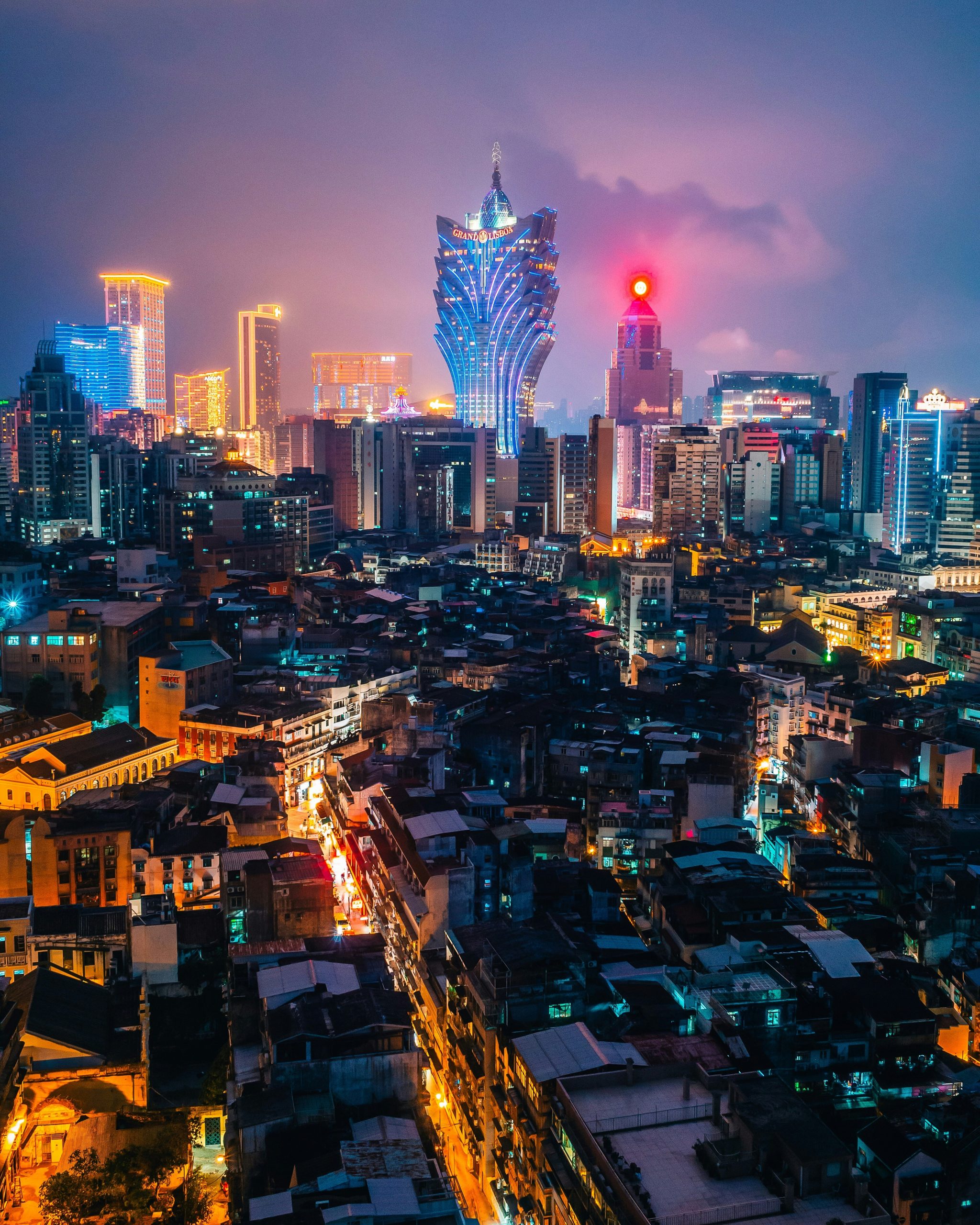
The Cotai Strip is a strip of land made entirely by marine infill, connecting the islands of Taipa and Coloane. Often called the Las Vegas of Asia, the strip is ultra-modern and the undisputed champion of global gaming, generating more gambling revenue than Las Vegas itself. It is also home to the largest casino floor worldwide, with 500,000 square feet of gaming space to explore. Make sure to exchange your money before walking in to play, since nearly every casino table on the Cotai Strip accepts Hong Kong Dollars exclusively, rather than the local Macau Pataca. 

Best Time to Visit Hong Kong & Macau

Hong Kong and Macau have a subtropical version of the four seasons, with pleasant winters and humid summers. White Trails offers expert seasonal recommendations with our Hong Kong and Macau tour packages, so you’re travel-ready, regardless of the weather.

Spring

March to May 17°C to 29°C

Mild, warm weather that turns increasingly humid, with sudden showers possible.

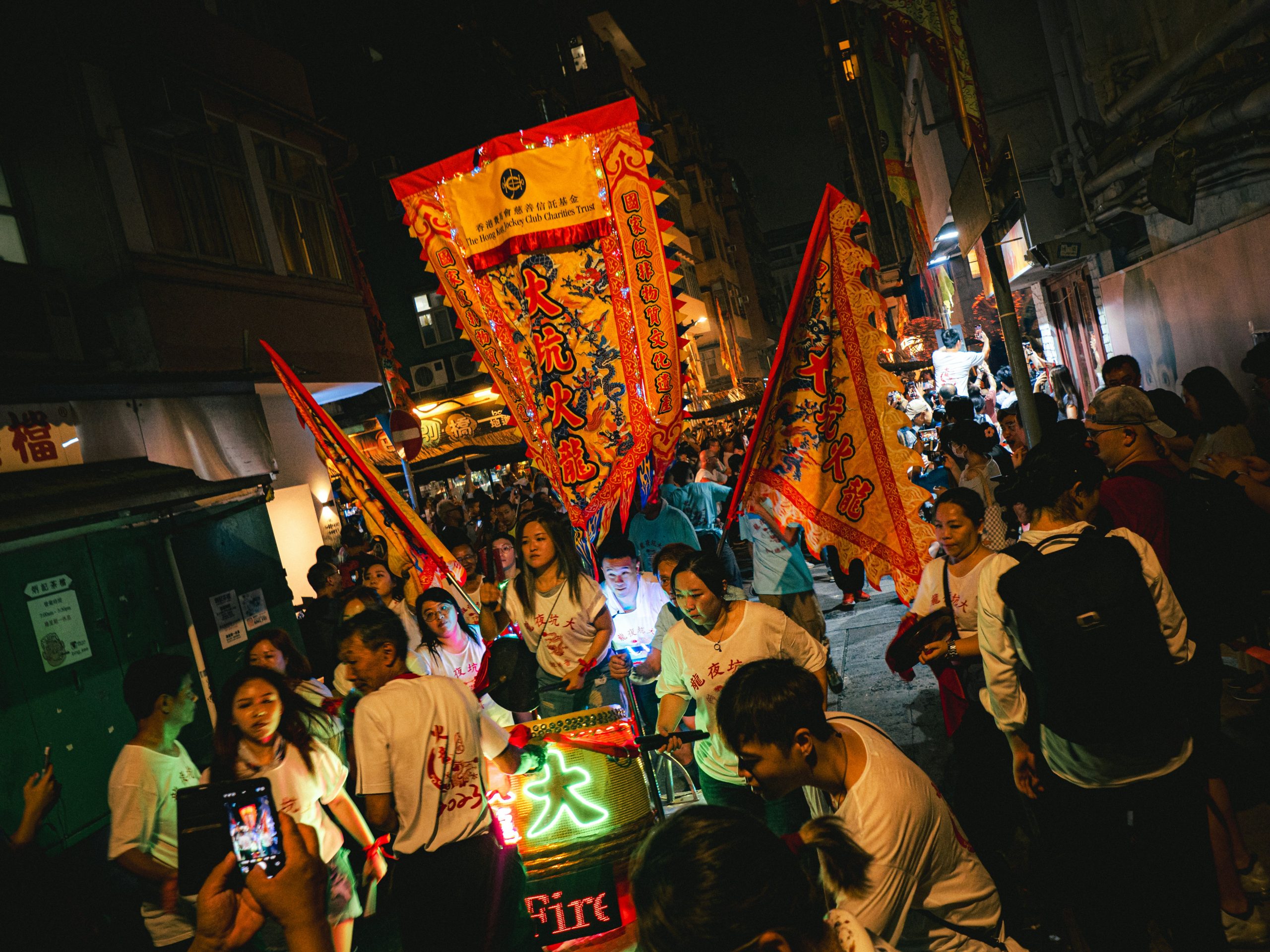
Spring is a comfortable time to explore Hong Kong’s outdoor attractions. However, showers become more frequent as May approaches. In Macau, spring is the time for local celebrations such as the A-Ma Festival and the Feast of the Drunken Dragon.

Summer

June to August 27°C to 32°C

Hot and humid, with peak typhoon and rainy season.

Summer is the wettest period in Hong Kong, and Macau’s typhoon season is most active from July to September. Outdoor sightseeing can be demanding in the heat. If you visit during June, you can also experience the Dragon Boat Festival, with races held across Hong Kong and the International Dragon Boat Races at Tsim Sha Tsui.

Autumn

September to November 20°C to 28°C

Comfortable weather with lower humidity.

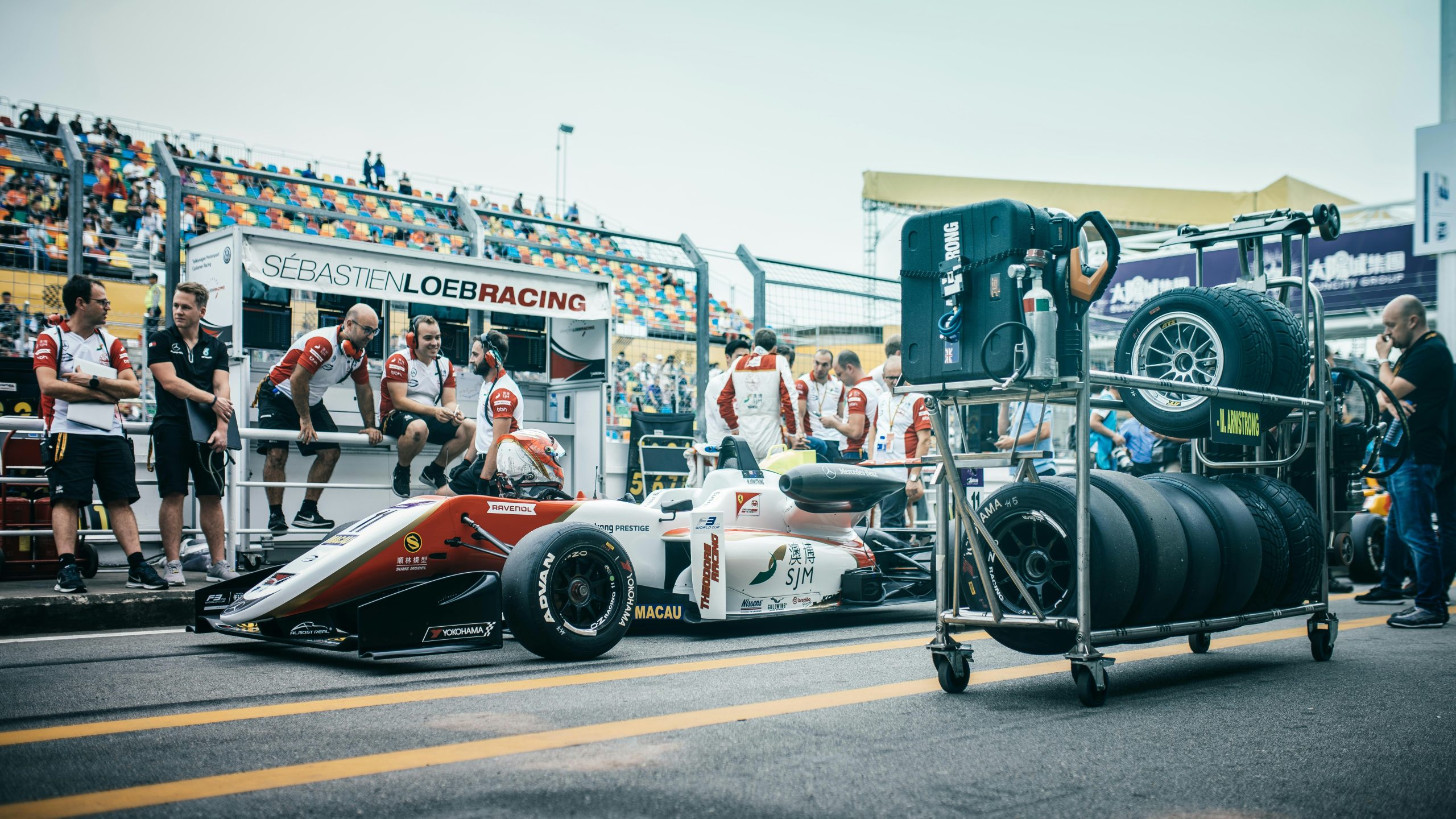
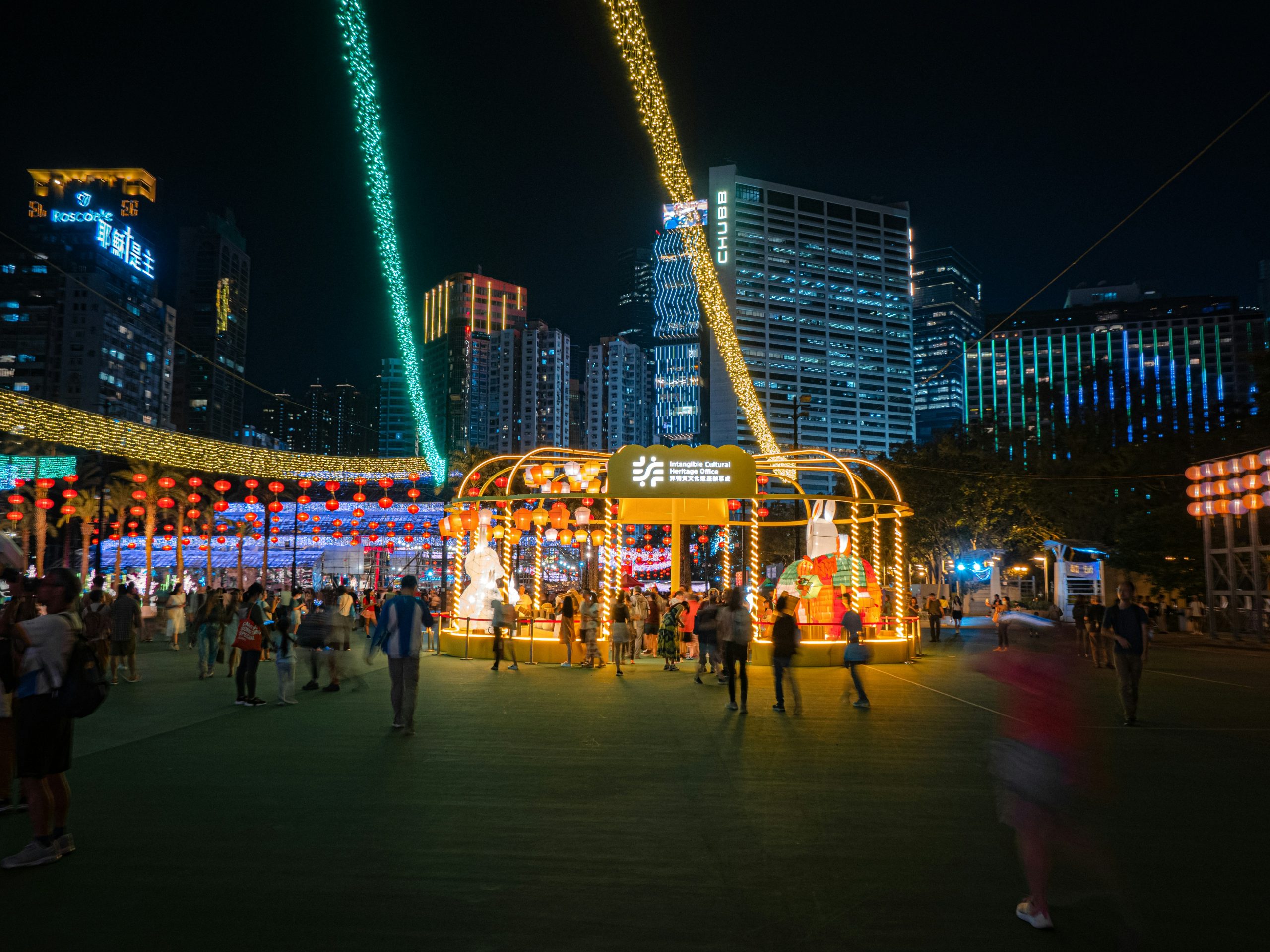
September can still be hot and wet, but conditions become more comfortable as autumn progresses. You can catch Hong Kong’s Mid-Autumn celebrations and Tai Hang Fire Dragon Dance, alongside Macau’s International Fireworks Display Contest and Macau Grand Prix in November.

Winter

December to February 14°C to 20°C

Cool and dry weather.

Winter is one of the more comfortable periods for exploring Hong Kong and Macau. Hong Kong is active around Chinese New Year while Macau combines Chinese traditions with its own Portuguese-influenced festivities.

Top Things to Do in Hong Kong & Macau

Theme parks, nightlife, shopping and transportation are all factors to consider when planning your itinerary. White Trails bridges this gap with dedicated Hong Kong and Macau holiday packages, planned around the activities of your choice.

Spend a Day at Hong Kong Disneyland

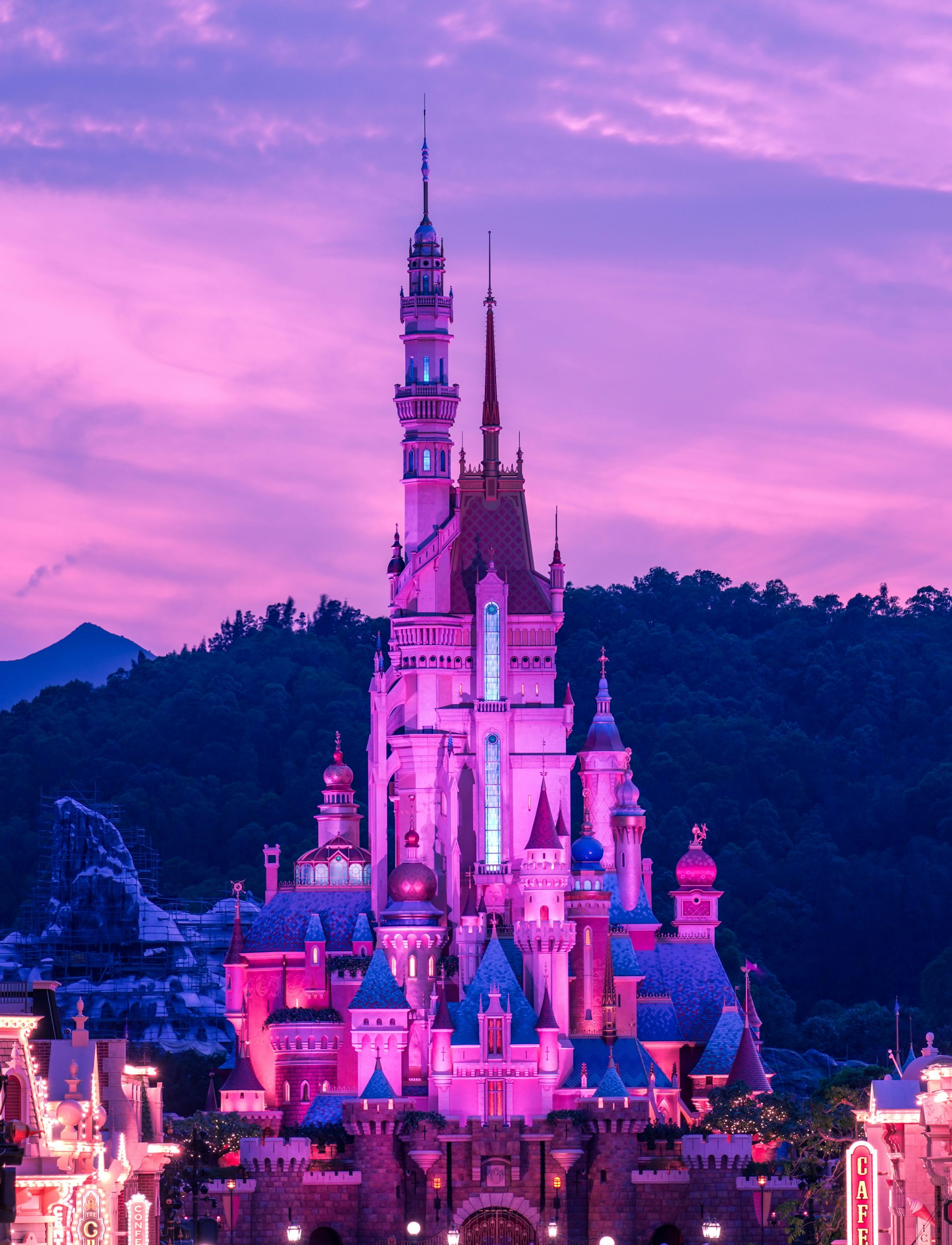
Give yourself a full day to explore Hong Kong Disneyland. If you’re a thrill seeker, head to Tomorrowland for the high-tech Iron Man Experience at the Stark Expo. Younger visitors can step into the immersive World of Frozen or race backwards on Grizzly Gulch’s runaway mine-car coaster. Explore the fairytale settings of Fantasyland and take a spin through Adventureland while meeting favourite Disney characters along the way. You can also enjoy themed food and shop in the complex.

Spend a Day at Hong Kong Disneyland

Explore Ocean Park

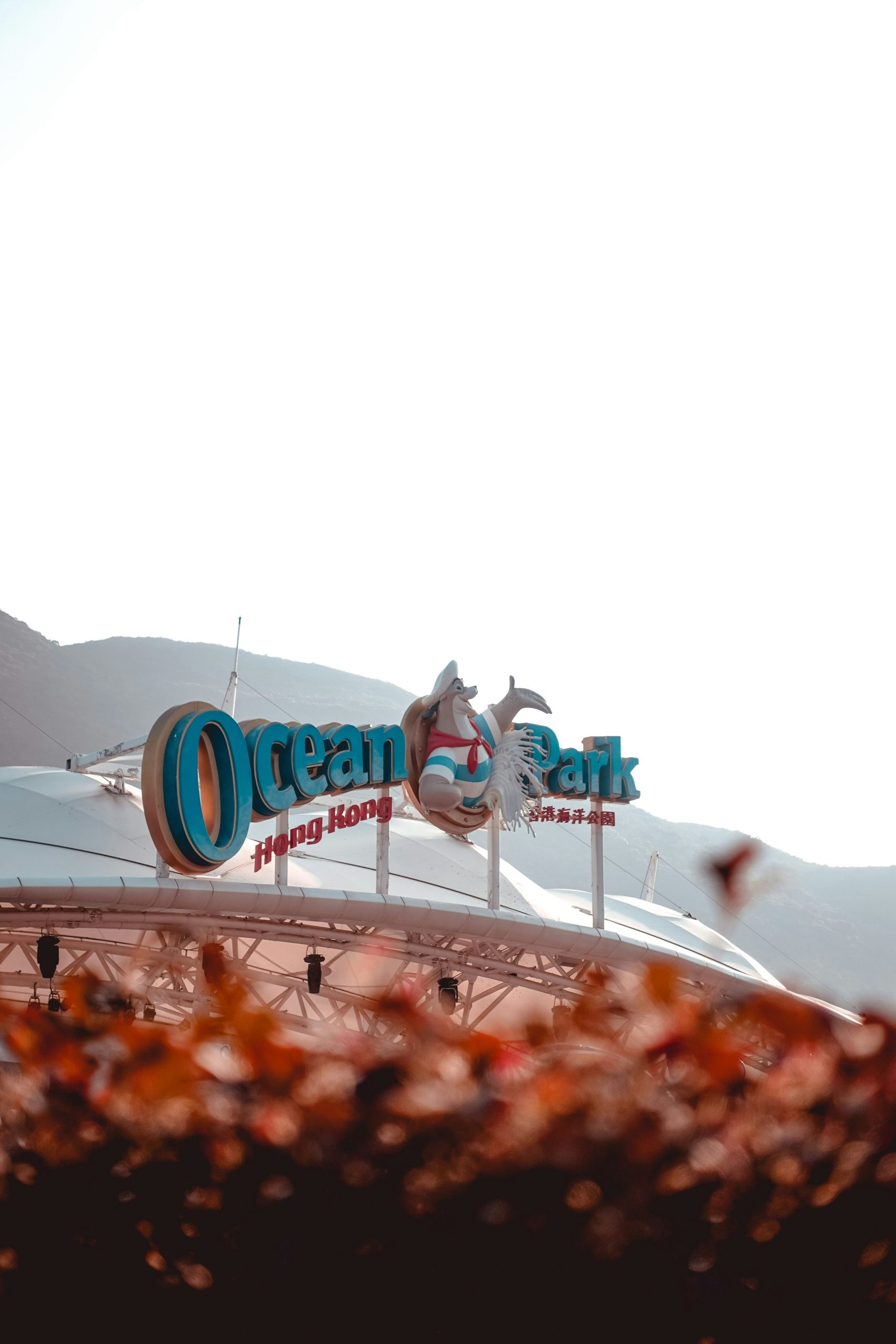
Head to Ocean Park, split into two distinct zones connected by a scenic, 15-minute cable car ride over Repulse Bay. Explore the Waterfront to see giant pandas and the Grand Aquarium’s 5,000 marine animals, or head up to the Summit to brave the park’s biggest crowd draw: the gravity-defying Hair Raiser roller coaster.

Explore Ocean Park

Experience Hong Kong’s Nightlife in Lan Kwai Fong

Explore Lan Kwai Fong, a small grid of streets which serves as the hub of Hong Kong’s nightlife. Spread across an L-shaped hill, these streets pack over 80 clubs, bars and restaurants, going from a quiet commercial alley by day to a neon-lit street party by night. Make sure to stop by for a small taste of local nightlife.

Experience Hong Kong’s Nightlife in Lan Kwai Fong

Watch the Dragon Boats Race Across Hong Kong’s Waters

Watch Hong Kong’s Dragon Boat Festival in June, which turns waterfronts into racecourses. Visit the Stanley International Dragon Boat Championships at Stanley Main Beach, or head towards Aberdeen Races, with over a century of history.

Watch the Dragon Boats Race Across Hong Kong’s Waters

Feel the Adrenaline of the Macau Grand Prix

See the streets of Macau close, be renamed and then reopen as the Guia Circuit to host the Macau Grand Prix, a daunting course that has run since 1954. The V8’s may be gone, but the street circuit’s spectacle hasn’t diminished in the slightest.

Feel the Adrenaline of the Macau Grand Prix

Discover Hong Kong & Macau’s Local Culture

To truly experience Hong Kong and Macau, you’ll need to walk past the glittering skyline to enjoy local food and cultural heritage. White Trails offers tailored Hong Kong and Macau tour packages to guide your exploration.
The Culinary Scene

In Hong Kong, grab a plastic stool at a dai pai dong (open-air food stall) for wok-tossed delicacies, or visit a traditional cha chaan teng (cafe) for pineapple buns with butter and silk-stocking tea. In Macau, discover how Macanese cuisine blends Portuguese spices with Chinese cooking techniques, with savoury pork chop buns and caramelised Portuguese egg tarts.

Street Markets & Shopping

Head to the Temple Street Night Market to dine on claypot rice under neon lights, or wander Macau’s Senado Square and grab almond cakes from traditional Chinese pastry shops along its old cobblestone alleys.

Festivals and Events

The region’s legendary festivals are a sight to behold. Cheer on the Dragon Boat racers in June, watch the Tai Hand Fire Dragon Dance during the Mid-Autumn Festival (while enjoying a lotus-paste mooncake), or catch the Macau Grand Prix in November.

Travel Essentials for Your Hong Kong and Macau Trip

Although they’re close, Hong Kong and Macau have different entry requirements, currencies, transportation networks and local cultures. White Trails provides support for these details as part of your Hong Kong and Macau tour package.

Hong Kong and Macau have separate immigration systems despite the short distance between them. Here’s what to expect on a Hong Kong and Macau tour. 

  • Indian passport holders can enter Hong Kong visa-free for up to 14 days, once the online Pre-Arrival Registration (PAR) is completed. 
  • The PAR requires a passport valid for at least six months.
  • Approval is typically instant and is valid for six months, covering multiple visits of up to 14 days each. 
  • Macau grants a separate 30-day visa-free stay for Indian nationals, which also requires six months’ passport validity. 
  • Macau does not require a PAR equivalent.

Requirements can change over time, so it is worth checking the latest guidelines before travelling. 

Despite their proximity to each other, Hong Kong and Macau use different currencies. Here’s the breakdown: 

  • Hong Kong uses the Hong Kong Dollar (HKD), while Macau’s official currency is the Macanese Pataca (MOP). 
  • Hong Kong Dollars are accepted almost everywhere in Macau, but Macanese Patacas are not generally accepted back in Hong Kong.
  • Cards are widely accepted at hotels, larger restaurants and casinos in both cities, but smaller shops and food stalls often prefer cash. 
  • Contactless payments, including Apple Pay, Google Pay and UnionPay, are widely supported in Hong Kong alongside the Octopus Card, and AlipayHK and WeChat Pay HK are also accepted at many merchants.
  • Octopus does not work on Macau’s buses or light rail, where Macau Pass, AlipayHK, WeChat Pay or cash are used instead. 

Here’s what to know about getting around in Hong Kong and Macau:

  • The Airport Express covers the distance between Hong Kong International Airport and Central in about 24 minutes, and connects into the wider MTR network. 
  • The MTR has a 99.9% on-time record and is considered among the most efficient metro systems in the world. O
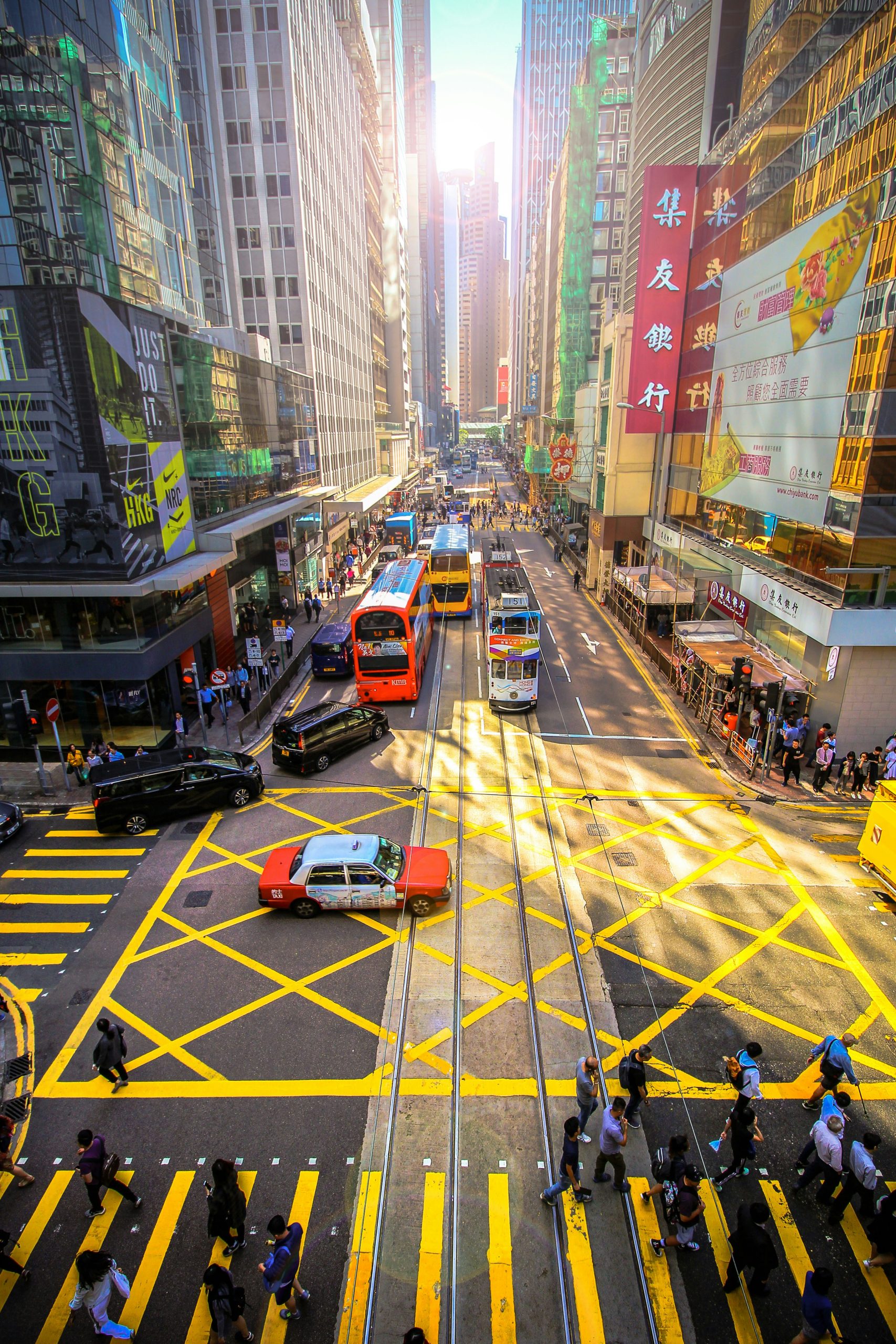
  • On arrival, pick up an Octopus Card, which covers the MTR, trams, buses and ferries with one tap. The combined public networks generally make a car unnecessary. 
  • Macau is compact, so you can explore much of it on foot, and free shuttle buses run between the ferry terminals and casino resorts. 

Here’s what to pack if visiting Hong Kong and Macau:

  • Pack comfortable shoes and breathable clothing. 
  • Hong Kong’s weather can turn from bright to rainy quickly, especially outside winter months. It’s advisable to carry a compact umbrella. 
  • A lightweight jacket is helpful if your visit falls between December and February. 
  • Sunscreen is a year-round essential. 
  • Hong Kong uses Type G plus, the same 3-pin design as the U.K., so most Indian appliances will need an adapter to work. 

When visiting Hong Kong and Macau, follow basic etiquette guidelines, along with a few country-specific norms. 

  • Queueing is taken seriously in Hong Kong, across public transportation and shared public spaces. 
  • When in a lift, make sure to stand to the right and leave the left side clear.
  • Whenever eating at a table, do not stick your chopsticks upright in a bowl of rice, as this represents funeral rites and offerings to the dead. 
  • Use serving chopsticks rather than your own when taking food from a plate. 
  • Most restaurants add a 10% service charge, so tipping is not expected (but rounding up is appreciated). 
  • Dress modestly while visiting holy sites, and always ask for permission before photographing people.
  • In Macau, most casinos permit casual clothing on the general floor, but VIP rooms and upscale restaurants may expect more formal attire. 

Here’s how to stay connected with friends and family while travelling through Hong Kong and Macau: 

  • Hong Kong has high-speed internet and free Wi-Fi at the airport, in MTR stations and in most malls and cafes. 
  • You can buy prepaid SIM cards at kiosks in the arrival hall of Hong Kong’s International Airport. 
  • E-SIMs from third-party providers can be set up before departing. 
  • Some tourist SIM plans include data roaming in Macau, which may be worth a look if your trip spans both destinations. 

FAQs

Quick answers to the most common queries about travelling in Hong Kong & Macau

Indian nationals do not need a traditional visa for short visits to Hong Kong or Macau. It’s important to remember that the two run separate immigration systems. For Hong Kong, you must complete the Pre-Arrival Registration (PAR) online before travel, valid for stays of up to 14 days. Macau grants a separate 30-day visa-free stay, with no PAR equivalent needed. Always verify the latest requirements before you travel internationally.

In Macau, include Senado Square, the centuries-old A-Ma Temple, the Ruins of St. Paul and Monte Fort in your itinerary. In Hong Kong, you should visit Victoria Peak and the Big Buddha on Lantau Island. White Trails brings local insights to your Hong Kong and Macau holiday package, so you won’t miss anything worth seeing.

October to December is the most popular time to visit Hong Kong and Macau. Both regions share the same climate pattern, with the clearest skies and lowest humidity. January to March is quieter and cooler, which suits tourists who would rather avoid the bigger crowds.