Overview

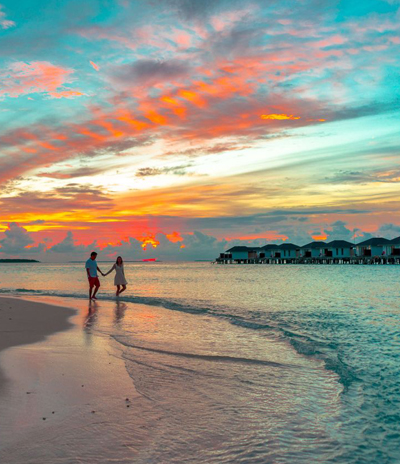
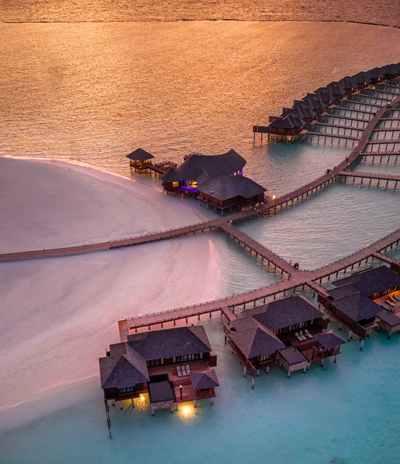
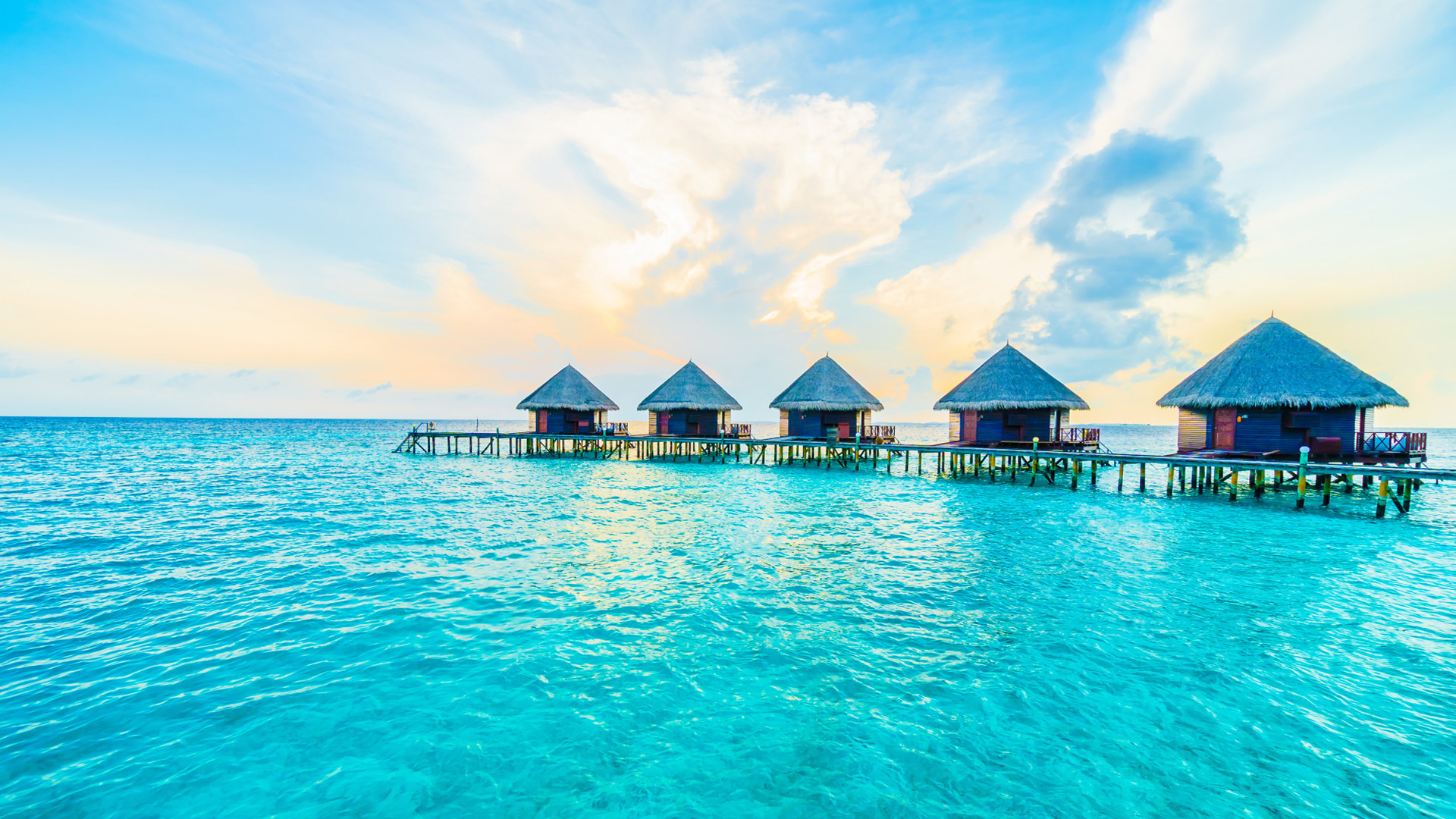
Say ‘Maldives’ and most people picture the same postcard with turquoise water, a stilt-legged villa, and not much else. That postcard isn’t wrong, exactly. It’s just missing everything that makes the islands worth staying up late for.

Coral-stone mosques older than memory, beaches that glow electric blue after dark, sharks gliding past close enough to touch, and reefs stitched along every shoreline. This is a country built as much on culture and craft as on coastline. Look past the water villas, and you’ll find seafood recipes handed down for generations, and the thunder of a Bodu Beru drum circle drawing everyone towards the sand.

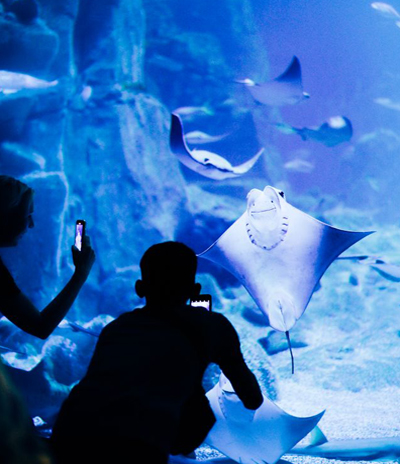
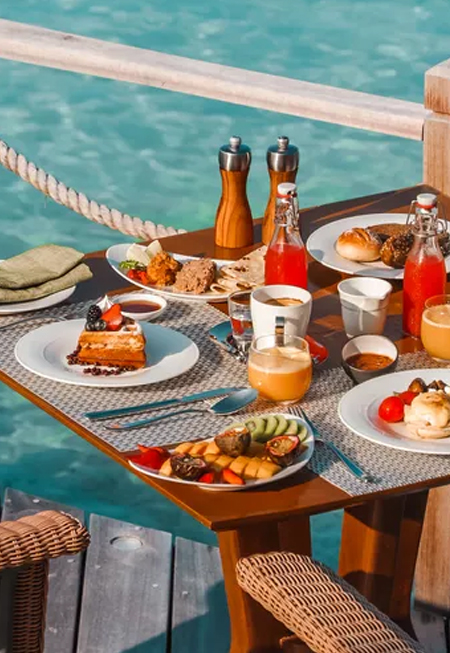
Some travellers come for a honeymoon barbecue lit by nothing but stars, while others want a family dinner with sharks gliding past the glass. White Trails shapes its Maldives tour packages around whichever version of the islands you’re chasing.
Places to Visit

Sparkling lagoons and postcard sunsets are only the surface here. Between its maritime culture and marine life, the Maldives has more layers than most travellers expect.

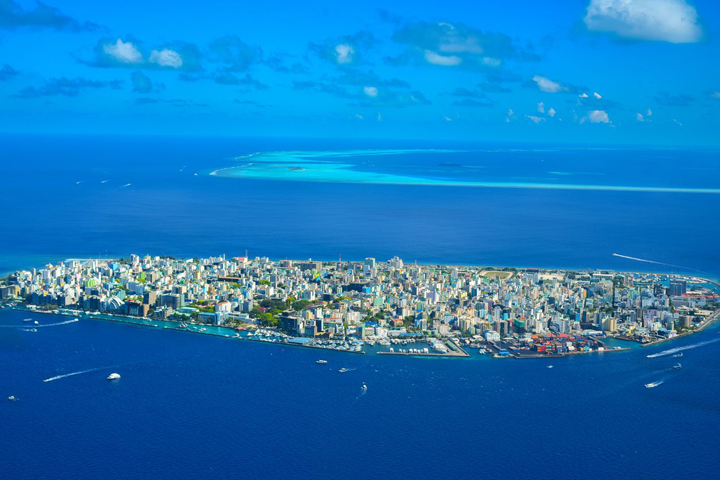
Everything the Maldives is builds outwards from here. Trace the coral-carved walls of Hukuru Miskiy, the country’s oldest mosque, then watch the day’s catch come ashore at the harbour. The National Museum in Sultan Park unspools centuries of island history, while the call to prayer from the Grand Friday Mosque drifts over stalls selling everything a local market should.

Skip the resort brochure for a day, and Addu shows you a gentler Maldives. Enjoy lunch with a local family, or a bicycle ride strung across causeways linking one island to the next. Snorkel with mantas at Manta Point, or head out at golden hour to watch spinner dolphins somersault around your boat. For couples, dinner under a sky full of stars with the tide lapping close by is often the quiet highlight of a White Trails honeymoon package.

The Maldives’ only one-island atoll draws divers for one reason: tiger sharks, cutting through the blue at Tiger Harbour with licensed operators close by. Slower days call for a scooter ride past taro fields and mango trees, birdwatching at the freshwater lake of Bandaara Kilhi, a surf session at Thoondu beach, or a walk to Havitta, where the remains of an ancient Buddhist stupa still wait to be uncovered.

For travellers chasing culture over coastline, the north’s biggest island delivers. Watch local women hand-weave traditional Roanu rope, scan the mangrove wetland for herons, and taste Kavabu and Bondi at the weekly market before settling in for a Bodu Beru performance as the day winds down.

Once emptied out in the 1960s, Thinadhoo has built itself back into one of the south’s liveliest islands. Dive the kandu channels, Gadhdhoo Kandu among them, for schools of grey reef sharks, eagle rays and barracuda, or take a speedboat to the quieter sandbars scattered through the lagoon. Local teahouses are the place to try Huvadhoo Bondi.

Built for travellers who’d rather stroll than rush, Hulhumalé pairs uncrowded beaches with a long, tree-lined promenade made for a sunset walk. Try banana boating or jet skiing off the central beach, or take in the view from the Sinamalé Bridge, strung between the new town and the capital.

Whale sharks and manta rays call this stretch of reef home for much of the year, and Dhigurah puts you right alongside them. Swim with gentle, spotted whale sharks along the outer wall, or watch reef mantas somersault through clouds of plankton. A tuk-tuk ride south leads to a sandbank so narrow it feels like the island simply runs out, while Bikini Beach is the spot for a slower sunset.

Ask well-travelled visitors where the best beaches in the Maldives are, and Ukulhas comes up often. Bikini Beach turns powder-soft at sunrise, the lagoon just past it is home to resident turtles and reef sharks, and a night out fishing with local crews often ends with grilling your own catch right on the sand.

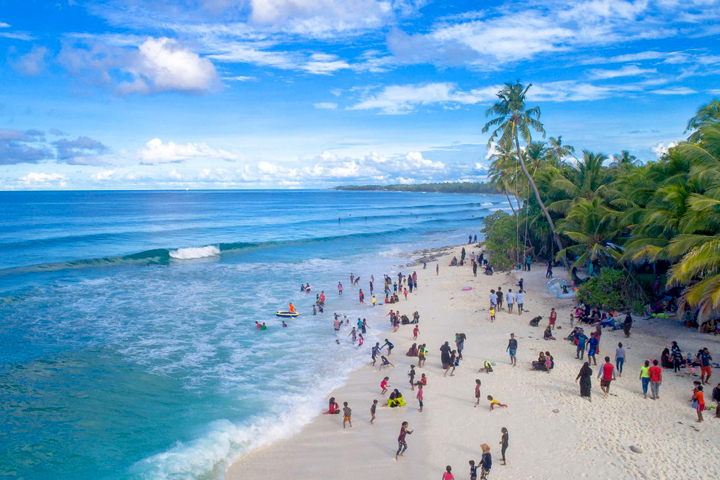
Consider this the Maldives’ surf town. Cokes, its famous right-hand reef break, draws wave-chasers from across the islands. Between sessions, settle into a beachfront café for a smoothie, tour the island’s small Coca-Cola bottling plant, or take a speedboat out to nearby sandbars for a swim in improbably blue shallows.

Best Time to Visit the Maldives

The Maldives skips the usual four seasons. Expect warmth year-round, generally between 24°C and 33°C (75°F–91°F), with the mix of sun, wind and rain shifting by season. White Trails builds its Maldives tour packages around whichever season suits the trip you're after.

Dry Season

Nov - Apr 27° to 32°C

Warm tropical heat, long sunshine hours, lower humidity, with occasional short downpours

Clear skies and calm seas pull travellers onto the beaches for sunbathing and easy, clear-water snorkelling or diving, and this is peak season for overwater villa stays and island hopping. Expect resorts to book up early and crowds to peak alongside the weather.

Wet Season

May - Oct 26 to 30°C

Warm and humid, stronger winds, periodic downpours and the occasional thunderstorm

Rain keeps the crowds thinner here, which suits surfers and marine-life spotters chasing an authentic trip without peak-season prices. Showers tend to arrive in short bursts, leaving long windows for world-class surf and some of the year’s biggest gatherings of manta rays and whale sharks.

Top Things to Do in the Maldives

Beyond the water villas, the Maldives holds centuries of history and no shortage of ways to lose an afternoon. White Trails’ Maldives tour packages are built to fit as many of these in as your trip allows.

Walk Through Bioluminescent Waves at Night

Few sights match a night walk along a bioluminescent shore. Head to Vaadhoo Island after dark and watch the water spark electric blue with every wave and footstep, with trails of light following your fingertips through the shallows. Honeymoon couples chasing this should aim for June to November. Walk Dharavandhoo's beaches, book an outing with local fishermen, or simply linger after sunset at Dhigurah or Ukulhas for a chance at the glow. White Trails’ Maldives honeymoon packages are built with these romantic detours in mind.

Walk Through Bioluminescent Waves at Night

Dine Beneath the Ocean Surface

Descend a spiral staircase five metres under the waterline at Ithaa Undersea Restaurant, the world’s first all-glass undersea dining room, and eat lobster carpaccio while blacktip sharks glide overhead. SEA, at Anantara Kihavah Maldives Villas, leans moody and romantic as nocturnal marine life drifts past the glass, paired with a glass of something from its wine cellar. The 5.8 Undersea Restaurant, set along a natural reef slope, is worth seeking out too.

Dine Beneath the Ocean Surface

Sail a Traditional Dhoni at Golden Hour

A handcrafted wooden dhoni, a plate of Hedhikaa, and the sun dropping behind you: this is the scene most Maldives photo albums are built around. Book an excursion from Thulusdhoo or Dhigurah and watch spinner dolphins twist alongside the boat, or go all in with a private evening cruise and champagne at Baros Maldives. Gili Lankanfushi pairs its dhoni tours with sommelier-guided wine tastings and dolphin spotting.

Sail a Traditional Dhoni at Golden Hour

Glide Alongside Manta Rays and Sharks

Hanifaru Bay, tucked inside a UNESCO World Biosphere Reserve, hosts manta rays performing their striking ‘cyclone feeding’. The South Ari Marine Protected Area (SAMPA) spans over 40 square kilometres of coral pinnacles, sleeping nurse sharks and gliding mantas. For night owls, COMO Maalifushi and Alimatha Jetty offer floodlit night snorkels, where nurse sharks, stingrays and giant jacks circle in the shallows around the pier lights.

Glide Alongside Manta Rays and Sharks

Track Down Fresh Seafood at a Local Market

Bartering for yellowfin tuna and mahi-mahi at a local fish market is Maldivian life at its most everyday. At Malé’s fish market, try artisanal dried fish made with Rihaakuru alongside dried tuna. At Hulhumalé’s fish jetty, local guides will walk you through picking ingredients before taking you home to learn Garudhiya and Mas Huni. At Dhigurah, hand your catch to your guesthouse staff and watch it grilled over coconut shells for dinner.

Track Down Fresh Seafood at a Local Market

Explore an Ancient Island Dynasty

The Maldives’ history runs as deep as its lagoons. The National Museum, set inside Sultan Park, holds artefacts spanning the pre-Islamic Buddhist era through to the Islamic Sultanate. Look closely at the coral-stone carving of Malé's historic Hukuru Miskiy, then dive down to the Kuda Giri or Victory wrecks, where coral and marine life have slowly claimed the old hulls.

Explore an Ancient Island Dynasty

Discover Maldives’ Culture

Sri Lankan, South Indian and African influences have folded into Maldivian life over centuries, showing up today in its food, music, faith and everyday rhythms. White Trails’ Maldives holiday packages can be shaped around these threads for travellers who want more than a resort itinerary.
Dance & Music

Catch a Bodu Beru performance at your resort’s cultural night, or look out for a Bandiyaa Jehun show by a local women’s group on Thoddoo or Fuvahmulah during festive seasons. Thaara and Dhandi Jehun performances are a highlight around major Islamic holidays.

Cuisine

Fish and coconut anchor Maldivian food. Try Addu Bendi, a coconut sweet, in Addu City, or a hot bowl of Kattelhi Garudhiya in Fuvahmulah, and don’t skip Mas Huni paired with Roshi flatbread for breakfast.

Islamic Heritage

As an officially Muslim state, faith shapes daily life across the islands: coral-carved mosques, the call to prayer and Eid celebrations that spill into open-air feasts and street-side Bodu Beru sessions travellers are welcome to join.

Travel Essentials for Your Maldives Trip

A little pre-planning keeps a Maldives trip running as smoothly as the water looks.

Tourists generally receive a free 30-day visa on arrival, subject to Maldives Immigration requirements. You’ll need a passport valid for at least one month after your trip (an ‘extended validity’ passport won’t be accepted), your return tickets, confirmed hotel or resort bookings and enough funds to cover your stay. The Travel Declaration form must be filed on the official IMUGA portal within 96 hours of arrival. Do this before you land for a smooth process. Indian passport holders should check the latest Maldives Immigration and High Commission guidance before travelling. Do not assume a 90-day stay is automatically granted.

The official currency is the Maldivian Rufiyaa (MVR), sometimes written as Rf or MRF. Resorts charge almost everything to your room and take cards at checkout, but carry some MVR if you’re visiting Malé, Hulhumalé or local islands, since smaller eateries and cafés on inhabited islands often take cash only. Tipping is appreciated but not obligatory, and it’s usually left quietly rather than handed over in person.

Getting between islands means seaplanes, domestic flights or boats. Speedboats run frequently to resorts within roughly 50–80km of Malé. Within a single island, walking or renting a bicycle covers most needs, and some islands also have tuk-tuks.

The Maldives has warmer temperatures and mostly water-based activities. So, pack accordingly:

  • 2–3 swimsuits, since you’ll be in and out of the water constantly
  • A rash guard and SPF 50+ sunscreen for snorkelling and diving days
  • Modest cover-ups like sarongs, kaftans or light dresses for local islands
  • Motion sickness tablets for speedboat and seaplane transfers
  • Small USD bills for tipping and local-island purchases
  • Light, breathable clothing for the humid warmth
  • A waterproof phone case or bag, plus a compact rain jacket for short showers

Note: Alcohol is illegal to bring into the country, but available at licensed resorts.

Maldivians are warm and approachable, but as a Muslim state, a few customs matter. Cover shoulders and knees on local islands (resorts are more relaxed about swimwear), drink alcohol only in designated resort areas, use your right hand for eating and exchanging items, and keep public affection low-key. Most markets close on Fridays for prayers, and during Ramadan, avoid eating, drinking or smoking in public during daylight hours.

Activate basic international roaming on your Indian SIM before you fly, or pick up a local Maldives SIM or eSIM at Malé Airport. Resort rooms, lobbies and even private speedboats usually offer complimentary Wi-Fi.

FAQs

Quick answers to the most common queries about travelling in Maldives.

Four to seven days is enough for a classic resort or island getaway without feeling restless. If you want to island-hop by speedboat, plan for seven to ten. White Trails’ Maldives holiday packages can be customised to either length.

Yes, modern luxury Maldives resorts handle multi-generational travel well. Seniors can settle into spa treatments and calm lagoon swims while younger family members take on diving, motorised water sports or marine conservation workshops.

Three to six months ahead gives you the best shot at your preferred villa type, especially family suites or overwater bungalows, along with better flight availability. If you're travelling during the peak dry season (November to April), book earlier still.