Overview

If reading about Egypt in your history books sparked your imagination as a kid, then seeing it in person is bound to leave you flabbergasted. Standing beneath the Great Pyramid of Giza, you begin to grasp the sheer size of those stone blocks, laid around 4,500 years ago. Away from the pyramids, the Nile passes palm groves and Nubian villages, while the Red Sea offers a different side of Egypt, with clear waters and colourful reefs.

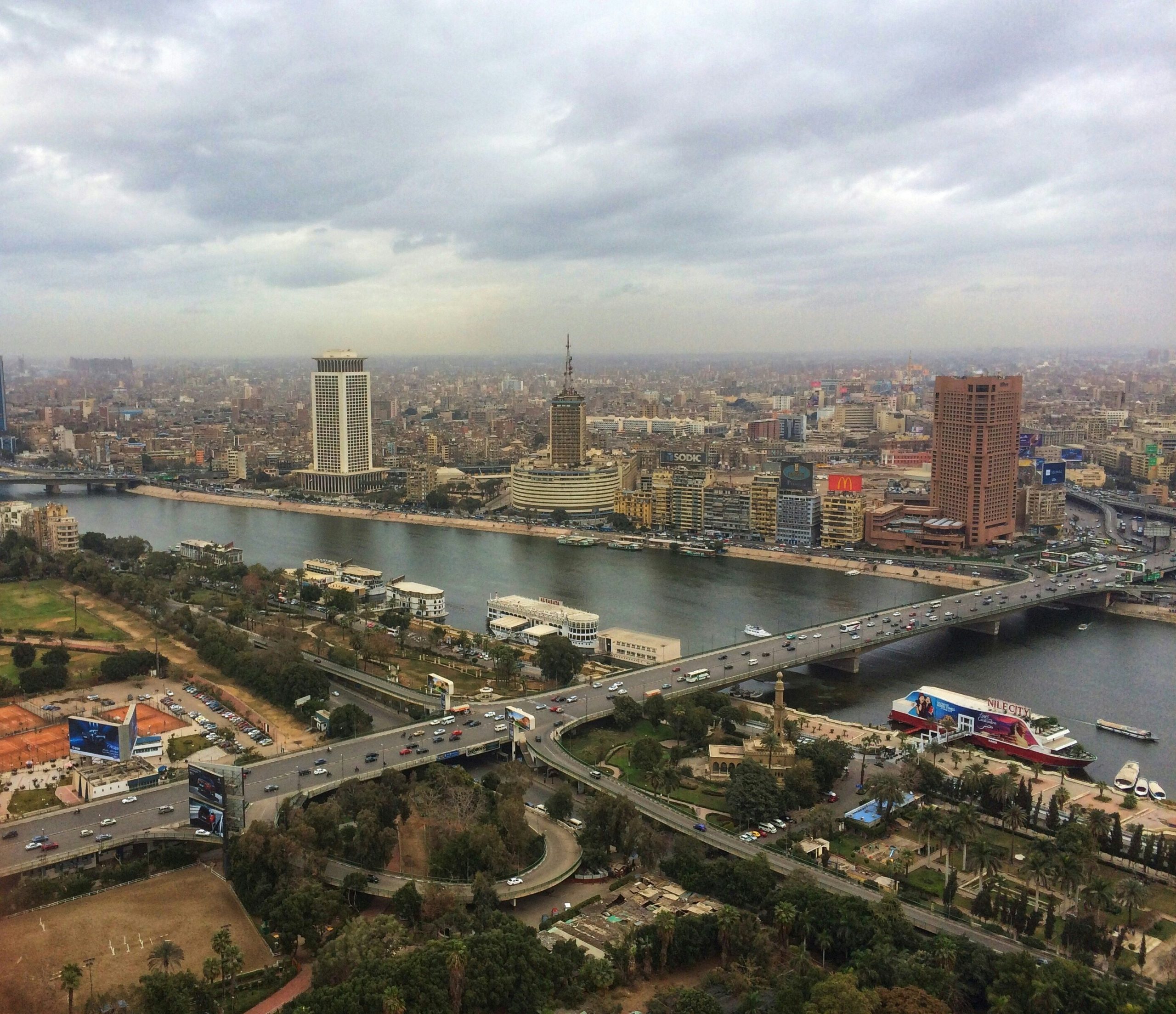
Most Egypt holiday packages start in Cairo, where the Pyramids of Giza, the Sphinx and the Grand Egyptian Museum bring ancient history to life. Leave time for Khan el-Khalili, too. Further south, a Nile cruise between Luxor and Aswan takes you to Karnak Temple, the Valley of the Kings and Philae Temple. You can also visit Abu Simbel to see Ramses II’s temples carved into the rock.

When you’re ready to take a break, head to Hurghada or Sharm El-Sheikh for snorkelling and diving activities. White Trails’ curated Egypt tour packages bring these experiences together in an itinerary that leaves room to enjoy each stop.

Places to Visit

Egypt’s best-known sights fall into a few natural stops: the plateau at Giza, the temples along the Nile, the Mediterranean at Alexandria, the Red Sea coast and one remote oasis. These stops anchor most well-planned Egypt tour packages.

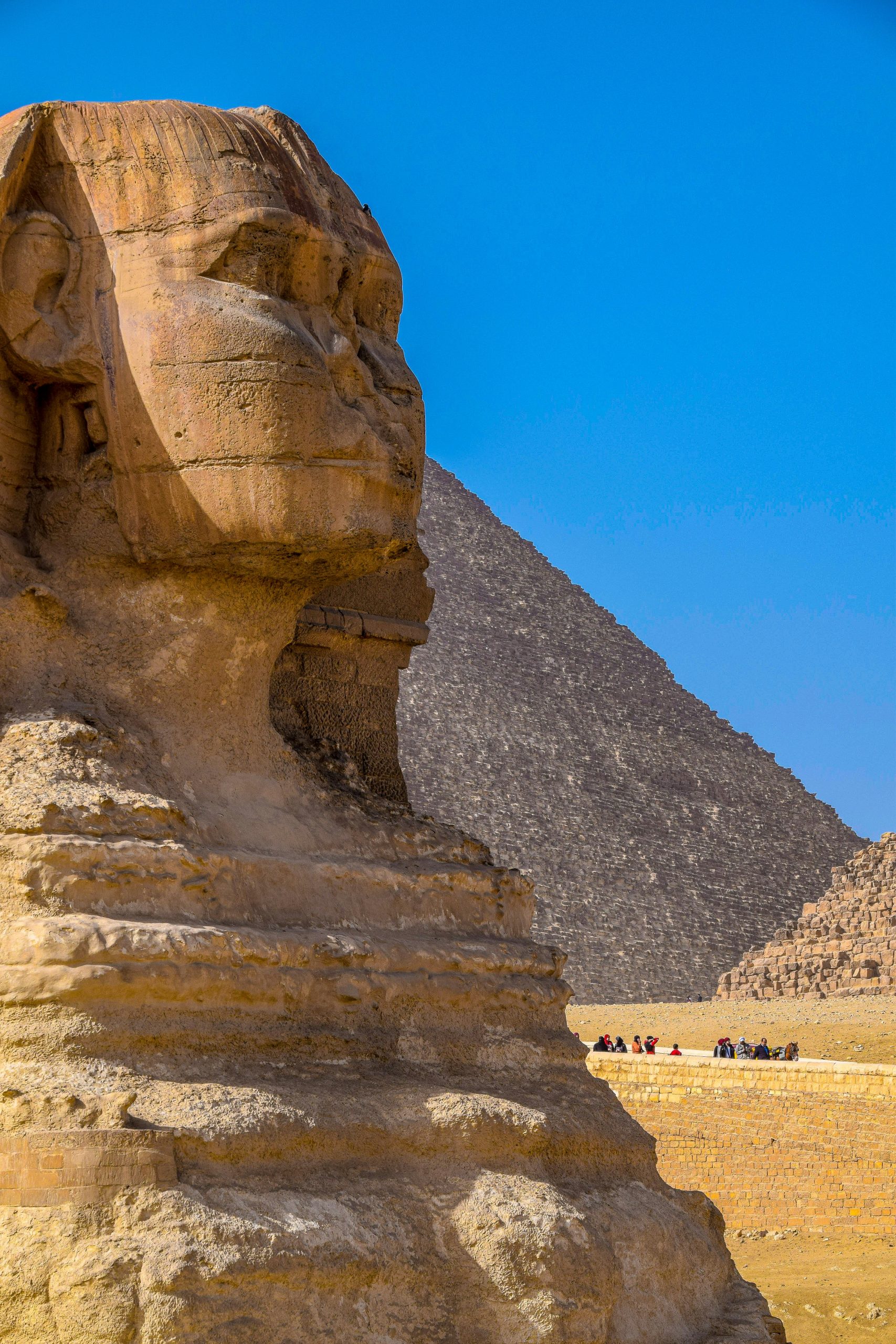
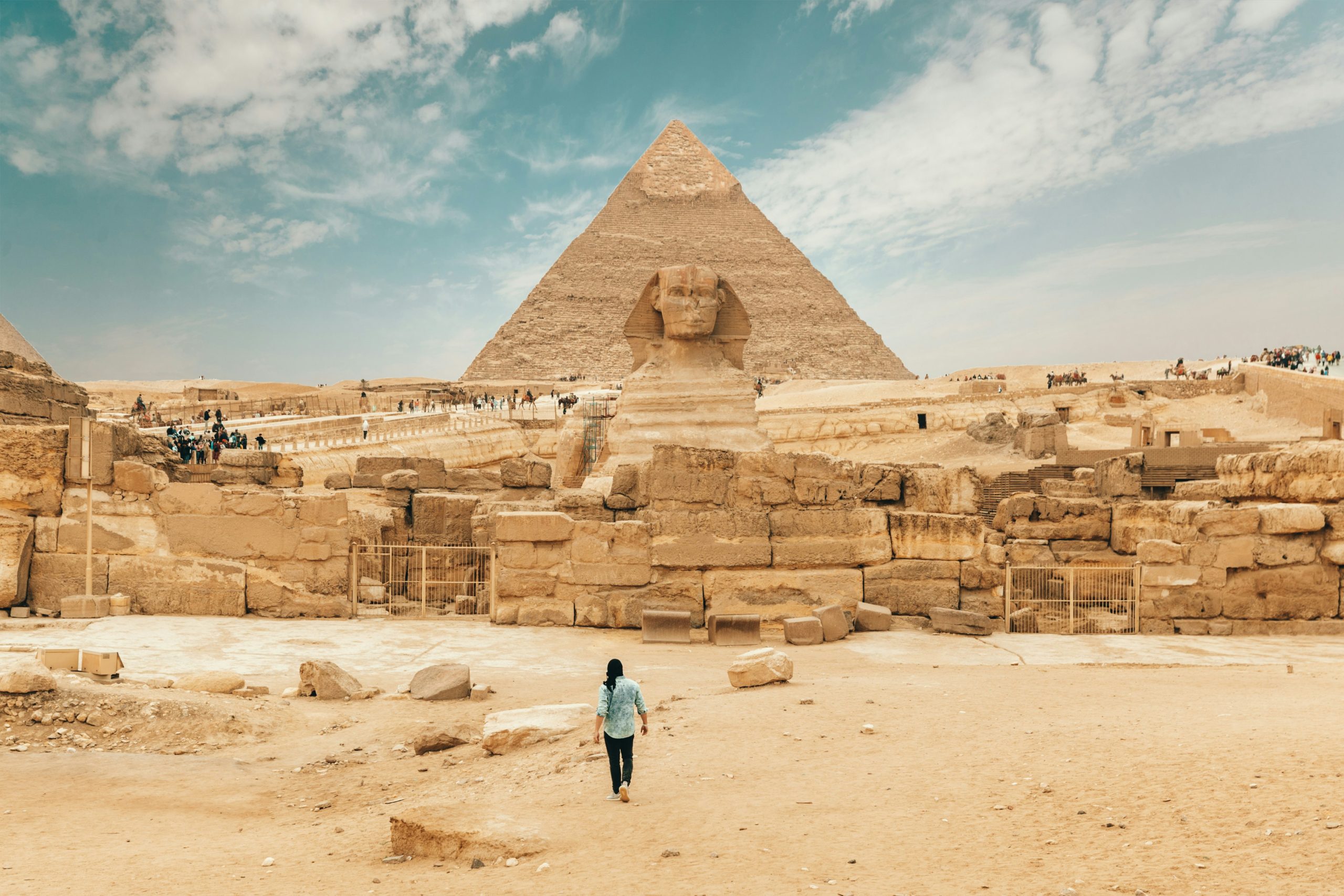
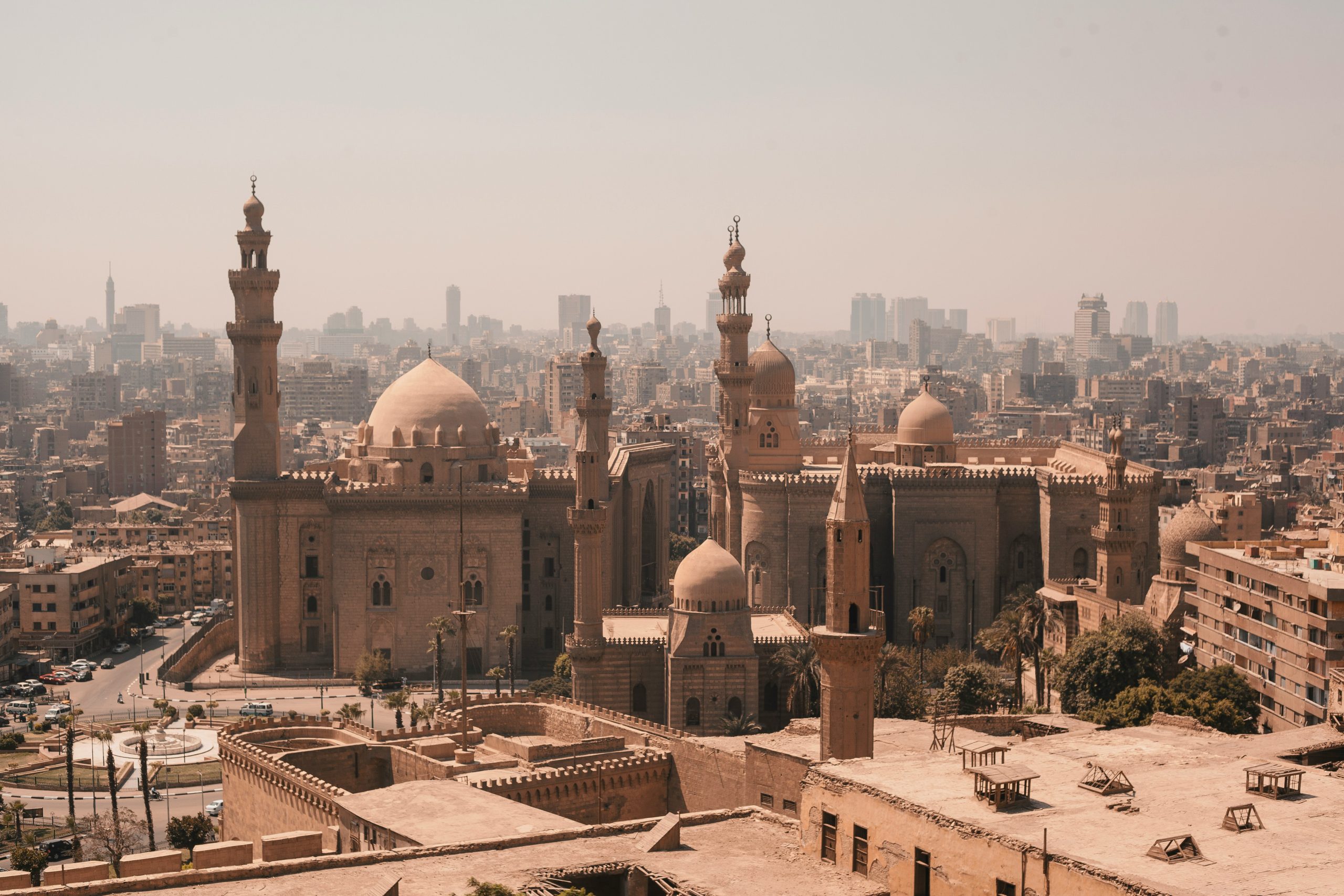
The Giza Plateau, just outside Cairo, is home to the three famous pyramids built for Khufu, Khafre and Menkaure, with the Great Sphinx close by. Back in the city, Historic Cairo, a UNESCO World Heritage Site, brings together centuries-old mosques, churches and winding streets. Head up to the medieval Citadel of Cairo to visit the Mosque of Muhammad Ali and take in the city views. At El- Tahrir Square, the Egyptian Museum still holds an impressive collection of ancient artefacts, though many famous pieces have moved to the Grand Egyptian Museum. Save some time for Khan el-Khalili Bazaar, where you can browse jewellery and souvenirs before settling into a traditional café.

Experience Egypt’s ancient wonders with a curated Egypt tourism itinerary from White Trails.
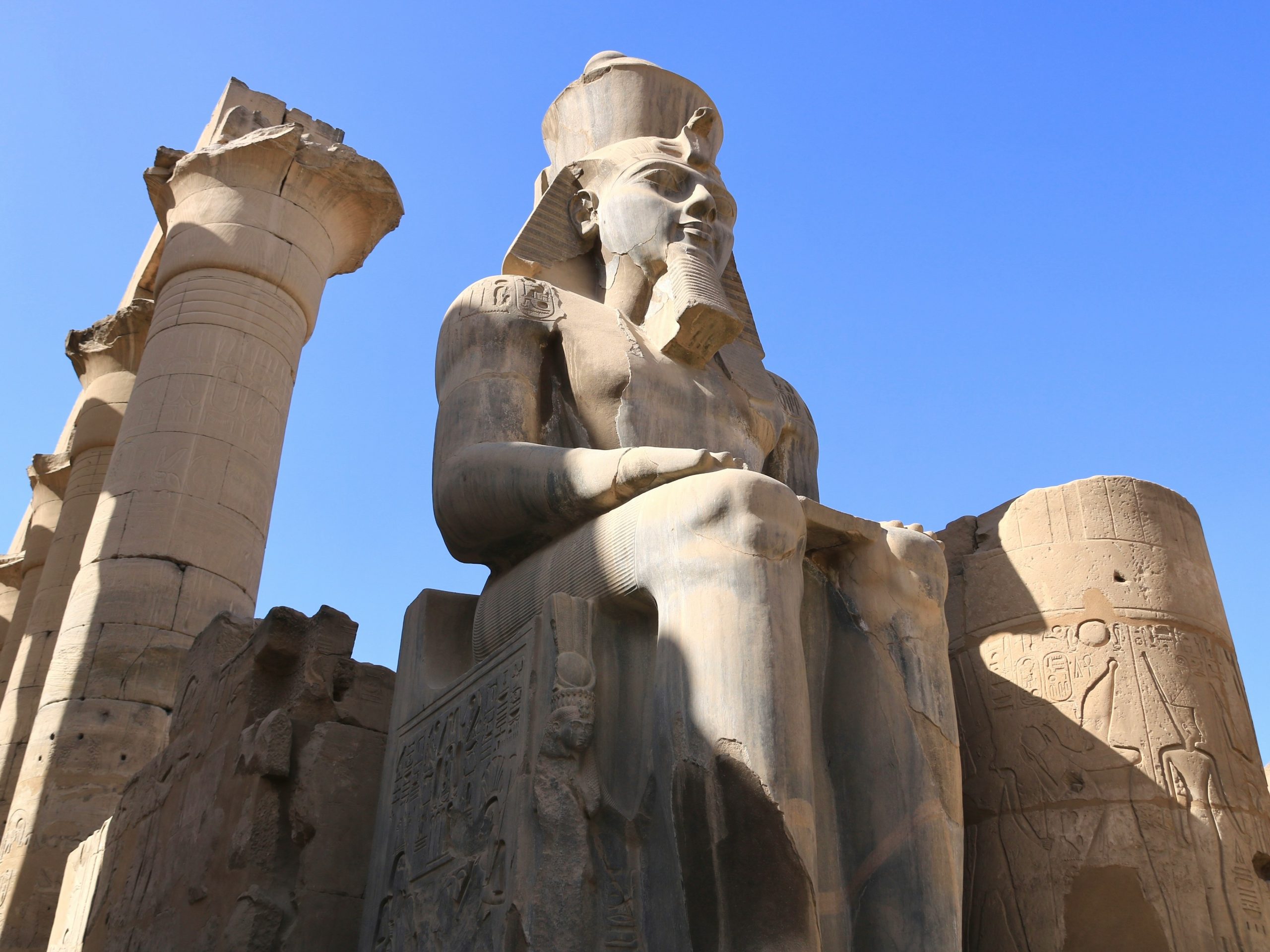
Luxor straddles the Nile, each with its own share of ancient wonders. On the East Bank, Karnak Temple’s towering columns and Luxor Temple’s grand courtyards are well worth your time. Cross to the West Bank to scout through the Valley of the Kings, where regal tombs include the resting place of Tutankhamun. A guided Luxor tour helps you cover both banks, while a sunrise hot air balloon ride offers a bird’s-eye view of temples, tombs and the Nile Valley below.

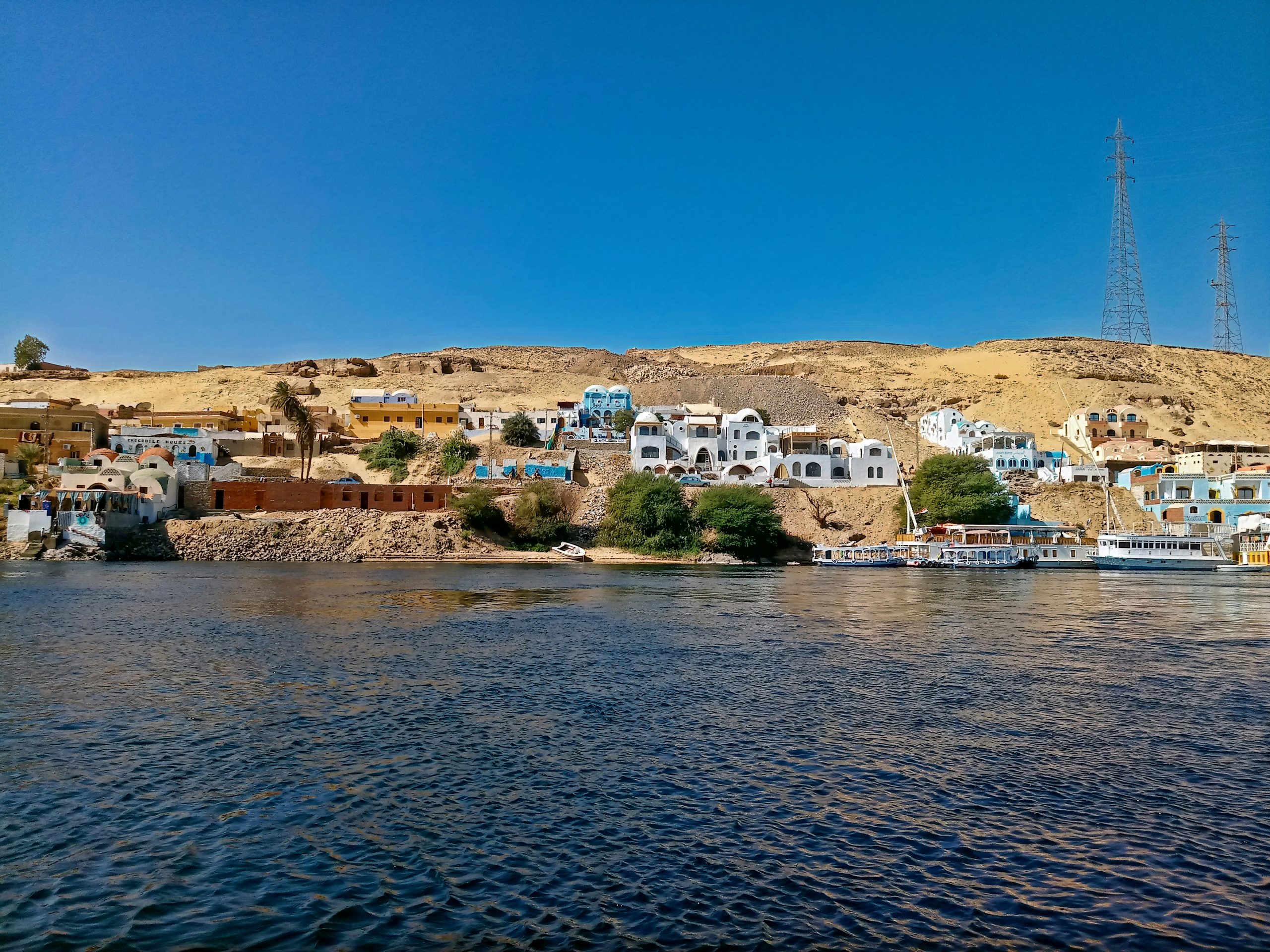
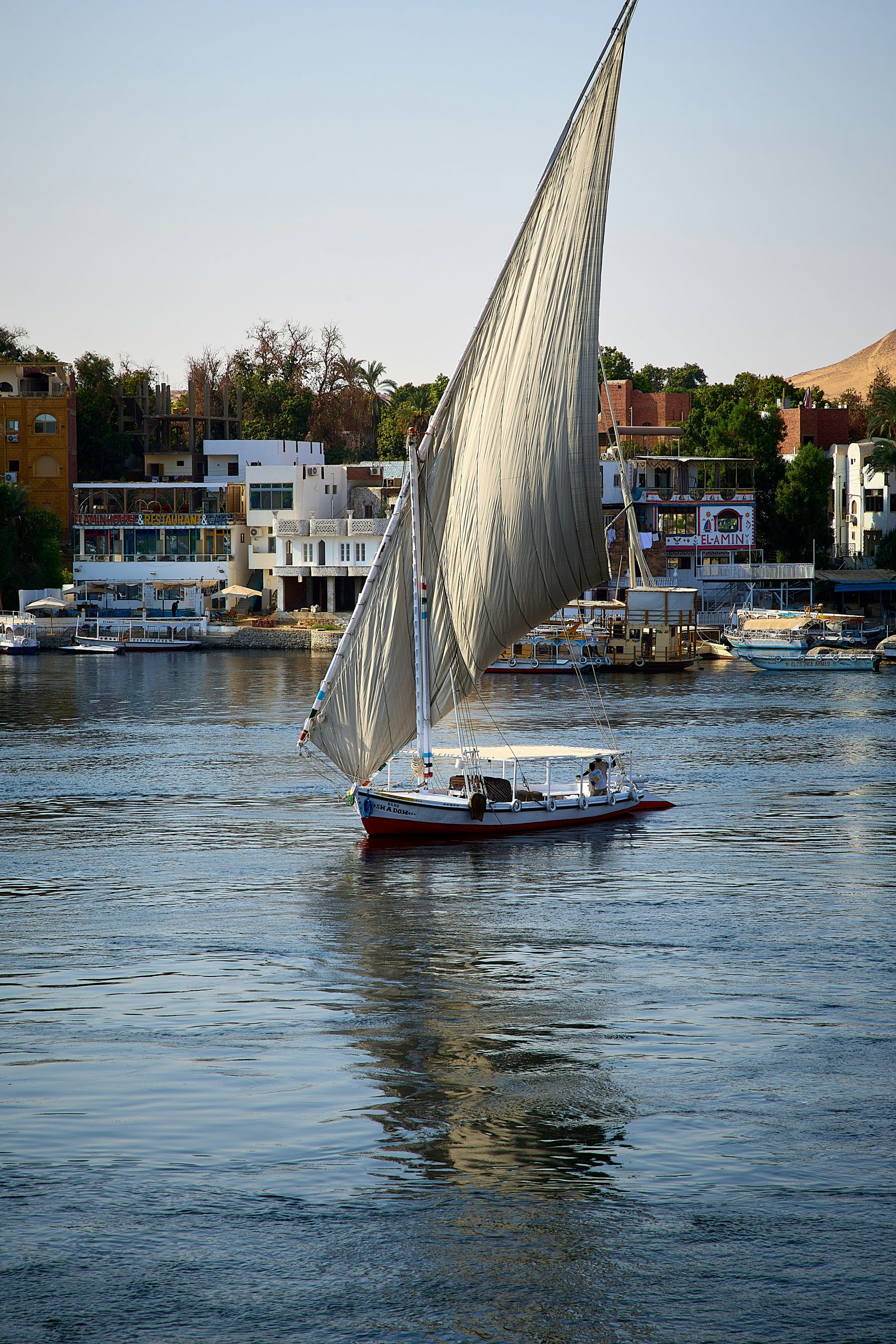
Aswan sits along one of the Nile’s most scenic stretches, with granite islands breaking up the river and feluccas sailing between them. The Aswan High Dam and Philae Temple are major stops, while the Unfinished Obelisk offers a look at ancient stoneworking. Aswan is also an important centre of Nubian culture. Visit Elephantine Island or a nearby Nubian village to see colourful homes and learn about the traditions of communities with deep roots in southern Egypt.

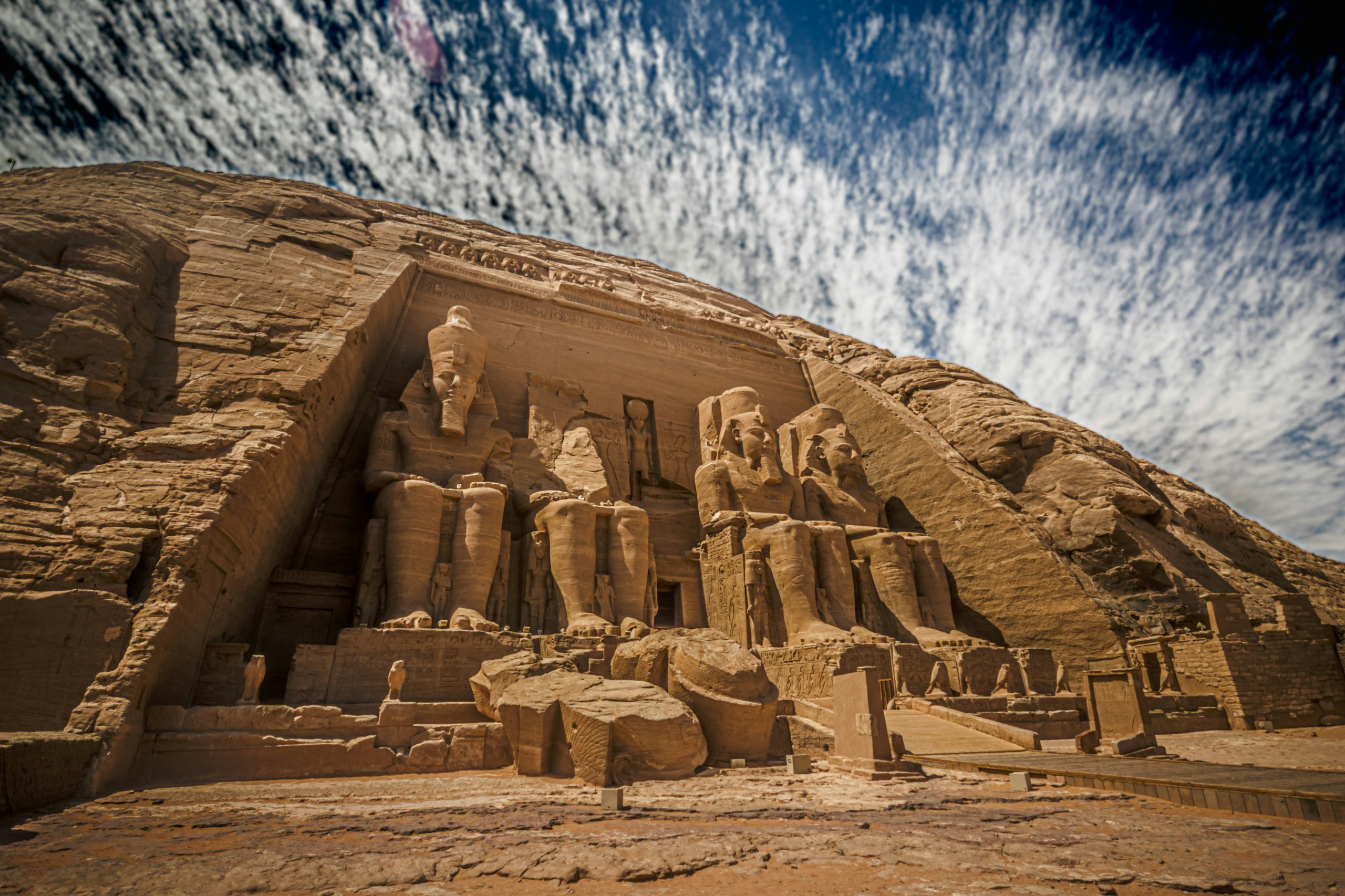
Sitting close to Egypt’s southern border, Abu Simbel is usually a 3.5-hour drive each way from Aswan, so set aside most of the day for the trip. Four enormous statues of Ramses II stand guard outside the main temple, while the smaller one nearby was built in honour of Queen Nefertari. Inside, the walls are covered with carvings showing ceremonies and royal victories. In the 1960s, both temples were moved to higher ground to save them from the rising waters of Lake Nasser. They now form part of the UNESCO-listed Nubian Monuments. Get there early to explore before the tour groups arrive.

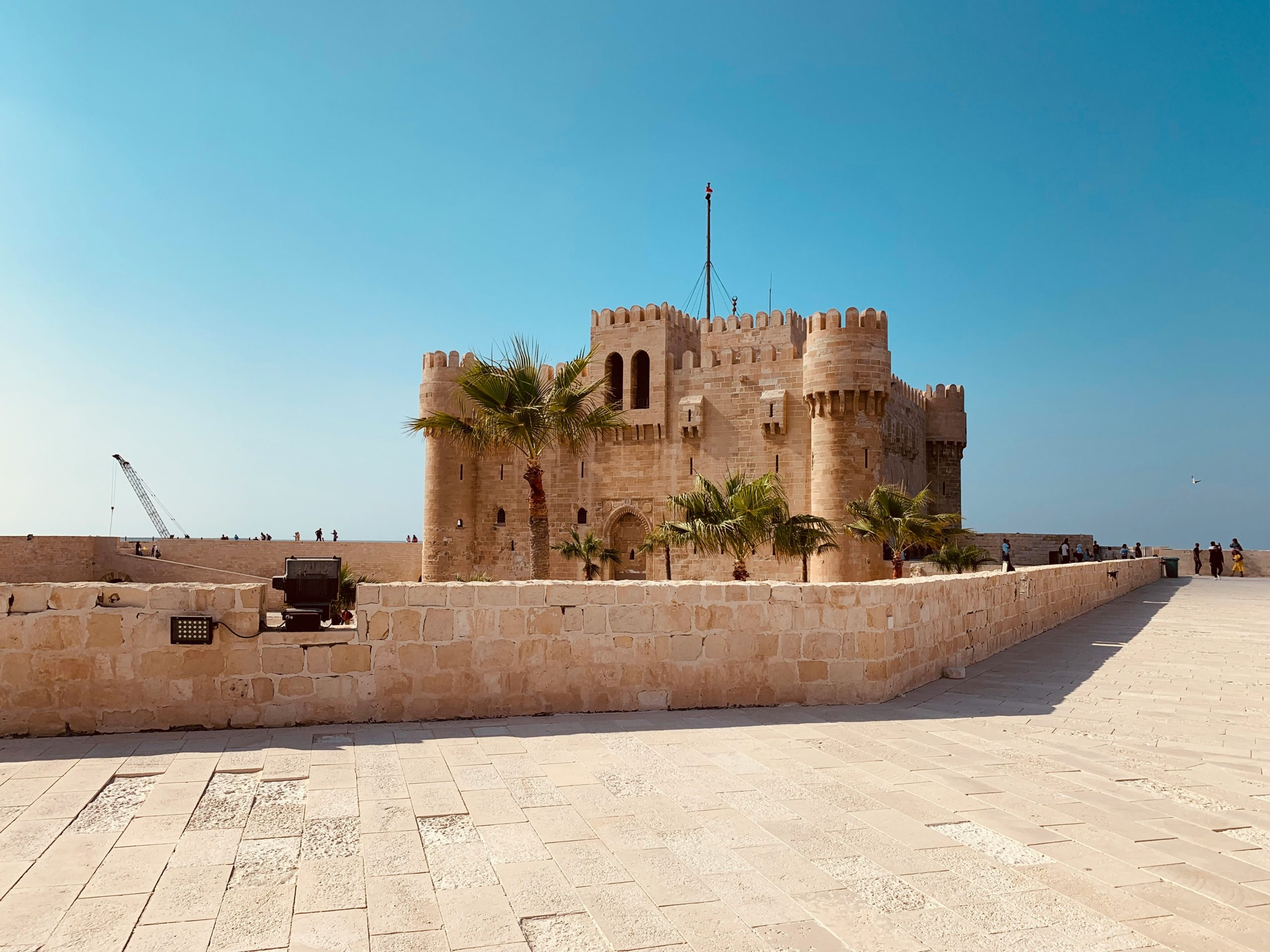
Alexandria has stories at every turn, from its days as a centre of ancient learning to its time as a Mediterranean port. The Bibliotheca Alexandrina carries the legacy of the city’s famous ancient library, while the Citadel of Qaitbay stands on the site of the Lighthouse of Alexandria, once one of the Seven Wonders of the Ancient World. For a glimpse of life and death in Roman-era Egypt, descend into the Catacombs of Kom El Shoqafa, where Egyptian, Greek and Roman influences meet in the tombs’ carvings and artwork. Come in spring or autumn, when the sea air makes exploring the city far more pleasant.

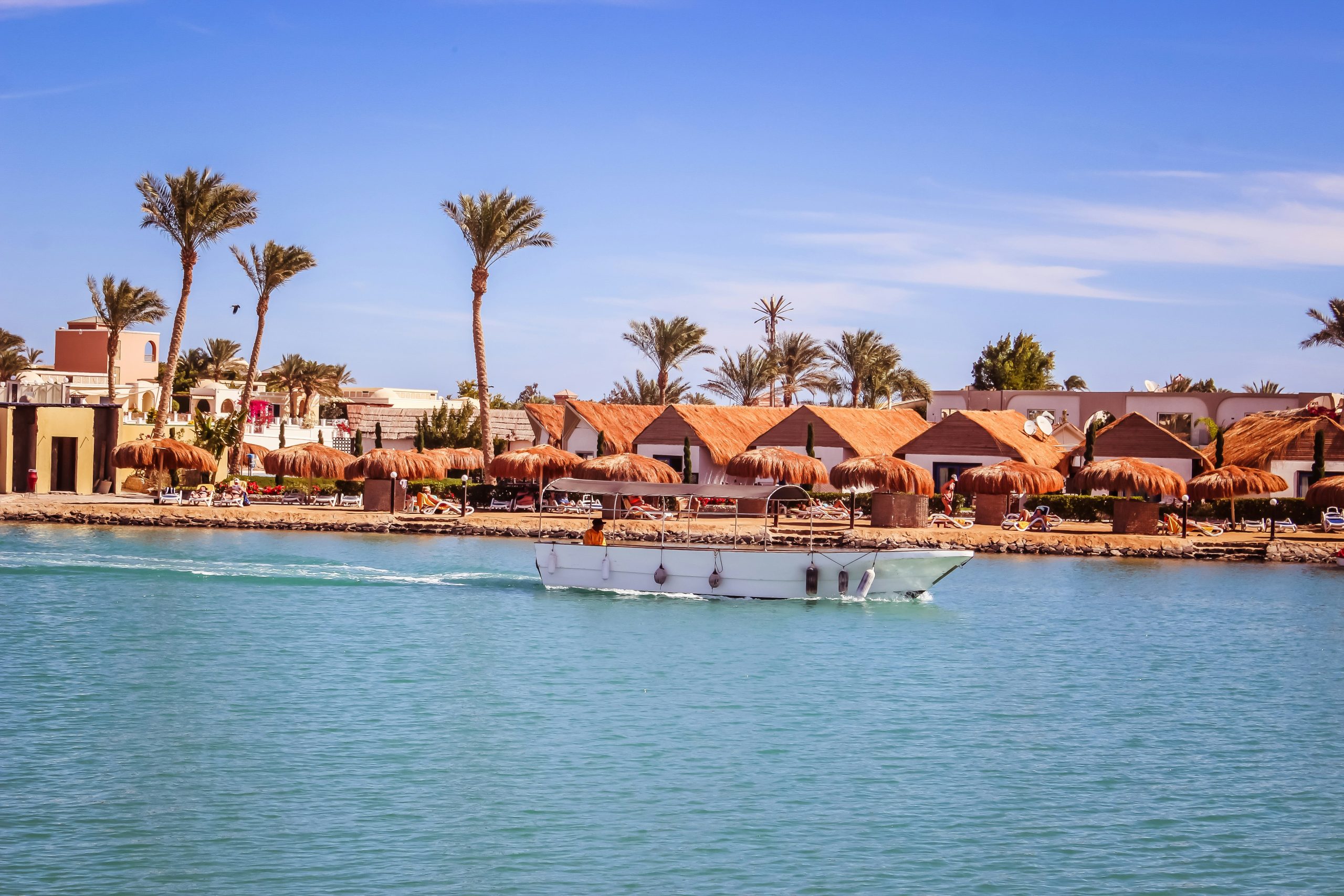
Hurghada is where Egypt’s ancient sights give way to days by the Red Sea. Once a small fishing village, it now stretches for around 40 kilometres along the coast, with sandy beaches and resorts lined right by the water. The calm shallows make it a good choice for families and anyone trying snorkelling for the first time. If you’re planning your Egypt tourism itinerary around both sightseeing and some time by the sea, Hurghada makes a handy place to slow down after Cairo’s busy streets and the temples of the Nile Valley.

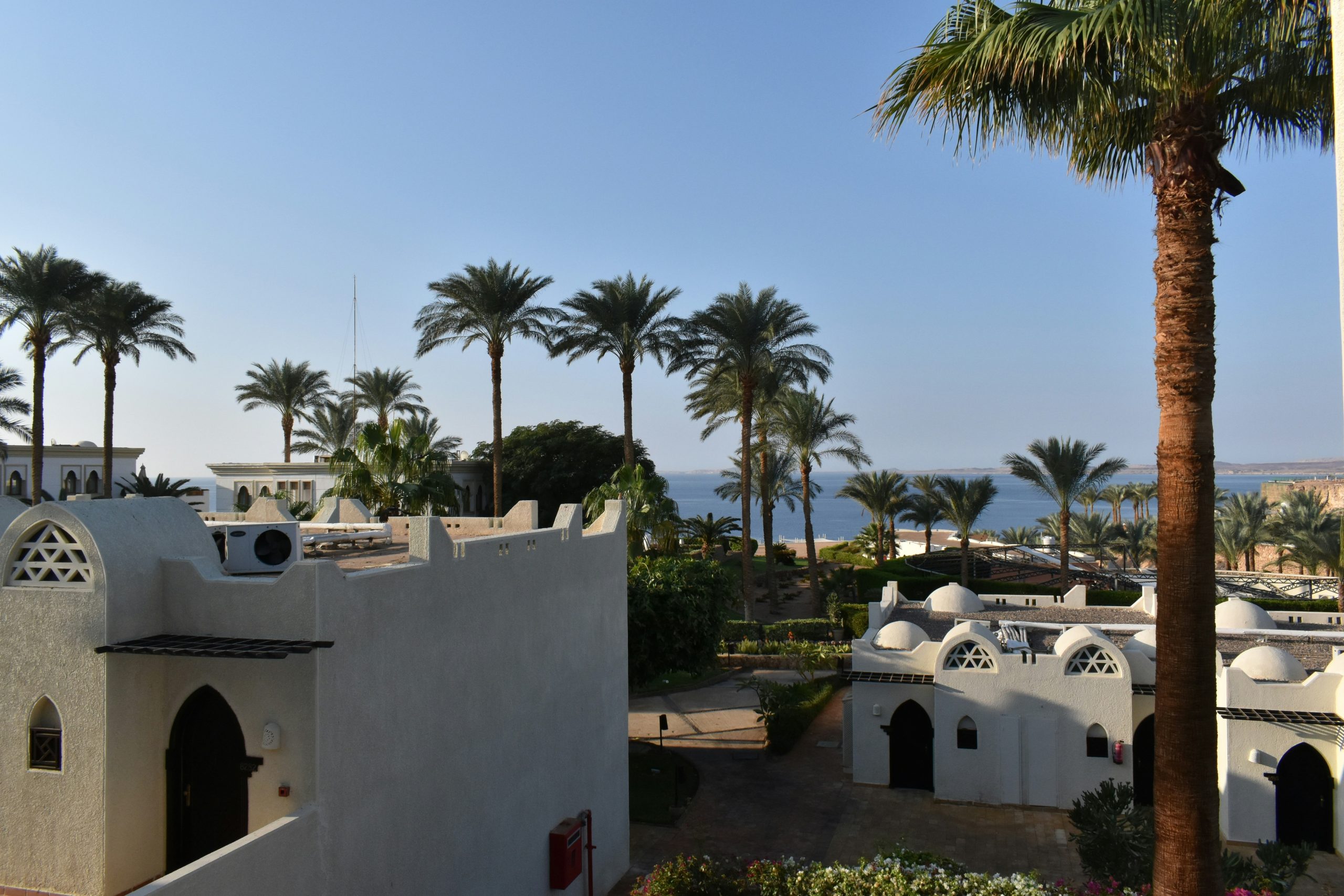
Sharm El-Sheikh is all about what lies beneath the Red Sea. Many resorts have reefs just offshore, so you can go from the jetty to the water without travelling far. For more underwater exploration, head to Ras Mohamed Nature Reserve or the Straits of Tiran, known for their rich marine life and dive sites. Experienced divers can also explore the SS Thistlegorm, a World War II shipwreck. If you’re choosing between the two Red Sea resorts, Hurghada suits families and first-time snorkellers, while Sharm El-Sheikh puts some of Egypt’s best-known dive sites within easier reach.

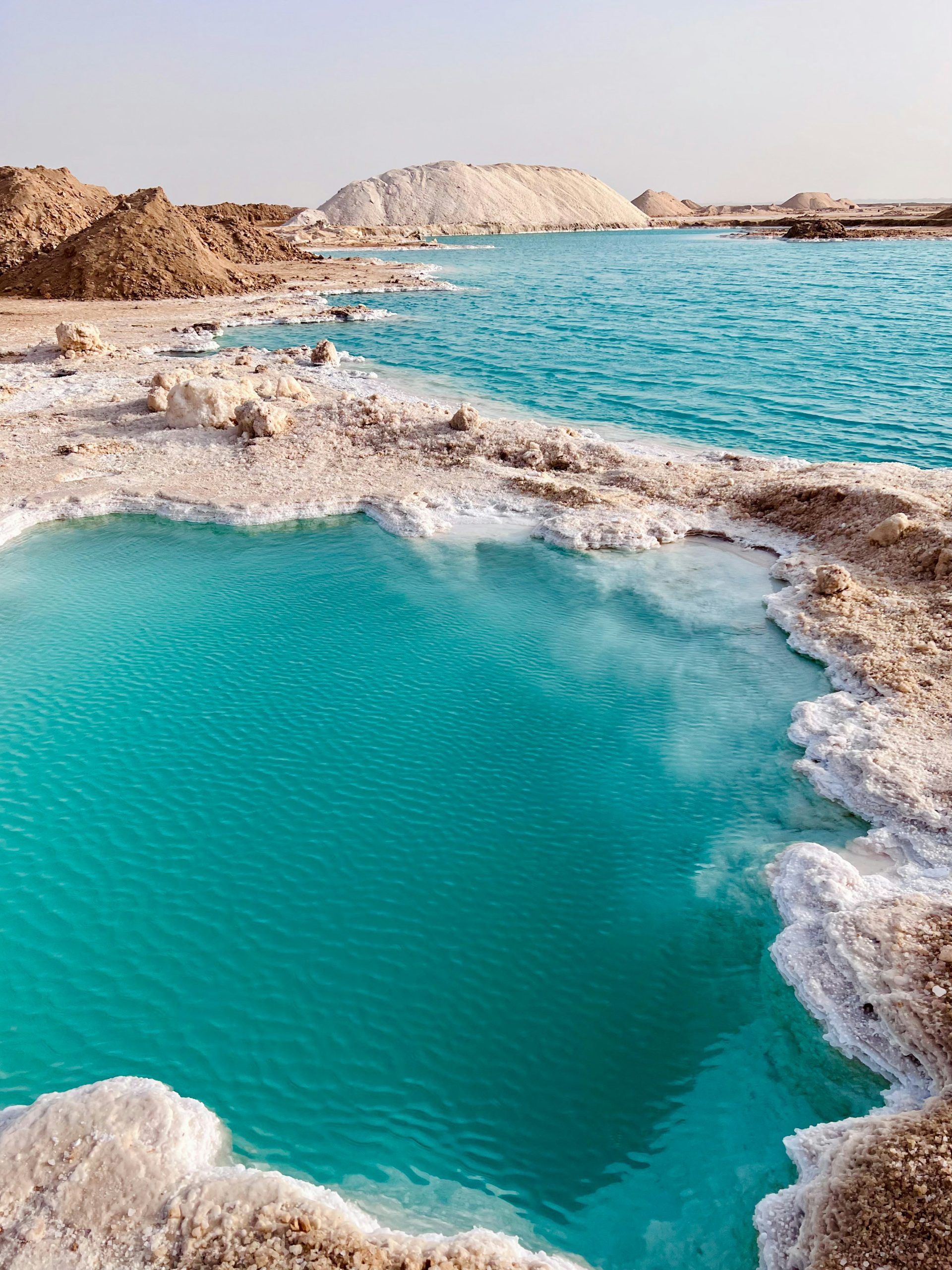
Siwa is a long drive from Cairo, but it offers something quite different from Egypt’s better-known stops. Close to the Libyan border, the oasis has a strong Amazigh heritage, and Siwi is still spoken alongside Arabic. The Temple of the Oracle, where Alexander the Great sought guidance from Amun’s oracle, is one of its most storied sites. Cleopatra’s Spring is another popular stop, while trips into the Great Sand Sea take you out to towering dunes for 4×4 drives and sandboarding. Explore Siwa for at least two nights, so you have time for the old town and the desert beyond it.

Best Time to Visit Egypt

Egypt is a year-round destination, but the weather can make a big difference to your plans. The best time to visit Egypt is usually between October and April, when cooler days make exploring temples and tombs easier.

Peak Season

October to April 18°C to 25°C

Dry, pleasant days, cooler nights and more visitors.

This is the most comfortable time to explore Egypt’s temples and tombs, with pleasant days and cooler evenings. December and January are especially busy, so book hotels and Nile cruises early. If you’re visiting in February or October, you may also catch the Abu Simbel Sun Festival.

Moderate Season

May to June 30°C to 40°C

Hot, dry and generally less crowded.

By May, the heat is building, especially in Luxor and Aswan. You may find better availability at hotels and on Nile cruises than during the winter rush, but sightseeing needs more planning. Start temple visits early, carry lots of water and leave the hottest part of the afternoon for lunch or a break indoors. Cairo can also be hot, though conditions vary across the country.

Off Season

July to September 40°C to 45°C

Very hot inland, with beach holidays still popular on the Red Sea.

Summer temperatures can soar in Luxor and Aswan, so plan temple visits for early morning and avoid being outdoors during the hottest part of the day. If you’re travelling on a budget, you may find better hotel deals. Along the Red Sea, Hurghada and Sharm El-Sheikh remain popular for diving and snorkelling.

Top Things to Do in Egypt

Egypt deserves more than a quick stop at the pyramids. Spend time exploring ancient tombs, sail the Nile between temple towns and head to the Red Sea when you’re ready for a change of pace. If you’re planning to take an Egypt holiday package, these experiences will help you make the most of your time.

Explore the Giza Pyramids and Grand Egyptian Museum

You’ve probably seen the pyramids countless times, but nothing quite prepares you for the Great Pyramid of Khufu up close. With the Great Sphinx just a short walk away, it’s worth taking a moment to look beyond the famous profile to the details carved into the stone. Make time for the Grand Egyptian Museum as well, particularly the collection of treasures found in Tutankhamun’s tomb. The museum adds context to what you’ve seen at Giza, so visiting both in one day works well if you get an early start.

Explore the Giza Pyramids and Grand Egyptian Museum

Take a Nile Cruise Between Luxor and Aswan

A Nile cruise lets you see several of Upper Egypt’s major sights without changing hotels every night. Most itineraries between Luxor and Aswan last three or four nights, with guided stops at temples such as Edfu and Kom Ombo. You can also explore Karnak Temple and the Valley of the Kings in Luxor, along with Philae Temple near Aswan. Between excursions, watch the riverbanks pass by, with date palms, fields and villages appearing along the way. If you’d rather spend longer exploring each temple or tomb, stay in Luxor and Aswan for a few nights instead of relying solely on a cruise itinerary.

Take a Nile Cruise Between Luxor and Aswan

Ride a Felucca at Sunset in Aswan

When you’re in Aswan, set aside an hour for a ride on a felucca, the traditional wooden sailboats you’ll see along the river. Ask your boatman to take you around Elephantine Island or past the Aga Khan Mausoleum on the west bank. If you have time, you can also stop at Kitchener’s Island to visit its botanical garden. Late afternoon is a good time to go, when the sun is lower and the heat has eased. Take a light layer for the ride back if you’re out after sunset.

Ride a Felucca at Sunset in Aswan

See the Sun Festival at Abu Simbel

Twice a year, on February 22 and October 22, the rising sun reaches the inner sanctuary of Abu Simbel’s Great Temple, illuminating the statues of Ramses II and two gods while Ptah, associated with darkness, stays in shadow. This alignment was built into the temple more than 3,000 years ago. Visitors from all over the world arrive before sunrise to see it happen, making these dates particularly busy. If you’re planning a visit around the festival, book your transport and accommodation early, especially as Abu Simbel is several hours’ drive from Aswan.

See the Sun Festival at Abu Simbel

Discover Egypt’s Local Culture

Egyptian culture is best explored through its food, markets and festivals. Make time for these local favourites alongside the pyramids and temples.
Food

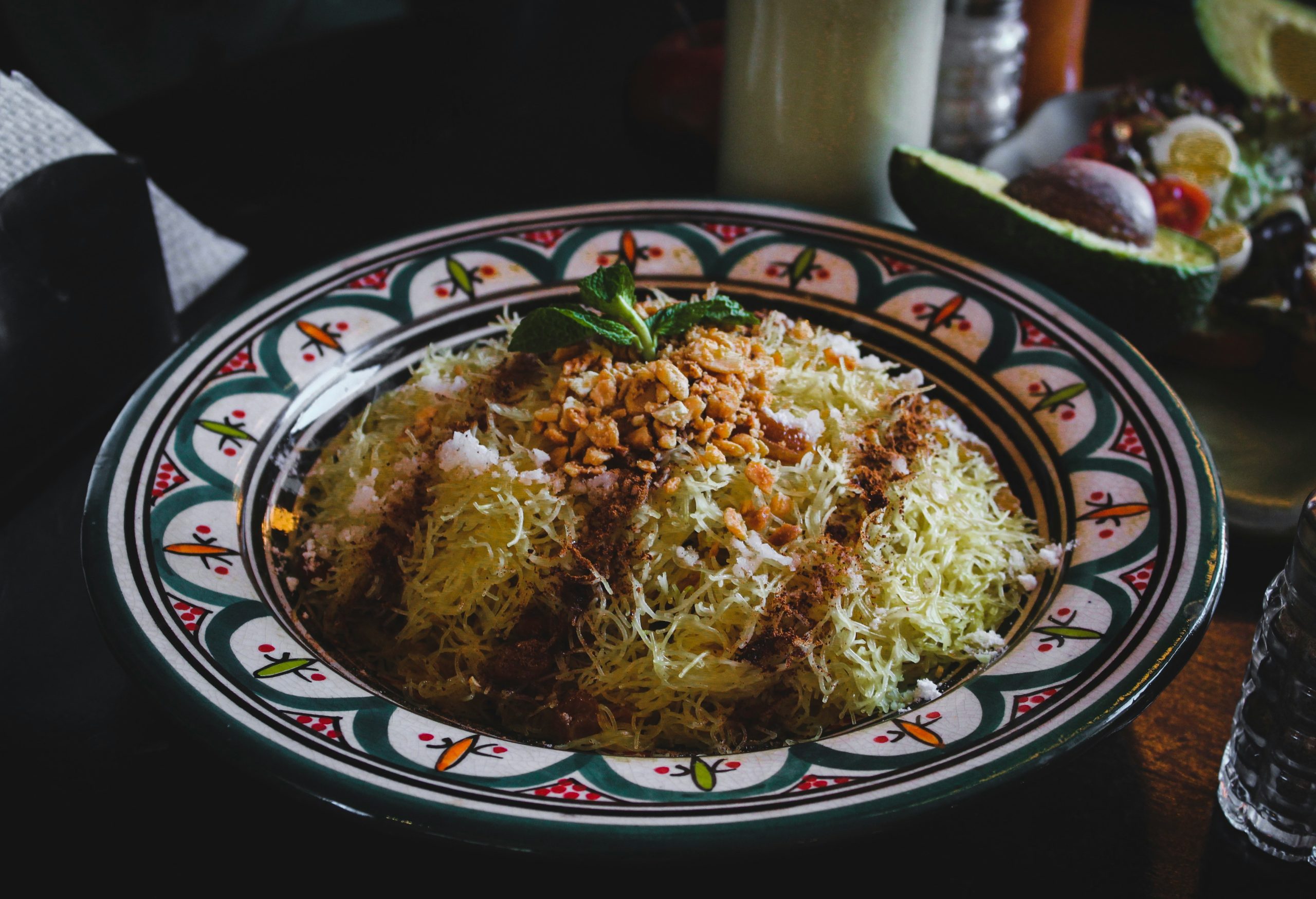
Start with koshari, a filling mix of rice, pasta, lentils, chickpeas and crispy onions topped with tomato sauce. For breakfast, try ful medames, slow-cooked fava beans served with warm flatbread, olive oil and lemon.

Festivals

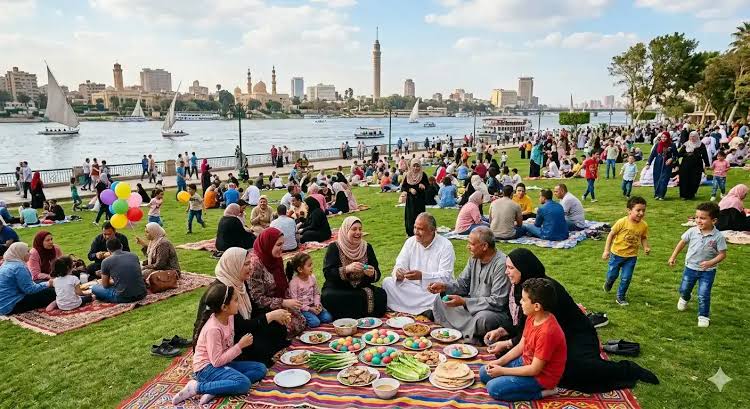
Sham El-Nessim welcomes spring on the Monday after Coptic Orthodox Easter. Families head to parks and picnic spots with coloured eggs, green onions, lupin beans and fesikh, a traditional salted, fermented fish.

Shopping

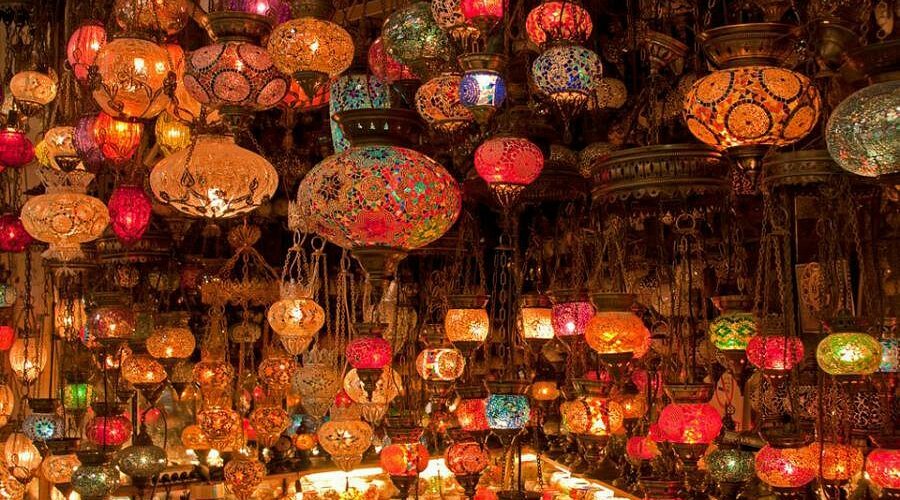
Head to Cairo’s Khan El Khalili Bazaar for spices, jewellery, lanterns and perfume oils. Bargaining is common, so make an offer politely and agree on the price before buying.

Travel Essentials for Your Egypt Trip

Before you book your Egypt holiday package, check the visa requirements, travel documents and practical details you’ll need for a comfortable trip.

If you’re travelling to Egypt on an Indian passport, check your visa requirements before booking your trip. You’ll generally need:

  • A passport valid for at least six months from your arrival date
  • At least one blank passport page for entry stamps
  • A tourist visa, obtained online or on arrival if you meet the eligibility conditions

Indian passport holders can apply for an eVisa through the official Egypt eVisa portal. Travellers holding a valid and previously used visa from the US, UK, Schengen Area, Canada, Japan, Australia or New Zealand may also qualify for a visa on arrival, subject to Egypt’s entry rules. Check the latest requirements before departure, as eligibility can vary.

Egypt uses the Egyptian pound (EGP). You can pay by card at many hotels and larger restaurants, but you’ll still need cash for smaller purchases.

  • Card payments: Major hotels, larger restaurants and shops generally accept credit and debit cards, though acceptance varies by business

  • Cash: Keep some Egyptian pounds handy for taxis, small shops, local markets and tips

  • ATMs: You can withdraw Egyptian pounds from ATMs in cities and major tourist areas. Check your bank’s foreign transaction and withdrawal fees before travelling

Egypt has domestic flights, trains and buses for travel between major destinations, while taxis and ride-hailing apps are useful within cities. In Cairo, the Metro is an affordable way to avoid road traffic. Trains connect Cairo with Luxor and Aswan, while a Nile cruise is a popular way to visit sights between the two cities.

Pack for warm days, plenty of walking and cooler evenings during the winter months:

  • Choose lightweight, breathable clothes and carry a light jacket for winter evenings or Nile cruises
  • Bring sunscreen, sunglasses and a hat for outdoor sightseeing
  • Pack comfortable walking shoes for exploring temples and archaeological sites
  • Egypt uses Type C and Type F sockets with a 220V supply, so check your devices and carry a compatible adapter
  • Keep clothes that cover your shoulders and knees for visits to mosques and religious sites

A few customs are worth knowing before you touch down in Egypt:

  • Tipping, known locally as baksheesh, is common for guides, drivers, hotel staff and other services
  • Keep small Egyptian pound notes handy for tips and small payments
  • Dress modestly during your visits to mosques and other religious sites
  • Ask permission before photographing people, and avoid taking pictures of children
  • If you’re visiting during Ramadan, be considerate about eating, drinking or smoking in public during the day

You can arrange mobile data before you leave or get a local SIM after landing in Egypt:

  • If your phone supports eSIM, buy a travel eSIM online before departure so you can connect when you arrive
  • For a local SIM, look for tourist packages from Vodafone, Orange, e& or WE at airport counters or official stores
  • Most hotels offer Wi-Fi, though the connection can be unreliable in some places

FAQs

Quick answers to the most common queries about travelling in Egypt.

Many tourists visit Egypt’s popular spots, including Cairo, Giza, Luxor, Aswan and the Red Sea resorts. As with any trip, keep an eye on your belongings in busy areas and follow local advice. Check your government’s latest travel advisory before you leave.

October to April is generally the most comfortable time to visit Egypt, with milder weather for sightseeing. Winter daytime temperatures vary by region, but Cairo, Luxor and Aswan often see temperatures around 15°C to 25°C.

A 7- to 8-day Egypt holiday package can cover Cairo and Giza, Luxor, Aswan and a Nile cruise. Allow extra days if you want to include Red Sea resorts or destinations such as Alexandria or Siwa.