Overview

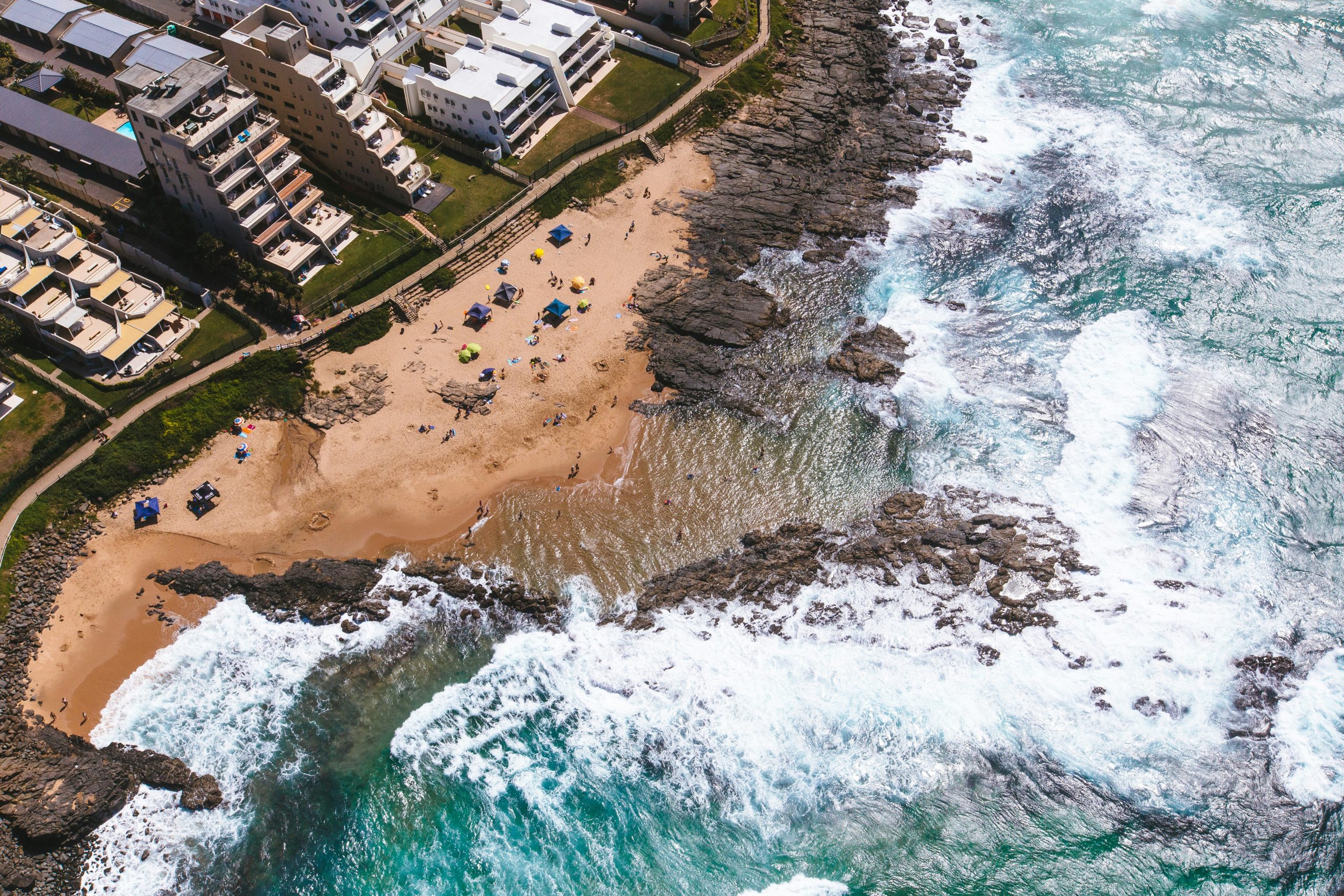
Imagine tracking lions hunting across the savannah, watching the waves roll in along Cape Town’s coast or spending an afternoon sampling wines in Stellenbosch. South Africa is a country where wildlife encounters, coastal escapes and lively city breaks can all fit into the same holiday.

A trip to South Africa can take you from the buzz of Cape Town to a sunrise safari in Kruger National Park, where the day might bring a sighting you’ll remember for years. When choosing places to visit in South Africa, think about the experiences you’d most enjoy, whether that means time in the wild or spending lazy afternoons by the coast.

With South Africa tour packages curated by White Trails, you can plan a holiday that matches your idea of adventure, whether that means heading out on an early morning safari or taking the scenic route along the coast. Your itinerary can leave room for the unexpected moments that often become the best part of a trip.

Places to Visit

South Africa is a country where the experience can change completely with every stop. Spend a few days exploring one region, and you might find yourself wanting to stay longer. Here are some of the best places to visit in South Africa, depending on what you’d love to experience on your trip.

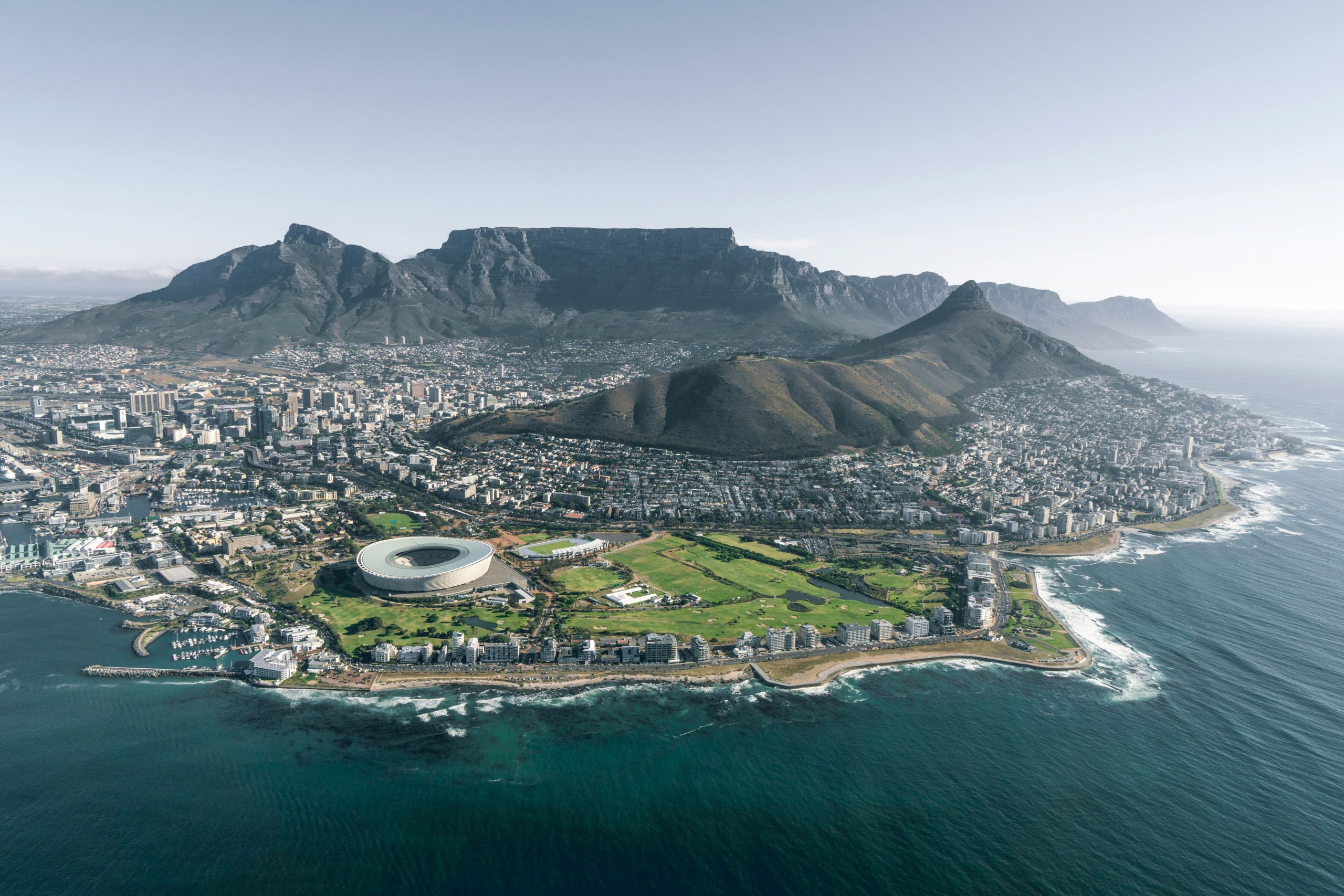
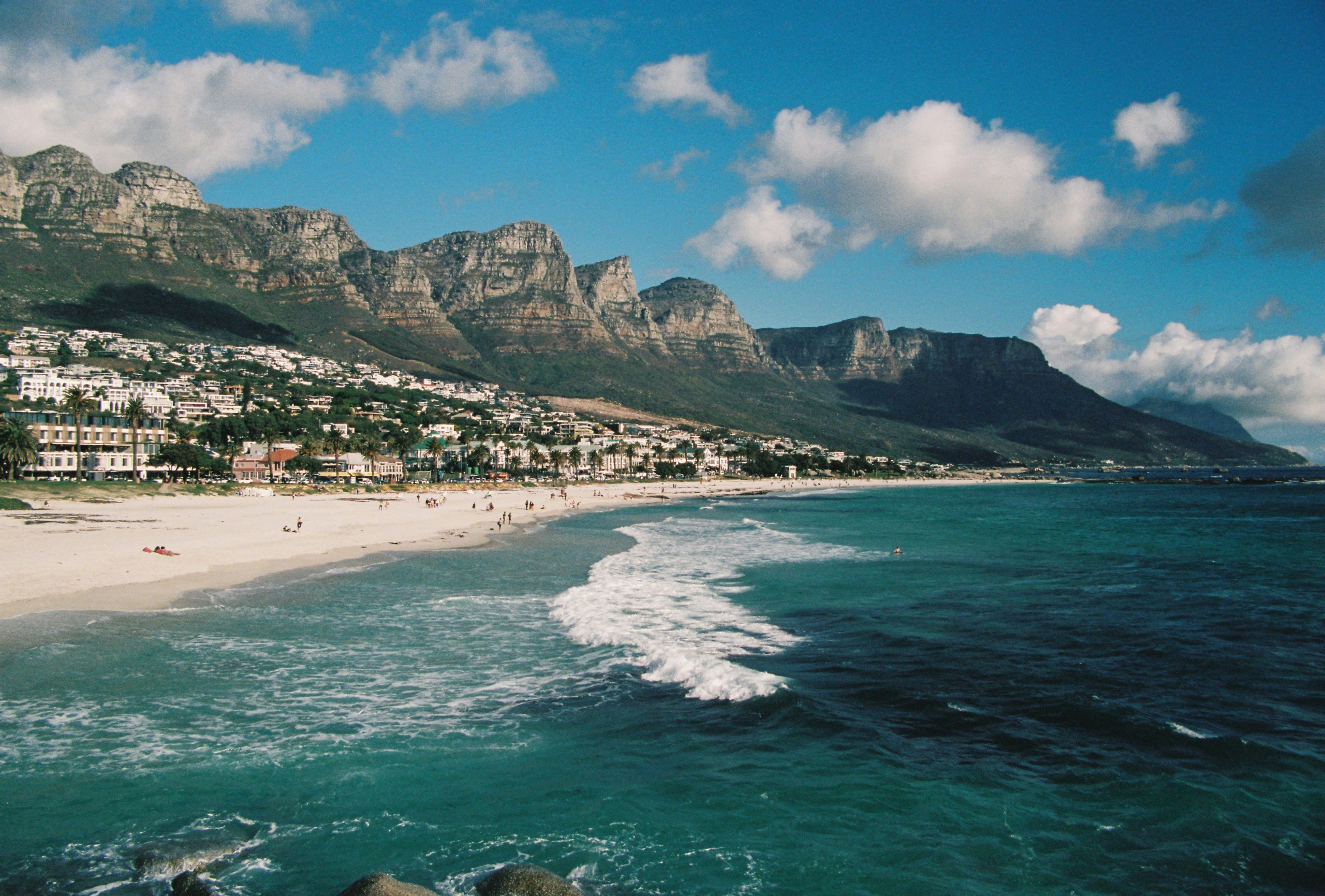
Cape Town has a little of everything, from mountain views to laid-back beach days. Take the cable car up Table Mountain for sweeping views, visit the penguins at Boulders Beach, or drive down to Cape Point. You can also wander through Bo-Kaap’s colourful streets and take a ferry ride to Robben Island, where Nelson Mandela was imprisoned. Plan for three to four nights to explore the town without rushing.

Our Cape Town tour packages make planning easier, with itineraries that cover the city’s highlights while leaving you time to enjoy it at your own pace.
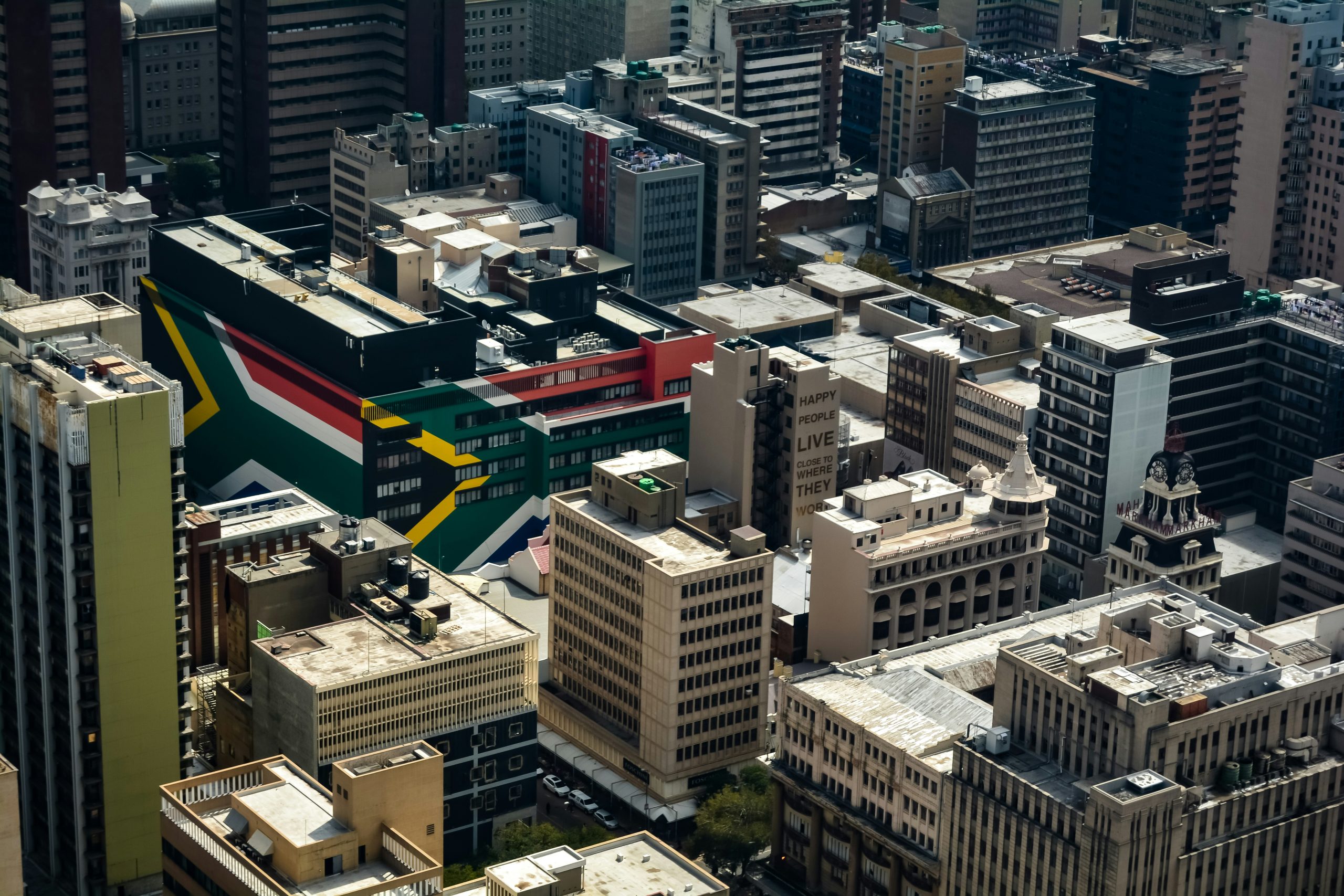
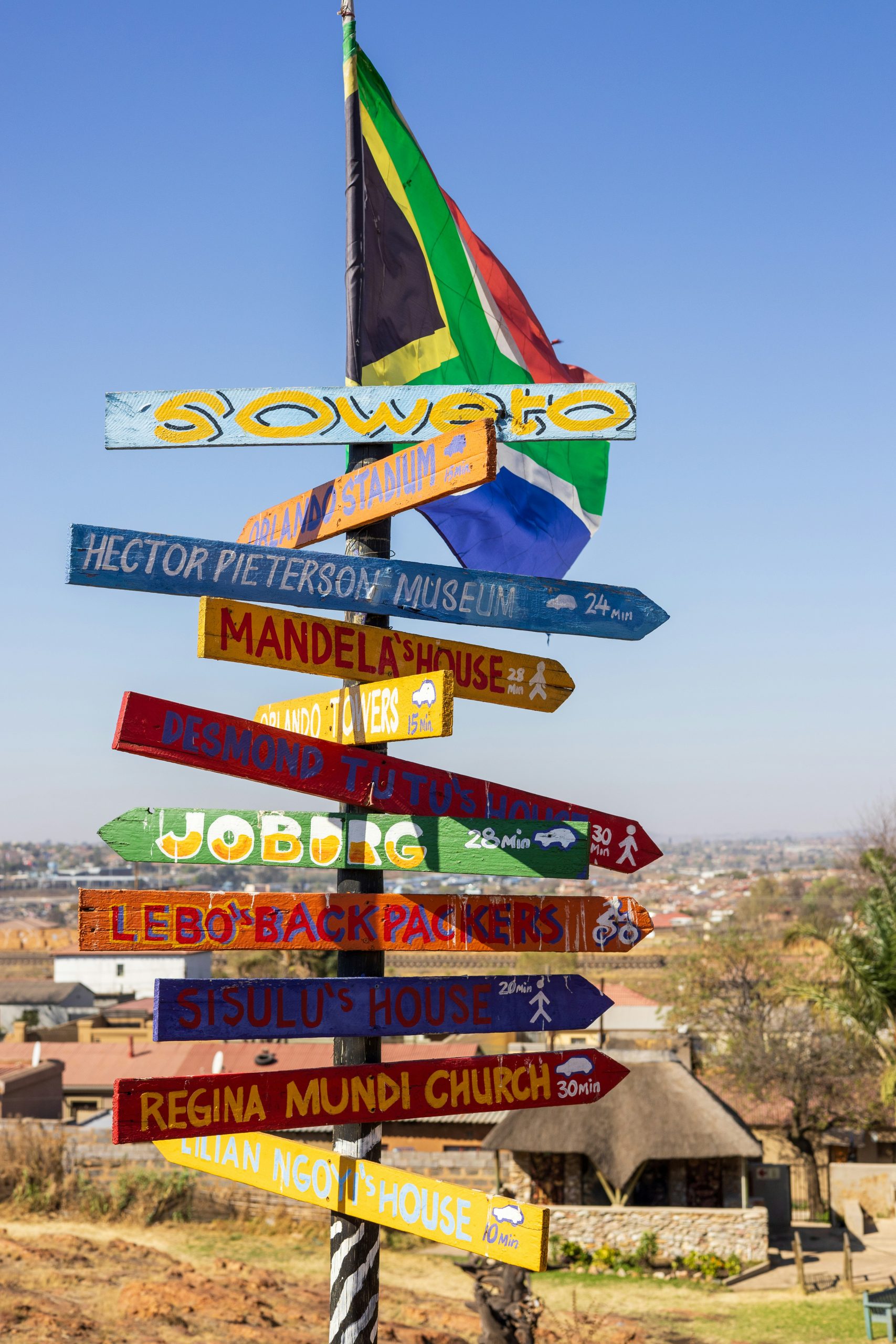
Feel Johannesburg’s energy in Maboneng, where street art and rooftop cafés give the neighbourhood its character. Visit the Apartheid Museum to learn about South Africa’s past, or join a Soweto tour to see Vilakazi Street, where Nelson Mandela once lived. As you explore the city, head an hour out to Pretoria to see the Union Buildings, set against leafy gardens. Spend a night or two here before swapping city streets for safari trails.

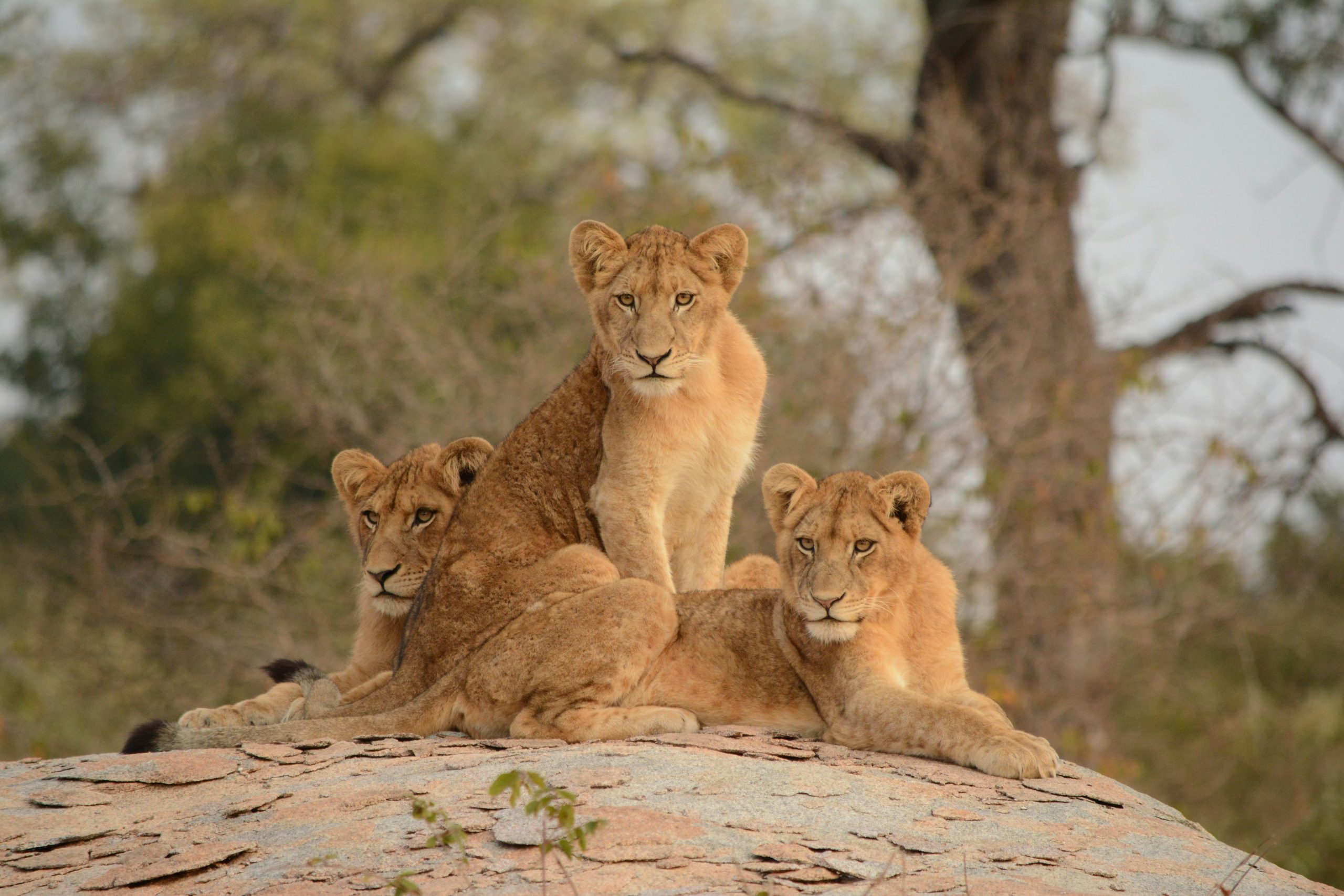
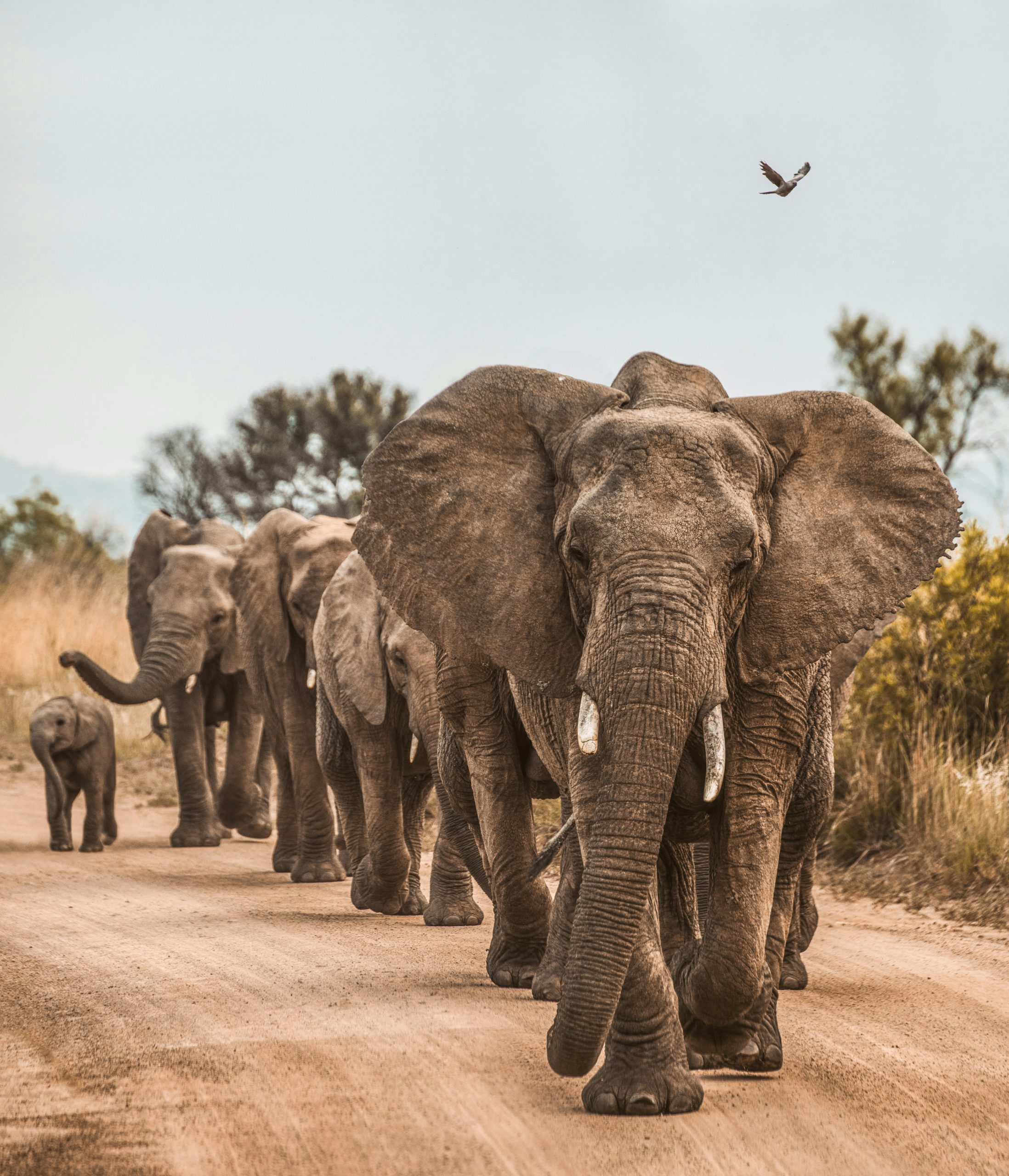
A safari in Kruger National Park starts early, often just as the first ray of sunlight hits the bush. Keep your eyes open for lions lounging in the grass, elephants ambling across the track or a leopard slipping between the trees. Spotting all of the Big Five, including rhinos and buffalo, could make quite a highlight. Plan for at least three nights, giving yourself a few chances to head out on safari and spot wildlife you might have missed the first time.

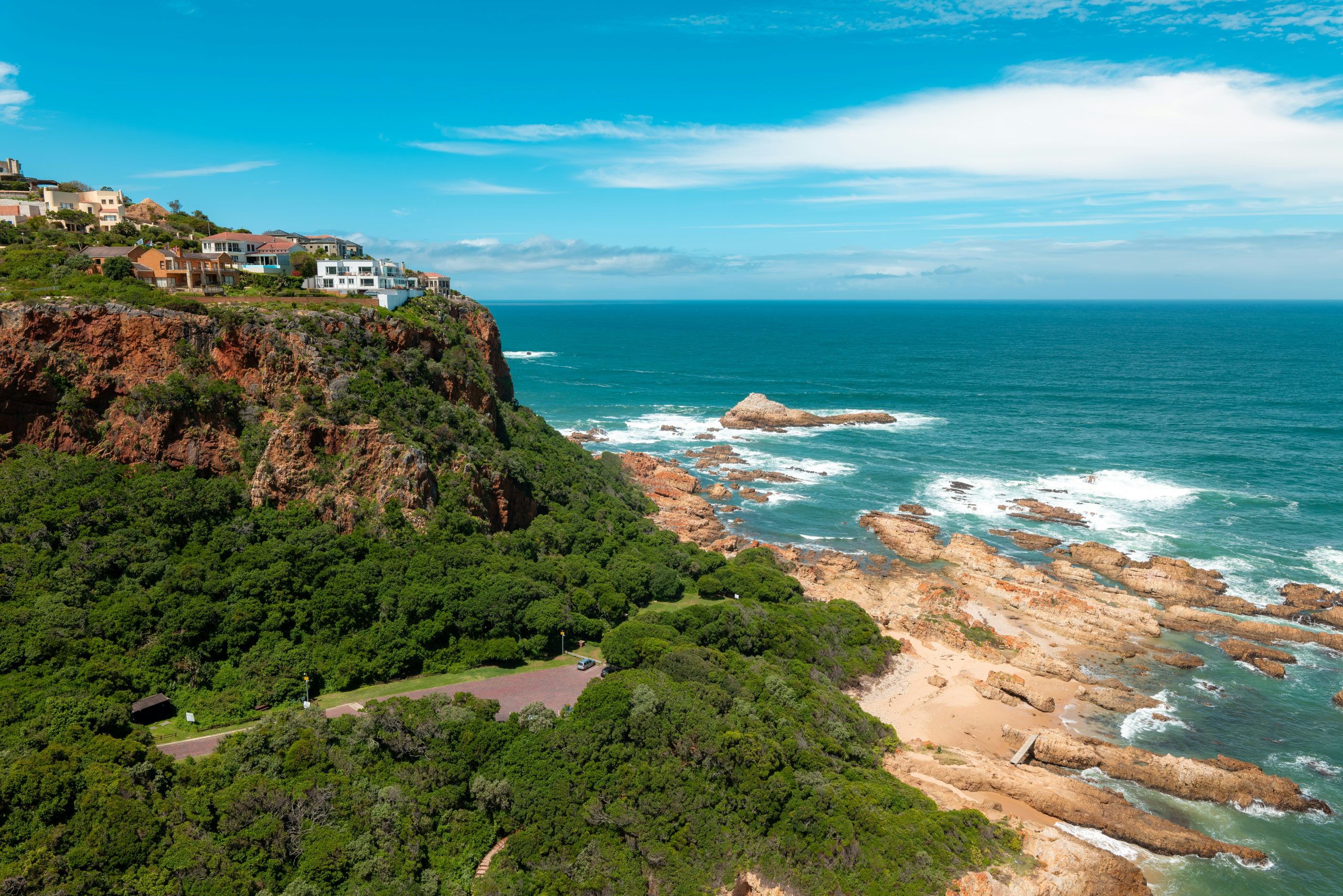
The best part of the Garden Route is that you never quite know what will tempt you to stop next. You might end up taking a boat out on Knysna Lagoon or spending longer than planned on Plettenberg Bay’s sandy beaches. At Tsitsikamma National Park, walk across the suspension bridge above Stormsrivier for a closer look at the rugged coastline. Set aside four to five days so you can take your time while you explore, rather than rushing from one stop to the next.

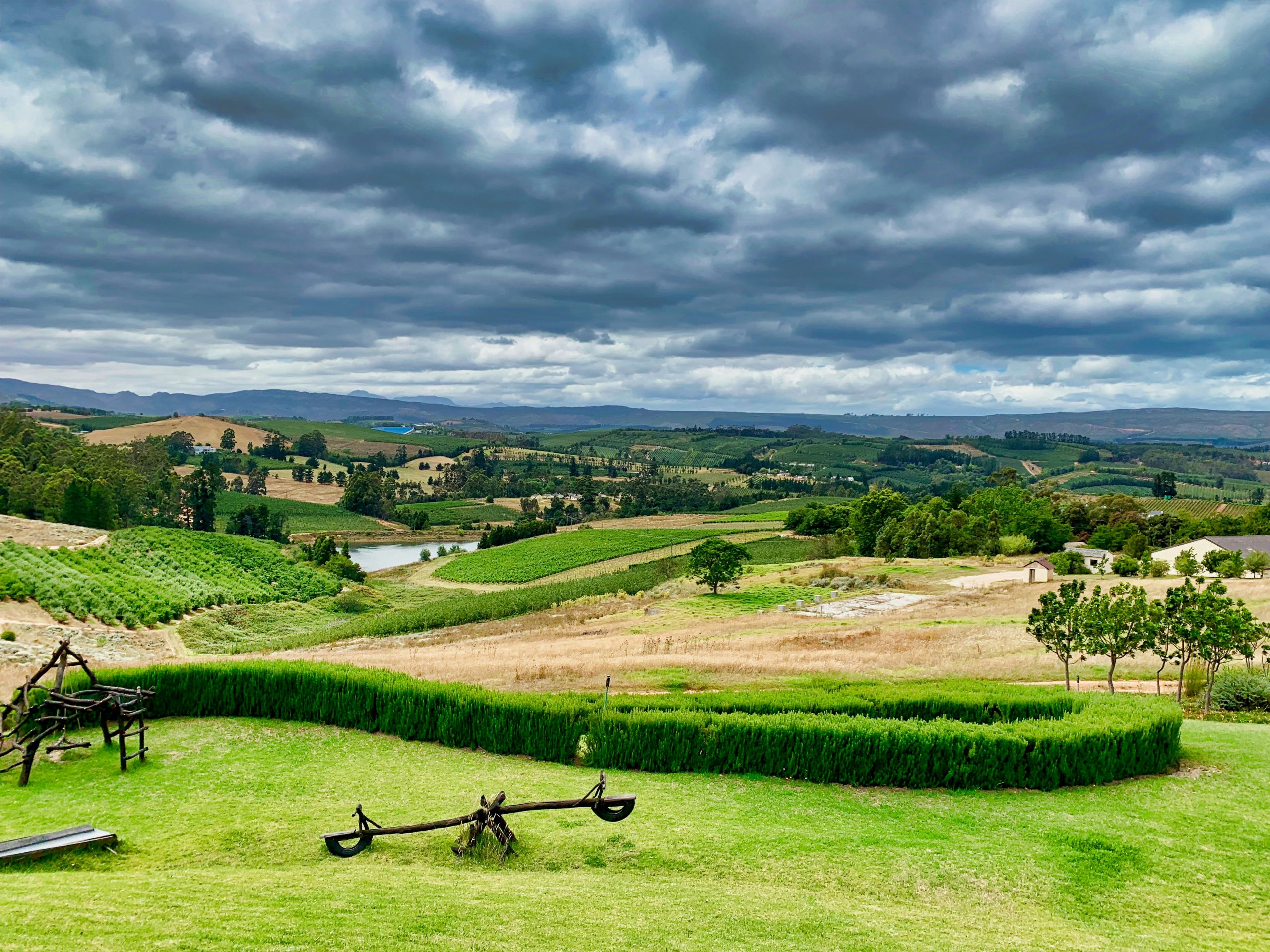
Just an hour from Cape Town, the Cape Winelands District Municipality makes a lovely detour when you want to slow down and savour the region. In Stellenbosch, you can wander past Cape Dutch buildings before settling in at a wine estate for a tasting. Franschhoek, often called South Africa’s wine capital, is a lovely spot to settle in for a long lunch, with French-inspired cuisine and wine estates all around. If you’re visiting in February or March, book your table in advance as the harvest season draws plenty of visitors.

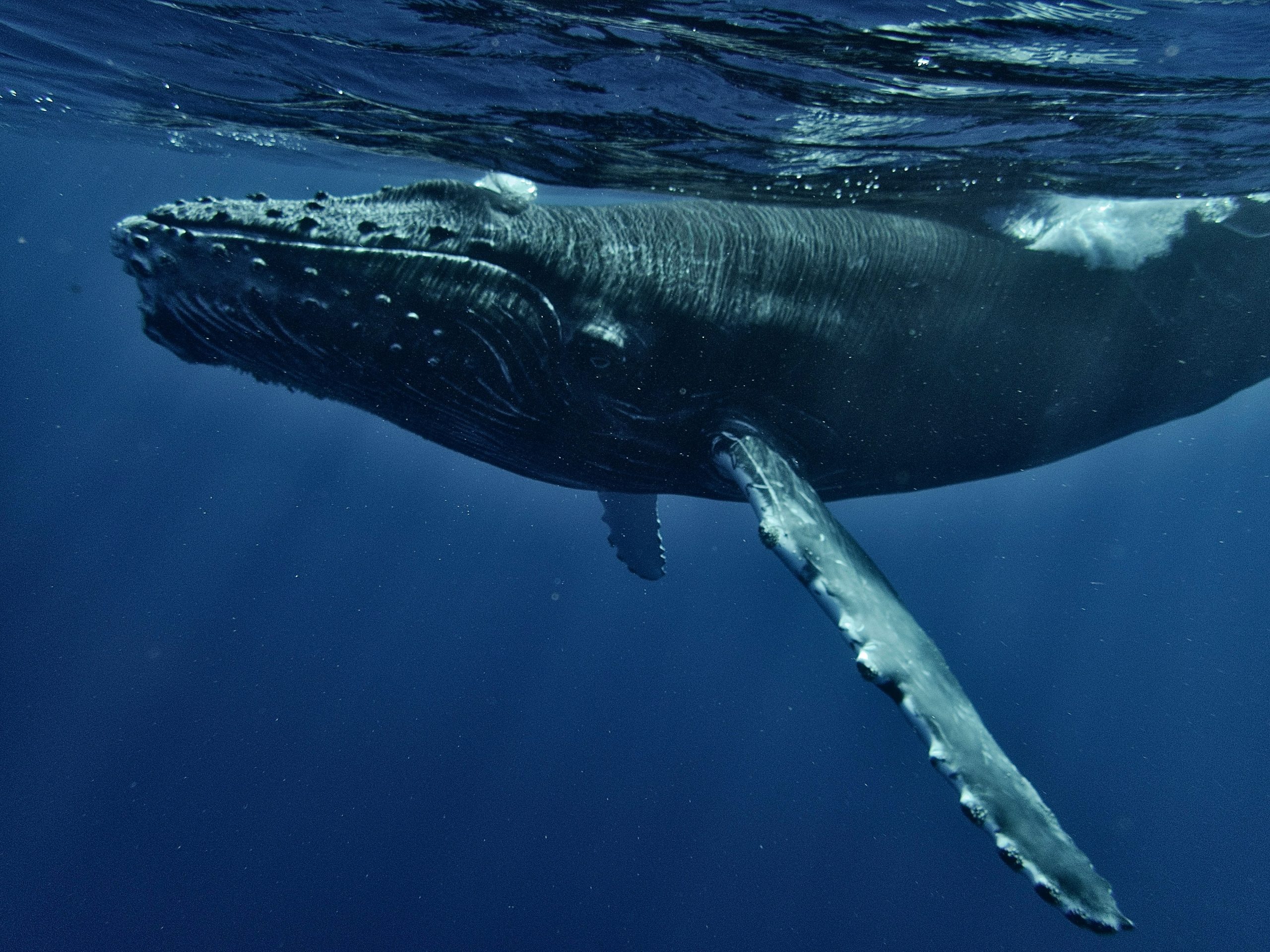
If you’re visiting South Africa between June and November, make time for Hermanus, about 90 minutes from Cape Town. Southern right whales come into the bay during these months, and you can often spot them from the clifftop path without even getting on a boat. Find a spot along the shore, keep watch over the water, and you might spot a whale surface just offshore.

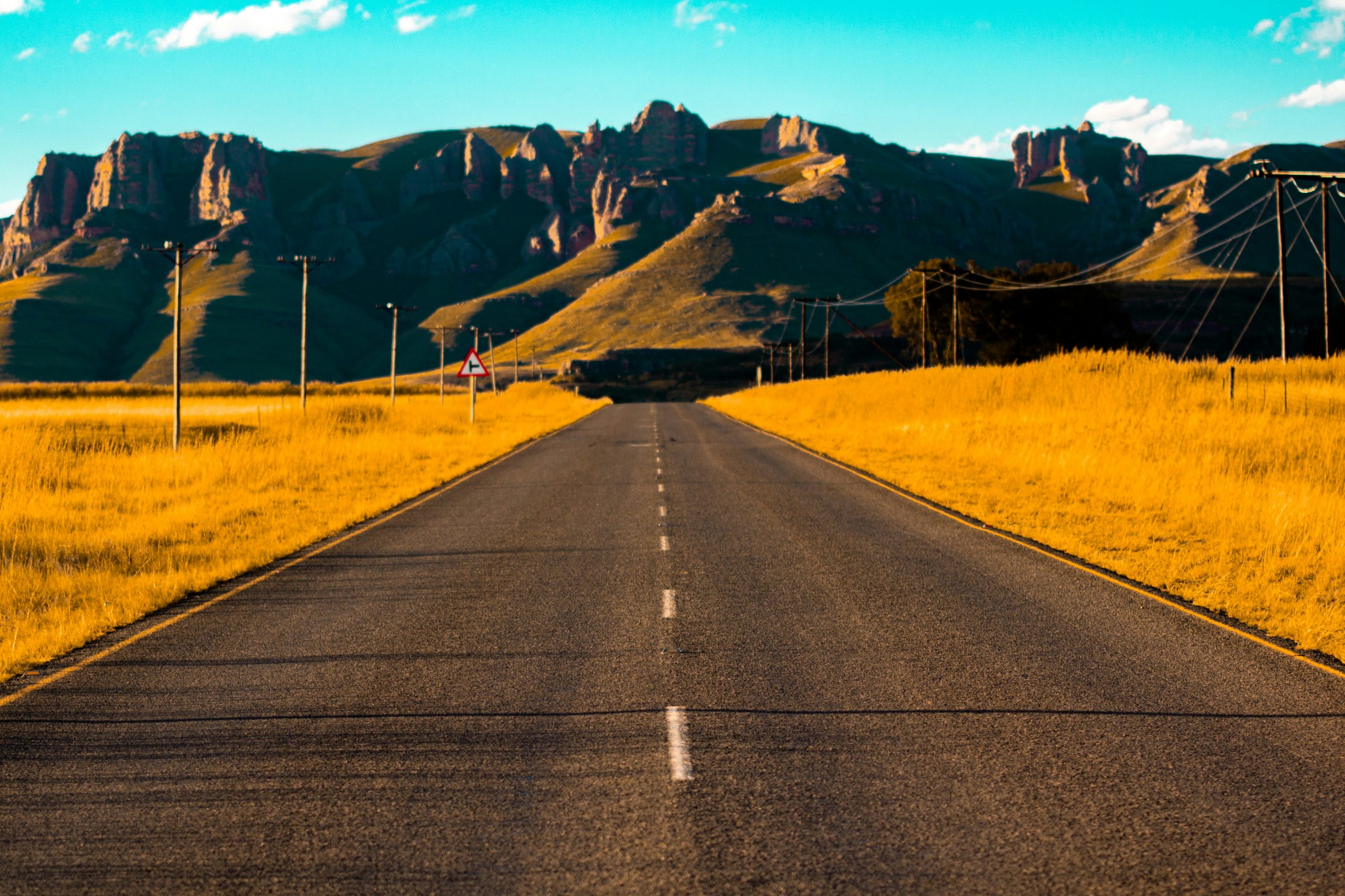
Missing the familiar flavours of home while travelling? Durban might be just the place for you. The city is famous for its Indian-inspired food, and its spicy Bunny Chow, a curry served in a hollowed-out loaf of bread, is a must-try. Pick up some local spices at Victoria Street Market, then swap Durban’s beaches for the Drakensberg’s mountain roads and stunning valley views.

For a first trip, 10 to 12 nights is a good amount of time to explore Cape Town, drive the Garden Route and enjoy a safari in Kruger. White Trails’ Kruger safari packages can help you plan the route around your travel dates and time at each stop.

Best Time to Visit South Africa

The best time to visit South Africa depends on what gets you excited about a holiday. Think beach days in Cape Town, wine tasting in the Winelands or early morning drives to spot lions in Kruger. South Africa’s weather varies by region, so White Trails can help you choose the right season for your kind of adventure.

Summer

December to February 18°C to 30°C

Warm, sunny days in the Cape, hot and humid weather with afternoon storms in Kruger

Summer is the ideal time to spend time on beaches in Cape Town and take scenic drives along the Garden Route. Kruger tends to turn lush green after a heavy rainfall, though thick vegetation can make wildlife even harder to spot. Christmas and January get really busy, so consider booking flights and lodges early.

Autumn

March to May 12°C to 25°C

Mild weather, fewer crowds and grape harvest season in the Cape Winelands

Autumn is a good time to explore South Africa at a relaxed pace. The Cape stays pleasant into March, while the Winelands harvest usually runs from February to April. By May, drier conditions in Kruger start making safari sightings easier.

Winter

June to August 5°C to 20°C

Dry conditions for safari, cooler and wetter weather in Cape Town

If a safari is high on your wish list, winter is a great time to visit Kruger National Park. With less vegetation to hide behind, animals are easier to spot, especially near waterholes. Cape Town gets its fair share of winter rain, but it’s also a great time to head to Hermanus for whale watching. Remember to pack warm layers for those chilly early-morning game drives.

Spring

September to November 10°C to 25°C

Warming days, wildflowers along the West Coast and whale watching near Hermanus

Spring brings colour back to the landscape, with West Coast wildflowers often at their best in August and September. You can still spot whales around Hermanus, while Johannesburg and Pretoria turn purple with jacaranda blossoms in October and November. Safari remains rewarding before summer rains thicken the bush.

Top Things to Do in South Africa

South Africa lets you pack plenty into one holiday, whether you fancy a safari, a drive along the coast or a long lunch at a vineyard. White Trails’ South Africa tour packages bring these experiences together in a trip planned around your interests.

Go on a Big Five Safari

A game drive often ends up becoming the highlight of a South African safari. Rangers use animal tracks, sounds and radio updates to help spot wildlife, with morning drives starting around sunrise and evening trips often ending with a sundowner. Private reserve lodges usually include meals and game drives in their rates, making it easier to work out your budget. If you’re short on time or prefer to avoid malaria-risk areas, consider Pilanesberg near Sun City or the Addo Elephant National Park in the Eastern Cape. Both places are malaria-free and work well for shorter stays.

Go on a Big Five Safari

Meet Marine Wildlife

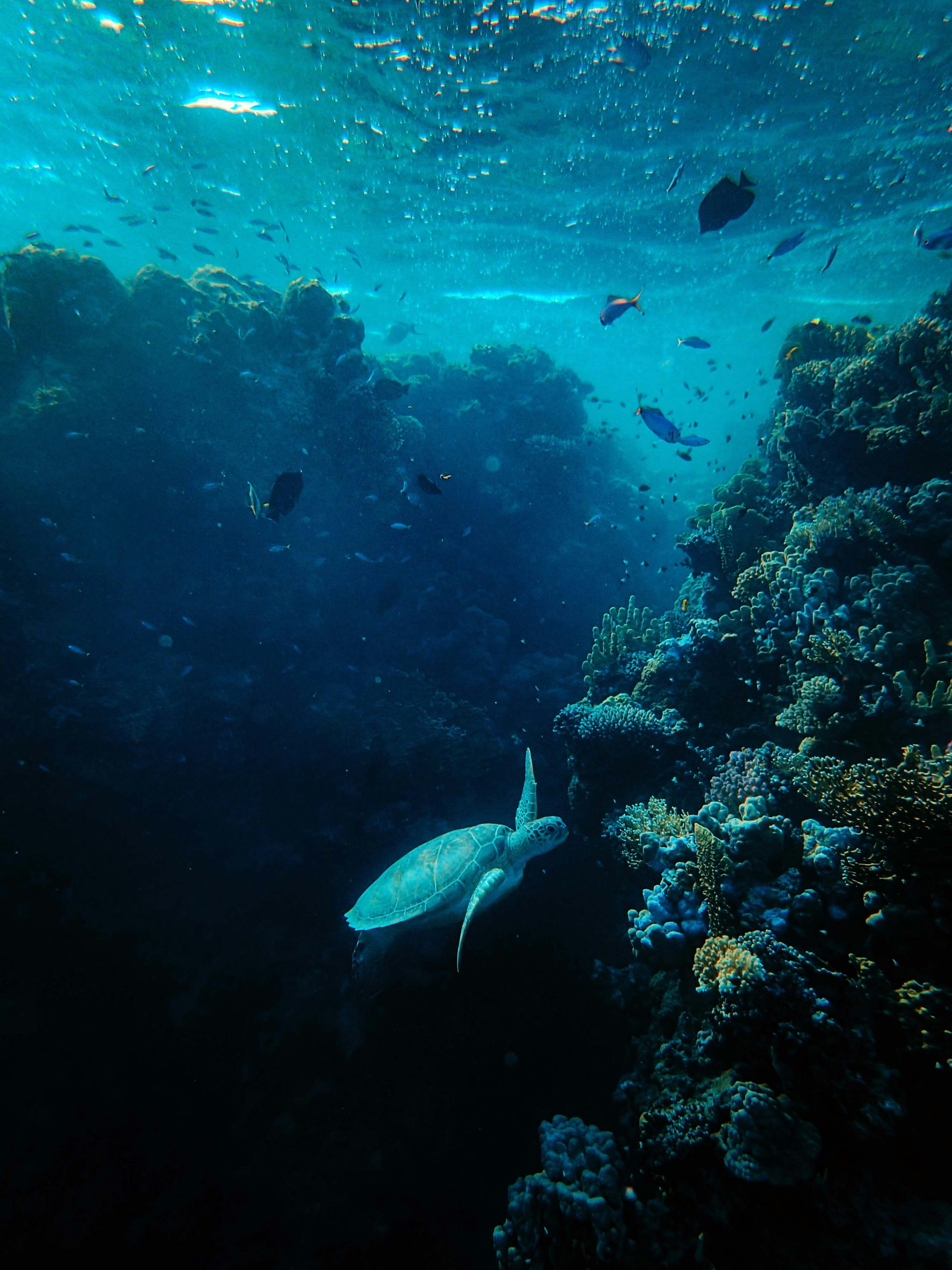
South Africa has plenty going on beyond the safari jeep. Between June and November, southern right whales turn up along the coast near Hermanus and Plettenberg Bay, and a boat trip might bring you surprisingly close. Over in False Bay, you can visit Seal Island, while Gansbaai offers the chance to come face to face with great white sharks from a cage. Prefer your wildlife with a little less adrenaline? At Boulders Beach near Cape Town, African penguins waddle along the sand and splash about in the waves.

Meet Marine Wildlife

Hike Table Mountain

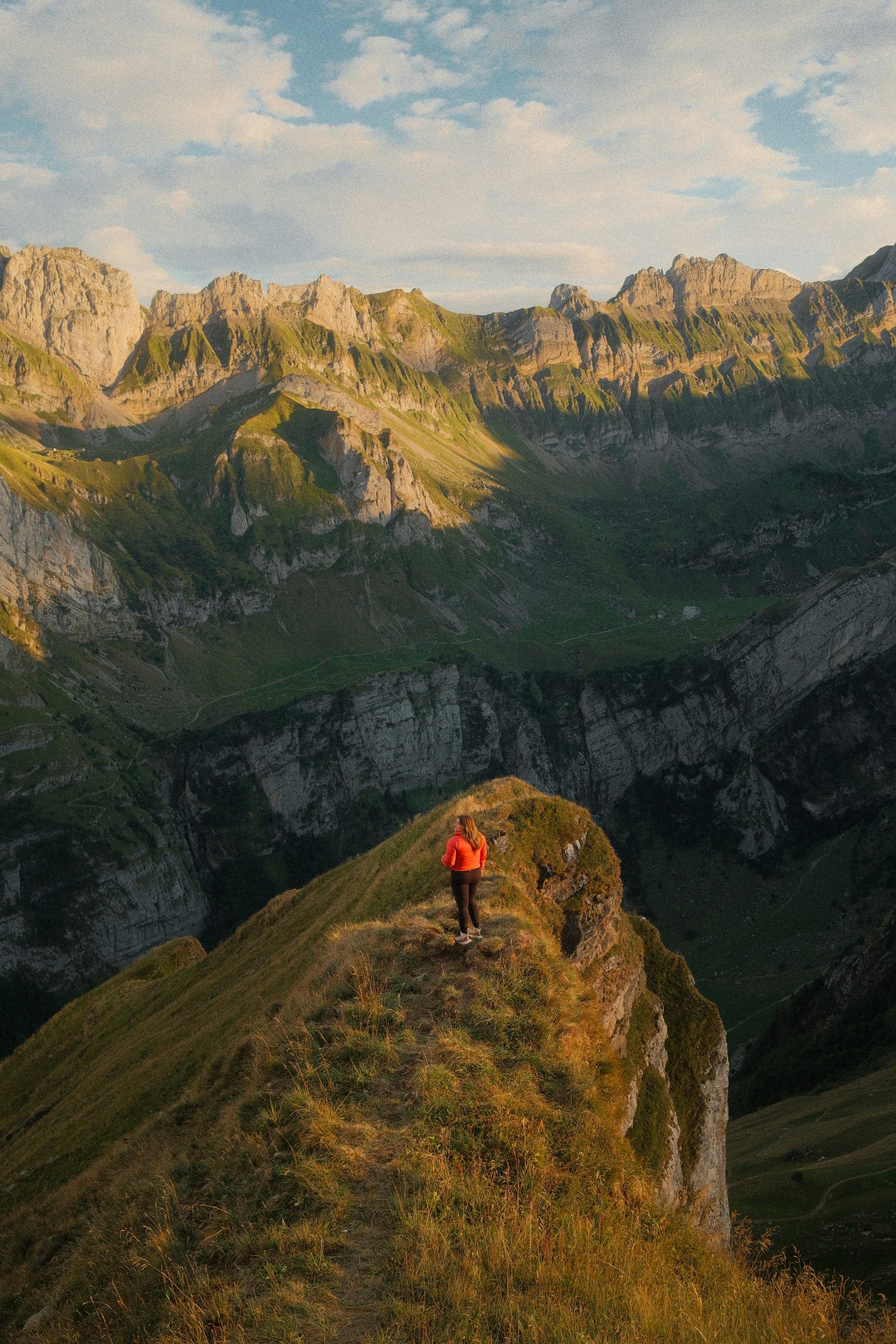
You haven’t really seen Cape Town until you’ve looked down at it from Table Mountain. If you fancy a challenge, Platteklip Gorge is the most direct hiking route to the top and takes around two to three hours of steady climbing. Set off early, bring plenty of water and check the weather before you go, as clouds can roll in fast. Not in the mood for a steep climb? Take the cable car up and wander along the summit trails instead. For sunrise views over the city and the Atlantic, Lion’s Head is another favourite.

Hike Table Mountain

Drive the Panorama Route

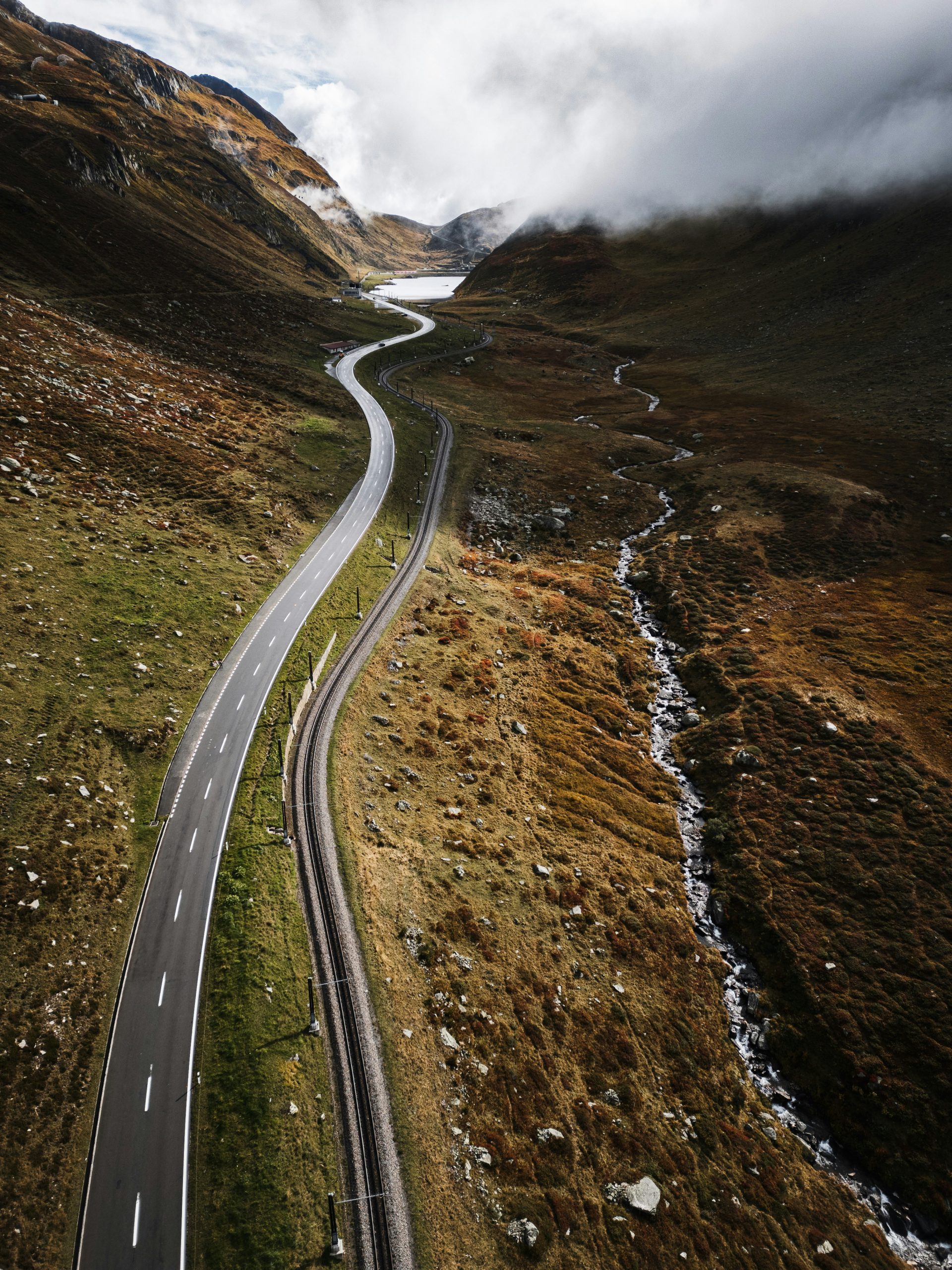
Some of South Africa’s best views are the ones you stumble across on a road trip. Near Kruger, the Panorama Route takes you past the vast Motlatse River Canyon, the lookout at God’s Window and the unusual rock formations at Bourke’s Luck Potholes. Down in the Western Cape, Chapman's Peak Drive is worth taking slowly, with ocean views around almost every bend. You can also spend a day winding through the Winelands, stopping at estates along the way. Driving on the left, as in India, makes a self-drive trip feel familiar, but hiring a driver lets you sit back and enjoy the journey.

Drive the Panorama Route

Learn the Country’s History

South Africa’s long struggle for freedom has shaped the country in ways you can still see today. Visit the Apartheid Museum or Constitution Hill in Johannesburg to learn about the fight against racial segregation, or head to Cape Town’s District Six Museum to hear the stories of families forced from their homes. A guided tour of Soweto or Robben Island brings this history closer through the places where it happened.

Learn the Country’s History

Discover South Africa’s Local Culture

One of the best things to do in South Africa is experience local life beyond the usual tourist stops. Sample traditional dishes, join a festival or browse markets for locally made crafts.
Food

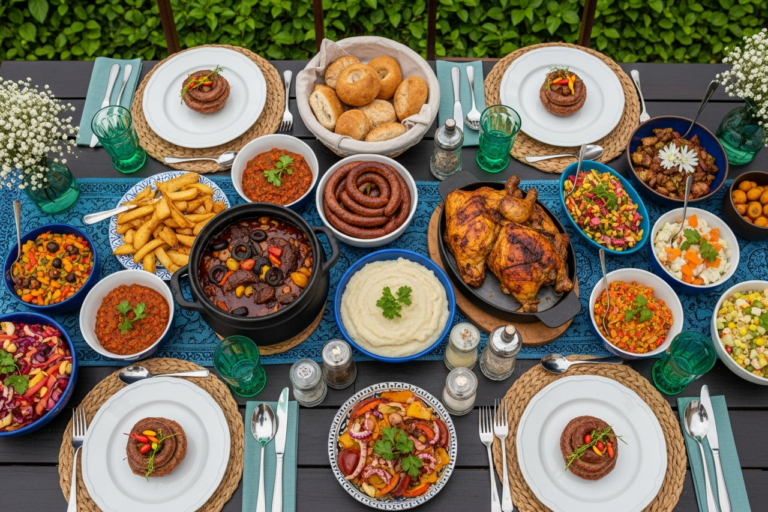
A braai is more than a barbecue in South Africa. It’s a reason to get everyone together over grilled boerewors and meat. Try bobotie, a spiced Cape Malay mince dish, biltong and Durban’s famous bunny chow, a hollowed-out loaf filled with curry. Pap with chakalaka is another local favourite, while Cape Town has plenty of Cape Malay food for you to try.

Festivals

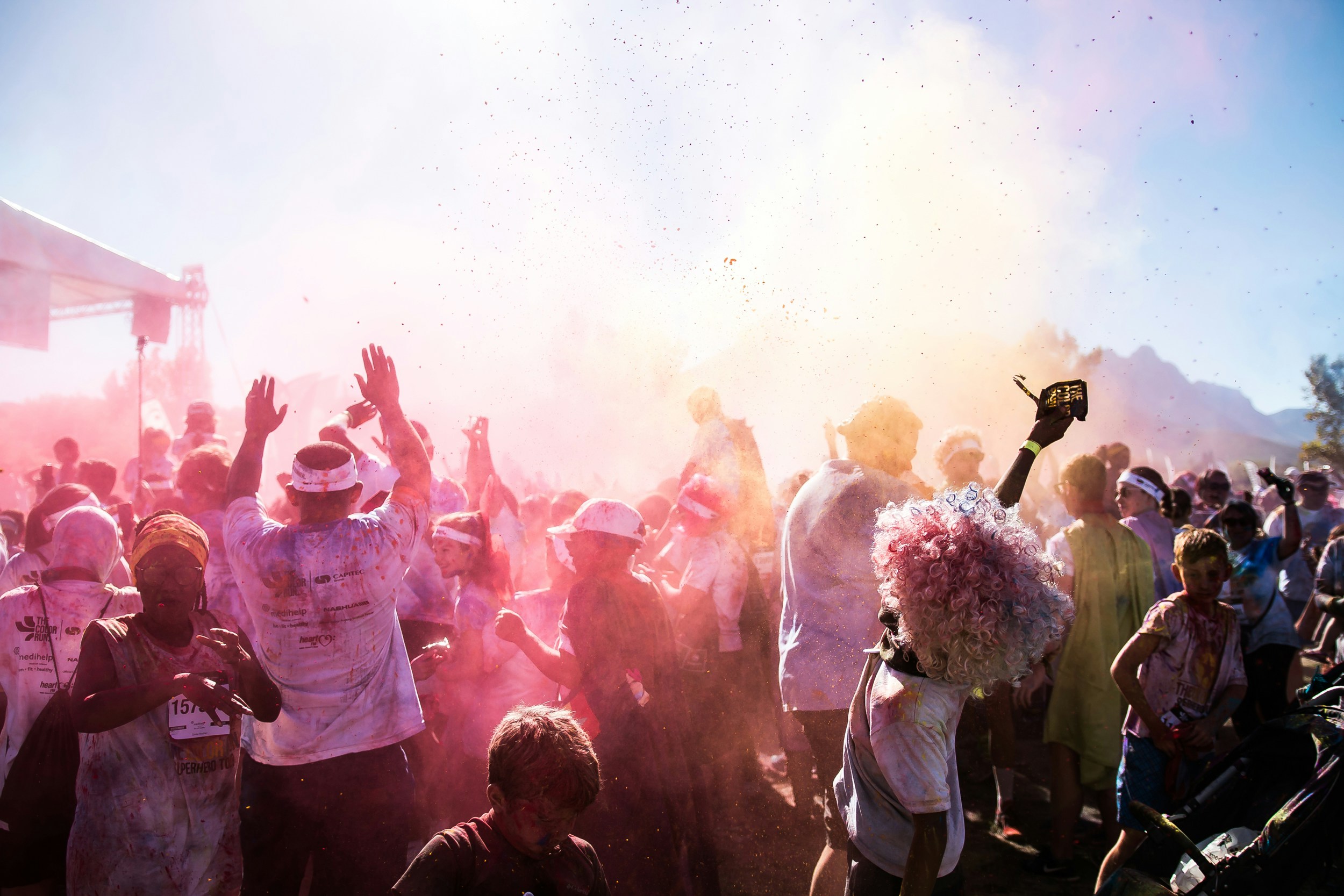
Cape Town’s Minstrel Carnival fills the streets with music and colourful costumes around 2 January, also known as the Second New Year. The Knysna Oyster Festival usually takes place in June or July, while the Hermanus Whale Festival is held in spring, often in late September or early October. Durban also celebrates Diwali with public festivities. Check the dates for your travel year before you finalise plans.

Shopping

Browse Greenmarket Square in Cape Town for colourful crafts and souvenirs, or spend a Sunday at Johannesburg’s Rosebank Market hunting for handmade finds and local treats. The Neighbourgoods Market in Woodstock is another good stop for food and independent makers. Keep an eye out for Zulu beadwork, rooibos tea and Cape wines to bring home. Foreign visitors can claim VAT refunds on eligible purchases taken out of South Africa, so hold on to your invoices.

Travel Essentials for Your South Africa Trip

A little preparation goes a long way on a trip to South Africa. White Trails can help you get the essentials sorted before departure, leaving you more time to look forward to the experiences ahead.

Indians must arrange a South Africa visa before departure, as visas are not issued on arrival. Eligible travellers may be able to apply for an online Electronic Travel Authorisation (ETA), while others may need to follow the standard eVisa or visa application process. Check the official requirements for your entry point before applying. For a standard tourist visa, you’ll generally need:

  • A passport valid for at least 30 days after departure, with two blank visa pages
  • Flight reservations and proof of accommodation
  • Recent bank statements showing sufficient funds
  • A completed application form and supporting documents required by the relevant application route

Apply several weeks ahead, especially if you’re planning to travel in December.

The South African rand (ZAR) is the local currency. Keep these payment tips in mind before you set off:

  • Cards are widely accepted in cities and lodges, but carry some cash for markets and rural stops.
  • Restaurants generally expect a tip of 10 to 15%, while safari guides and trackers are tipped separately.
  • Let your bank know your travel dates to reduce the risk of card transactions being blocked.

Domestic flights make travel easy between Johannesburg, Cape Town, Durban and airports serving Kruger National Park. The Gautrain runs from O.R. Tambo Airport to Sandton and Pretoria, while Uber and Bolt are available in major cities. If you plan to hire a car, bring your Indian driving licence and an International Driving Permit. Avoid driving on remote roads after dark.

Pack for the season and the regions on your route:

  • Layers for cold safari mornings and warm afternoons
  • Neutral clothing in khaki, olive or beige for game drives
  • Hat, sunglasses and high-SPF sunscreen
  • Comfortable walking shoes and a light waterproof jacket
  • Binoculars and insect repellent
  • Type M power adapter (230V)
  • Prescription medicines and a doctor’s advice on malaria precautions for Kruger

A friendly greeting goes a long way in South Africa. Keep these small courtesies in mind as you travel:

  • Greet people with a handshake and a hello before starting a conversation
  • Ask permission before photographing individuals, especially in townships
  • Stay in the vehicle on safari and follow ranger instructions
  • Keep valuables out of sight and use hotel-approved transport after dark

Staying connected while travelling around South Africa is easy with a little planning. You can choose from:

  • International roaming packs from Indian mobile providers
  • International eSIMs set up before departure
  • Prepaid local SIM cards from Vodacom or MTN, available with your passport
  • Free Wi-Fi at hotels, malls, cafés and airports

FAQs

Quick answers to the most common queries about travelling in South Africa.

South Africa is a popular destination for Indian travellers, but it’s worth taking a few precautions. Choose your accommodation carefully, use reliable transport at night and keep valuables tucked away when you’re out exploring.

Ten to twelve days is a good amount of time to explore Cape Town, drive part of the Garden Route and go on safari in Kruger National Park without rushing between stops.

Indian travellers need the appropriate entry authorisation before travelling to South Africa. Depending on eligibility, this may be an Electronic Travel Authorisation (ETA) or a visa. Check the official South African ETA portal for the latest requirements.

May to September is generally a good time for a safari in Kruger National Park. The weather is drier, vegetation is thinner, and animals are much easier to spot near rivers and waterholes. Nights can get cold, so pack warm layers.

South Africa can suit different budgets. You can save on accommodation and meals by choosing mid-range options, but private game drives and luxury safari lodges can add significantly to the cost. Plan your safari budget separately from your city stays.