Overview

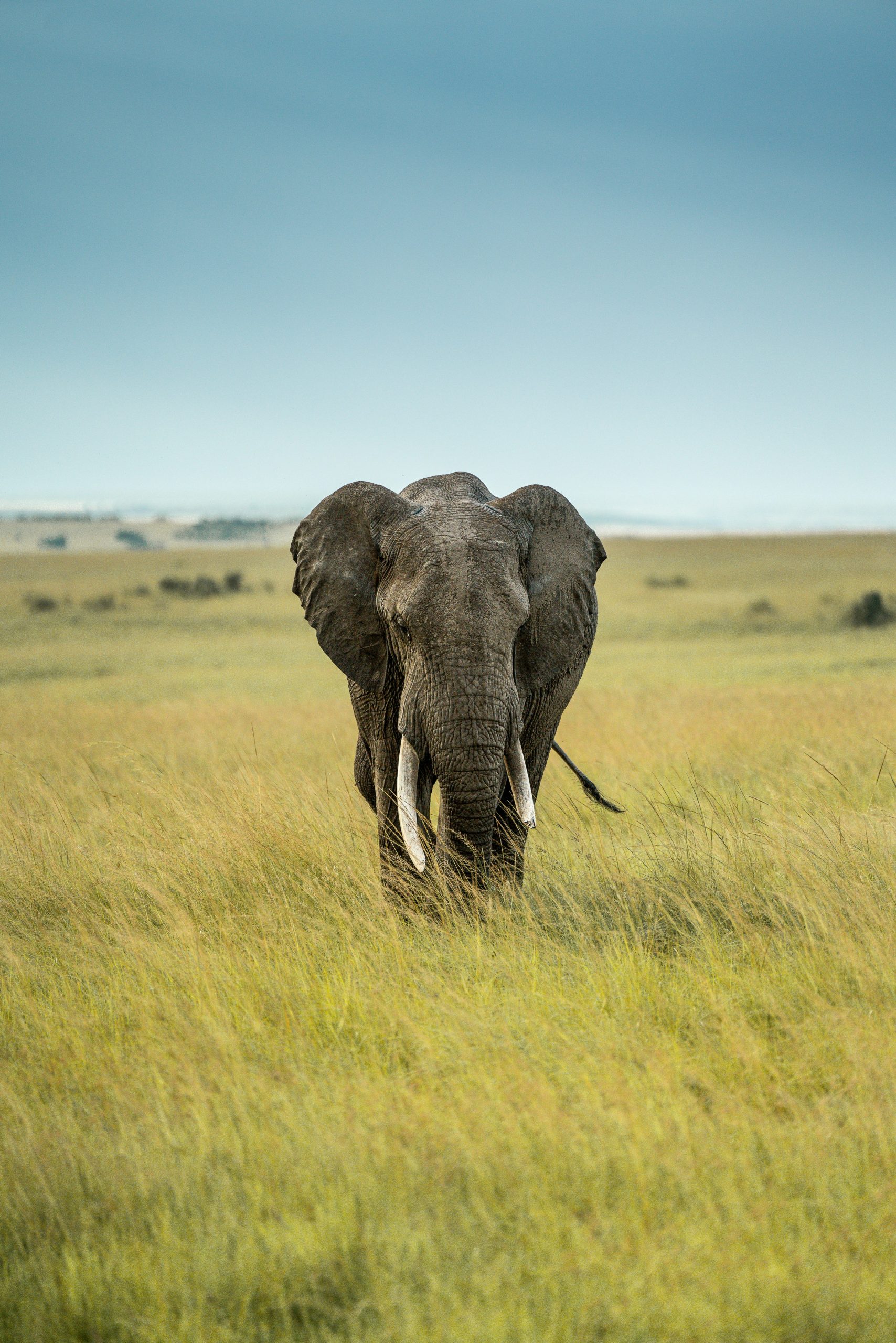
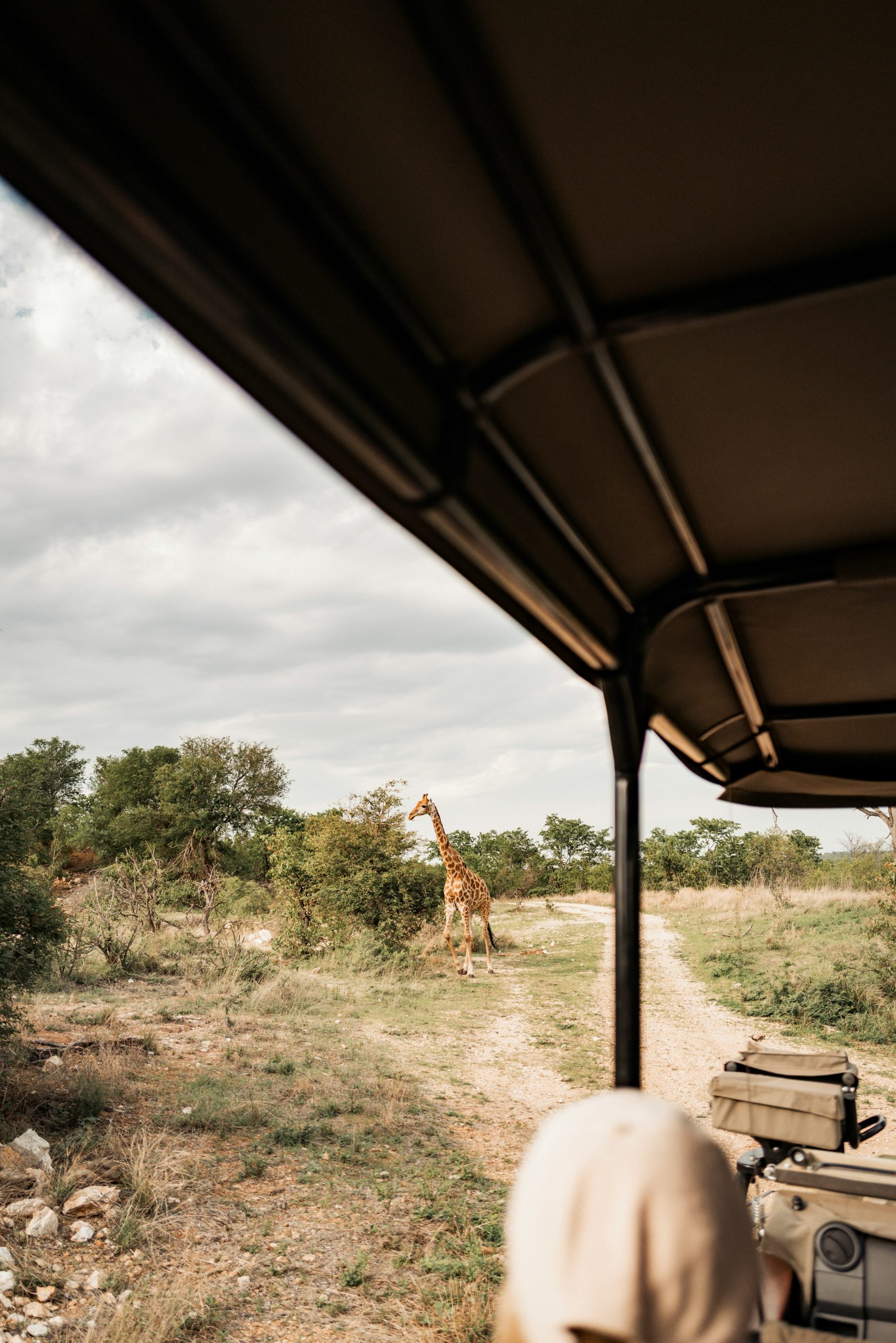
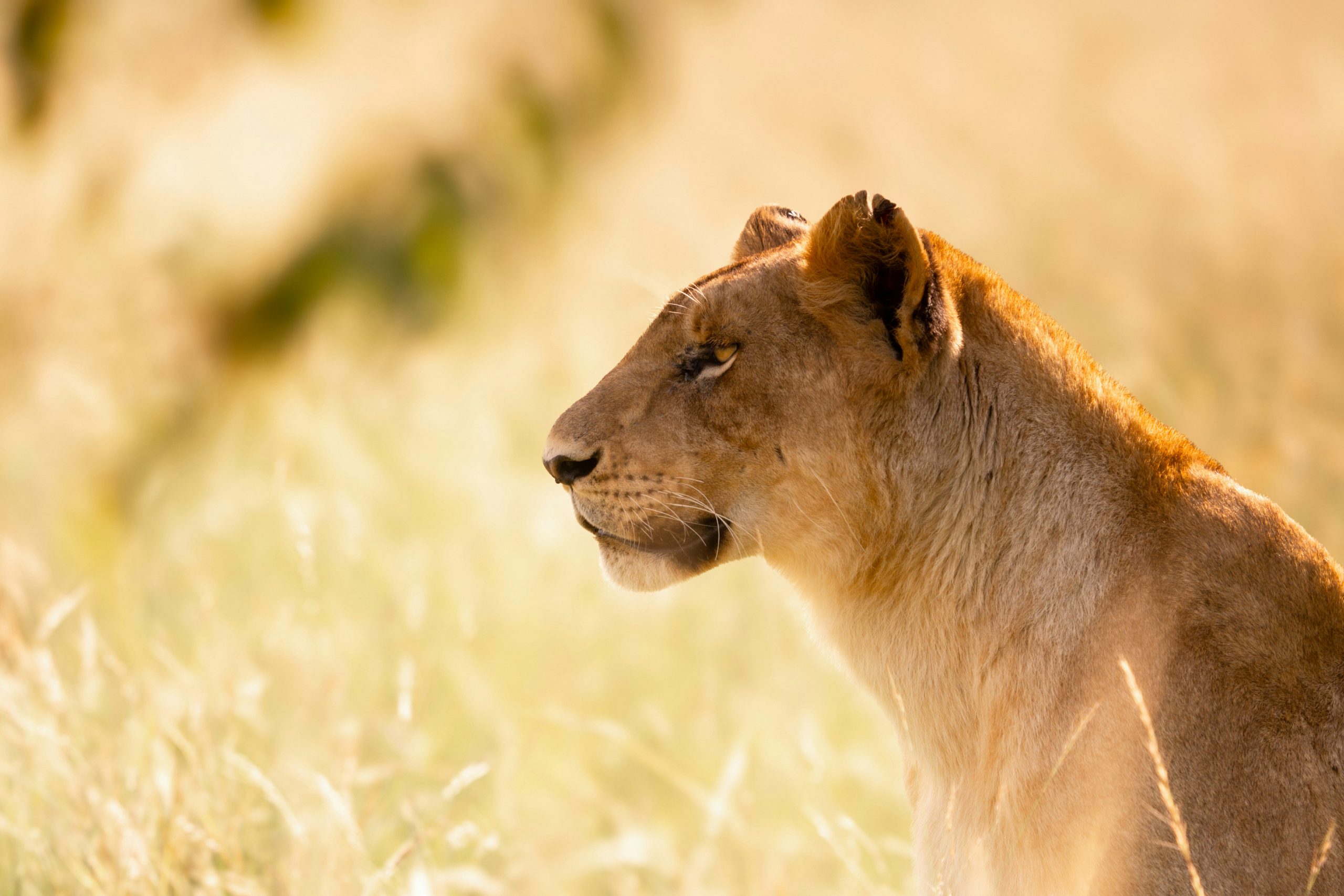
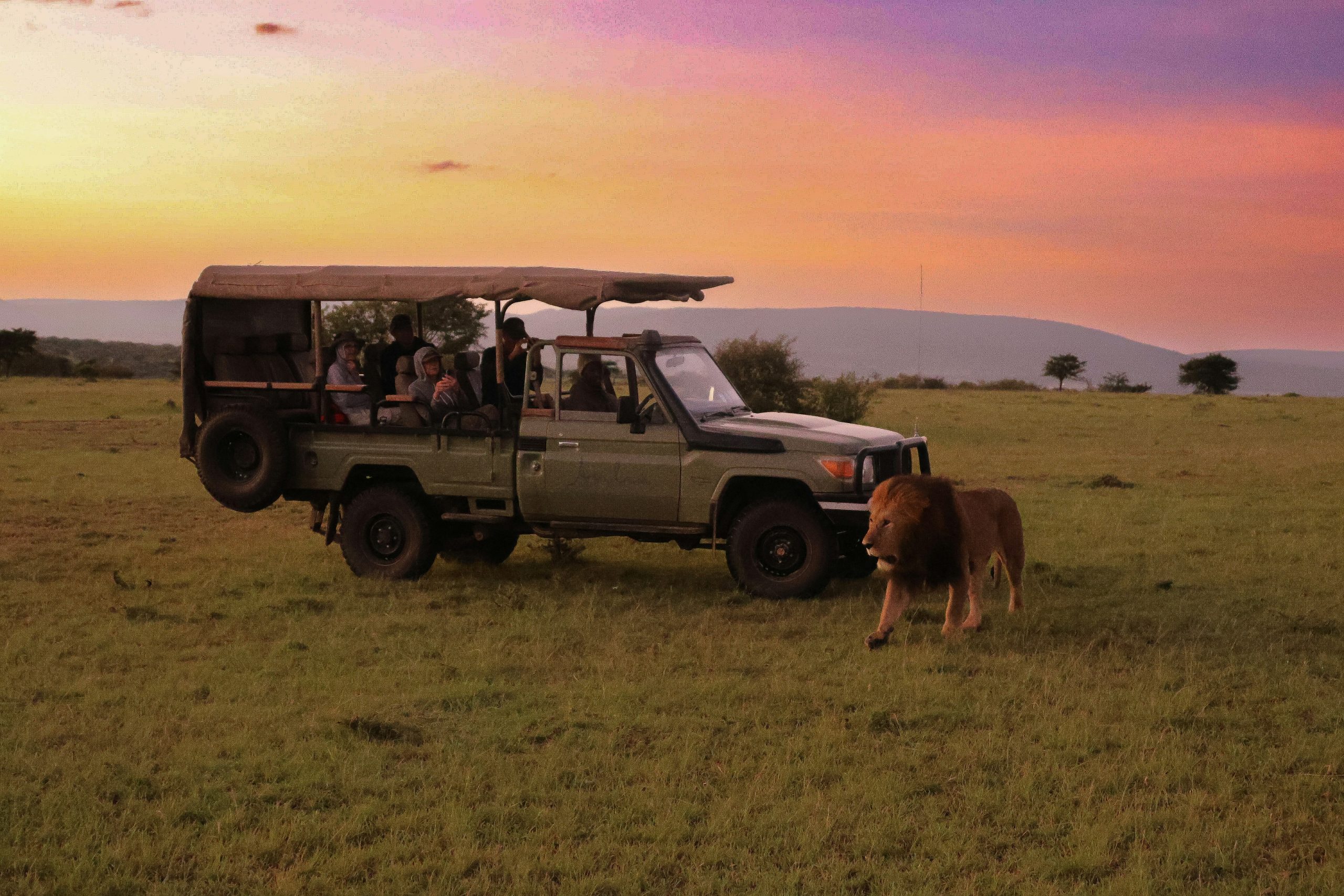
The Masai Mara is most active in the early morning, when a game drive might bring you close to lions, leopards, elephants, buffalo or rhinos. Spotting all five, known as the Big Five, is a memorable part of a Kenya safari, though sightings can never be guaranteed. Visit between July and October, and you may also spot huge herds of wildebeest and zebra moving through the Mara-Serengeti ecosystem in search of fresh grass. Near the Mara River, the herds sometimes pause at the water’s edge before crossing. You could wait for hours, only for the crossing to happen in a sudden rush.

The adventure starts before you even reach the Mara. Nairobi is the only capital city where you can watch lions, rhinos and giraffes at Nairobi National Park with the skyline rising behind them. Spend time at the Giraffe Centre and the Sheldrick Wildlife Trust nursery, then head out to the Mara with your safari appetite well and truly awake.

With White Trails’ Kenya tour packages, you can include local guides who know exactly where to find wildlife, private transfers between stops and time to enjoy each place without rushing through it.

Places to Visit

Nairobi and the Masai Mara make a brilliantly balanced pairing. One is a city with wild neighbours, the other is wilderness at its most dramatic. Depending on the route and season, travellers can look forward to Big Five game drives, big-cat sightings, conservation experiences, cultural encounters and sunrise balloon flights. Kenya holiday packages curated by White Trails can be tailored to your travel dates, preferred stops and safari interests.

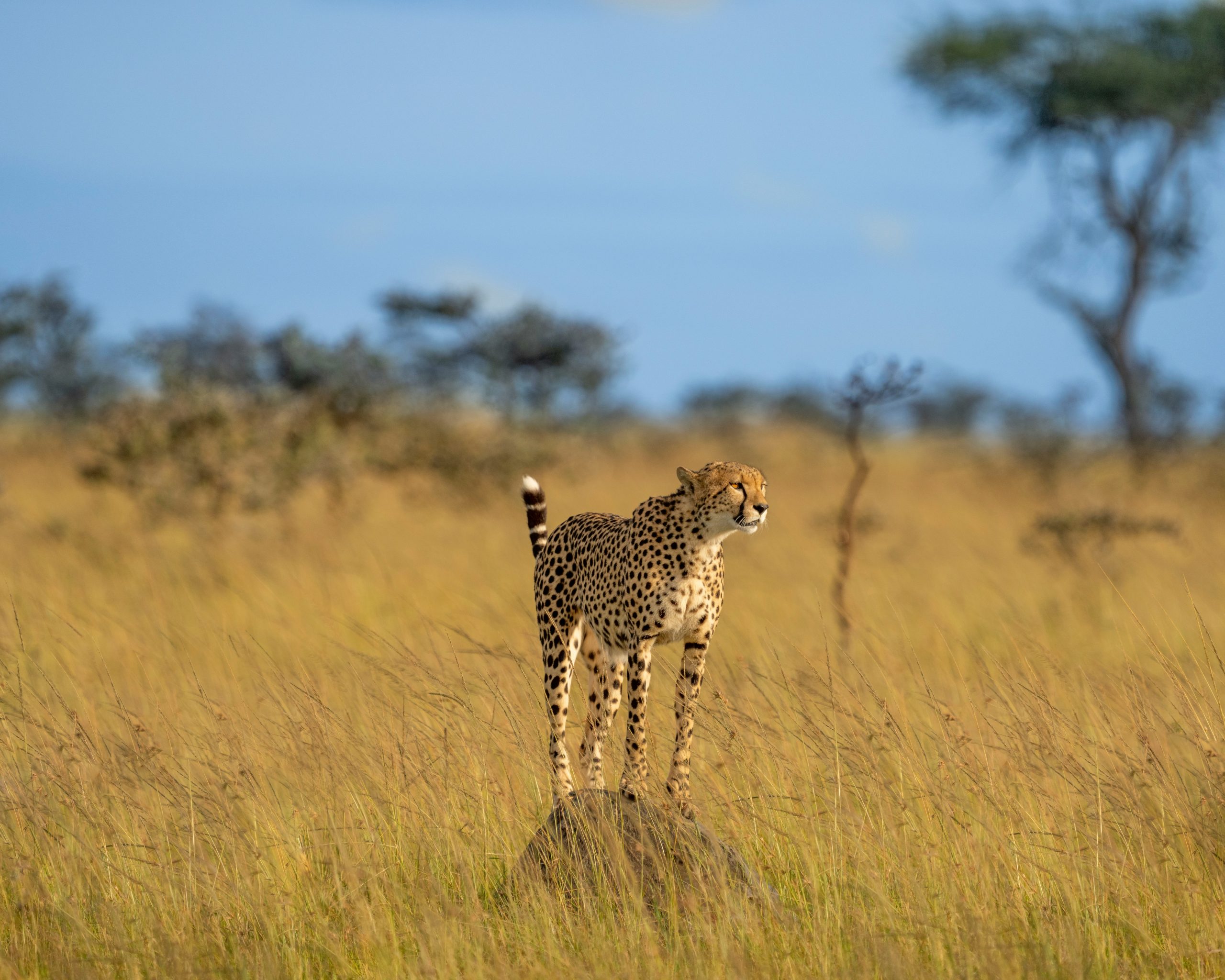
A safari in the Masai Mara can bring you close to lions, leopards and cheetahs as they move through the grasslands, with elephants, buffalo and rhinos also found in the reserve. Early morning drives are often lively, while afternoon outings offer a different light across the plains. If you visit between July and October, you may see wildebeest and zebra crossing the Mara as part of the Great Migration. The herds’ arrival depends on rainfall and grazing conditions, so the timing varies each year.

White Trails can build Kenya holiday packages around your safari dates, with a lodge or tented camp that suits your style.
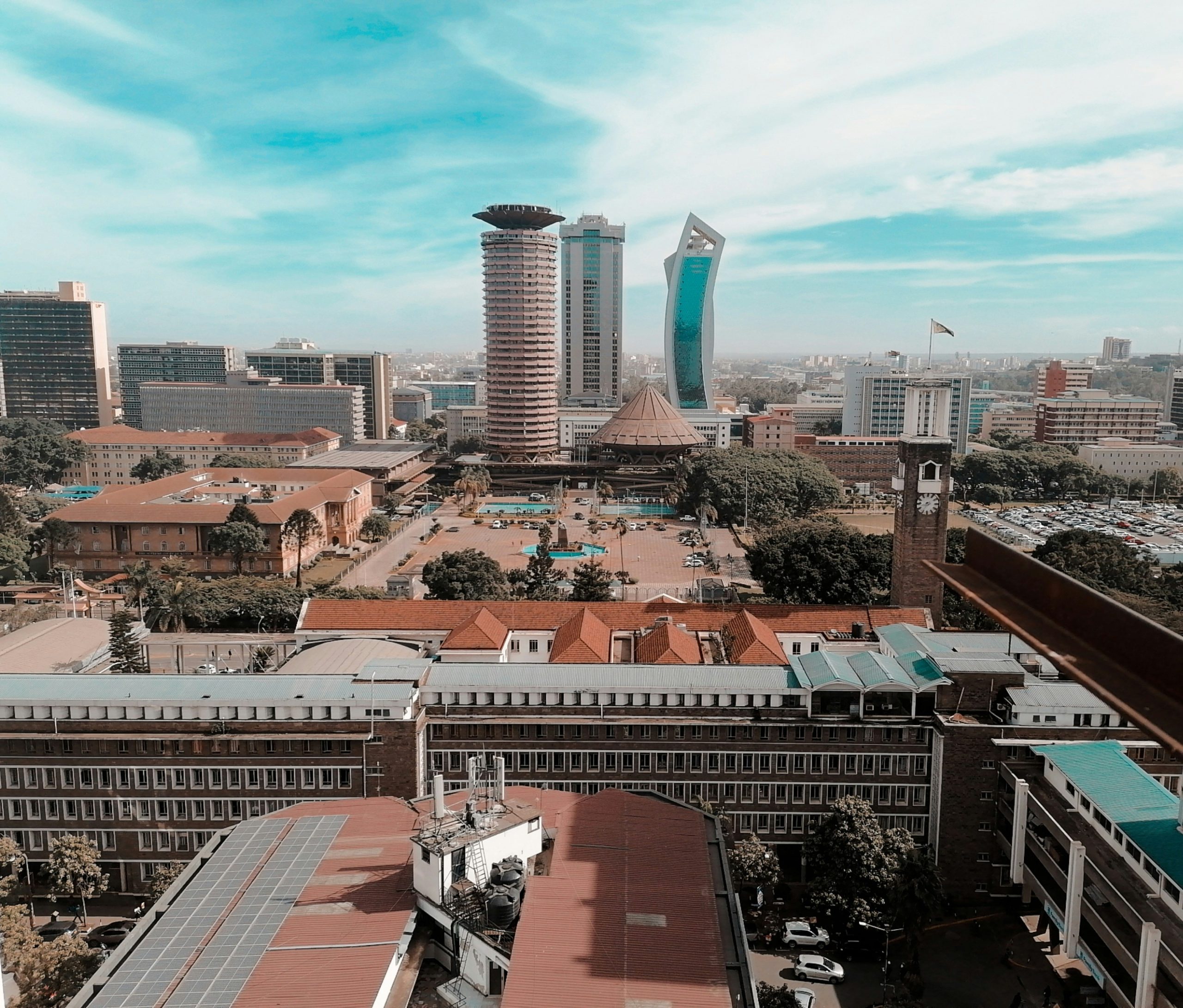
A Nairobi tour has a memorable twist: you can watch wildlife with the city skyline behind you at Nairobi National Park, where lions, rhinos and giraffes roam just beyond the bustle of the capital. Later, head to the Giraffe Centre to meet endangered Nubian giraffe up close. For a more moving experience, book a visit to the Sheldrick Wildlife Trust’s nursery, where rescued elephant calves come for their midday milk feed and mud bath. Together, these stops offer a glimpse of Kenya’s conservation work beyond the safari reserves. 

Want to add a little extra flavour around your game drives? These stops bring a different side of Kenya into your Kenya tour packages:

  • Karen Blixen Museum: Step inside the colonial-era farmhouse of the Out of Africa author, set in leafy Karen, then wander the gardens with the Ngong Hills as a backdrop.

  • Bomas of Kenya: Watch traditional music and dance performances from Kenya’s different communities, all in one lively cultural village.

  • Kazuri Beads Centre: See local women craft colourful ceramic beads by hand, then pick up jewellery that makes a thoughtful souvenir.

  • Mara River Viewpoints: Time your visit between July and October and your guide can position you near the crossing points, where migrating herds face the river’s crocodiles.

  • Mara Conservancies: Ask about private conservancies bordering the reserve, which often offer quieter game drives and, in some, night drives and guided walks.

Best Time to Visit Kenya

You can visit Kenya at any time of year, but the season can affect what you see on safari. July to October is a popular time to visit the Masai Mara, when the Great Migration may pass through. January to March is generally drier, while the long rains usually arrive between March and May and the short rains between October and December. Weather differs across the country, so check conditions in the areas you plan to visit before booking.

Dry Season

July to October 10°C to 26°C

Drier weather, good game viewing and peak Great Migration season in the Masai Mara.

The migration often brings large wildebeest and zebra herds into the Mara, though timing varies each year. Camps can book up early, so reserve ahead if migration sightings are a priority.

Hot and Dry Season

January to March 13°C to 28°C

Generally warm and dry, with relatively lower visitor numbers.

With less rain and thinner vegetation, animals can be easier to spot on game drives. January and February can also bring young animals to the Mara’s plains, which means plenty of action for predators and photographers alike.

Long Rains

April to June 14°C to 26°C

Greener landscapes, fewer visitors and occasional heavy showers

The long rains usually fall from March to May and can extend into June in some areas. Muddy roads may affect game drives and transfers, but the fresh greenery makes for striking landscape photography.

Short Rains

November to December 14°C to 27°C

Short rains, greener landscapes and decent birdwatching opportunities.

The short rains usually arrive around October to December. Showers may interrupt outdoor plans, but the reserve remains open for game drives, and the rain-washed plains can look spectacular. White Trails can help shape your itinerary around safari and cultural experiences in Nairobi and the Mara.

Top Things to Do in Kenya

From drifting over the savannah at sunrise to meeting orphaned elephants in the capital, Nairobi and the Masai Mara pack a lot into one trip. Travellers can also add cultural visits, conservation experiences and bush dining to their itinerary.

Take a Hot Air Balloon Safari

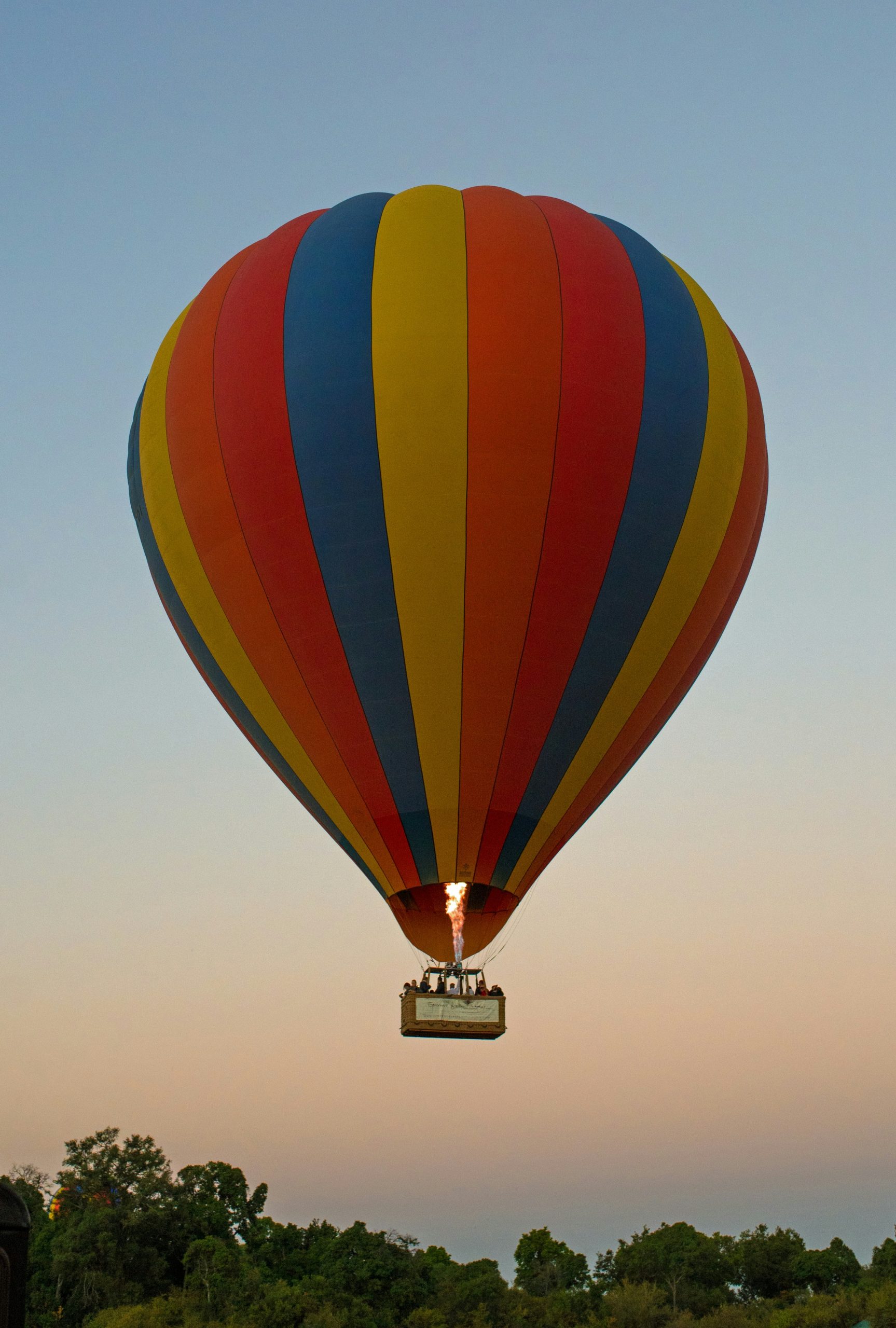
A hot air balloon safari over the Masai Mara is worth the early alarm. Watch the sun rise as you drift above golden grasslands, winding rivers and herds moving across the plains. With no engine noise to break the stillness, the Mara feels wonderfully vast from up above. After landing, celebrate the morning with a champagne breakfast served out in the bush. Flights depend on weather and wind conditions.

Take a Hot Air Balloon Safari

Watch Elephant Calves at Feeding Time

At Sheldrick Wildlife Trust, the visit centres on the elephants’ midday milk feed and mud bath. The calves come out of the forest for their bottles, then spend time splashing about, rolling in the mud or play-fighting with each other. Keepers introduce the elephants and share how they came to the nursery. Visits run from 11 am to noon and must be booked in advance.

Watch Elephant Calves at Feeding Time

Feed a Giraffe at the Giraffe Centre

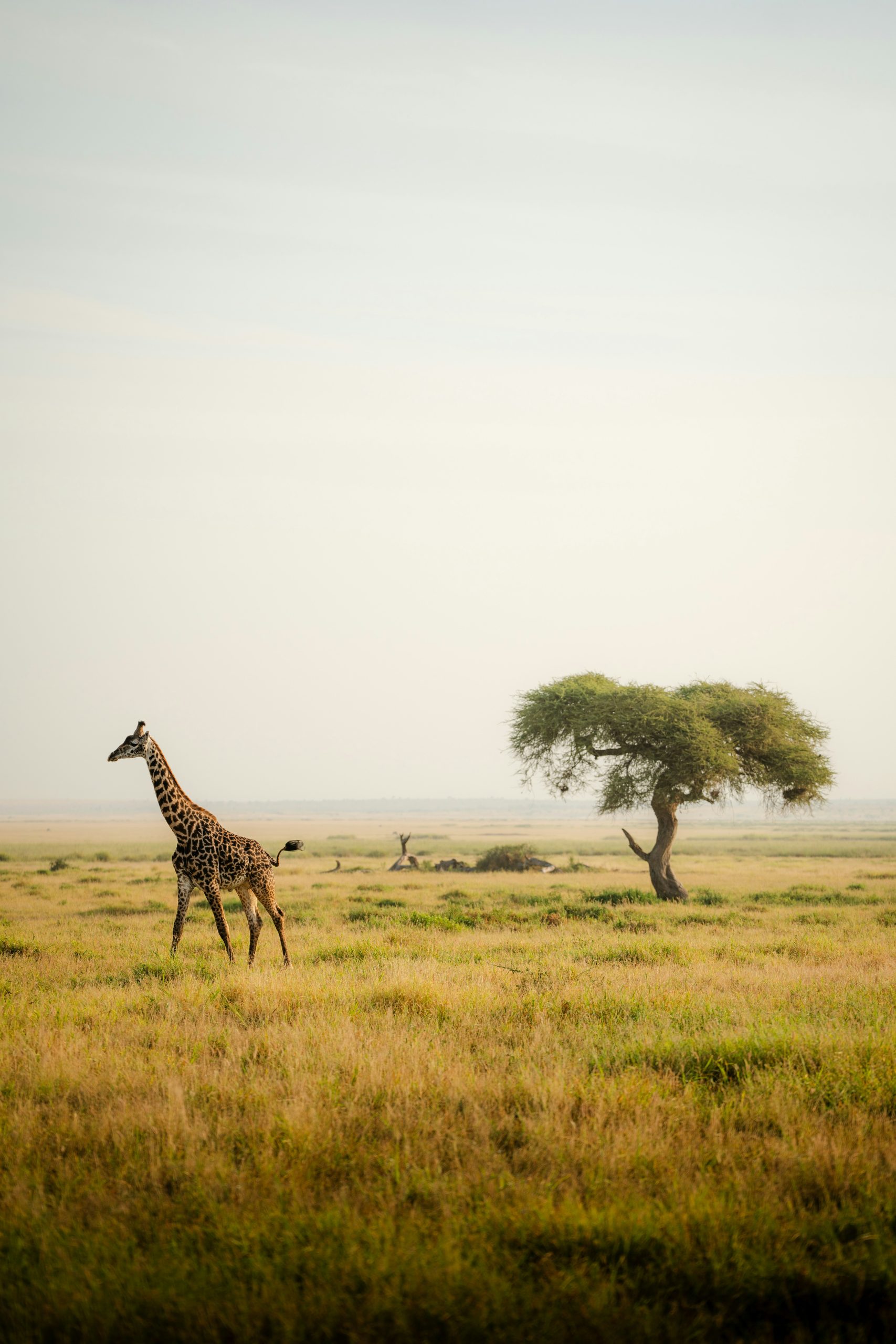
Climb the raised platform and a Rothschild’s giraffe may lean in, long tongue first, to take a pellet from your hand. It is quick, funny and a great stop for families, with a short nature trail on site if you want more time among the trees.

Feed a Giraffe at the Giraffe Centre

Experience Maasai Culture

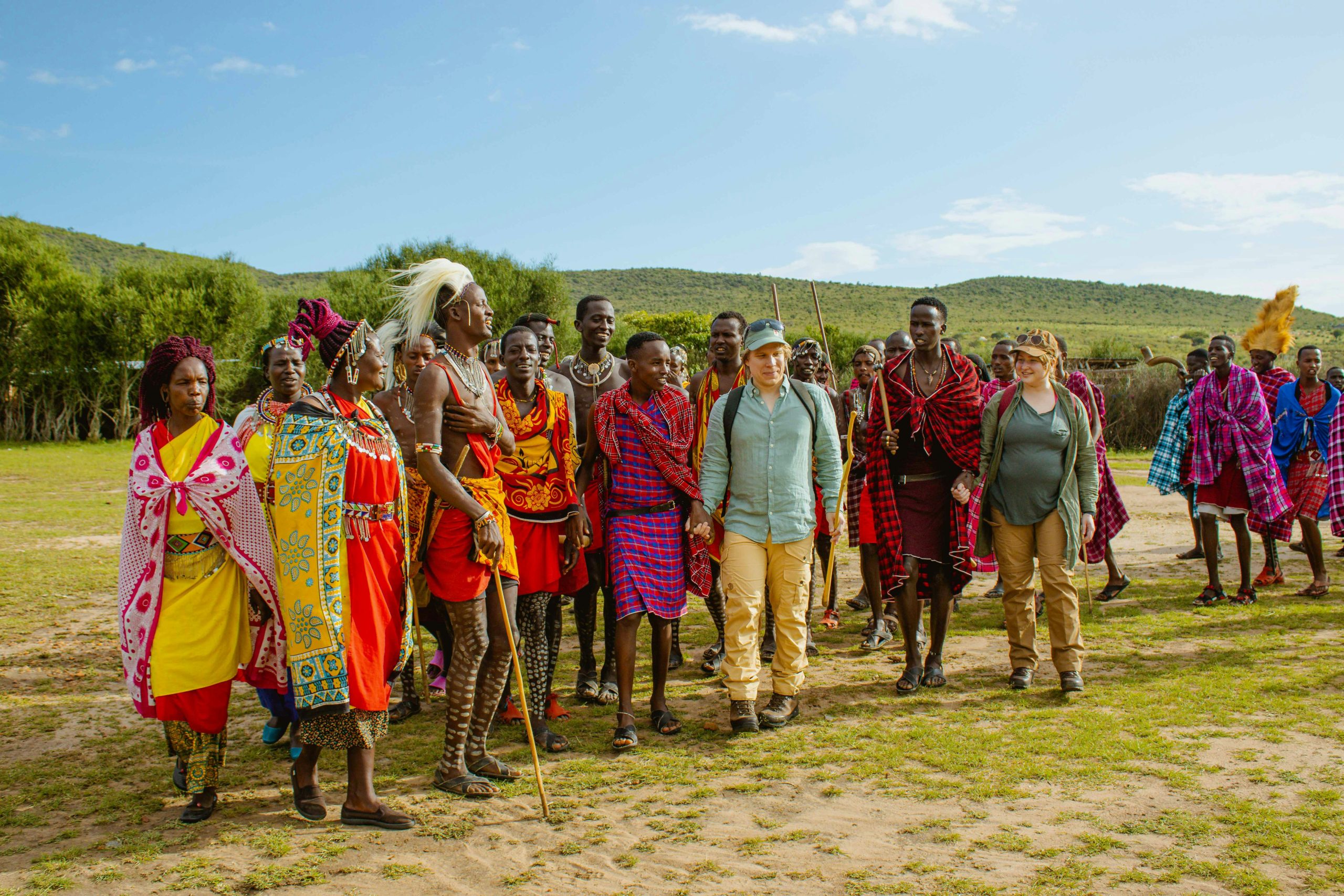
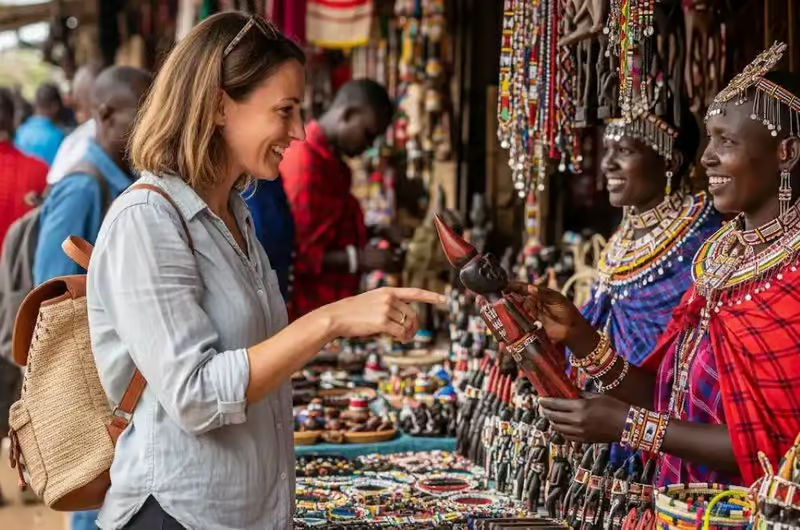
Beyond the game drives, spend time with a Maasai community and get to know the people who call this landscape home. You might watch the adumu jumping dance, browse intricate beadwork or hear stories about life near the reserve. White Trails can work a community visit into your itinerary if it interests you. Go with an open mind, ask questions and always check before taking photos.

Experience Maasai Culture

Go on a Walking Safari

In some Mara conservancies, you can swap the safari vehicle for a guided walk with a local Maasai guide. You’ll move at a slower pace, stopping to look at animal tracks in the dust, spot insects in the grass and learn about the plants growing around you. Walking safaris aren’t permitted inside the main Masai Mara National Reserve, and availability depends on the conservancy and camp, so ask White Trails to arrange one where possible.

Go on a Walking Safari

Discover Kenya’s Local Culture

Some of Kenya’s most memorable moments happen away from the safari tracks. You might find yourself sharing a plate of grilled meat at a busy Nairobi restaurant, browsing colourful beadwork at a market or hearing live music drift out of a city bar. Leave room in your Kenya holiday packages for experiences beyond wildlife. White Trails can help fit them into your route based on your interests.
Food

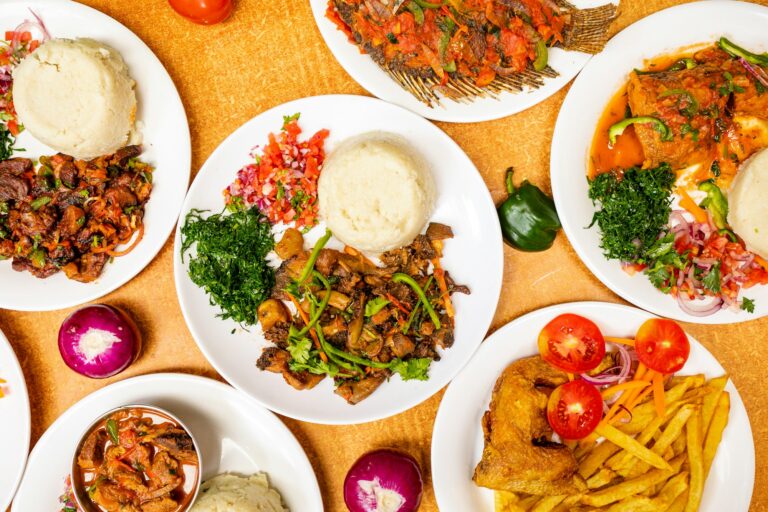
Nyama choma is a good place to start. It’s grilled goat or beef, usually eaten with ugali, a firm maize dish. If you’re visiting the coast, try pilau, a spiced rice dish popular in Swahili cooking. And don’t leave without trying a cup of Kenyan tea or coffee.

Festivals

If your dates align, look out for cultural events featuring traditional music, dance, crafts and food. Nairobi also has a contemporary arts and music scene, while coastal festivals offer a window into Swahili heritage. Check the event dates before you book your tickets.

Shopping

Browse markets for Maasai bead jewellery, carved wooden pieces, colourful kanga fabrics printed with Swahili sayings and woven baskets made by local artisans. Ask sellers about the stories behind their work, and look for locally made pieces to take home as a reminder of your trip.

Travel Essentials for Your Kenya Trip

A little preparation goes a long way when planning Kenya tour packages, from checking entry requirements and sorting out currency to understanding local transport, packing for changing weather and respecting local customs.

Indian travellers need an approved Electronic Travel Authorisation (ETA) to enter Kenya. Since October 2026, most visitors, including Indians, must also have the required inbound travel health insurance.

Keep these documents ready before you fly:

  • Passport valid for at least six months after arrival, with one blank page
  • eTA approval from the official Kenya eTA portal
  • Proof of travel health insurance that meets Kenya’s entry requirements
  • Return or onward flight ticket and accommodation details

Don’t leave the application until the last minute. Check the official eTA portal before travelling in case the entry requirements have changed.

The Kenyan shilling (KES) is Kenya’s official currency. Keep these points in mind:

  • Cards are accepted at many hotels, lodges and larger businesses
  • Carry Kenyan shillings for markets, small purchases and tips
  • Some hotels and safari operators accept US dollars, but check beforehand

Road transfers are quite common between Nairobi and the Masai Mara, while a short domestic flight can save you hours. Keep these points in mind:

  • Leave extra time for road trips, as traffic around Nairobi can be heavy
  • Arrange a driver-guide for your safari rather than navigating unfamiliar routes yourself
  • Fly from Nairobi’s Wilson Airport to one of the Mara airstrips to cut down on travel time
  • Check with your hotel or lodge about airport pick-up before you arrive
  • Check baggage limits before booking small aircraft to safari camps
  • Avoid driving on unfamiliar roads after dark

Pack for the season and destinations on your itinerary, with a few safari essentials:

  • Choose lightweight, neutral-coloured clothing for safari drives
  • Bring comfortable walking shoes and a light jacket for cool mornings
  • Pack a hat, sunglasses, sunscreen and insect repellent
  • Carry a pair of binoculars if you want a better view of wildlife
  • Keep your prescribed medicines in their original packaging
  • Carry your passport, eTA approval and travel insurance details
  • Bring a Type G travel adapter for Kenya’s three-pin sockets
  • Add swimwear and a cover-up if you’re visiting the coast
  • Check luggage limits if your itinerary includes small safari aircraft, which may require soft-sided bags

A little consideration goes a long way when visiting local communities and wildlife areas in Kenya. Keep these points in mind:

  • Dress respectfully when visiting local communities or religious sites
  • Ask before taking someone’s photograph
  • Listen to your guide and keep a safe distance from wildlife
  • Don’t feed wild animals or make noises to get their attention
  • Take your rubbish with you, especially in parks and nature reserves

Mobile coverage is generally better in Nairobi than in the Masai Mara. You can stay connected in several ways:

  • Use your Indian mobile provider’s international roaming after checking its Kenya rates
  • Set up an international eSIM before departure if your phone supports it
  • Buy a local SIM after you arrive, and use your passport for registration
  • Use hotel or lodge Wi-Fi where available, though access and speeds can vary

Download offline maps and save your bookings, travel documents and emergency contacts before heading into the Mara, where mobile signal may be weak or unavailable.

FAQs

Quick answers to the most common queries about travelling in Kenya (Masai Mara and Nairobi).

Five to seven days gives you time to see Nairobi and spend a few nights on safari in the Masai Mara. You could use the extra days for more game drives, a hot-air balloon ride over the plains or a visit to a local community, rather than squeezing everything into a tight schedule.

July to October is the usual period when the Great Migration reaches the Masai Mara. The exact timing depends on rainfall, water and grazing conditions, so migration activity can vary each year.

Yes. White Trails creates Kenya tour packages around individual travel dates, preferred experiences and interests. An itinerary can focus on wildlife, conservation, culture or a combination of these within Nairobi and the Masai Mara.

Indian passport holders need an approved Electronic Travel Authorisation before departure. Travellers should check the latest requirements, fees and application instructions through the official Kenyan platform before travelling.

Kenya can work well for family holidays when the itinerary is planned around suitable accommodation, manageable travel times and age-appropriate activities. The Giraffe Centre and Nairobi National Park are easy wins for younger travellers. White Trails can help you choose experiences based on your family’s needs.