Overview

Two islands and one impossible question. North or South? New Zealand definitely makes it hard to choose just one.

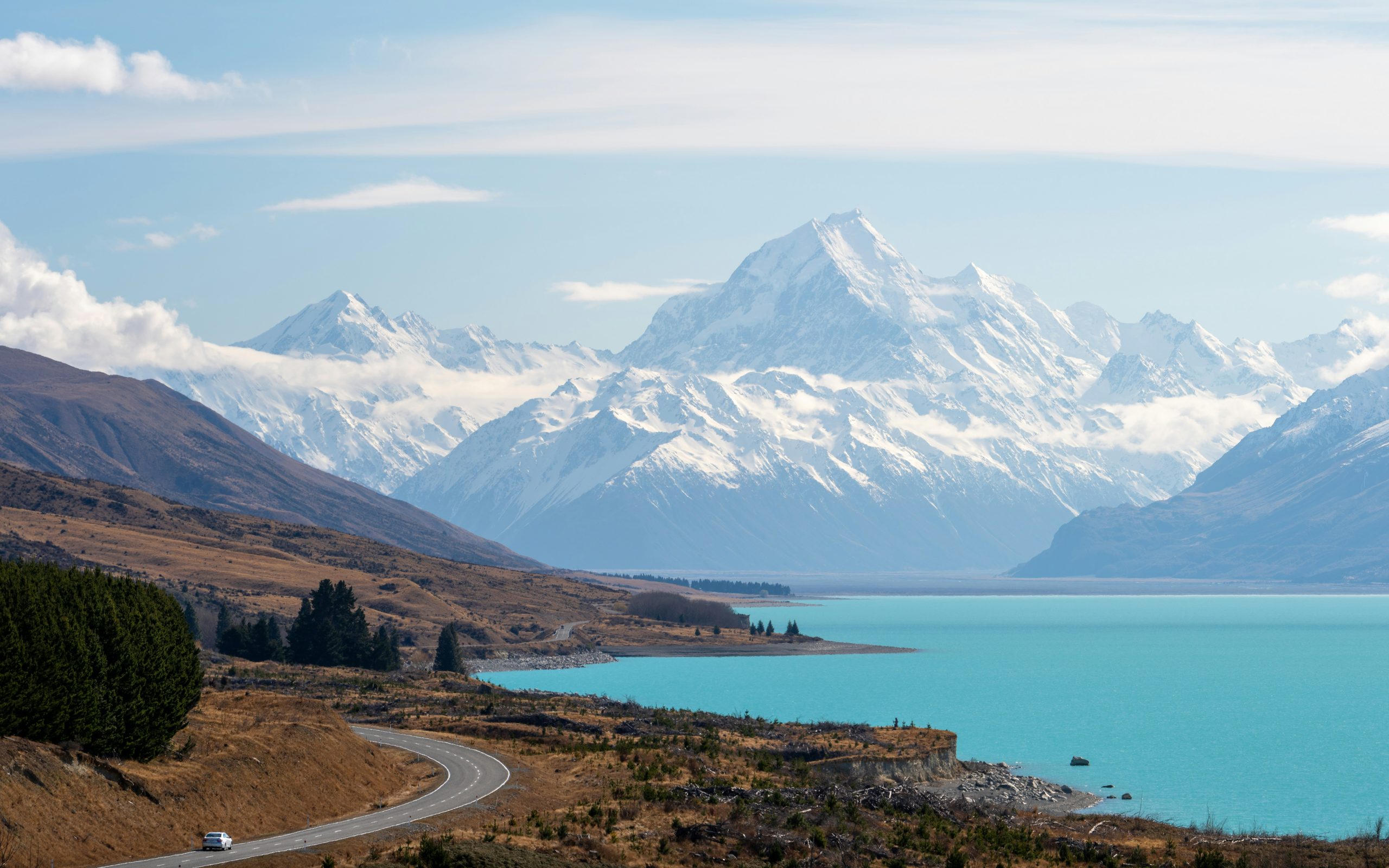
The South Island of New Zealand has scenic fjords and mountains that transport you to The Lord of the Rings’ Middle Earth. Milford Sound cuts through Fiordland National Park with waterfalls dropping straight from cliff to sea. Lake Tekapo and Lake Pukaki hold that impossible turquoise colour fed by glacial silt. Queenstown, the self-declared adventure capital of the world, is the perfect place to try your hand at bungee jumping, jet-sports and more.

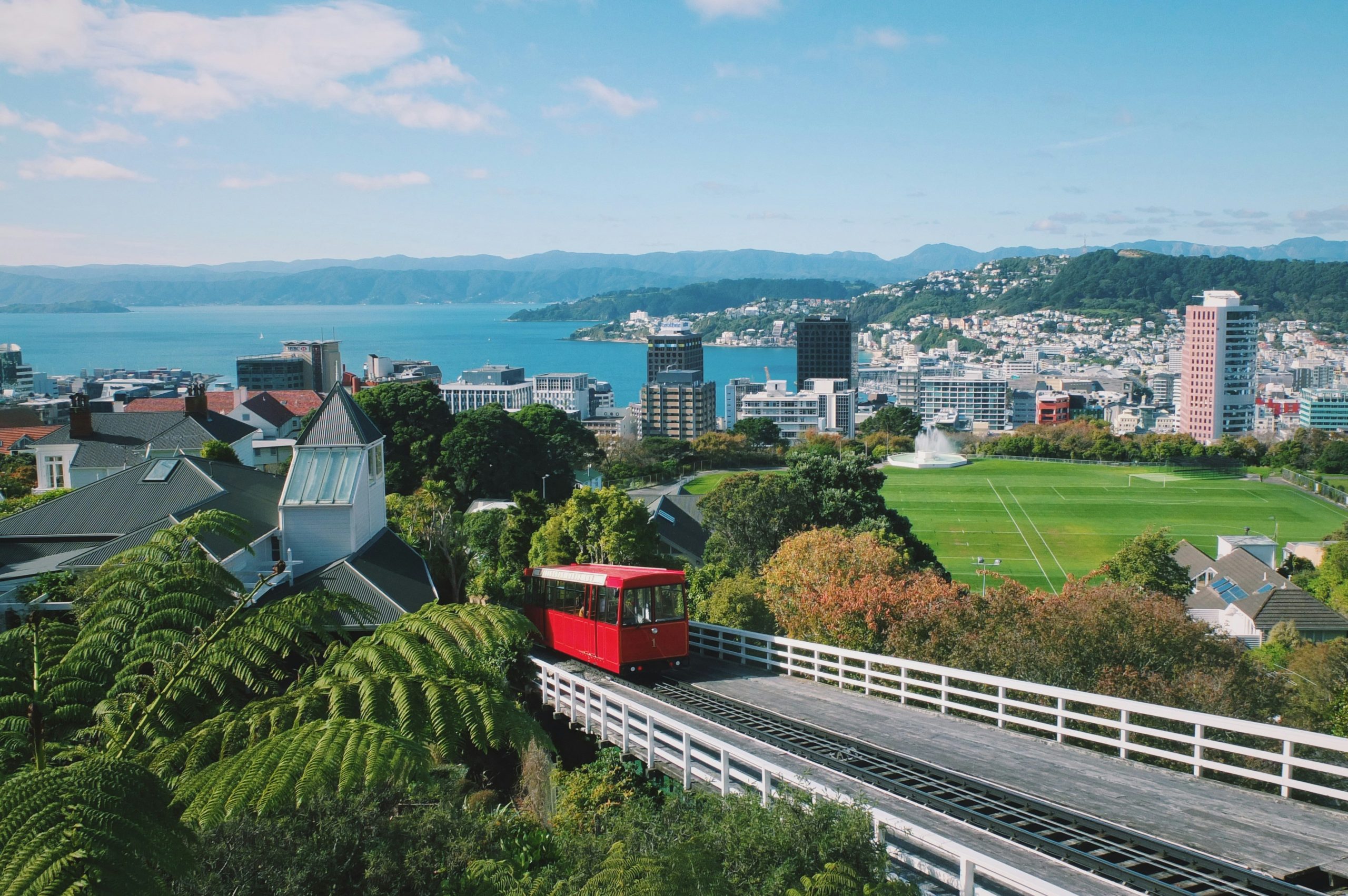
The North Island, home to most of the country’s population, is the beating heart of Māori culture. Rotorua’s bubbling mud pools and geysers can be found alongside marae, where you can share a traditional hangi meal and watch a traditional haka performance. The island also offers beaches, volcanoes and lively cities such as Auckland and Wellington. Whichever island calls to you first, White Trails’ New Zealand tour packages are built to cover the full range. Let’s help you discover the best of the island nation.

Places to Visit

With a flexible New Zealand tour package by White Trails, you can combine adventure and scenic sightseeing in one convenient booking. Get set to explore some of the following destinations.

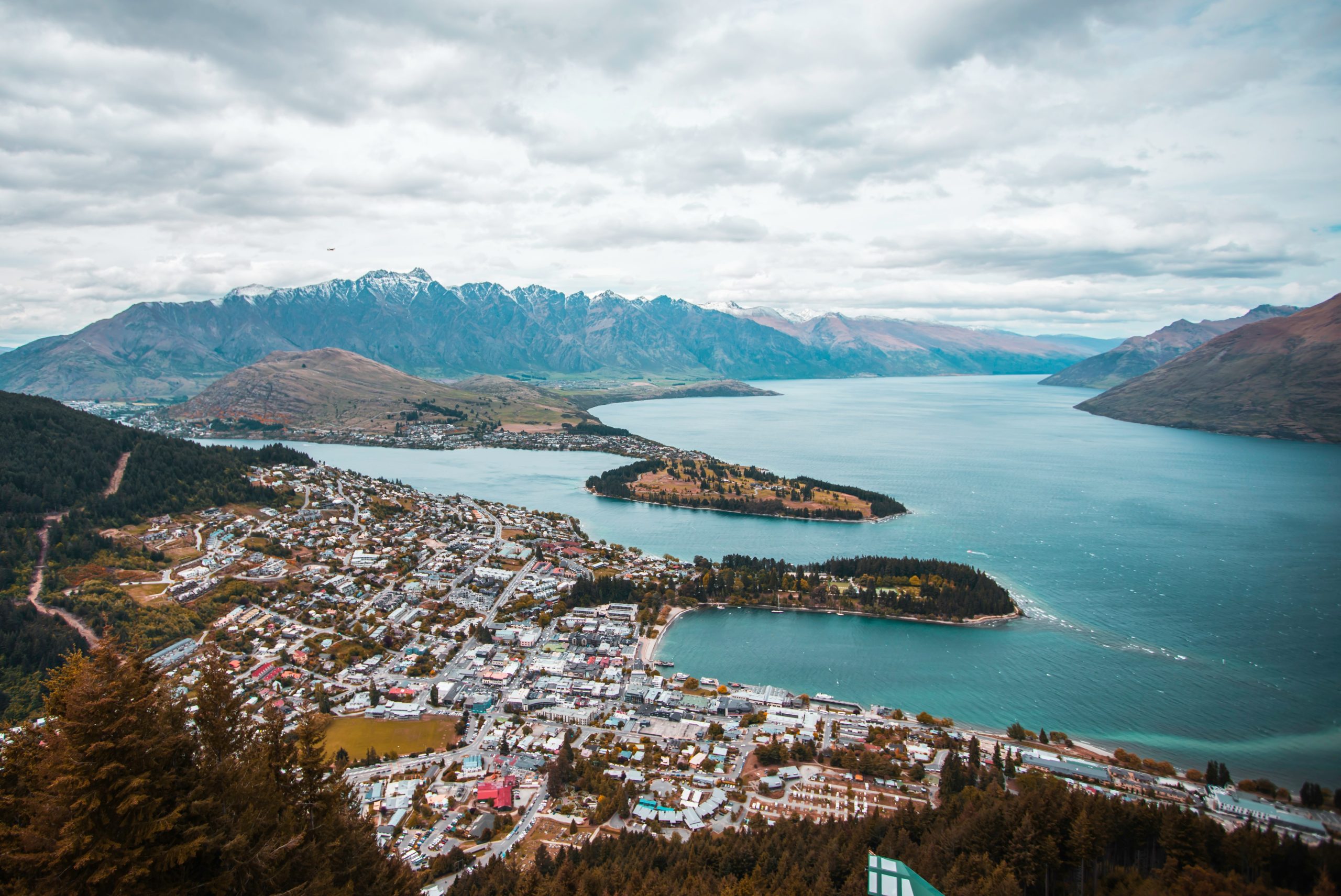
If you want a quick way to describe the South Island city of Queenstown, two words come to mind: adrenaline and adventure. Often featured in New Zealand holiday packages, Queenstown is known as the Adventure Capital of the World, with a spectacular alpine setting on the shores of Lake Wakatipu. Bungy jumping, skydiving, jet boating, skiing and hiking are among the many ways to experience its dramatic landscapes.

But Queenstown is not only for travellers who enjoy jumping off high places. Take the Skyline gondola for panoramic views, stroll through Queenstown Gardens or explore nearby Arrowtown, a historic gold-mining settlement with heritage cottages and boutique shops. If you have a car and more time to spare, you can also turn your Queenstown tour into a road trip towards Christchurch.
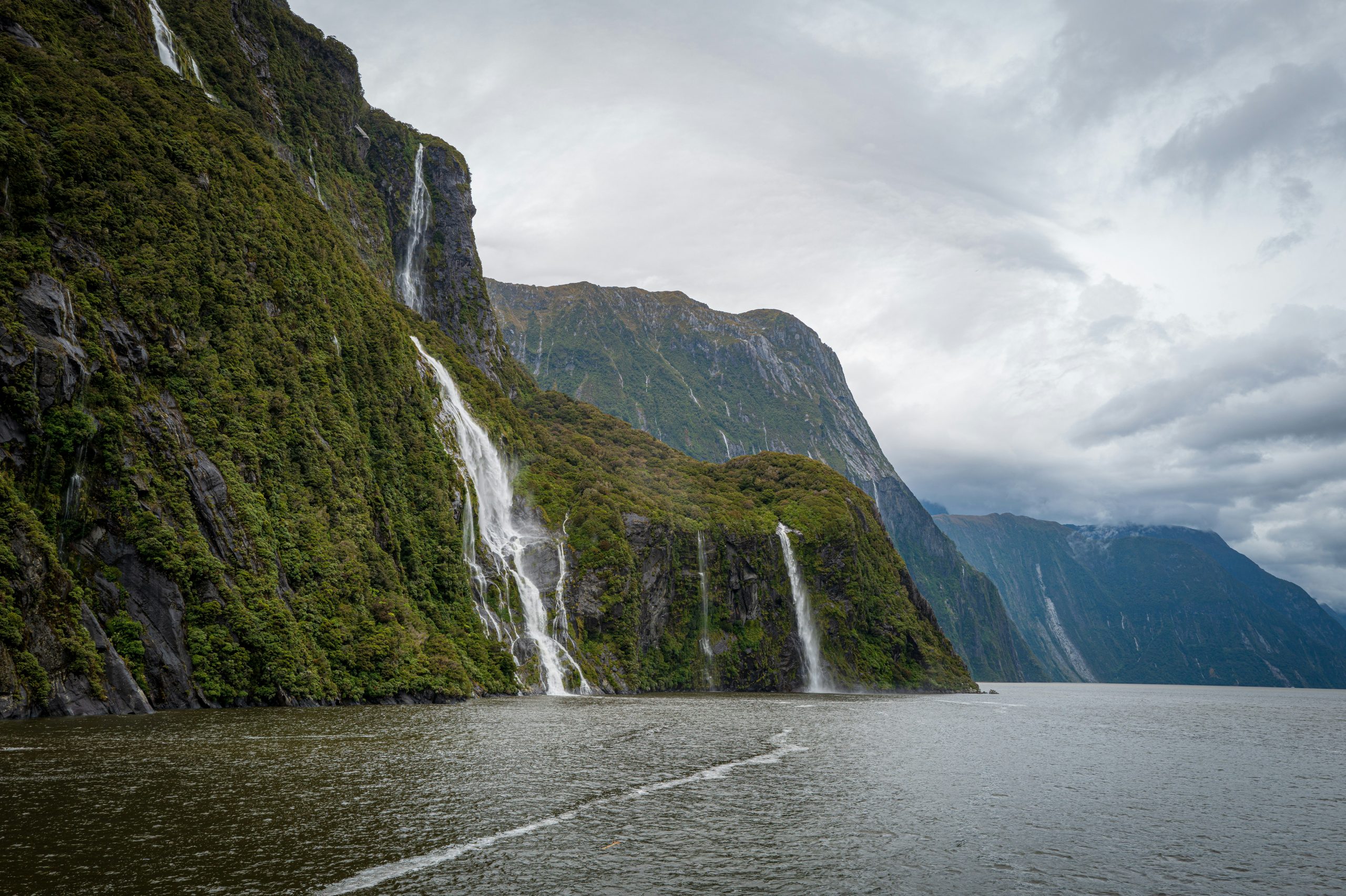
One of the most awe-inspiring corners of New Zealand, Fiordland National Park hosts Milford Sound, or Piopiotahi, the only fiord in Fiordland accessible by road. Tours of Milford Sound take you across dark waters, beneath towering peaks, through ancient rainforest and past waterfalls cascading down the cliffs after rain. Keep an eye out for seals, dolphins and penguins as you cruise beneath landmarks such as Mitre Peak.

The journey to Milford Sound is part of the experience, with Milford Road winding through beech forests, mountain valleys and the famous Homer Tunnel. Once there, take a boat cruise or, as many of our travellers prefer, explore the fiord by kayak. For hikers, the four-day Milford Track is one of New Zealand’s Great Walks, taking you through rainforest and past cascading waterfalls.

The views keep on giving as you explore Aoraki/Mount Cook National Park, home to New Zealand’s tallest mountain, Mount Cook. Despite its dramatic alpine landscape, the park has walks for different fitness levels, including the popular Hooker Valley Track. 

For a steeper challenge, take the Sealy Tarns Track, with around 2,200 steps climbing up the mountainside, earning it the nickname Stairway to Heaven. If you’re not looking forward to the physical effort, flights and helicopter tours offer views of the Southern Alps and Tasman Glacier. If you only have an afternoon, a scenic flight is an easy way to experience the landscape of Aoraki. 

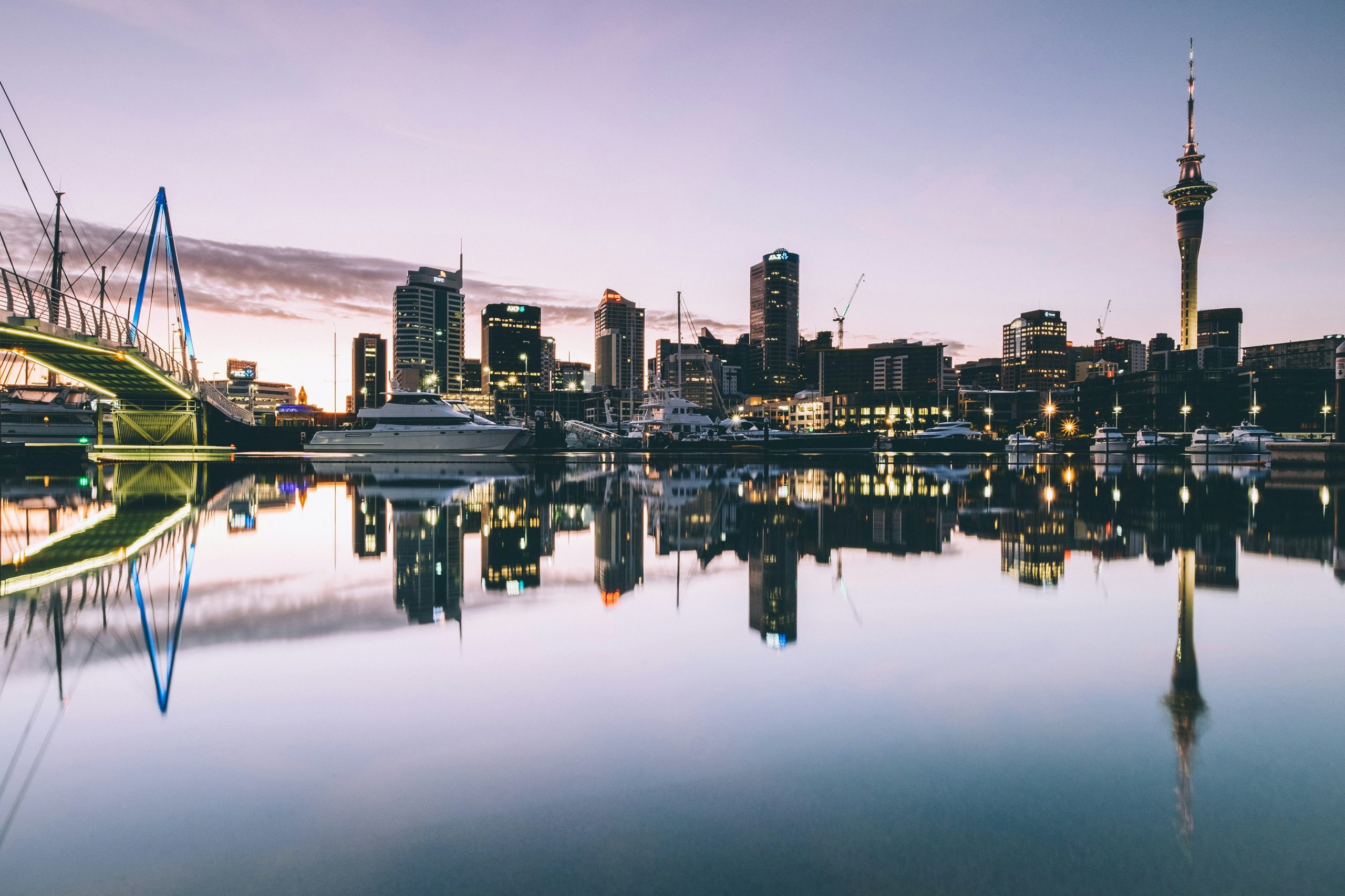
If you choose to start your trip from the North, most of our New Zealand holiday packages will begin in Auckland, the country’s largest city. Known as the City of Sails, Auckland sits between two harbours and is surrounded by volcanic cones, beaches and islands. Spend a relaxed day exploring the waterfront around Viaduct Harbour or heading up to the Sky Tower for views across the city and Hauraki Gulf.

For a taste of Auckland’s natural side, walk up Mount Eden, a dormant volcanic cone with views across the city or visit Auckland War Memorial Museum to learn more about Māori and Pacific Island heritage. A short ferry ride can drop you at Waiheke Island, where you can combine beaches with vineyard visits and cellar-door tastings. Nearby Rangitoto Island offers hiking trails and sweeping views of the gulf, making it an easy addition to an Auckland tour.

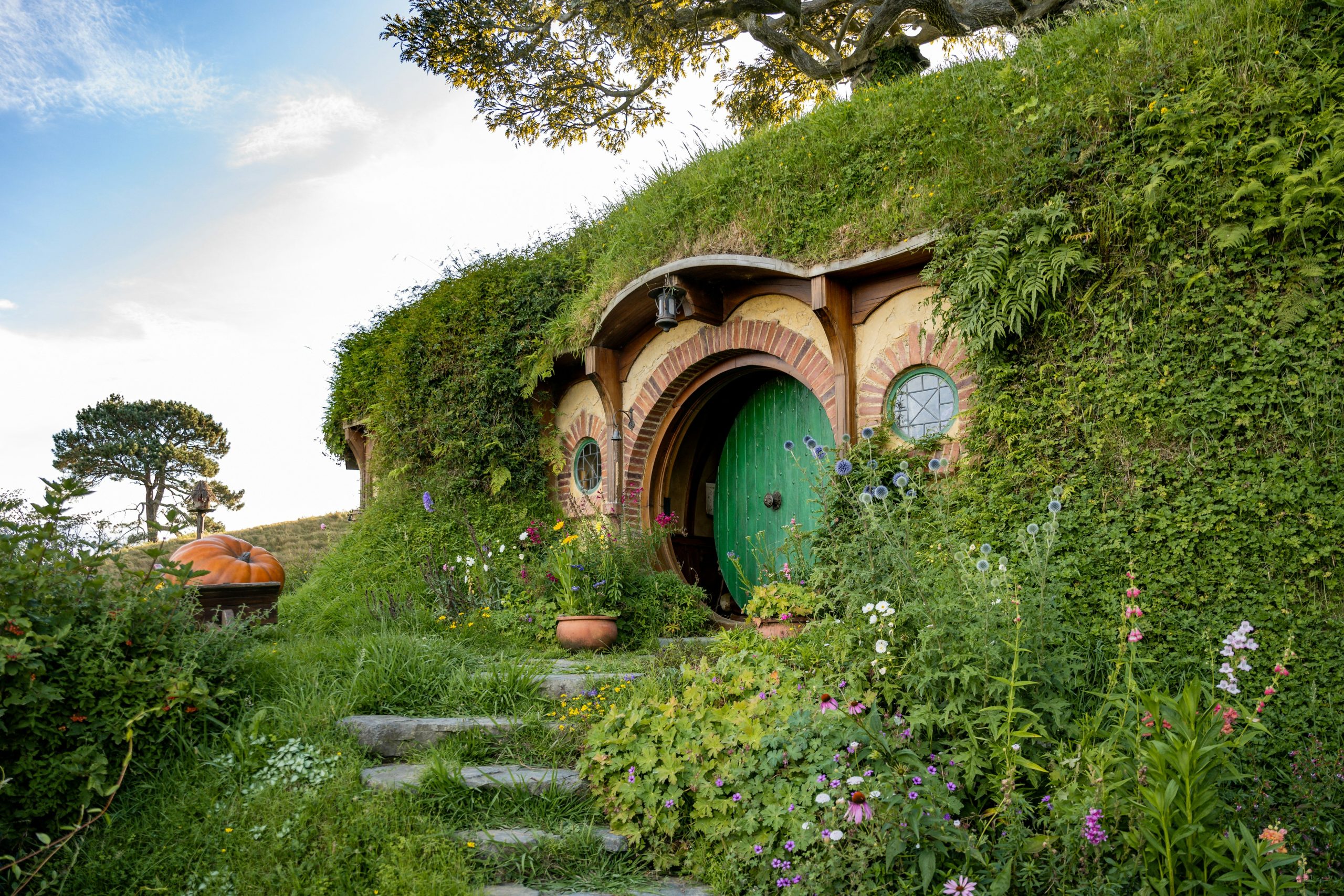
Follow the winding paths through Hobbiton and you’ll feel as though you’ve stepped straight into the Shire. The Hobbiton Movie Set in Matamata is where Peter Jackson filmed scenes for The Lord of the Rings and The Hobbit movie trilogies. The set has been carefully preserved as it appeared on screen. 

A guided tour takes you past 44 colourful hobbit holes, the Mill and the famous Party Tree, with plenty of stories about how the films were made along the way.

The tour halts at the Green Dragon Inn, where you can settle in with a complimentary Southfarthing drink beside the fire. If you have more time, themed experiences such as the Evening Banquet let you see the Shire lit up after dark and enjoy a feast. It is a must for Middle-earth fans, but even casual visitors will appreciate the scenery and attention to detail at Hobbiton.

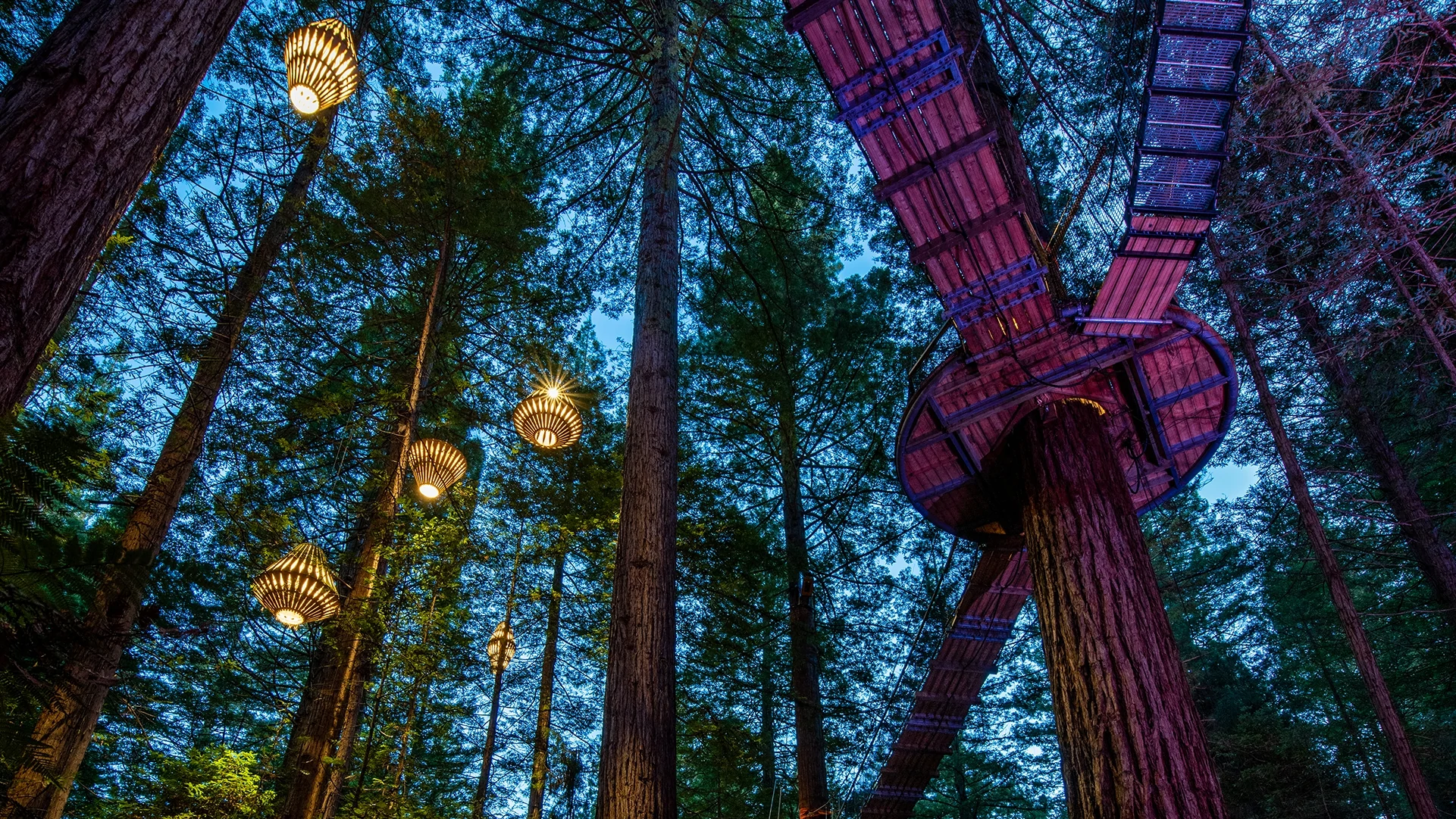
Known as the Sulphur City, you’ll smell Rotorua before you see it. This geothermal-active city is home to bubbling mud pools, steaming vents and geysers. At Wai-O-Tapu Thermal Wonderland, you can see colourful mineral terraces. You can also visit Whakarewarewa Forest, known for its towering redwoods and walking and cycling trails or explore the shores of Lake Rotorua.

Rotorua is known for preserving Māori culture as well. Visit a marae (a sacred communal meeting spot) for a traditional hangi meal and kapa haka performance or explore Māori carving and weaving at Te Puia. Travellers also often prefer to relax at one of the region’s many hot pools. You can pick from natural thermal spots and polished spas overlooking the lake.

Lake Taupo sits inside the crater of a huge volcano that erupted almost 2,000 years ago. You can still see signs of the region’s volcanic activity at Craters of the Moon, where steaming vents, bubbling mud pools and small geysers decorate the landscape. Nearby, Huka Falls is another popular stop, where the Waikato River courses through a narrow gorge. Lake Taupo is also ideal for kayaking, sailing and water-skiing. 

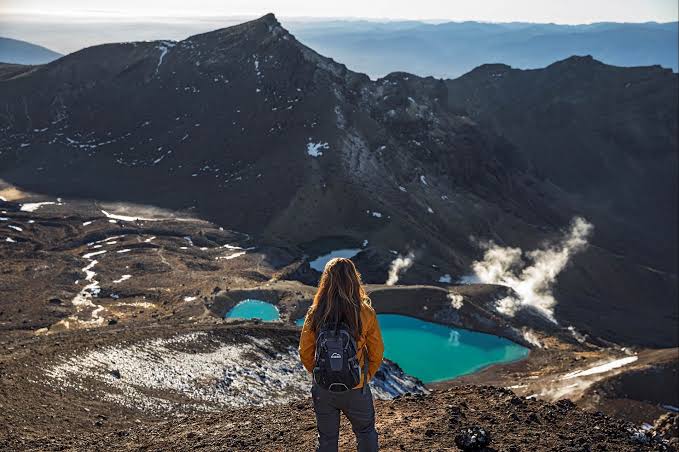
South of the lake, Tongariro National Park is home to the famous Tongariro Alpine Crossing. This challenging day hike takes you past the Red Crater, bright Emerald Lakes and the Blue Lake, with volcanic landscapes all around. You can also take in views of Mount Ngauruhoe, whose cone was used as the inspiration for Mount Doom in The Lord of the Rings.

Best Time to Visit New Zealand

New Zealand’s temperate climate means that you’ve got a great holiday on your hands, no matter when you visit. White Trails can help you plan your New Zealand tour around your preferred dates.

Summer

December to February 20°C to 25°C

Warm, sunny and dry, with long daylight hours

Summer (December to February) is New Zealand’s peak travel season, with warm days ideal for exploring beaches such as those around the Coromandel, hiking trails in Fiordland and Abel Tasman and adventure activities in Queenstown. Expect higher accommodation prices, busy attractions and more crowded trails, especially around popular spots such as Milford Sound and Mount Cook.

Autumn

March to May 18°C to 22°C

Mild and often clear, with cooler evenings

Warm days can linger into April, making autumn a good time to explore New Zealand with fewer crowds. The changing colours are especially striking around places such as Arrowtown and Central Otago. Autumn in New Zealand is also a great season for scenic drives, hiking and enjoying the country's smaller towns.

Winter

June to August 12°C to 16°C

Cold in the South Island, milder in the North

Winter turns Queenstown and Wānaka into lively ski towns, with resorts filling up with skiers and snowboarders visiting the Southern Alps. Even if you do not ski, winter is a good time to enjoy snow-covered mountain views and cosy lakeside towns. You can also expect fewer visitors and, outside the ski areas, potentially lower accommodation prices.

Spring

September to November 16°C to 19°C

Mild but alternating between sun and rain

Spring brings milder weather to New Zealand, with blossoms appearing across the country. It is a good time for hiking and road trips, particularly through places such as Hawke’s Bay, the Coromandel and the South Island’s alpine regions. Popular spots such as Milford Sound, Queenstown and Mount Cook see fewer visitors in the spring.

Top Things to Do in New Zealand

New Zealand is ideal for leisurely sightseeing punctuated with adrenaline-filled adventures. Your setting will always look straight out of a film. Whatever adventure holiday you seek, White Trails’ New Zealand holiday packages are an easy way to experience the highlights.

Skydive Above the Sprawling Landscape

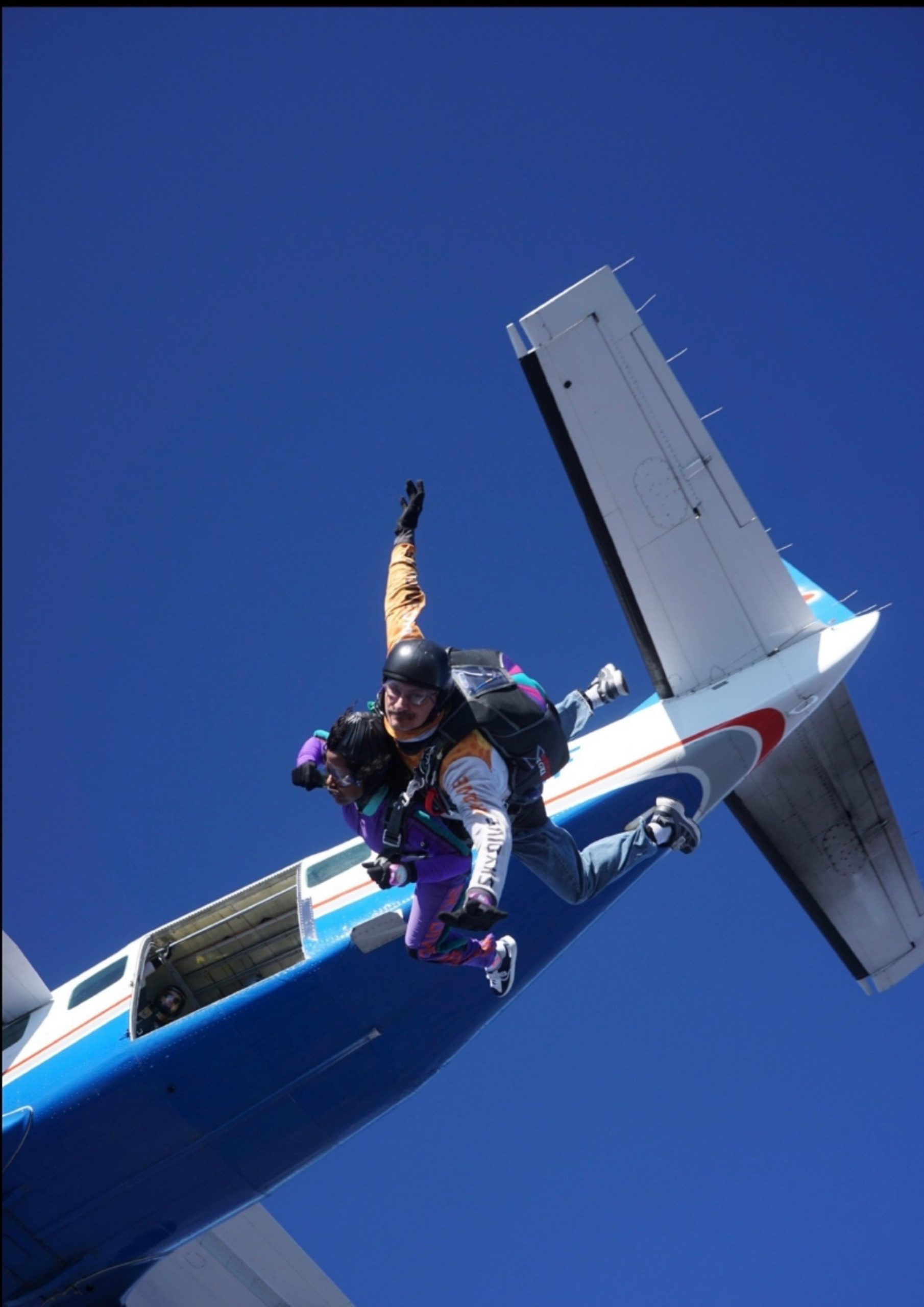
Queenstown is a popular skydiving base, with jumps offering views of Lake Wakatipu and the Southern Alps. Taupō instead offers views of Lake Taupō, volcanic peaks and the Central Plateau below. On the South Island’s West Coast, Franz Josef and Fox Glacier offer tandem jumps from up to 18,000 feet, with views stretching across the Southern Alps.

Skydive Above the Sprawling Landscape

Bungy Jump and Jet Boat

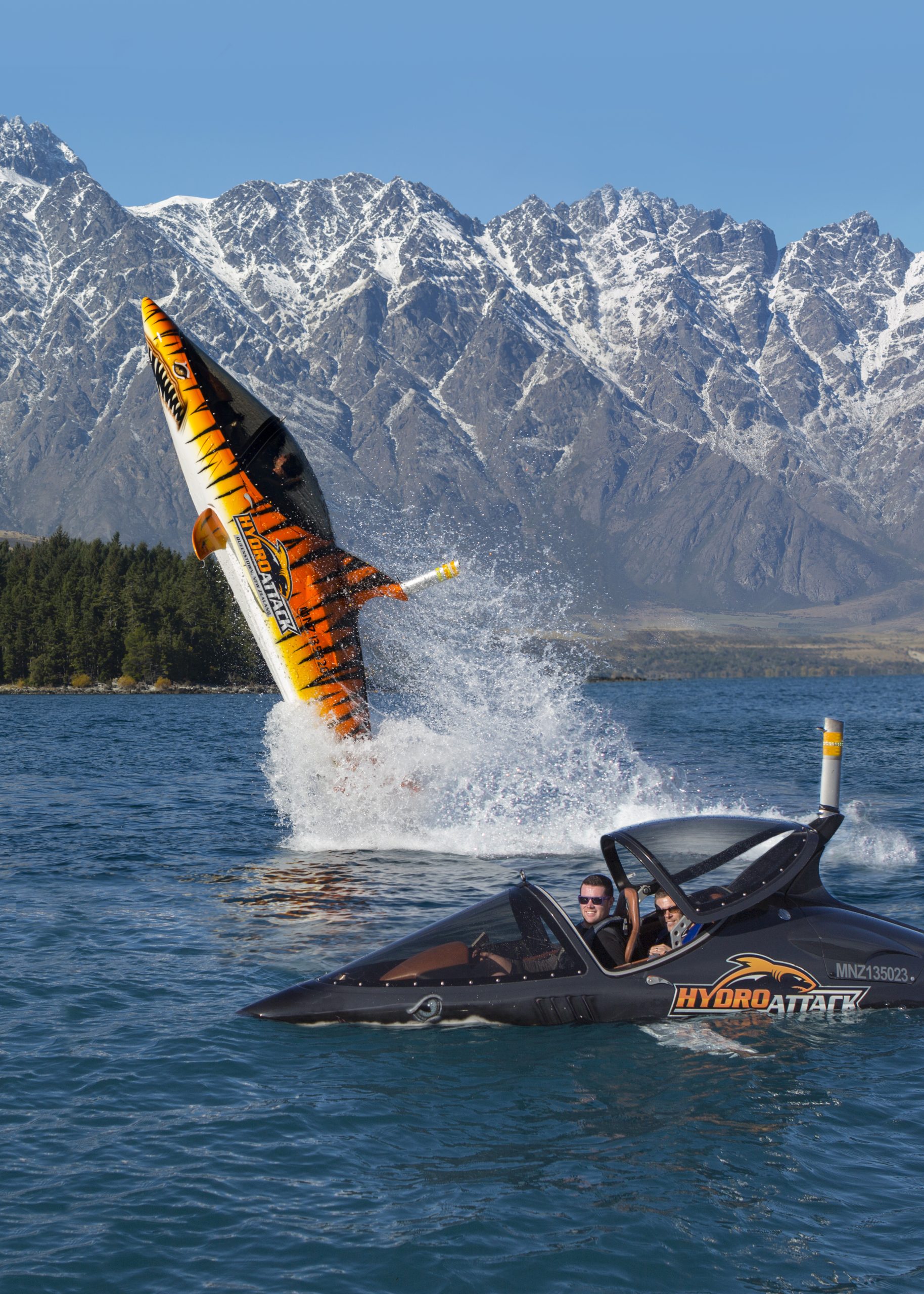
If you’re tracking adventure, we recommend Kawarau Bridge, where commercial bungy jumping actually began in 1988. The 43-metre jump sends you towards the Kawarau River, with the option to touch the water before being pulled back up. For another rush, take a jet boat through the Shotover River’s narrow canyons, speeding past rocky cliffs and making sharp spins along the way. Pair the two for a classic afternoon in famed Queenstown.

Bungy Jump and Jet Boat

Snorkel with Dolphins

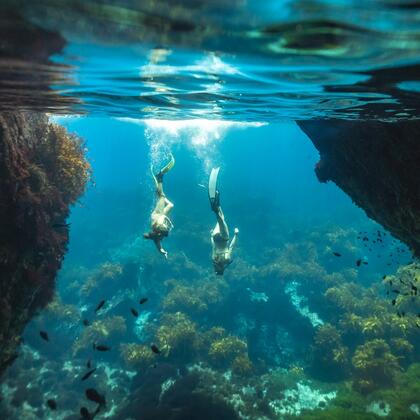
Off the coast of Kaikōura, wild dusky dolphins gather in pods that can number in the hundreds. Guided boat trips take you out into their natural habitat, where you can snorkel alongside them as they swim, dive and play around you. Kaikōura’s backdrop of the Seaward Kaikōura Range makes the experience even more memorable.

Snorkel with Dolphins

Walk Down the Franz Josef and Fox Glaciers

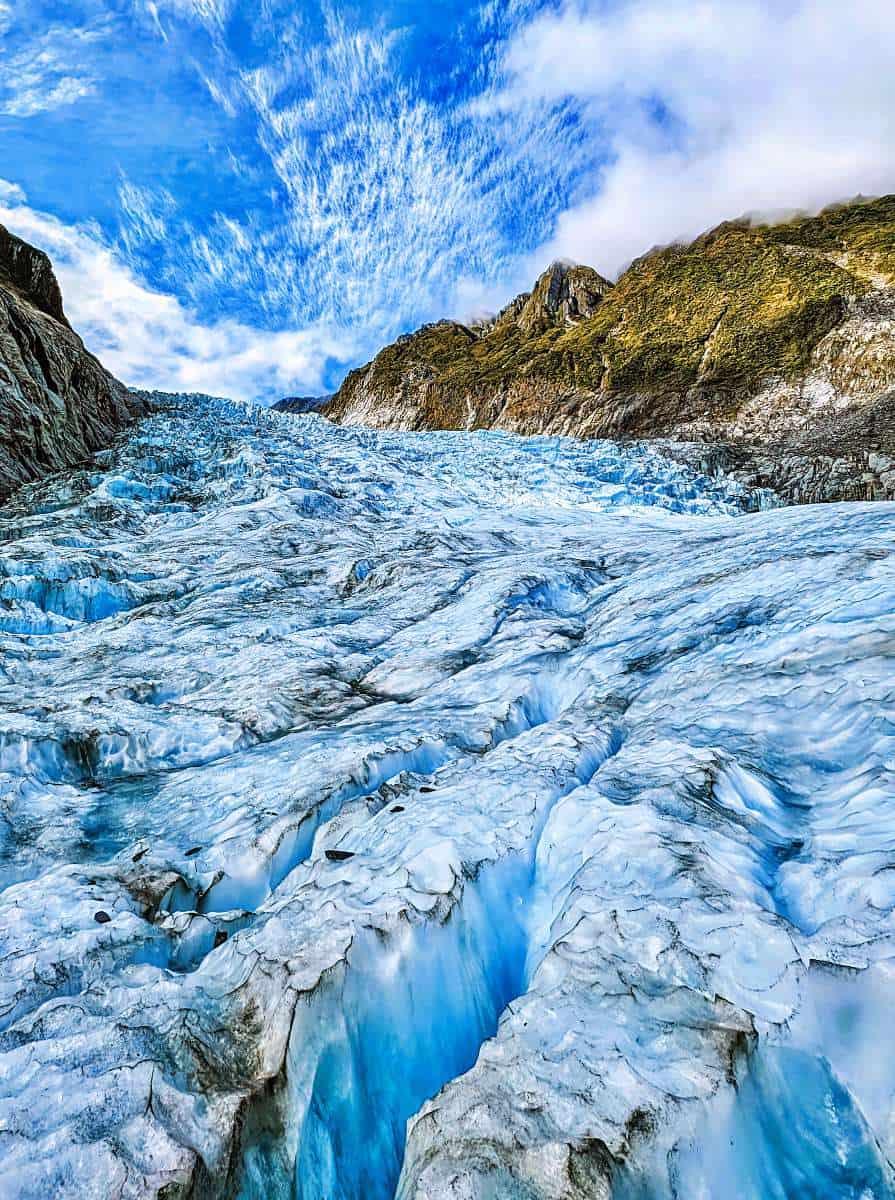
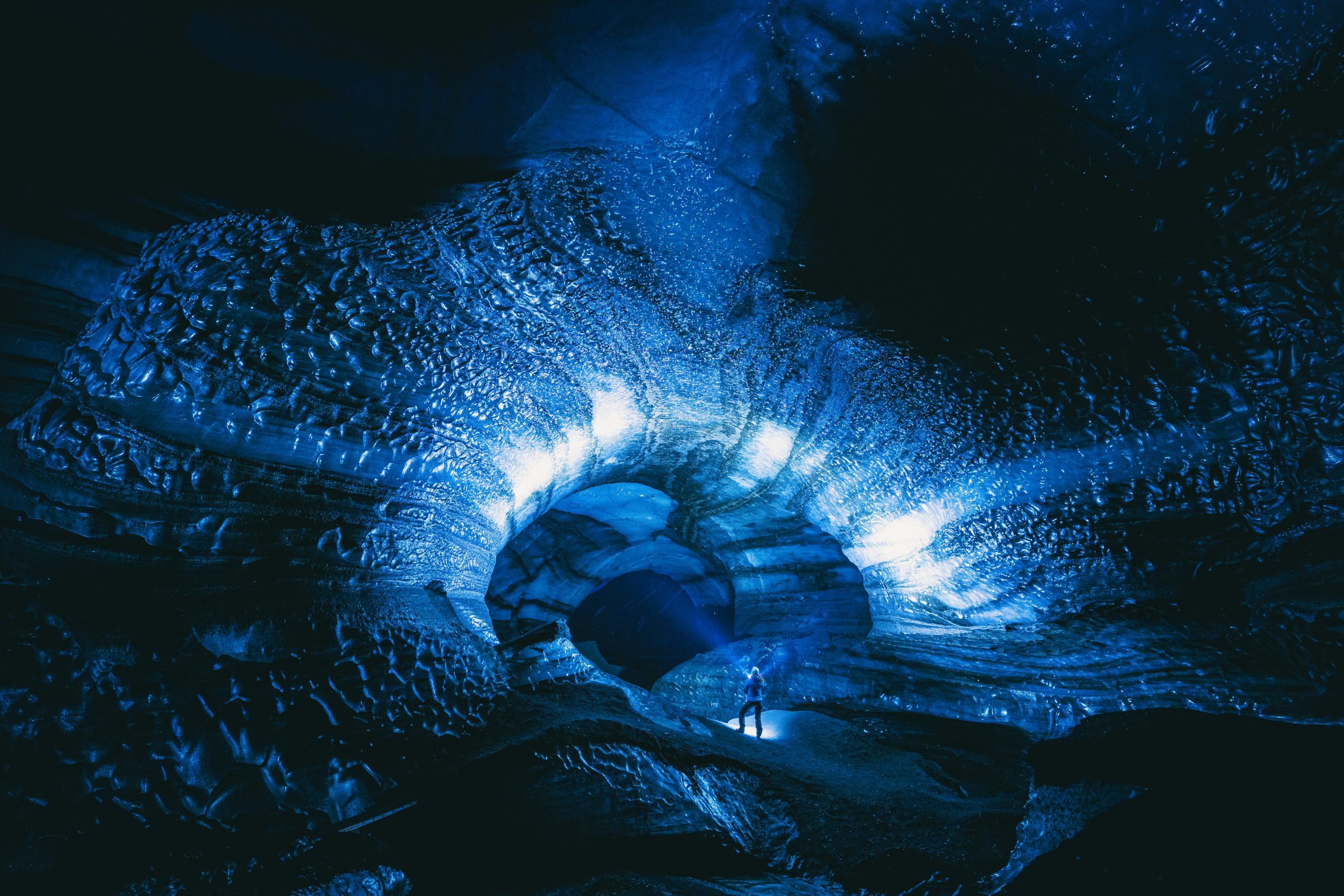
On the South Island’s West Coast, Franz Josef and Fox glaciers offer a rare chance to walk on ice that’s millions of years old. Helicopter flights land on the glaciers, where specialist guides lead you across icy terrain and through crevasses and blue ice formations. No previous glacier-walking experience is needed, although the terrain can be physically demanding.

Walk Down the Franz Josef and Fox Glaciers

Discover New Zealand's Local Culture

New Zealand is unabashed about its connection to Polynesian culture. You can experience the best of New Zealand’s heritage with customisable New Zealand tour packages by White Trails.
Experience Māori Heritage

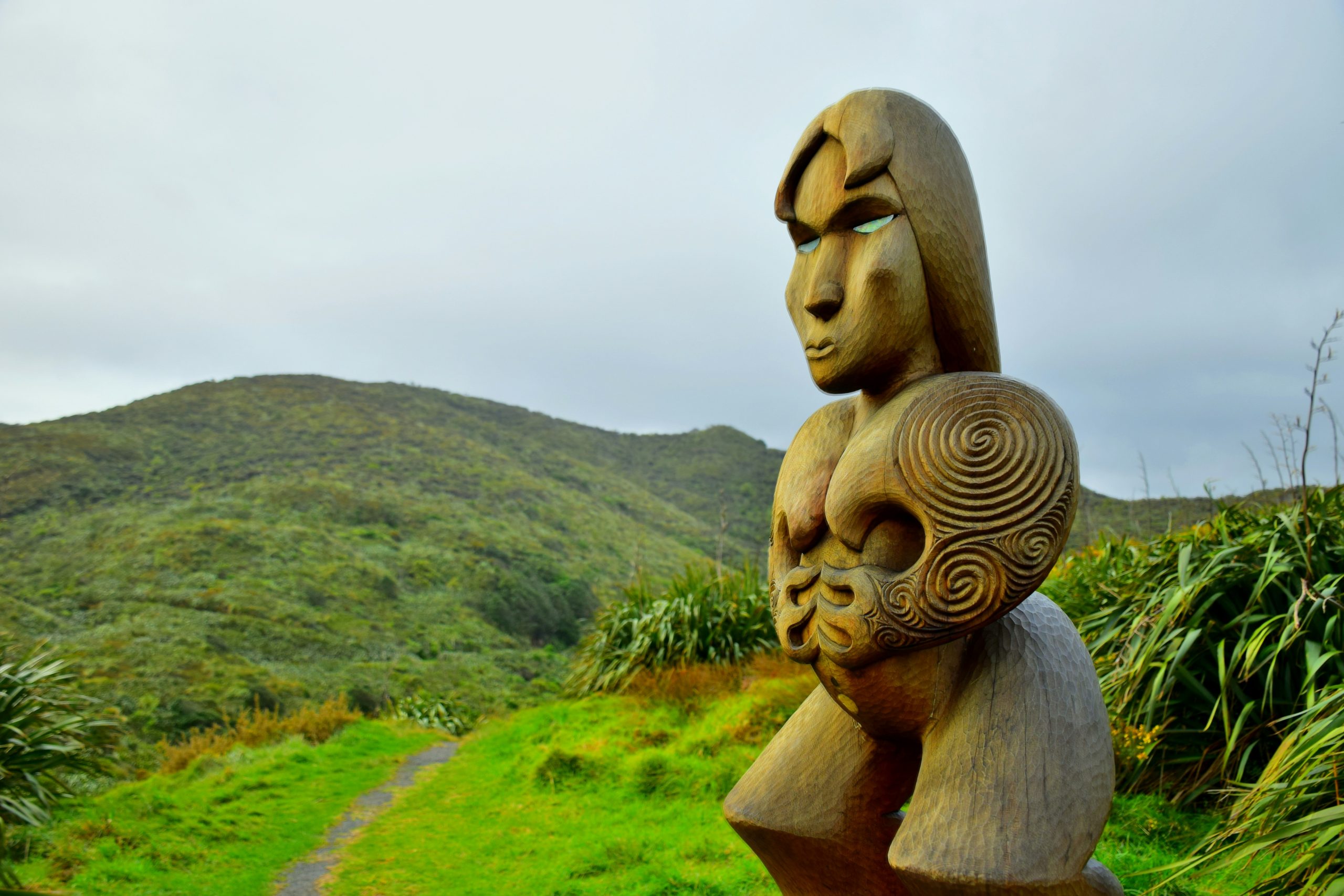
Māori culture is woven into everyday New Zealand life, from place names and te reo Māori to traditional art, storytelling and greetings. Look out for Māori carvings, cultural performances and local stories as you travel.

Watch Haka Performances

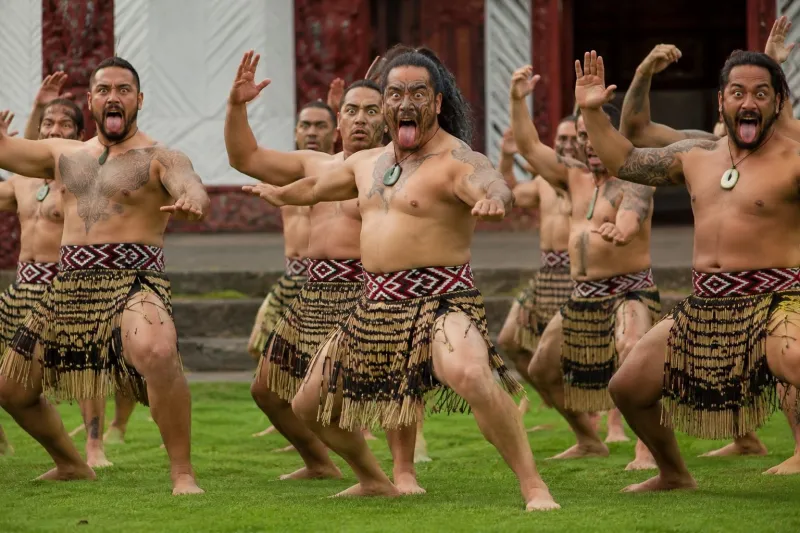
The haka is a powerful, chanted performance of stamping feet, rhythmic movements and intense facial expressions. Traditionally used to welcome guests and prepare warriors for battle, it remains an important part of Māori culture. Rotorua is one of the best places to experience a haka.

Traditional Cuisine

Hangi is a Maori cooking method, where meat and vegetables are slow-cooked in a pit lined with heated stones. Rotorua’s geothermal landscape takes the tradition a step further, using natural steam and thermal heat to cook the hangi. Visit the Whakarewarewa Living Māori Village, Tamaki Māori Village or Te Puia for a hangi experience.

Travel Essentials for Your New Zealand Trip

A few deliberate choices can make your New Zealand trip a whole lot smoother. Choosing curated New Zealand tour packages and sorting out your travel requirements in advance can help you make the most of your time.

Indian citizens need a valid New Zealand Visitor Visa before travelling. Below are the steps to complete the procedure.

  • Apply through the official New Zealand immigration website and keep your passport, photographs, proof of funds, accommodation details and travel itinerary ready. Follow the outlined steps to successfully submit your visa.
  • Complete the New Zealand Traveller Declaration (NZTD) before arrival.
  • New Zealand has strict biosecurity rules. Declare food, spices, seeds, plant products, animal products and used outdoor equipment when required.

The currency of New Zealand is the New Zealand Dollar (NZD). 

  • International debit and credit cards will be accepted at hotels, shops, restaurants and other tourist attractions. 
  • Carry some local currency for smaller businesses where card payments might not be available. 
  • Tipping is not compulsory, but it is appreciated. 
  • Avoid exchanging large amounts of money if avoidable, as exchange rates will be less favourable. 

New Zealand is easy to explore by road, especially in the South Island, which includes Queenstown, Milford Sound and Mount Cook, among others. 

  • Rental cars are a good option for exploring independently. The country drives on the left-hand side, similar to India. 
  • Carry your valid Indian licence along with an approved English translation or International Driving Permit. 
  • Domestic flights are useful for covering longer distances between the South and the North Island. 
  • Buses and coaches connect major towns and tourist areas. 

The country’s weather can vary widely, so carry suitable layers and rain protection. Here’s what to pack when visiting New Zealand.

  • Pack light, breathable clothes with warm layers.
  • Carry a waterproof jacket.
  • Comfortable shoes are essential for hiking trails and sightseeing.
  • If you are travelling in colder months or visiting alpine destinations, carry extra layers, a warm hat and gloves.
  • Carry sunglasses, sunscreen and a hat for UV protection.

New Zealand has a relaxed culture, but travellers should respect Māori customs and the environment. 

  • A friendly “Kia ora” is a useful Māori greeting.
  • Dress appropriately when visiting cultural or community spaces. 
  • Follow local instructions if visiting a marae or taking part in any Māori cultural experience. 
  • Ask before photographing people.

Network coverage can become limited in remote parts of New Zealand, but it is otherwise pretty dependable.

  • Indian travellers can use international roaming or purchase a New Zealand SIM or eSIM. 
  • A local data plan is useful for Google Maps, ride-hailing, bookings and checking travel information.
  • Connectivity may be disrupted in remote areas, particularly around hiking destinations. Download important information to manage accordingly. 

FAQs

Quick answers to the most common queries about travelling in New Zealand.

Yes, you can bring some Indian food into New Zealand, but strict biosecurity rules apply. Declare all food items, including spices, at the border. If you are unsure whether an item is allowed, declare it so a biosecurity officer can assess it.

Yes, you can drive in New Zealand with a valid Indian driving licence if it meets New Zealand’s requirements. If your licence is not in English, you must also carry an approved English translation or an International Driving Permit.

Travel insurance is strongly recommended when visiting New Zealand, particularly if your itinerary includes hiking, skiing, bungy jumping, skydiving or other adventure activities. Make sure your policy covers all activities.