Overview

If you’re thinking of lush green mountainscapes, gushing waterfalls, crowded markets and aromatic food, you’re only privy to half the story of Vietnam. Standing today as a product of thousands of years of culture, cuisine and natural beauty, Vietnam is the land of dragons, rice paddies and limestone cliffs. From the misty mountains of the north to the tropical waterways of the Mekong Delta, the country shifts in character as you travel.

If it is your first trip to the country, pace yourself, because there is something for everyone. Feel the weight of history as you crawl through the Cu Chi Tunnels, wander through Hoi An’s lantern-lit Ancient Town or watch limestone karsts rise dramatically from the waters of Ha Long Bay. In Hanoi, old quarters and street-side kitchens showcase a more intimate side of Vietnamese life, while Ho Chi Minh City kicks things up a notch with its bustling markets and colonial-era landmarks.

If you’re unsure of where to start, White Trails can help you plan your itinerary with Vietnam tour packages. This is how you gather the experiences and flavours that make Vietnam worth remembering.

Places to Visit

There is no right or wrong starting point for a country that holds at least 8 UNESCO World Heritage Sites. To ensure you hit the best spots, White Trails offers Vietnam tour packages for a more convenient travel experience.

Start your Vietnam Holiday package in Hanoi, Vietnam’s thousand-year-old capital, where the lively Old Quarter sits alongside the elegant French Quarter. Wander through the Old Quarter’s narrow streets and browse its many shops, stopping to try local favourites such as pho and egg coffee. Look out for Hang Bac, known for its silver shops, and Hang Gai, traditionally associated with silk.

After the bustle of the Old Quarter, head to Hoan Kiem Lake for a relaxed evening by the water, or visit Ngoc Son Temple on its small island. Travellers can also look out for the Temple of Literature, Vietnam’s first university, and the building that features on the back of the 100,000d bill.

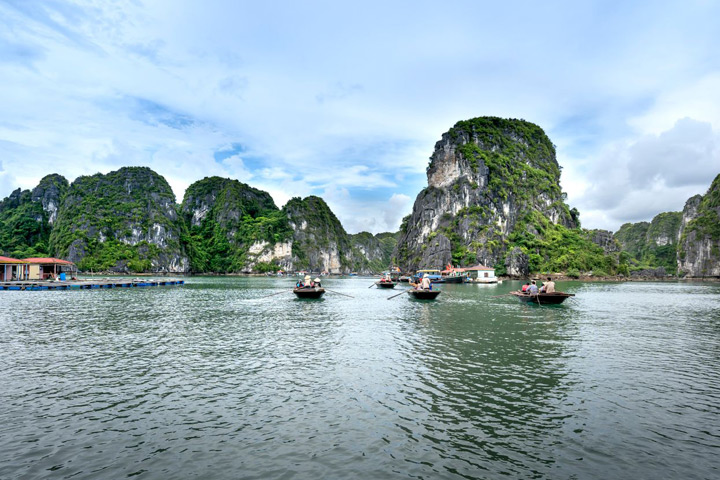
Ha Long Bay is notable for its breathtaking 1,600+ limestone islands and islets enveloped by emerald-green waters. A UNESCO World Heritage Site, local legend attributes the dramatic landscape to dragons sent by the Jade Emperor to protect Vietnam from invaders.

Book a Ha Long Bay cruise to sail between its pillars, with many itineraries stopping at caves such as Hang Sung Sot, called Surprise Cave. You can also kayak through the calm waters around Luon Cave or the Ba Hang area, often surrounded by towering cliffs. Some cruises include visits to floating fishing communities and pearl farms.

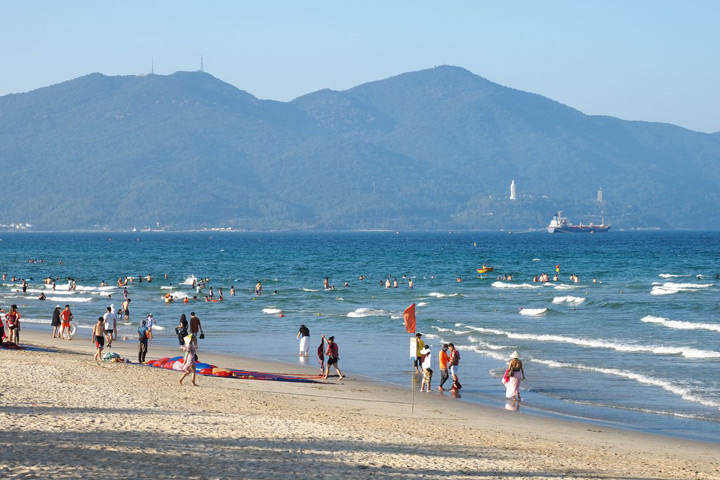
In the south of the country is Da Nang, where golden beaches stretch along the central coast. Spend a relaxed afternoon by the sea with an iced Vietnamese coffee. A cable car ride takes you to Ba Na Hills, where the famous Golden Bridge curves between two giant stone hands.

Beyond the city, the Marble Mountains rise from the coastal plain as five limestone and marble peaks. Each represents one of five elements: Metal, Water, Wood, Fire and Earth. Inside, caves shelter pagodas, shrines and Buddhist sanctuaries, while steps carved into the mountains lead to viewpoints overlooking the coast.

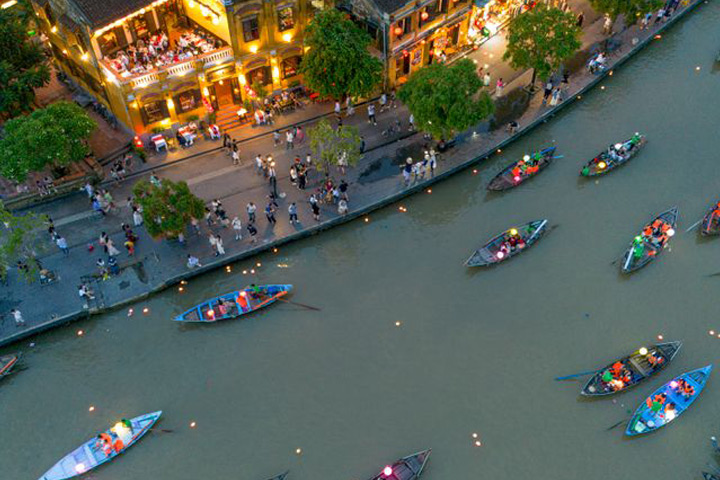
The ancient town of Hoi An is an essential stop on any Central Vietnam tour. After dark, hundreds of colourful lanterns illuminate the Old Town, giving the streets a distinctly magical atmosphere.

Hoi An is also famous for its tailors! You’ll find skilled craftsmen able to create (or re-create!) made-to-measure garments from your Pinterest boards. Among the town’s historic landmarks is the 17th-century Japanese Covered Bridge, associated with a local legend about Namazu, a mythical giant catfish believed to cause earthquakes. Explore the bridge and surrounding lanes to see how history, commerce and folklore remain woven into Hoi An’s character.

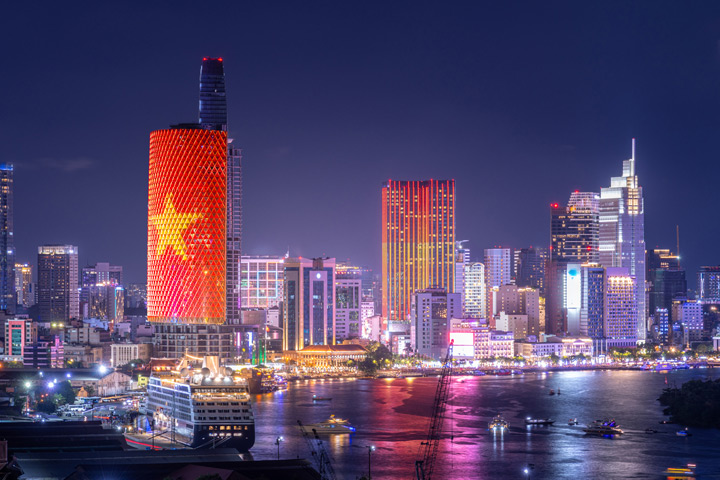
In Southern Vietnam, embark on a Ho Chi Minh city tour! Officially named after the revolutionary leader but still widely known as Saigon, the city’s French colonial buildings share the streets with modern towers and the aroma of fresh banh mi.

Visit the War Remnants Museum for a closer look at the impact of the Vietnam War. Located beyond the city, the Cu Chi Tunnels are the underground network used by Viet Cong forces, with widened sections open to visitors.

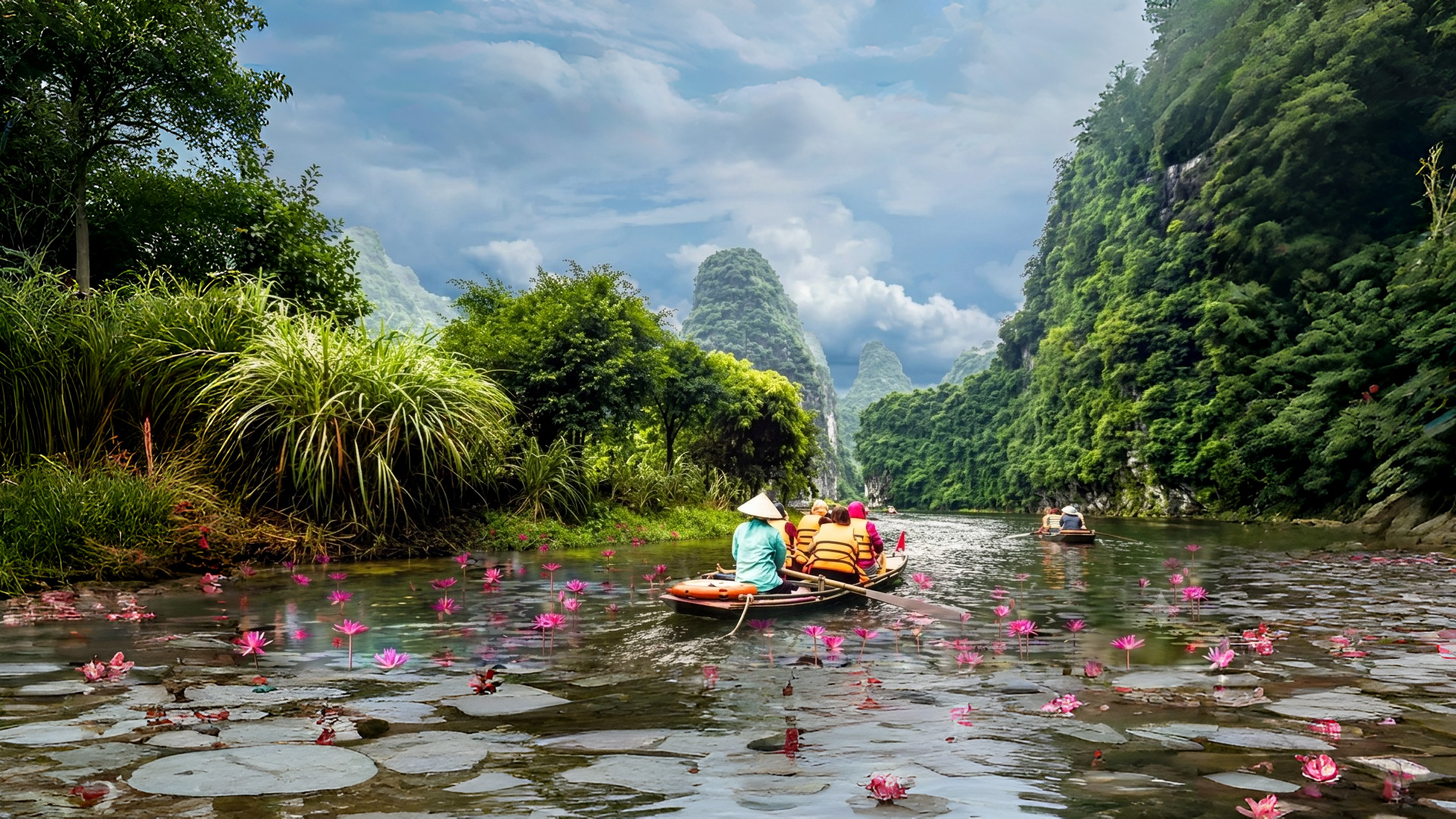
Further south, the Mekong Delta is a maze of rivers and canals. Boat through floating markets, fruit orchards and riverside villages to see how local life remains closely connected to the waterways.

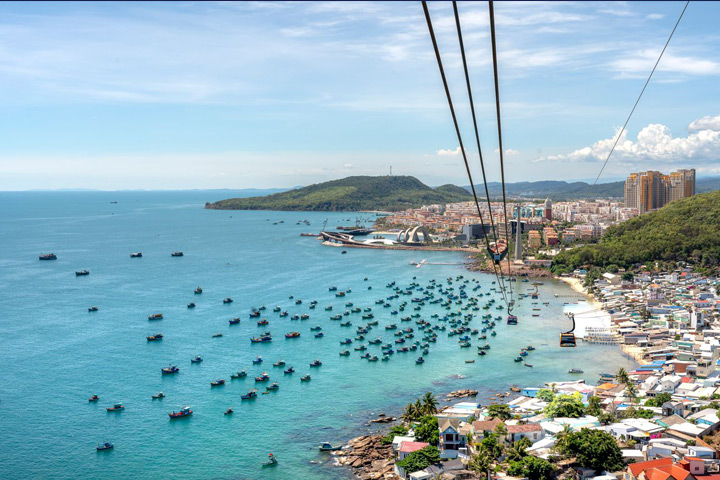
Off Vietnam’s southwestern coast, Phu Quoc Island is known for its white-sand beaches and turquoise waters. The Hon Thom Cable Car is a major highlight, stretching 7,899.9 metres across the sea to Hon Thom Island. 

Beyond the beaches, travellers can explore local pepper farms, visit a fish sauce factory or discover traditional fishing villages to get a taste of Phu Quoc’s local life.


For a livelier evening, head to Grand World, known for its colourful architecture, canal-side setting and evening entertainment. You can also browse the Phu Quoc Night Market for local seafood and island specialities. With opportunities for snorkelling, island-hopping and beachside sunsets, Phu Quoc is a treasure trove for those chasing adrenaline and those looking to relax.

Best Time to Visit Vietnam

Vietnam’s varied and vibrant landscape, from the north to the south, makes it a suitable destination across all seasons. White Trails can offer Vietnam tour packages that suit your preferences.

Summer

Jun to Aug 25 - 35°C

Hot and stormy in the north, dry in the centre, daily afternoon rain in the south

Northern Vietnam is hot and humid during summer, but a Ha Long Bay cruise can still be enjoyed when the weather is settled. Central Vietnam is generally warm and dry through August, making this a favourable period for exploring Hoi An, Hue and the surrounding coast. Further south, the wet season brings frequent downpours (though they pass quickly).

Autumn

Sep to Nov 20 - 33°C

Clear in the north, typhoon season in the centre, drying out in the south

Autumn is one of the best times to visit the north, with cooler temperatures and clearer skies over Hanoi and Halong Bay. Central Vietnam is at its wettest, with typhoons more likely around Da Nang and Hoi An. The south, meanwhile, starts easing back into its dry season.

Winter

Dec to Feb 10 - 31°C

Cold and dry in the north, mild in the centre, warm and dry in the south

Vietnam’s winter varies sharply from north to south. Hanoi experiences cool, crisp days, while Sapa can feel cold in its mountainous setting. Central Vietnam stays relatively mild, although occasional rain is possible. Further south, sunshine and lower rainfall make this one of the most pleasant times to visit Ho Chi Minh City or spend a few days on the beaches of Phu Quoc.

Top Things to Do in Vietnam

Vietnam is a great location for Indian travellers and if you’re eager to experience its greatest hits, White Trails offers convenient Vietnam tour packages.

Wander Under a Thousand Lanterns

Once a month, on the 14th day of the lunar calendar, Hoi An's Ancient Town switches off its electric lights and lets thousands of silk lanterns take over. The tradition traces back to the 16th century, when Chinese and Japanese traders hung lanterns to mark full moon nights. Even outside the festival, Hoi An’s lantern-making workshops are also worth a visit. Watch as artisans work with bamboo and silk to make sphere and lotus-shaped lanterns.

Wander Under a Thousand Lanterns

Trek the High North

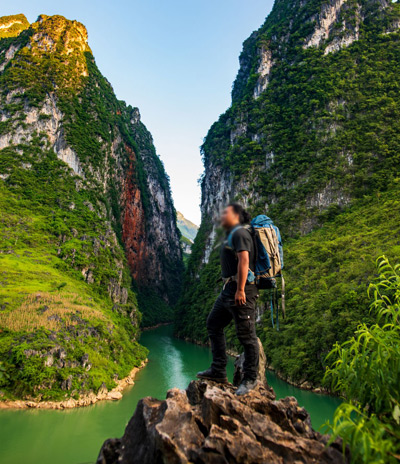
Vietnam’s best trekking routes run through its northern highlands, with Sapa serving as a popular base. Trails lead through the terraced rice fields of Muong Hoa Valley and into villages home to ethnic communities, offering a closer look at their traditions and everyday life. For a more challenging adventure, take a two- to three-day trek towards Fansipan, Vietnam’s highest mountain and the tallest peak in Indochina at 3,143 metres. A cable car offers a quicker alternative for travellers short on time. Hiring a local guide is recommended, particularly for longer or less familiar trails.

Trek the High North

Surf in Clear Waters

Vietnam’s surf scene remains relatively low-key, with the sport gaining a foothold in the country during the 1960s when American servicemen introduced it to the coast. Da Nang is now one of the country’s better-known surf destinations, with a long stretch of beach and several breaks around the city. Further south, Mui Ne and Vung Tau also attract surfers when conditions are right, while Nha Trang’s Bai Dai Beach offers gentler waves and surf schools with boards and lessons for beginners.

Surf in Clear Waters

Go Cave Hopping

Central Vietnam’s Phong Nha-Ke Bang National Park hides one of the world’s most extraordinary underground landscapes. Son Doong is recognised as the world’s largest known cave passage by volume. Its vast chambers are so immense that a skyscraper could fit inside. Access is highly restricted, with only a limited number of guided expeditions permitted each year. Nearby Paradise Cave and the Tu Lan cave system offer spectacular alternatives that are more accessible.

Go Cave Hopping

Ride a Basket Boat Through the Coconut Palms

Just outside Hoi An, Cam Thanh village is surrounded by a dense water coconut forest threaded with narrow waterways. Here, you can climb aboard a thúng chai, a traditional round basket boat that has become one of the area’s most unusual experiences. One local story claims the boats were developed to help fishermen avoid taxes imposed during French colonial rule. The same palm-lined waterways later offered concealment during the Vietnam War. Today, a local rower guides you beneath the palms, with many rides ending in a surprisingly dizzying spin across the water.

Ride a Basket Boat Through the Coconut Palms

Discover Vietnam's Local Culture

Vietnam’s local cultural mosaic is diverse, and each region promises something unique. If you’re looking forward to witnessing it up close, White Trails offers customisable Vietnam tour packages for all travellers.
Local Cuisine

Pho, the country’s most famous dish, is closely associated with northern Vietnam, where its clear, aromatic broth is served with rice noodles, herbs and meat. Central Vietnam brings bolder flavours, from Hue’s spicy bun bo Hue to Hoi An’s distinctive cao lau, made with thick noodles, pork and fresh herbs. In the Mekong Delta, dishes tend to lean sweeter, with coconut, palm sugar and tropical produce.

Coffee Culture

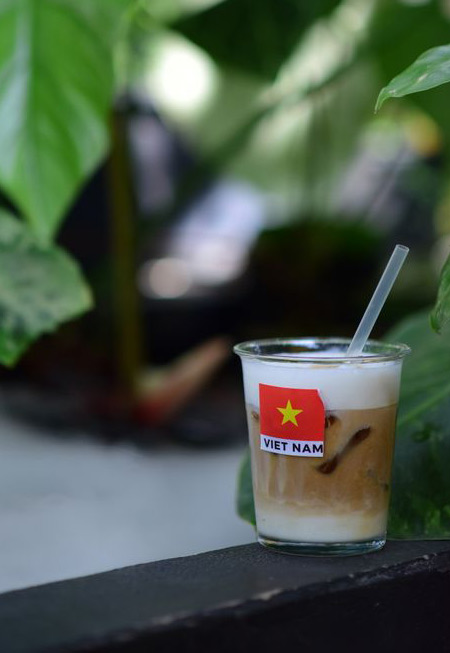
Hanoi's Old Quarter is home to a rich coffee culture and is the birthplace of egg coffee. Nguyen Van Giang invented the drink in 1946, whisking egg yolks with sugar to substitute for milk during a wartime shortage. Order a traditional ca phe sua da (iced milk coffee) if egg coffee isn't for you.

Folk Shows

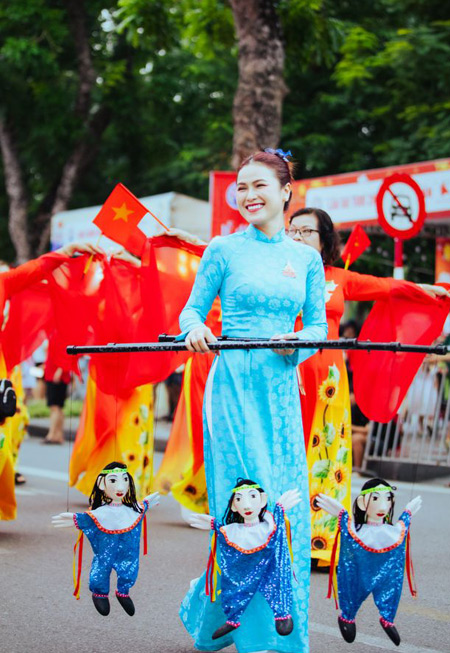
Vietnam's most distinctive performance art is the water puppet show (mua roi nuoc), born a thousand years ago in the flooded rice paddies of the Red River Delta. Farmers once stood waist-deep in water after the harvest, moving wooden puppets on hidden rods to tell stories of village life. The show now features pools instead, with puppeteers still working unseen behind a screen.

Silk Souvenirs

For something to take home, Van Phuc silk village on the borders of Hanoi is Vietnam's oldest and most respected weaving village. Walk past looms still worked by hand, and pick up scarves, garments or fabric by the metre in patterns unique to the village.

Travel Essentials for Your Vietnam Trip

Plan your trip ahead of time to avoid last-minute stress. White Trails offers Vietnam tour packages for a range of budgets.

Sorting your visa early means one less thing to worry about. Indian citizens need an appropriate visa to visit Vietnam and are qualified for the 90-day e-visa, available as either single or multiple entry. Your passport should have at least 6 months validity beyond your arrival date, with at least 2 blank pages.

The application process will typically involve:

  1. Apply online through the government portal at evisa.gov.vn, or through a licensed visa agency.
  2. Upload a scan of your passport bio-page and a recent passport-style photograph.
  3. Pay the visa fee, according to single or multiple entry.
  4. Wait for processing. This takes 3 to 7 working days but may take longer depending on the load.

The currency of Vietnam is the Vietnamese Dong (VND), and it's best to have local cash in hand once you're on the ground.

  • Exchange is only legal through licensed banks and official exchange counters, so avoid street money changers.
  • ATMs are easily available in cities and accept international cards.
  • Cards are taken at hotels, malls and upscale restaurants, but street food stalls, local markets and small transport operators are largely cash-only.

Getting around Vietnam is easy once you know the basics, and most travellers mix a few options depending on the leg of the trip.

  • Both cars and motorbike taxis are available through transportation apps for short rides. 
  • Rent a motorbike if you are comfortable with driving on crowded streets and have an International Driving Permit.
  • City buses are the most affordable way to travel in the country and connect with nearby cities. Sleeper buses are for long-distance travel and are adequately budget-friendly. 
  • Metro lines are a new addition in Ho Chi Minh and Hanoi for fast, air-conditioned travel. Best for avoiding busy streets.

What you'll need changes with the region and season, so pack with Vietnam's varied climate in mind, and follow the guidelines shared by the White Trails’ Vietnam Tour Package.

  • Light clothing works for most of the year but bring a jacket or a shawl for between December and February.
  • A light poncho for unpredictable showers.
  • Comfortable, closed walking shoes for cave treks and rice terrace trails.
  • Respectful attire covering the shoulders and knees (for temples).
  • A universal adapter and a portable charger.
  • ​​Copies (physical and digital) of your passport, visa, travel insurance details and accommodation confirmations

Vietnamese culture places real value on courtesy, modesty and respect for elders.

  • Dress modestly outside of beach areas.
  • Remove shoes before entering temples and homes. 
  • Always ask before photographing people. 
  • Pass or receive items using your right hand or both hands, never your left hand alone.
  • Tipping isn’t expected but is appreciated.

Staying connected in Vietnam is straightforward and inexpensive.

  • Tourist SIM cards are available in airport arrival halls and city stores, and you can buy and activate eSIMs before you land.
  • Free WiFi is common in hotels, cafes and restaurants, so a local data plan will help you use ride-hailing apps and maps.
  • If you want to buy a local SIM, you would need your passport.

FAQs

Quick answers to the most common queries about travelling in Vietnam.

A 7-day Vietnam trip is enough to cover major highlights such as Hanoi, a Ha Long Bay cruise and Ho Chi Minh City. For a more relaxed itinerary that also includes Hoi An, Hue and some beach time, 10 to 14 days is a more comfortable duration for first-time visitors.

As of 2026, Indian citizens need a valid visa to enter Vietnam and are eligible to apply for a Vietnam e-visa. This can be issued for stays of up to 90 days with either single or multiple entry.

Yes, Vietnam is a safe destination for travellers. However, it’s important to follow standard travel precautions. Use licensed taxis or reputable transport apps, keep valuables secure in crowded areas and confirm prices before paying, particularly at markets and with independent vendors.