Overview

You may already know Japan without having visited it. You might recognise Tokyo from anime, have discovered Japanese food through a favourite restaurant or spent hours exploring virtual versions of its cities through video games. Japanese culture has become a familiar part of life around the world.

Yet this is only one part of the story you’ll find when visiting the Land of the Rising Sun. The country brings together centuries-old traditions with fast-paced cities, quiet rural landscapes with highly developed urban centres. And of course, the iconic cherry blossom season, with its explosion of light pink petals.

The more you explore, the more there is to uncover.

Whether it’s your first journey to Japan or a return visit, you’ll find plenty of reasons to see the country from a different perspective. White Trails’ Japan tour packages are curated to help you make the most of your trip while discovering the many sides of Japan.

Places to Visit

Explore the diverse landscapes and iconic cities that make up this incredible destination. Here are the top spots you shouldn't miss on your journey. From bustling metropolises to quiet mountain villages, Japan's diverse regions each offer a distinct character and set of experiences worth exploring.

There’s perhaps no better place to start your Japan holiday tour than Tokyo, a city where history and modern life share the same streets. 

Start at Senso-ji, Tokyo’s oldest temple. Pass beneath the giant red lantern of Kaminarimon Gate and walk the Nakamise shopping street lined with stalls selling traditional snacks and souvenirs. For something quieter, head to Nezu Shrine in the old Yanaka district, where a tunnel of vermilion torii gates winds up a small hillside.

Travellers especially enjoy catching a glimpse of Shibuya Crossing, the world’s biggest intersection (up to 2500 people cross at once the moment the lights change!). There is order to this chaos that you can witness if you grab a window seat in one of the surrounding cafes. If you are an otaku fan, then you will soon find yourself at Akihabara, the beating heart of anime, manga and otaku culture.

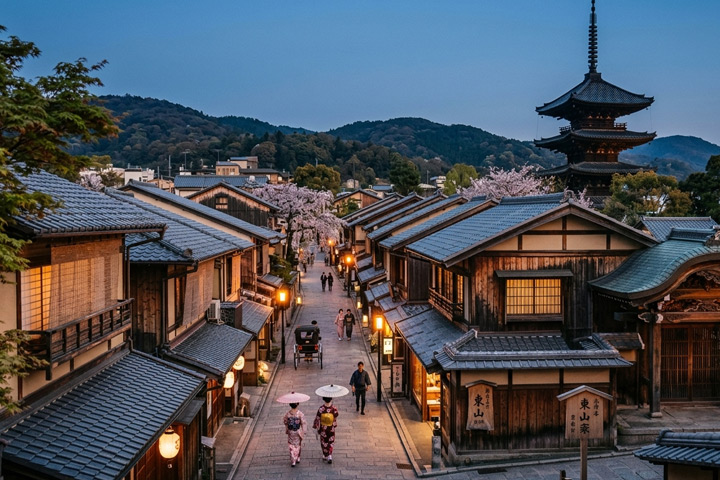
Kyoto is Japan’s former imperial capital and one of Japan’s best places to experience its traditional side. You may have already seen the torii gates at Nezu Shrine, but Fushimi Inari Taisha offers a far more expansive sight. Thousands of vermilion gates line the paths up Mount Inari, creating long corridors of colour beneath the forest canopy.

Then visit Kinkaku-ji, better known as the Golden Pavilion. Its gold-covered exterior stands by a reflective pond. The result is one of Kyoto’s most photographed scenes. Spend some time exploring Gion’s atmospheric lanes before heading to Arashiyama, where the famous bamboo grove offers a chance to idle.

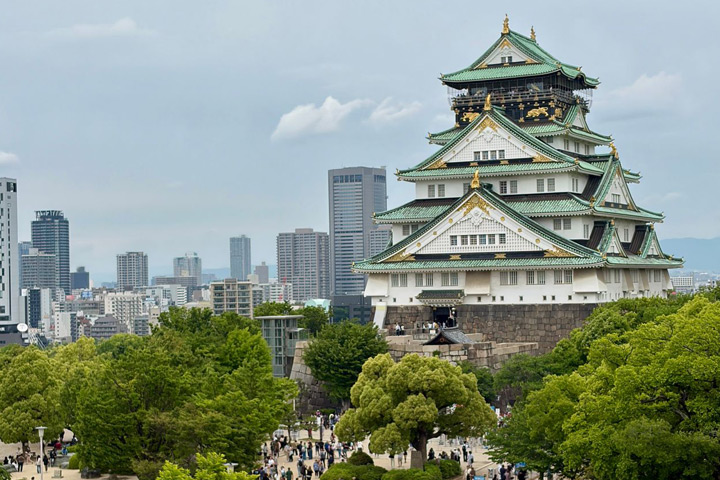
Osaka is another unmissable stop on any Japan tour package . The city was briefly Japan’s capital in the 7th century, but today it is better known for its lively streets and unapologetic love of food. Follow that wafting smell of delicious food to Dotonbori Street, lined with takoyaki stalls and sizzling okonomiyaki grills alongside the Glico Running Man sign cheering you on. For more food discoveries, wander through the covered lanes of Kuromon Ichiba Market.

If your trip falls during cherry blossom season , visit Osaka Castle Park to see the sakura in bloom.

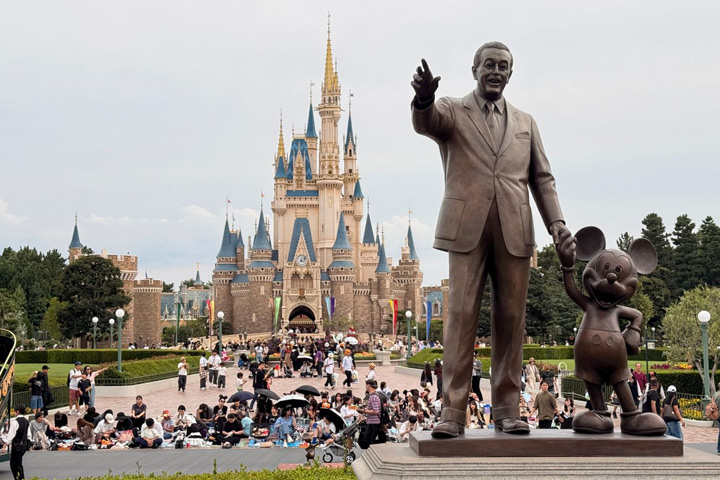
Add a dose of magic to your Japan holiday with a day at Tokyo Disneyland, where classic Disney stories come to life. White Trails offer Japan tour packages that take families through the iconic park’s themed attractions and lively parades. Visitors also get to interact with character encounters. From the instantly recognisable Cinderella Castle to rides inspired by beloved characters, there is plenty to keep visitors entertained throughout the day. Thrill-seekers can head for some of the park’s more exciting rides. Set aside a full day to explore at an easy pace. 

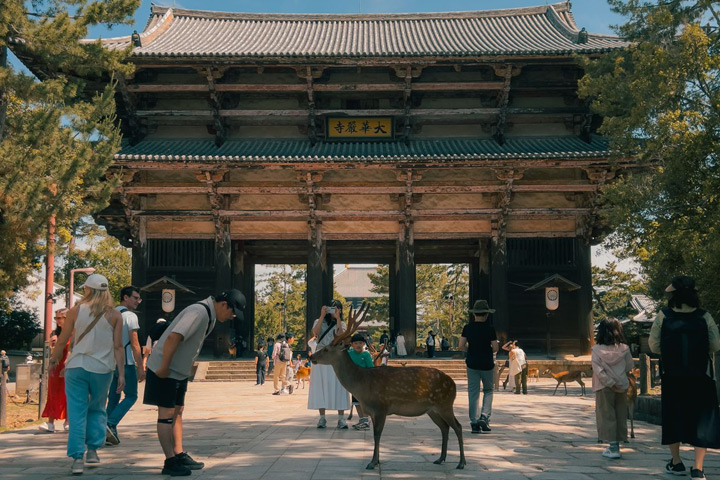
Just outside Osaka and Kyoto, Nara Park is home to around 1,200 wild sika deer, regarded as sacred messengers of the gods in local tradition. The deer roam freely through the park and are known for bowing to visitors, especially when offered shika senbei, the special crackers sold as deer feed. At the heart of the park, Todaiji Temple houses the Great Buddha, a colossal bronze statue standing around 15 metres tall. Nearby, Kasuga Taisha is known for its thousands of stone and bronze lanterns, illuminated during festivals in February and August. For a quieter break, wander through Isuien Garden, particularly beautiful in autumn.

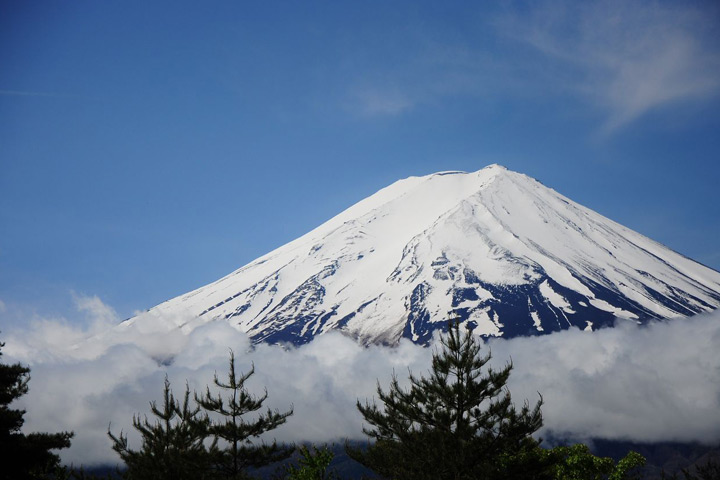
A trip to Japan feels incomplete without seeing Mount Fuji, although the famously elusive peak does not always show itself. For one of the most iconic views, climb the roughly 400 steps to Chureito Pagoda in Arakurayama Sengen Park, where the five-storey pagoda frames Mount Fuji (particularly beautiful when the cherry blossoms are in bloom). A boat ride across Lake Kawaguchi, one of the Fuji Five Lakes, offers another striking perspective. For something more offbeat, venture into Aokigahara Forest to explore the Wind Cave and Ice Cave. Together, these experiences make for a memorable stretch of your Japan tour with White Trails. 

Step off Kyushu’s coast and onto Yakushima, a UNESCO World Heritage island full of ancient cedar forests that bear the imprints of a different era. Moss-covered trunks puncture a canopy often veiled in mist, while streams and waterfalls thread through the dense greenery. Some of the area’s yakusugi cedars are thought to be thousands of years old (the famous Jōmon Sugi is estimated to be at least 2,000!).

Rain is a constant presence here, helping create the lush, almost otherworldly landscape. The scenery is also widely associated with the forest landscapes that influenced Studio Ghibli’s Princess Mononoke.

On August 6, 1945, Hiroshima became the site of the world’s first atomic bomb attack, its destructive force levelling nearly everything within a two-kilometre radius. Today, the Hiroshima Peace Memorial Park preserves the memory of those affected. The Hiroshima Peace Memorial Museum documents the bombing and its aftermath through personal accounts, photographs and surviving belongings. Nearby, travellers can visit the A-Bomb Dome, one of the few structures left standing by ground zero.

A short ferry ride from the city is Miyajima. Itsukushima Shrine is famous for its great vermilion torii gate, which seems to “float” offshore at high tide.

Best Time to Visit Japan

Japan’s four seasons are more distinct, which makes timing your trip to your preferences essential, especially with cherry blossoms drawing crowds to a narrow window each year. White Trails can help you plan your Japan tour around whichever season suits you best.

Spring

Mar – May 10 – 25°C

Mild and increasingly sunny

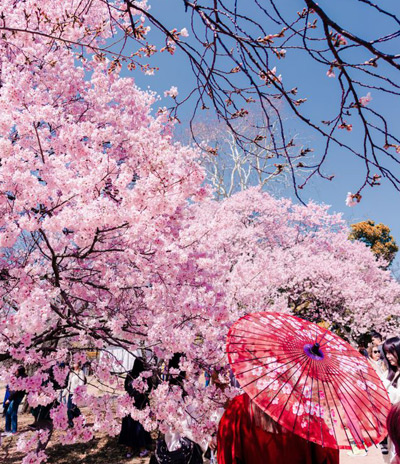
Spring is Japan's most iconic season, with cherry blossoms (sakura) painting the country in pink and white. Temperatures are pleasant for outdoor sightseeing and hanami (flower-viewing) picnics. Tourist crowds peak during late March to early April, so book accommodation well in advance. Perfect for temple visits, garden strolls, and scenic train rides.

Summer

Jun - Aug 25 - 34°C

Hot and humid, with a rainy season

Summer in Japan is hot and humid, particularly in cities such as Tokyo and Kyoto. The heat can make sightseeing tiring, but the season brings plenty of local colour. If you are travelling during this period, plan outdoor sightseeing for the cooler morning hours and carry water, especially around the busy Obon holiday in August.

Autumn

Sep - Nov 15 - 30°C

Warm and occasionally stormy

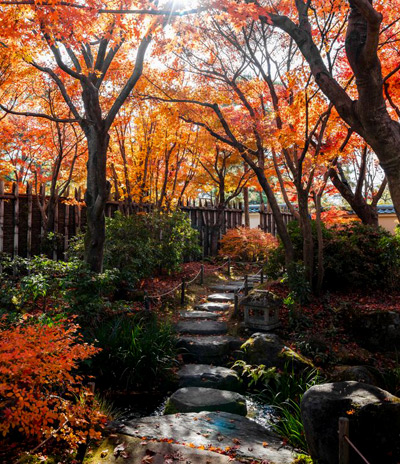
Autumn draws visitors back to Japan for its cooler weather and spectacular foliage. Kyoto’s temples and gardens are especially striking as maple and ginkgo trees turn red and gold. October and November are good months for an Osaka tour or for exploring Kyoto on foot. Typhoons are more common earlier in autumn, making the later season a more reliable choice for outdoor sightseeing.

Winter

Dec - Feb 0° - 12°C

Cold and dry in the south, snowy

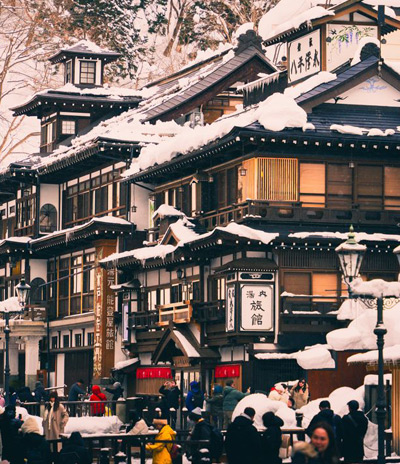
Winter is one of Japan’s quieter travel seasons, with fewer visitors at many major sights. It is also the best time to head north or into the mountains for skiing, snowboarding and snowy landscapes, particularly in Hokkaido and the Japanese Alps. In cities such as Kyoto and Osaka, temperatures are cold but sightseeing remains comfortable with warm layers.

Top Things To Do in Japan

Take part in what interests you and experience the highlights with a special Japan tour package curated by White Trails.

Explore Ancient Shrines

Japan’s temples have played an important role in the country’s cultural life for centuries. Some still offer shukubo, allowing visitors to stay overnight, enjoy traditional vegetarian meals and experience morning Buddhist practices. The experience is perfect for travellers looking for a more authentic experience in Japan. In Kyoto, Chishaku-in is another worthwhile stop, known for its serene gardens and Buddhist artworks that have been designated as National Treasures.

Explore Ancient Shrines

Welcome the Sakura Season

Cherry blossom season is one of Japan’s most photographed and widely depicted natural phenomena. With over a million sakura trees nationwide, the bloom sweeps from Okinawa’s January flowers up through Tokyo and Kyoto in late March and April, finally reaching Hokkaido in May. Hanami, the tradition of flower-viewing, brings whole cities out to picnic under blooming branches.

Welcome the Sakura Season

Discover the Fall Aesthetic

Japan’s autumn foliage deserves as much attention as its famous cherry blossoms. From October onwards, maple and ginkgo trees begin changing colour, with peak foliage arriving at different times depending on the region. Kyoto is one of the best places to experience the season, particularly in November, when temple gardens, parks and surrounding hills are filled with shades of red, orange and gold. Take a leisurely walk along the Philosopher’s Path or visit Kyoto’s temples to see the city from a different seasonal perspective.

Discover the Fall Aesthetic

Soak in Onsens

Few experiences capture Japan’s leisurely side like soaking in an onsen. Hakone is a popular hot spring destination, with ryokan and public baths spread across its mountain landscape. You can even catch views of Mount Fuji on clear days! For a less crowded alternative, Kurokawa Onsen in Kyushu is a small mountain town where participating ryokan open their baths to day visitors via the Nyuto Tegata pass. If you stop by an onsen, wash before entering the bath, do not wear swimwear and keep the atmosphere quiet.

Soak in Onsens

Discover Japan's Local Culture

Japanese culture is probably the country’s most popular export, captivating people through its food, films, anime, design and traditions. With curated Japan tour packages from White Trails, explore beyond the familiar sights.
Local Cuisine

Japan’s food culture ranges from delicate to indulgent. Ramen takes on different identities across the country, from Fukuoka’s creamy tonkotsu to Sapporo’s warming miso style. Osaka is known for street food such as takoyaki and okonomiyaki, while Kyoto is celebrated for kaiseki and seasonal vegetarian cuisine. If you are looking to splurge, Kobe beef is a standout, produced from Tajima cattle raised under strict standards in Hyogo Prefecture.

Tea Ceremonies

The Japanese tea ceremony, or chado, turns a simple cup of matcha into a meditative ritual. Witness the humble roots of a practice that has reached global acclaim. Many Kyoto tea houses allow a hands-on experience.

Costume and Theatre

Renting a kimono for a day is a popular way to feel part of the scene, especially near temples in Kyoto. Pair it with a kabuki theatre performance, Japan's centuries-old dramatic art of exaggerated gesture and elaborate costume, for a fuller taste of tradition.

Travel Essentials for Your Japan Trip

International trips come with a lot of planning and making sure all your documents are in place. White Trails’ Japan holiday packages are created to offer you a convenient and all-round experience that helps you focus on the present.

As of 2026, Indian citizens need a visa to enter Japan for any purpose, including tourism. A standard tourist visa allows a stay for up to 90 days and can be single- or multiple-entry. An e-visa route is also available through select consulates.

The application process will typically have these steps:

  1. Fill out the application and gather the required documents. This includes your passport (with at least 6 months of validity), passport-sized photographs, a covering letter and a confirmed itinerary with flight and hotel bookings. 
  2. Submit financial documents like recent salary slips, income tax returns and a bank statement covering the last 6 months. 
  3. Pay the fees and wait for processing which typically takes 5 to 7 working days. It is recommended to start the process 4-6 weeks ahead of time and around 8 weeks during the cherry blossom season.

Japan’s currency is the Yen. While cashless payments are growing, you would still need cash for a seamless travel experience.

  • Cards are widely accepted in cities, hotels, department stores and chain restaurants but smaller establishments like local ramen shops, temples and rural areas remain cash only.
  • Carry ¥15,000–20,000 in cash as a buffer, with smaller denominations handy, since vending and ticket machines often reject larger notes.
  • Tipping isn’t part of Japanese culture.

Getting around Japan is famously efficient and a little planning goes a long way in making the most of it.

  • The Shinkansen (bullet train) is the quickest way between major cities.
  • A prepaid IC card covers subways, local trains, buses and even convenience store purchases in one tap, and works interchangeably across Tokyo, Kyoto and Osaka. 
  • Online train booking is available to avoid queues. 
  • Japan transportation runs on strict timelines so build in buffer times when connecting between different services.

What to pack changes significantly with the season, so plan around when you're travelling and follow the guidelines shared in the Japan tour packages to avoid any last-minute confusion.

  • Layers are essential. Spring and autumn seasons can swing from cool mornings to warm afternoons, while the winters can turn extremely cold. 
  • Carry comfortable closed shoes that are easy to take off.
  • Pack a light travel towel and a compact bag for onsen visits, along with a swimsuit if you plan to try a mixed-gender pool-style bath. 
  • Carry sun protection and a lightweight rain jacket for how quickly the weather turns.

Japanese etiquette places great emphasis on consideration for the people around you.

  • Remove your shoes when entering homes, temples, ryokans and some traditional restaurants. 
  • Tipping isn’t expected anywhere in Japan and can come across as confusing or even impolite.
  • Keep conversations quiet on trains and buses, and avoid taking calls while riding. 
  • At onsens, wash thoroughly before entering the water, and check in advance if the facility allows visible tattoos. 
  • A small bow is a standard greeting. The deeper the bow, the more respect is reflected.

Staying connected in Japan is simple and cheap.

  • An eSIM is the easiest option for solo travellers and couples as a range of smaller data packages are available. 
  • Pocket WiFi rentals are also available for sharing connections if in a group. Free WiFi is available in many stations and convenience stores but might prove unreliable at times. 
  • Network connectivity on Shinkansen is reliable, with brief signal loss expected in tunnels.

Frequently Asked Questions

Quick answers to the most common queries about travelling in Japan.

Travellers with an Indian passport need a visa to enter Japan and cannot obtain a visa on arrival. Travellers should apply for the appropriate Japanese visa before departure.

A 7-day Japan trip is suitable for covering major highlights such as Tokyo, a Mount Fuji day trip and time in Kyoto or Osaka. For a more relaxed itinerary that includes destinations such as Nara, Hiroshima and less-visited areas, 10 to 14 days is a more comfortable duration. White Trails’ Japan tour packages can be tailored to suit your preferred duration and itinerary.

Japan’s cherry blossom season generally falls between late March and mid-April, although the exact timing varies by region and weather conditions each year. If you want to travel during peak bloom, it is best to book your flights and accommodation several weeks or months in advance, as this is one of Japan’s busiest travel periods.