Overview

Once the shining pillar of the Ottoman Empire, Turkey has been settled, fought over, traded through, and built upon for more than 10,000 years. Famously straddling two continents, its streets are truly a sight to behold. For Indian travellers, Turkey offers all the charm of a European holiday with all the familiarity of something closer to home. 

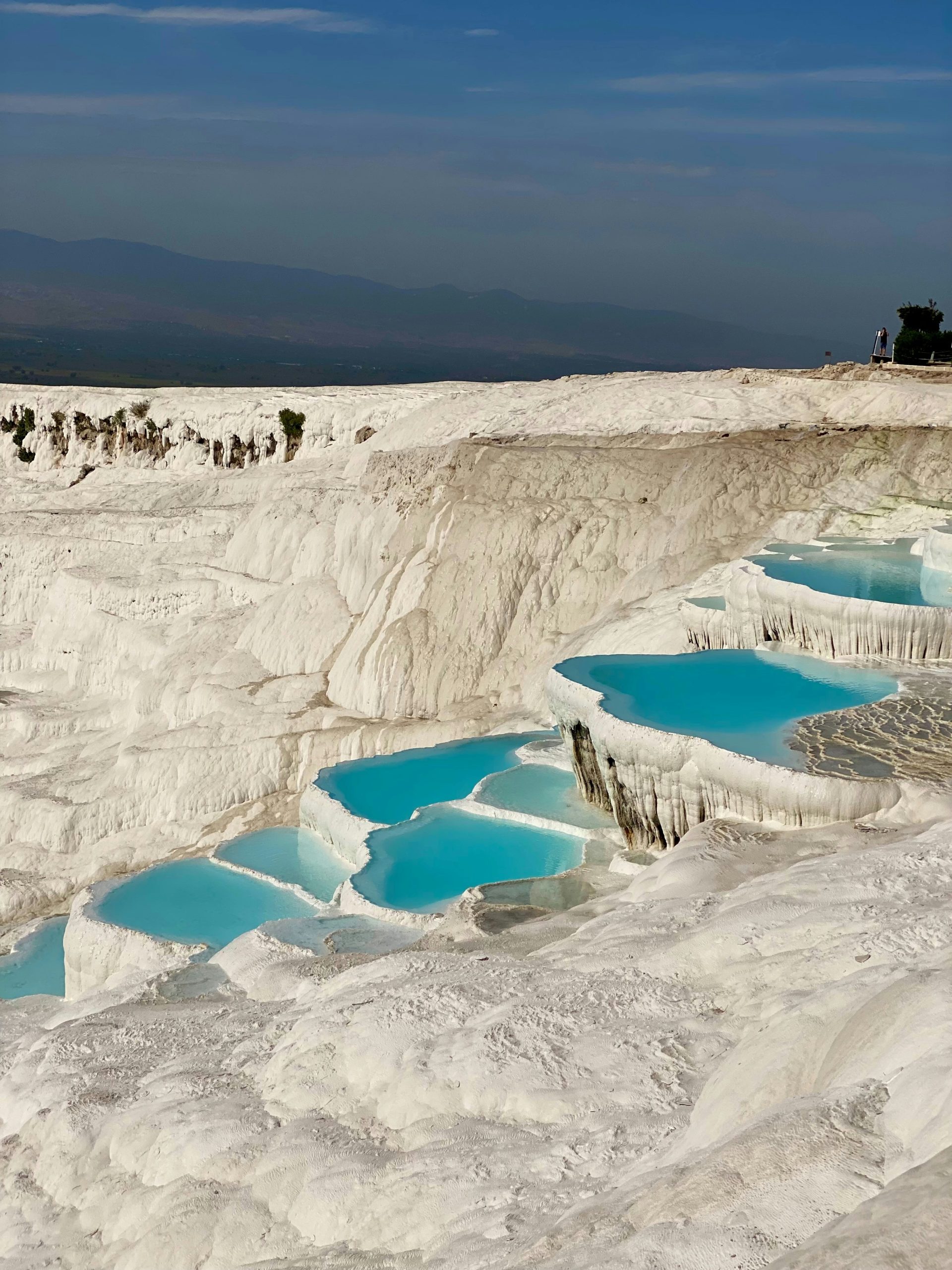
Istanbul has served as the capital of three successive empires: Roman, Byzantine and Ottoman and it bears the marks of this history. In Cappadocia, communities carved entire settlements into volcanic rock formations that you can still marvel at. In Pamukkale, the ancient Romans built a spa city above thermal springs. Its calcium-rich waters have produced white travertine terraces unlike anything else in the region (or in the world).

Beyond the sightseeing (and cats lining the streets!), there’s also the food and the endless list of cultural experiences. If you don’t know where to start, White Trails’ Turkey tour packages are developed to help you get the perfect experience without putting in the elbow grease.

Places to Visit

Turkey’s highlights rank among the world’s great travel experiences, and sampling some of its sights and flavours makes that hard to dispute. If you’re eager to experience the best without wasting your precious time away, White Trails’ Turkey holiday packages offer a convenient way to sightsee.

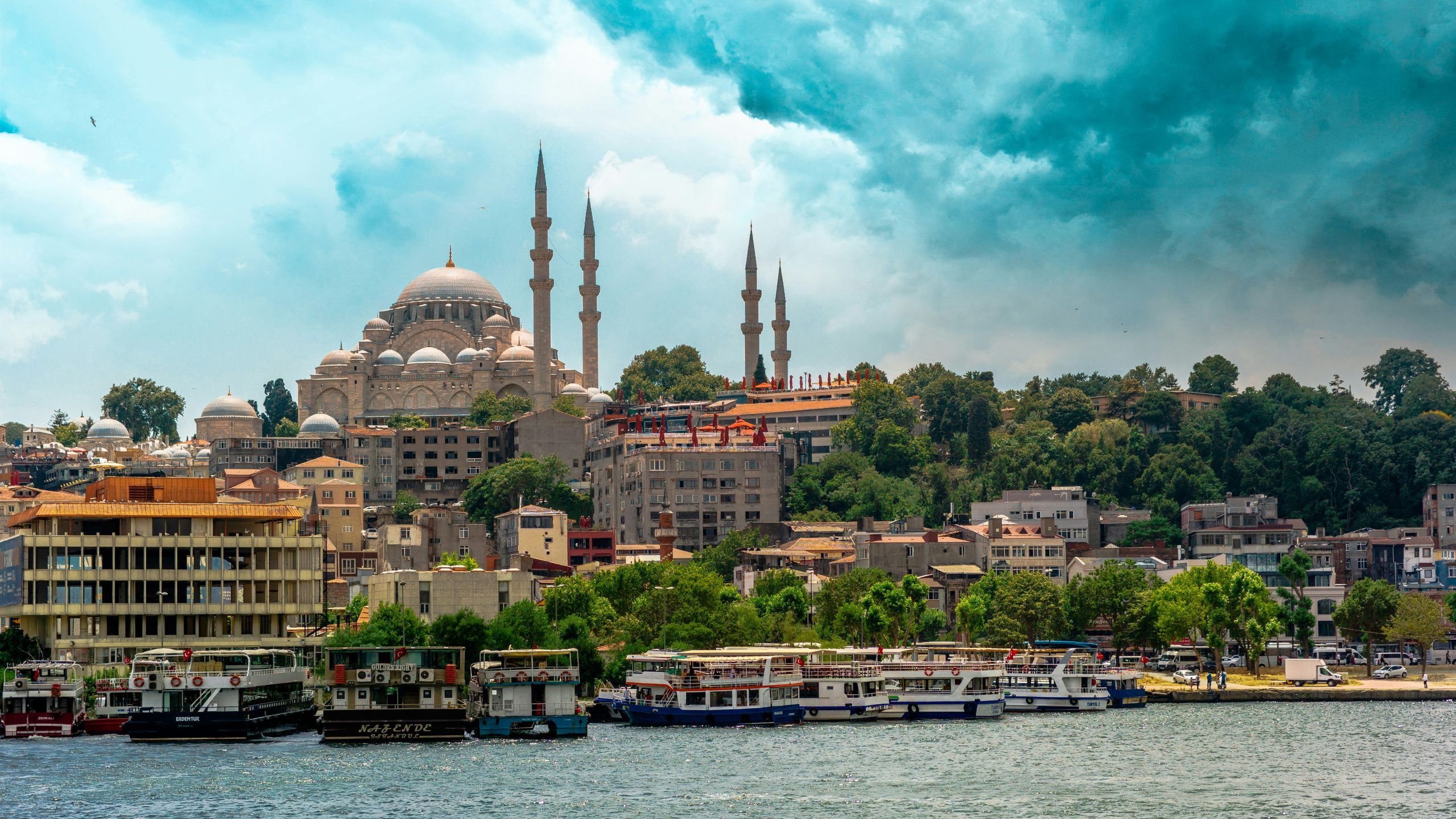
One of the largest cities in Europe and one of the most populated in the world, Istanbul is a city that occupies two continents. You’ll pick up on the effects of this split pretty quick. The Sultanahmet district, the epicentre of what was once Byzantium and then Constantinople, has some of Turkey’s most visited monuments within a ten-minute walk of each other.

The Blue Mosque has six minarets and an interior covered with more than 20,000 hand-painted Iznik tiles in blue and green. Directly across Sultanahmet Square lies the iconic (and we don’t use that word lightly) Hagia Sophia: the pinnacle of Byzantine architecture. Its 31-metre dome has presided over centuries of change, from Hagia Sophia’s time as the largest cathedral in the medieval Christian world to its later life as an Ottoman mosque and, today, a museum. 

Below Sultanahmet, the Basilica Cistern is a Byzantine underground reservoir supported by 336 columns, two of which sit on carved Medusa heads at their bases. Topkapi Palace, the administrative seat of the Ottoman Empire for nearly 400 years, holds the imperial treasury and various relics.

The Grand Bazaar is 60 covered streets with over 4,000 shops. The Spice Bazaar, a short walk away, is the better stop for edible souvenirs: saffron, dried mulberries, Turkish delight, and baklava. A short walk uphill from the bazaar area is Süleymaniye Mosque. It is the largest mosque in Istanbul (calmer than the Blue Mosque) and visited by far fewer people.

Climb the Galata Tower for views across the Golden Horn and the historic peninsula, then take a Bosphorus cruise to see Istanbul from the water. An Istanbul tour with White Trails gives you enough time to visit the main sights and enjoy the city. 
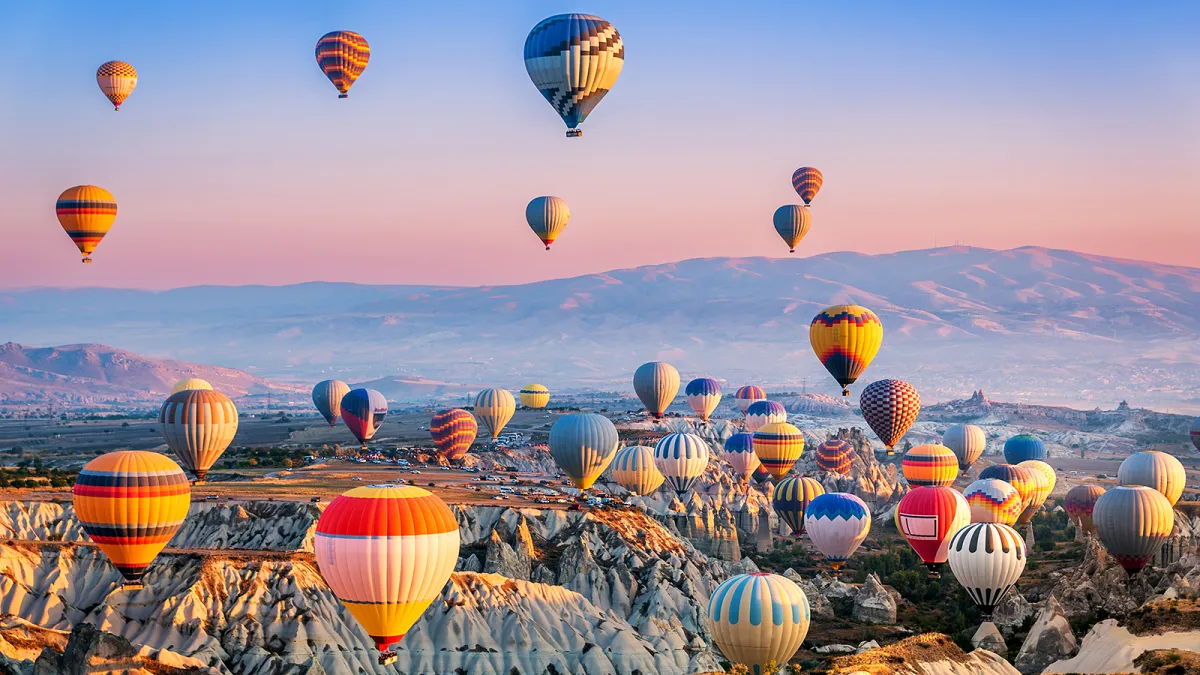
Cappadocia’s landscape was shaped by the hands of volcanic eruptions and erosion. This created the cone-shaped rock formations known as fairy chimneys, which the region is famous for. Between the 4th and 13th centuries, communities carved churches, homes and storage rooms into these soft rock formations. 

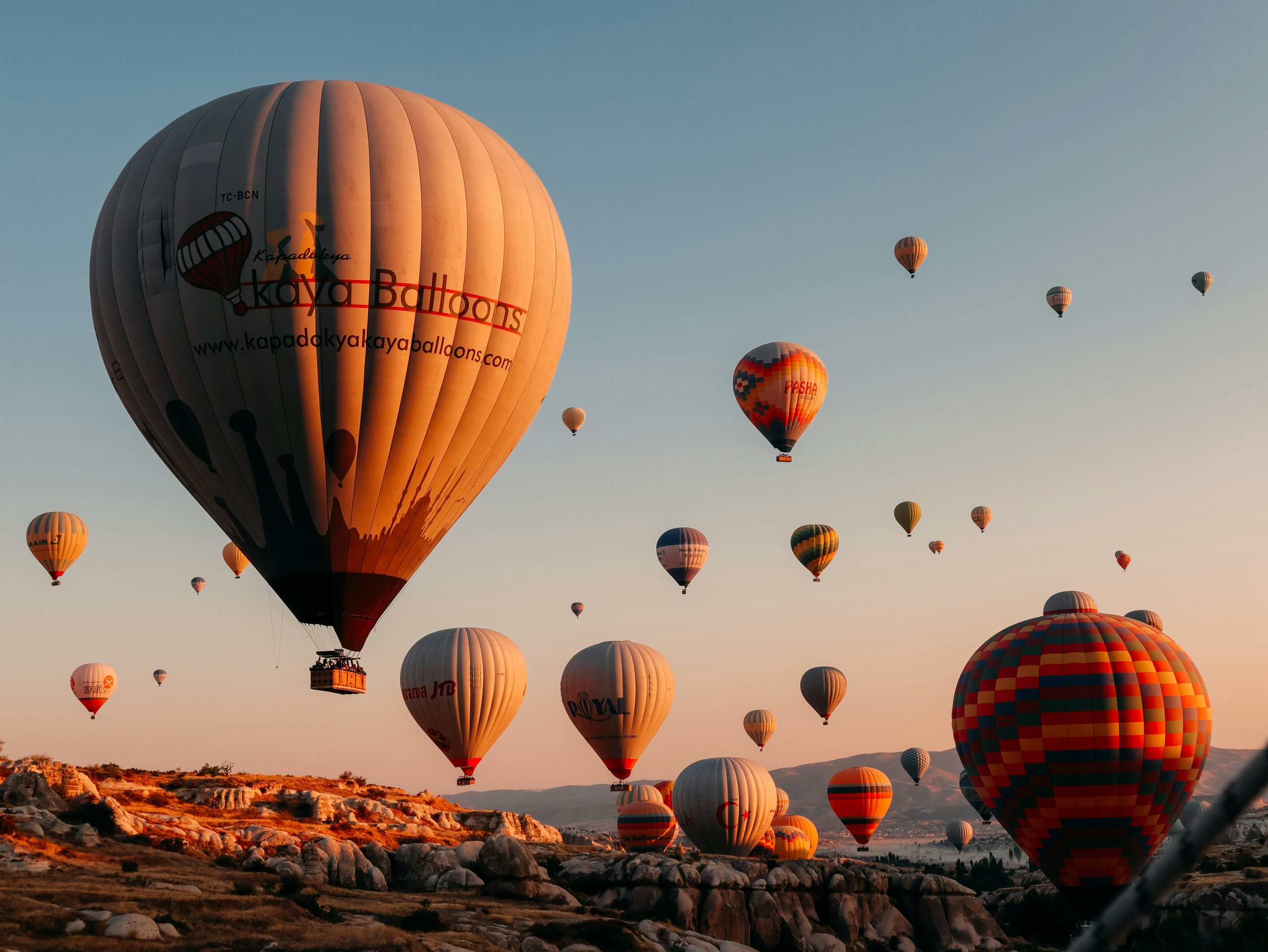
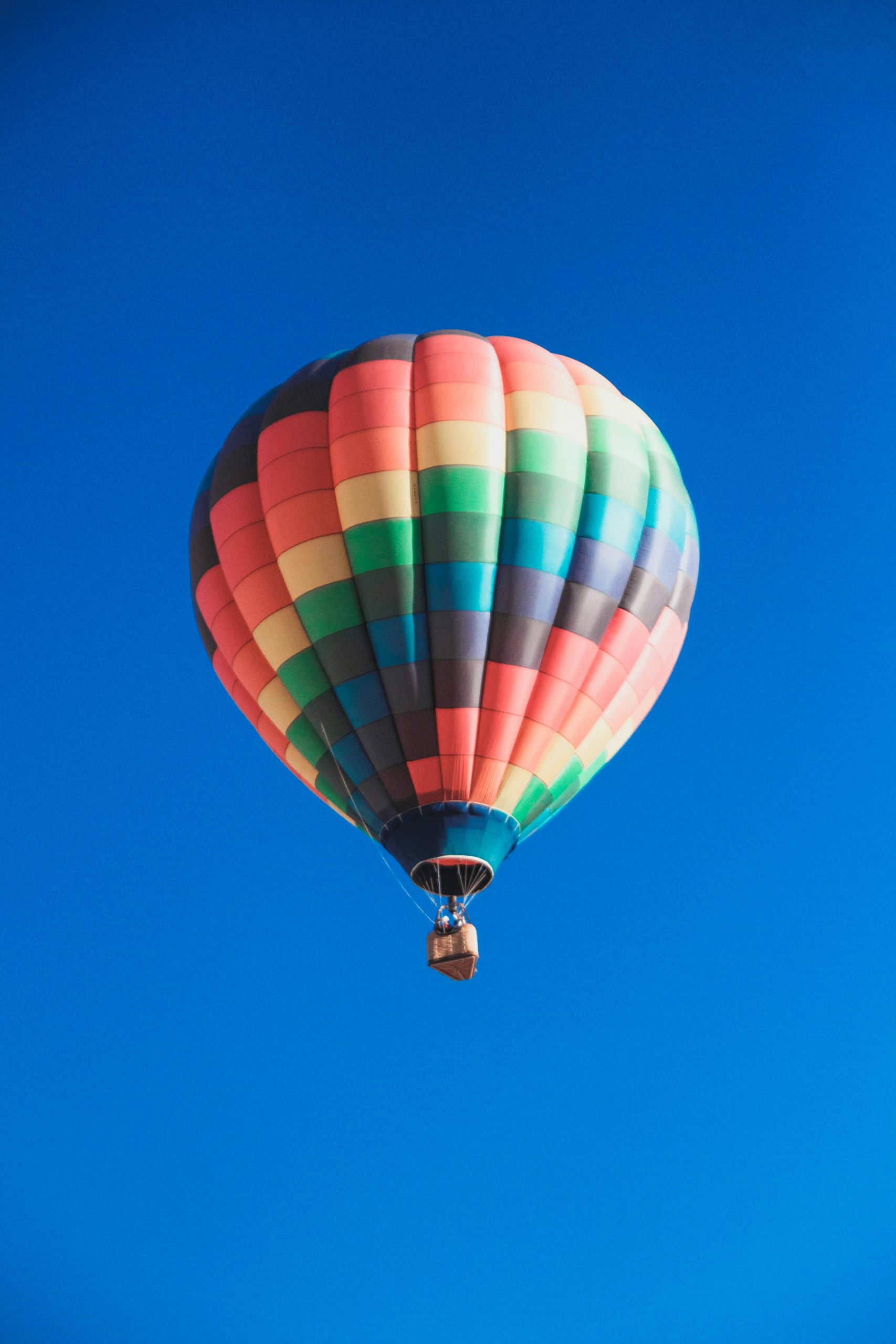
Travellers choose a Cappadocia tour for one big reason: the hot air balloon ride. A sightseeing experience so iconic that those red and yellow balloons stare at you from almost every travel brochure. We usually recommend taking the hot air balloon in spring or summer, but it’s always a treat.

The Göreme Open Air Museum is home to several rock-cut churches and monasteries with well-preserved Byzantine frescoes. At Kaymakli Underground City, guided tours take you through several levels of tunnels and rooms carved below the ground.

A short drive from Göreme, Avanos is known for its pottery tradition, which dates back to the Hittite period. Local potters still work with the distinctive red clay found along the Kızılırmak River, Turkey’s longest river. Travellers can visit pottery workshops to watch the process or try making a piece yourself. At White Trails, we usually recommend spending two nights in Cappadocia to enjoy its beautiful sights. 

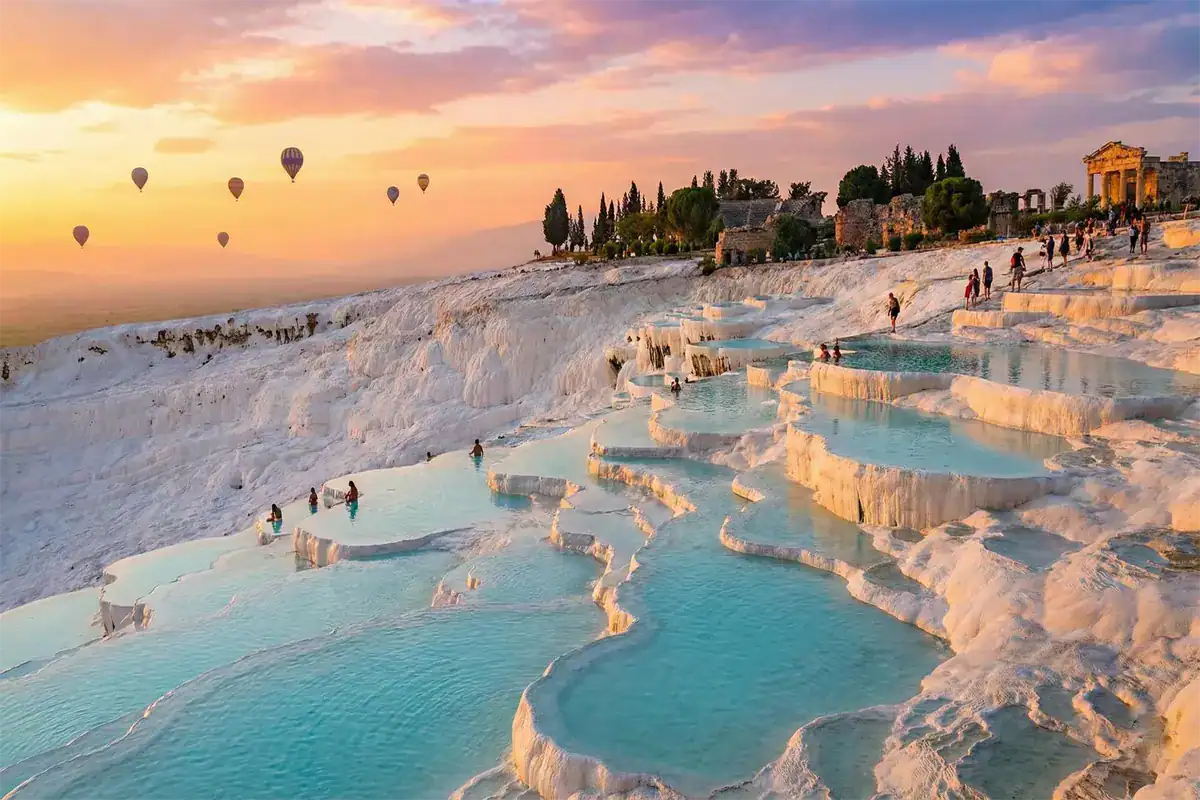
Pamukkale means “cotton castle” in Turkish. Its famous white travertine terraces were formed over thousands of years by mineral-rich thermal water flowing down the hillside. The water is around 35°C and has created natural pools across the terraces. 

On a Pamukkale tour, visitors can walk barefoot along designated areas of the travertines and wade through the warm water. Just above the main site, the Antique Pool is another popular stop. 

At the top of the hill, the ruins of Hierapolis spread across a large area. Founded around 190 BC, the city became an important Roman spa town and later an early Christian centre. Its ancient theatre could seat around 12,000 people and remains remarkably well preserved. Beyond the city walls, the vast necropolis contains thousands of tombs and is one of the largest ancient burial grounds in Anatolia.

Pamukkale and Hierapolis jointly form a UNESCO World Heritage Site, combining the natural travertines with the remains of the ancient city.

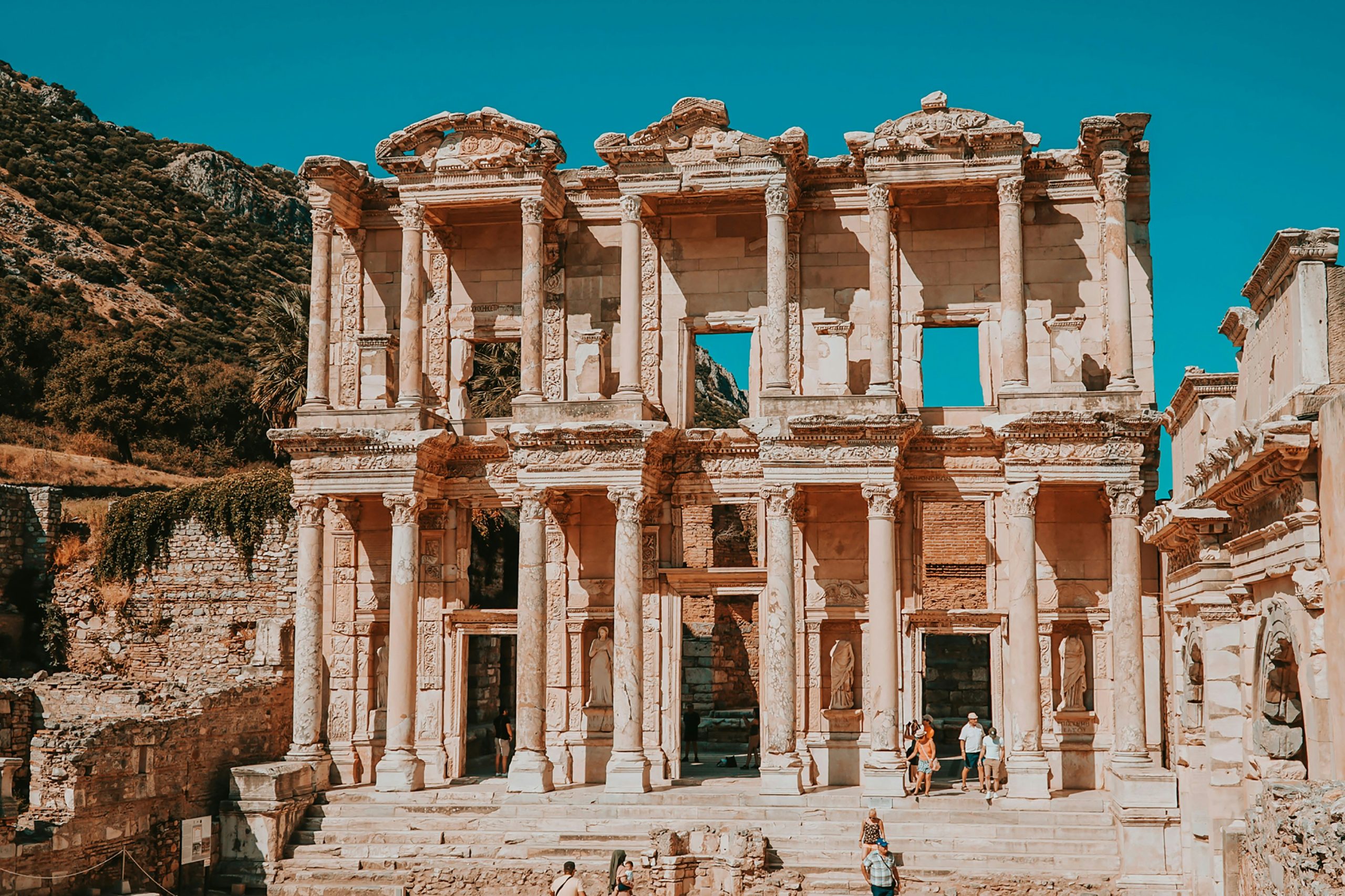
Ephesus was one of the largest and most important cities of the ancient Roman world. The ruins lie near Selçuk on Turkey’s Aegean coast, with the main archaeological site spread across a large hillside. 

The Library of Celsus is Ephesus’ most recognisable landmark, with its two-storey facade and carved columns still standing. From here, walk along Marble Street towards the Great Theatre, which could hold around 25,000 spectators. The Temple of Hadrian is another well-preserved structure, with detailed carvings around its entrance. You can also see the remains of ancient shops and public baths.

For a closer look at everyday life, pay extra for the Terrace Houses, also known as the Slope Houses. These wealthy Roman homes contain colourful floor mosaics and marble interiors. 

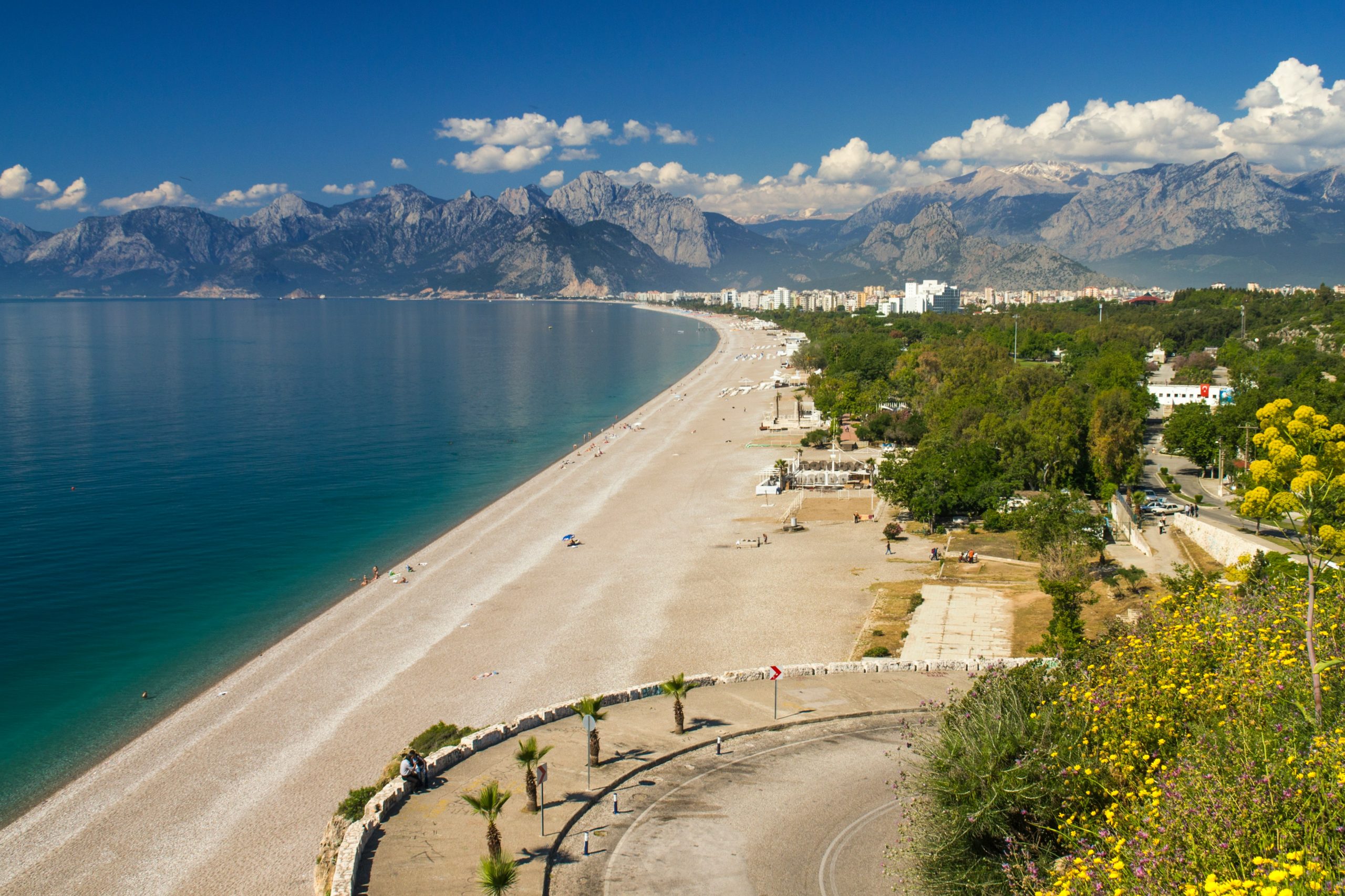
Turkey’s Mediterranean coast converges on Antalya: a city where Roman ruins sit a short walk from pebble beaches and turquoise water.

Start in Kaleiçi, the old town. Hadrian’s Gate, a triumphal arch, can be found at the entrance, and you can walk through it just as visitors did nearly two thousand years ago. Beyond the gate, cobbled lanes lined with restored Ottoman wooden houses lead down to the old harbour, now filled with fishing boats and waterfront cafés. Climb Hıdırlık Tower for views over the cliffs and sea, or look up for the fluted minaret of the 13th-century Yivli Minaret Mosque, one of the oldest Seljuk structures in the city.

A short drive out of the centre, the Aspendos Theatre is one of the best-preserved ancient Roman theatres anywhere in the world. Built around 155 AD, the venue still hosts opera and ballet performances each summer. 

The Düden Waterfalls have two sections: Upper Düden falls through a shaded canyon, while Lower Düden drops from a cliff into the Mediterranean and is best seen by boat. For beaches, Konyaaltı has a long pebble shore backed by the Taurus Mountains, while Lara offers softer sand. 

Best Time to Visit Turkey

Turkey’s climate varies considerably by region. The Aegean and Mediterranean coasts have hot, dry summers and mild winters. Cappadocia gets cold in winter with occasional snowfall. Istanbul experiences hot summers and cool, wet winters. Choose a Turkey holiday package around the right season to make the most of your time.

Spring

April to June 15°C to 25°C

Mild and mostly sunny weather

Spring is one of the best times for an Istanbul tour or a trip to Cappadocia. Hot-air balloon flights also operate regularly in Cappadocia, although flights always depend on weather conditions. Crowds are thinner than in the summer months.

Summer

July to August 30°C to 38°C (Coast); 25°C to 33°C (Inland)

Hot and dry season with peak tourism

Summer is peak season for Antalya’s beaches and Bodrum’s bays. If you’re visiting Turkey in the summer, expect more visitors and higher demand for accommodation. Plan outdoor sightseeing for the early morning, particularly at Ephesus and Pamukkale. Temperatures can become intense by midday.

Autumn

September to November 12°C to 24°C

Warm and clear; good conditions for walking

Crowds begin to thin in Turkey after August, and accommodation prices tend to ease. October is a great time to visit the Aegean coast and Cappadocia, with milder temperatures that make outdoor sightseeing and exploring more comfortable.

Winter

December to March 4°C to 12°C

Cool and wetter in the west; Cappadocia sees occasional snow

Much fewer seasonal visitors make Istanbul’s bazaars and tourist spots easier to explore. Cappadocia also feels more atmospheric. The region’s snow-covered valleys and rock formations can create great conditions for photography. However, night-time temperatures can drop to 0°C or even -10°C.

Top Things to Do in Turkey

White Trails’ Turkey tour packages are planned to give you enough to enjoy Turkey’s best. They’re also customisable so you can write your adventure as you envisioned it. Here are the best things to do in the country.

Fly Over Cappadocia at Sunrise

A hot-air balloon flight over the Göreme Valley in the morning is a bucket-list experience for many travellers. Tours usually set off before sunrise and take you over the fairy chimneys and volcanic valleys below. The balloon drifts with the wind, giving you a view of the dozens of other balloons taking to the sky around you. Flights usually last about an hour and often end with a champagne toast after landing. Flights are weather-dependent, so allow some flexibility in your itinerary.

Fly Over Cappadocia at Sunrise

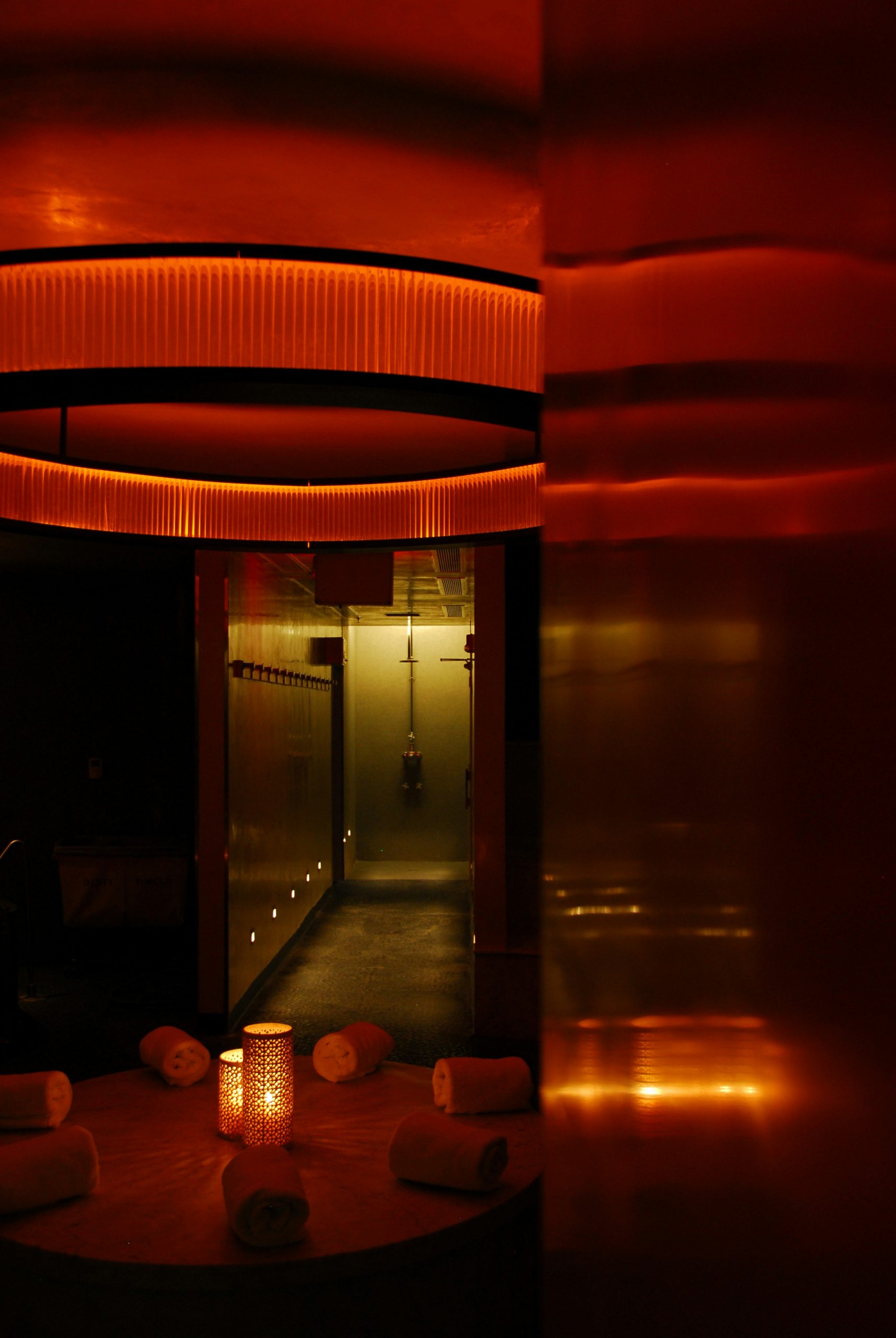
Visit a Hammam

The Turkish bath, or hammam, has been part of Turkish social life since the Ottoman period. Istanbul’s Cağaloğlu Hamamı, opened in 1741, is one of the city’s most historic baths still in operation. A traditional session begins in the sıcaklık, the hot and humid bathing room, where you warm up on a heated marble platform before the attendant begins the ritual. A kese, a coarse mitt, is used to scrub away dead skin, followed by a rich soap massage and a rinse with warm water.

Visit a Hammam

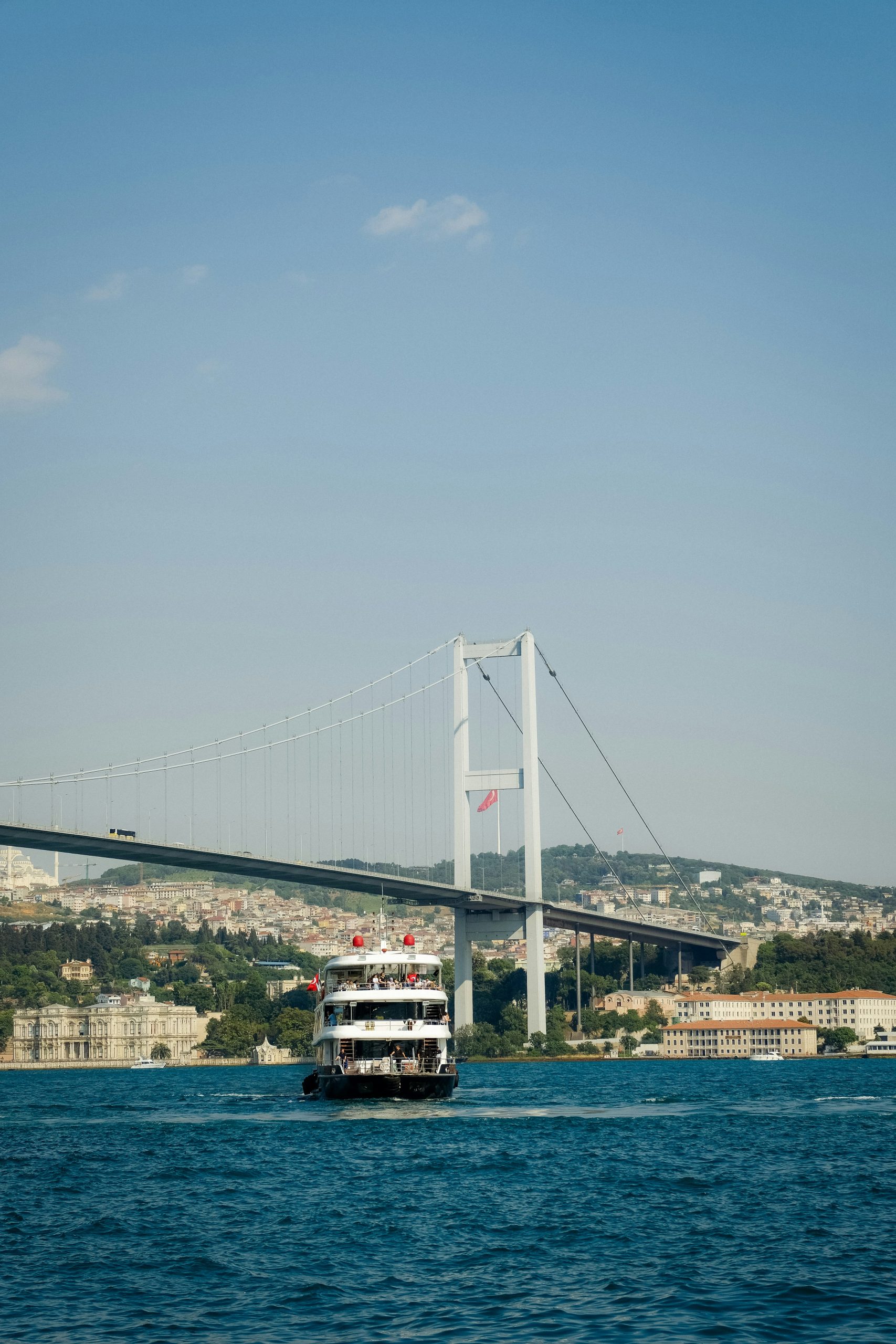
Cruise the Bosphorus

The Bosphorus divides Istanbul between Europe and Asia, and first-time visitors have much to enjoy from this perspective. Short public ferries between Eminönü and Kadıköy are affordable and frequent. The crossing goes past historic waterfront neighbourhoods, with the European palaces and Asian mosques visible at the same time. For a longer experience, evening dinner cruises depart from the European side and pass landmarks such as Dolmabahçe Palace and the waterfront mosques.

Cruise the Bosphorus

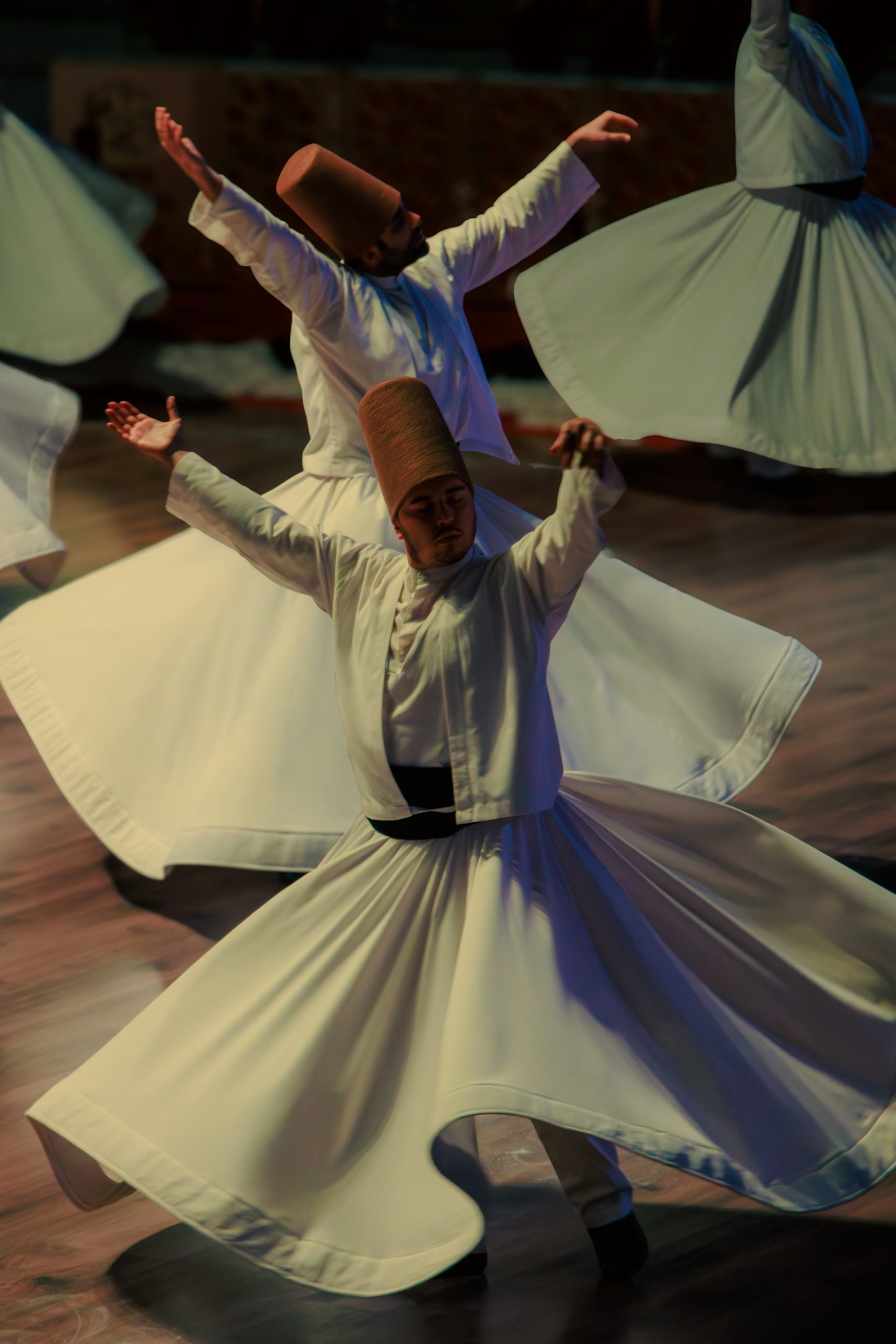
Watch a Sema Ceremony

Sema is the Sufi meditative practice of the Mevlevi order, performed by practitioners known as Whirling Dervishes. The ceremony uses music and controlled movement. The practitioners don white robes and turn in a slow, continuous rotation as part of a ritual that typically lasts around 45 minutes. The turning represents a spiritual journey towards a closer connection with the divine. In Istanbul, the Hodjapasha Cultural Centre hosts regular evening performances in a restored 15th-century hamam. Although visitors can attend, Sema is a religious ceremony rather than a tourist show.

Watch a Sema Ceremony

Swim in the Antique Pool at Pamukkale

The Antique Pool, also known as Cleopatra’s Pool, is a thermal bathing pool within the Pamukkale archaeological site. Its warm mineral water stays at around 36°C. Most notably, ancient marble columns and architectural fragments lie submerged beneath the surface (believed to have been caused by an earthquake). The Antique Pool is a purpose-built bathing facility where visitors can swim in the thermal water. Allow around an hour if you want time to swim rather than simply see the pool.

Swim in the Antique Pool at Pamukkale

Discover Turkey’s Local Culture

Modern Turkish culture reflects centuries of history. White Trails’ Turkey tour packages can be customised to include cultural tours, local food experiences, traditional craft workshops and visits to historic neighbourhoods and markets.
Food

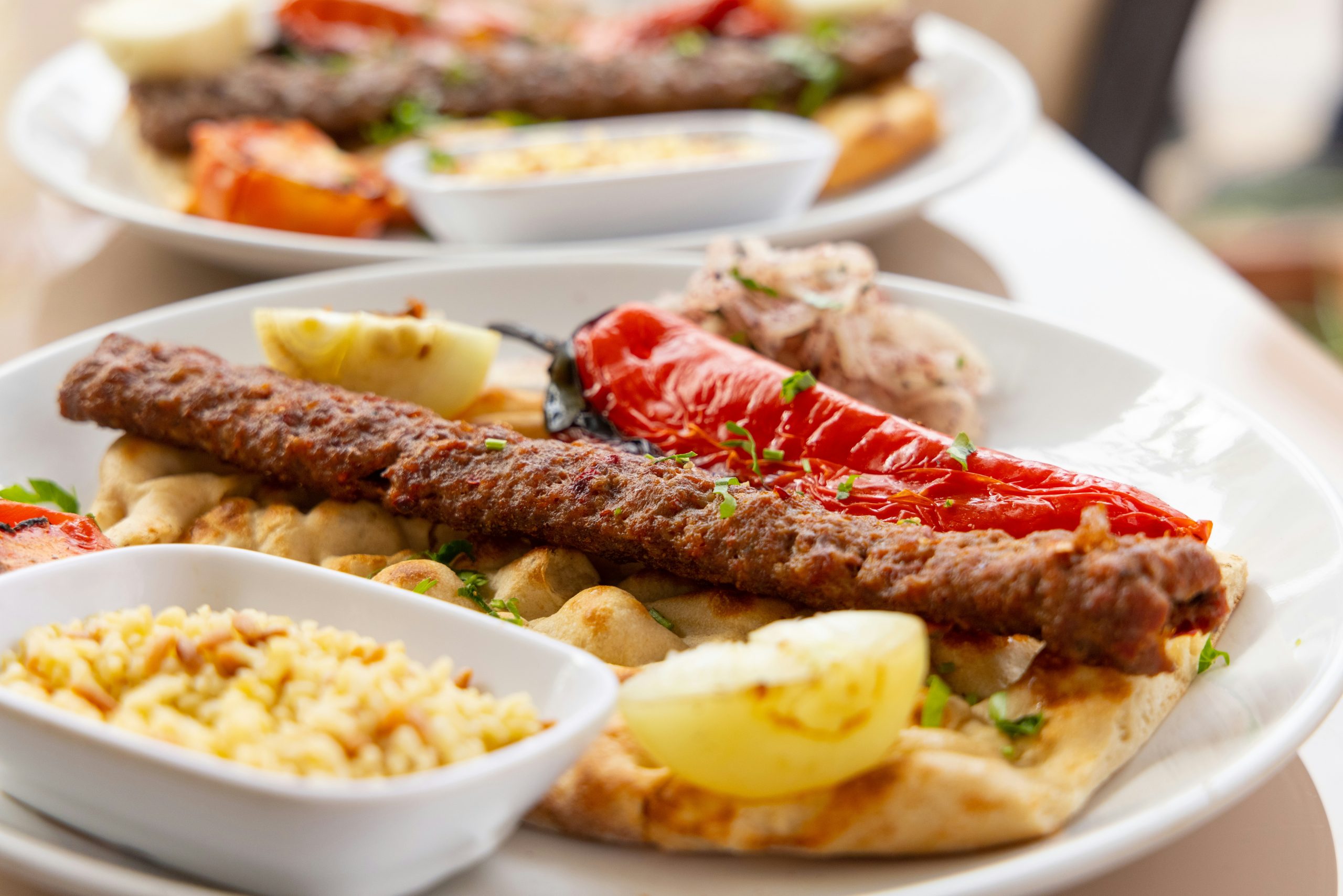
Turkish meals famously include a meze that comprises cacık (yoghurt with cucumber and mint), hummus, stuffed grape leaves, and grilled white cheese. Some famous main dishes to try are slow-cooked lamb and Adana kebab. Try them with pide, a flatbread baked with various toppings. Turkish breakfast is a generous spread of olives, white cheese, eggs, tomatoes, and honey eaten with çay served in small tulip-shaped glasses. Of course, travellers should also sample Baklava and Turkish delight. We recommend buying at specialist shops rather than tourist stalls for the best quality.

Crafts

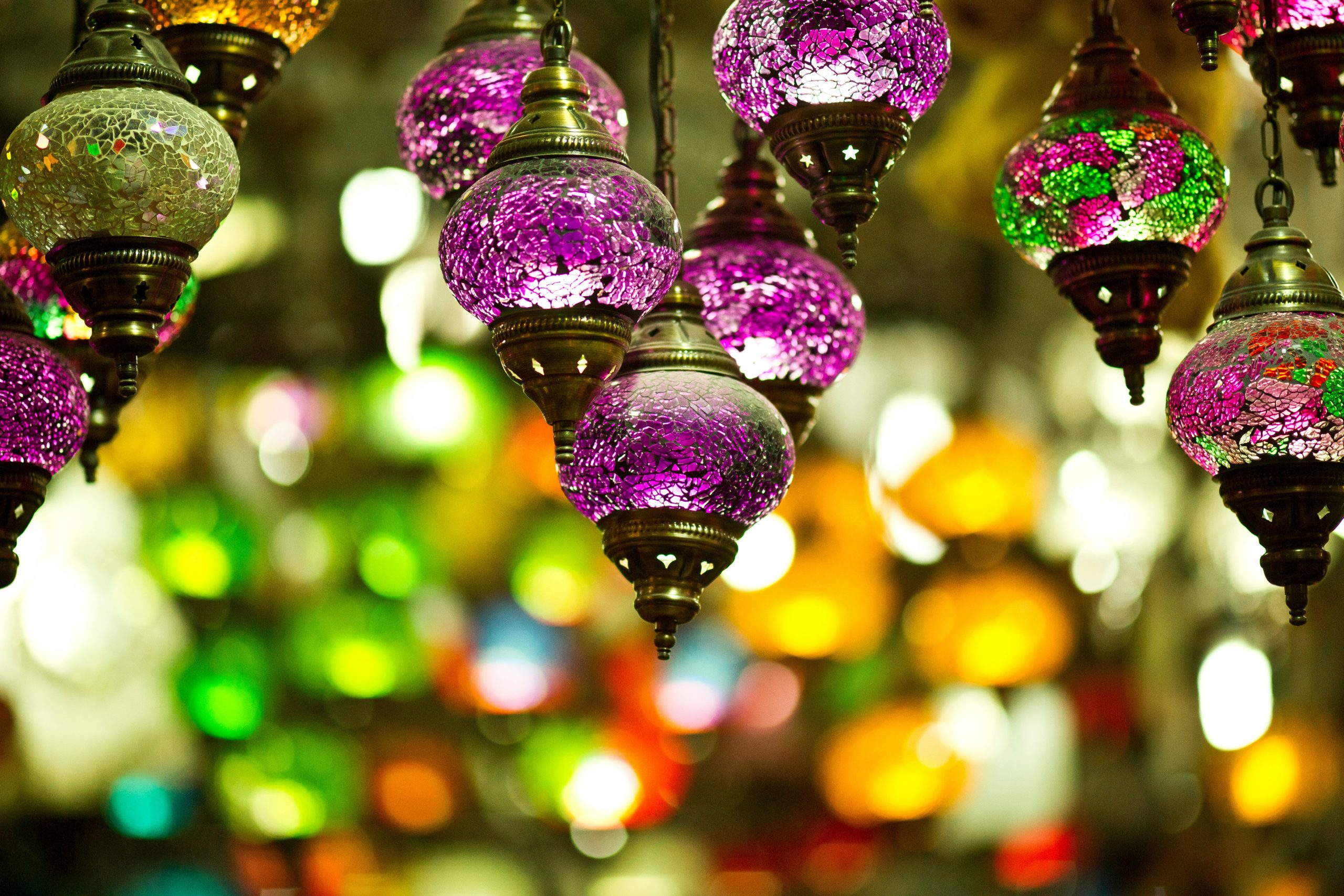
Hand-painted ceramics, Cappadocian pottery in terracotta and cobalt blue, handwoven kilims and traditional copperware are made and sold locally across Turkey. The nazar boncuğu, or blue evil eye charm, is found throughout the country and commonly displayed in Turkish homes and businesses.

Music and Evenings

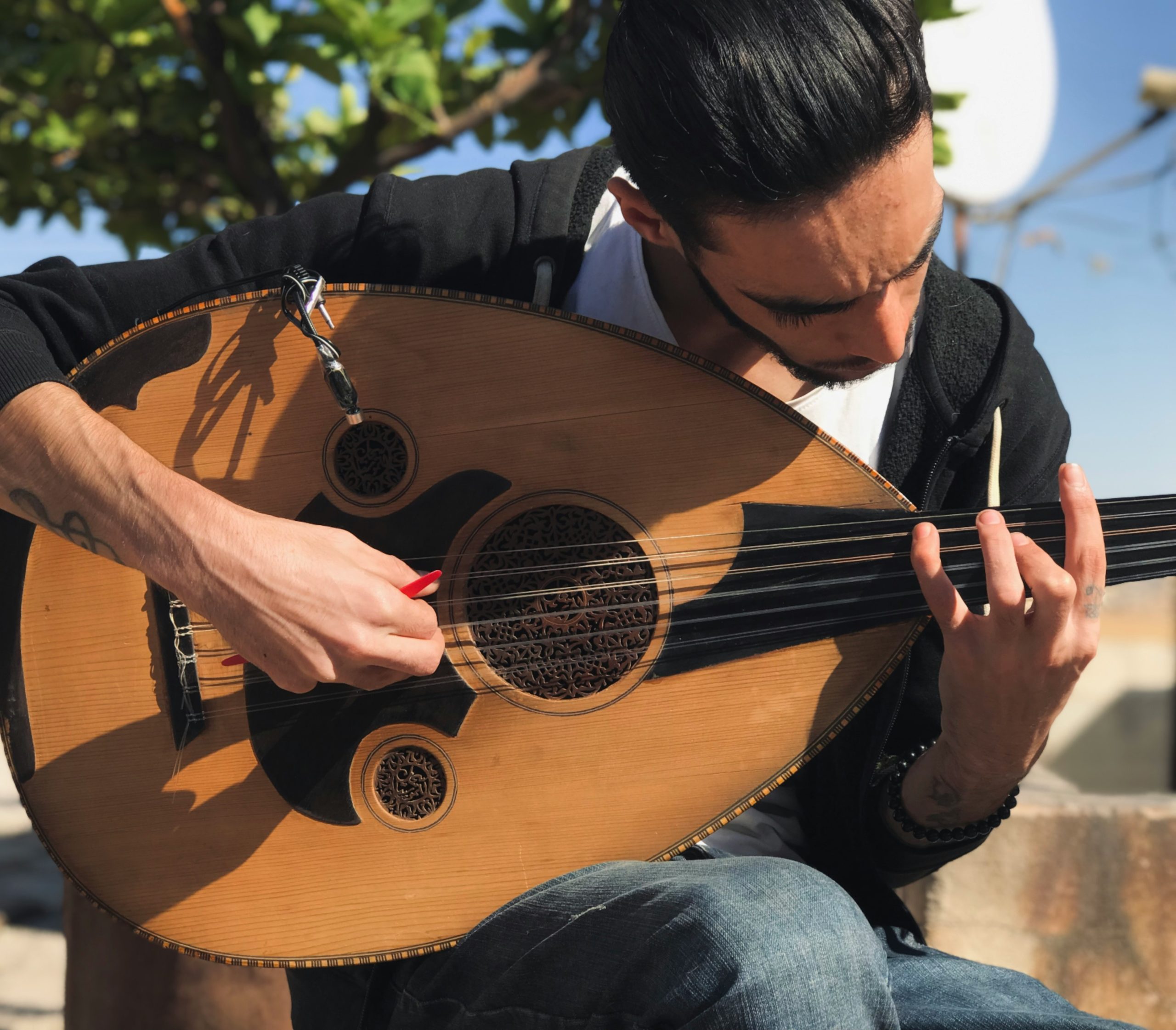
Traditional meyhane restaurants in Istanbul’s Beyoğlu and Balat districts often feature live saz music and folk songs alongside a long meal of meze and rakı. The atmosphere is relaxed, the food is good, and evenings tend to run late.

Travel Essentials for Your Turkey Trip

Before you set off on your international trip, take all necessary precautions and gather the essentials. Here’s the White Trails Turkey travel guide to making the most of your time in the country.

Indian passport holders may apply for a Turkish visa or e-visa online. We recommend applying 10 to 14 days ahead. You will need: 

  • A passport valid for at least six months after your travel dates
  • A confirmed return or onward flight booking
  • Proof of accommodation
  • Supplementary documentation

The visa allows stays of up to 90 days within a 180-day period and is multiple-entry.

Turkey’s currency is the Turkish Lira (TRY). 

  • Card payments work at most public establishments.
  • Local markets and dolmuş minibuses often operate on cash only.
  • Exchange rates at independent money changers in the bazaar districts are generally better than airport kiosks. 

  • The metro and ferry network in Istanbul covers most areas well
  • The Istanbulkart prepaid card works across all public transport in the city 
  • Taxis are available throughout; use the meter or agree on a price before departing. 

Here’s what you need to pack for a trip to Turkey. It is recommended to pack depending on the season and places you plan to visit. 

  • Lightweight clothing for summer; warm layers for evenings in Cappadocia, regardless of season
  • Modest attire for visits to mosques. Keep your shoulders and knees covered. Women can use a scarf
  • Comfortable walking shoes for uneven stone surfaces at Ephesus and Hierapolis
  • Sun protection for outdoor sightseeing
  • Flip-flops for hammam visits and visits to the Pamukkale terraces

Here are some etiquette tips for Turkey.

  • You may be offered tea at shops. It is polite to accept at least the first glass.
  • Bargaining is expected in the covered bazaars; fixed-price signs indicate where it is not
  • A 10% tip is standard at sit-down restaurants
  • During Ramadan, do not eat or drink in public, particularly in traditional neighbourhoods
  • Remember to dress per your sightseeing location. Traditional neighbourhoods should be explored with modest clothing that covers the body. You can dress more relaxedly at beach resorts and major cities.

  • Turkey has reliable 4G coverage across major cities like Istanbul and tourist areas. 
  • A Turkish SIM card from Turkcell or Vodafone Turkey is available at airports and covers data and local calls across the country. 
  • International eSIM packages work well and can be activated before departure. 

FAQs

Quick answers to the most common queries about travelling in Turkey.

Most tourists plan for a Turkey holiday that lasts at least 8 to 10 days and covers major regions like Istanbul, Cappadocia and Pamukkale. Travellers can visit for 12 to 14 days if they also want to visit Ephesus and spend time on the Aegean coast. White Trails’ Turkey holiday packages can be adjusted to suit your available time.

Yes, Turkey is a highly recommended destination for first-time international travellers. English is extensively spoken at establishments and major tourist sites (especially in destinations such as Istanbul and Cappadocia). The country’s tourism industry is experienced in welcoming travellers from South Asia and other international markets.

April to October generally offers good conditions for hot-air balloon flights in Cappadocia. However, flights can be cancelled at any time due to wind or other weather conditions.