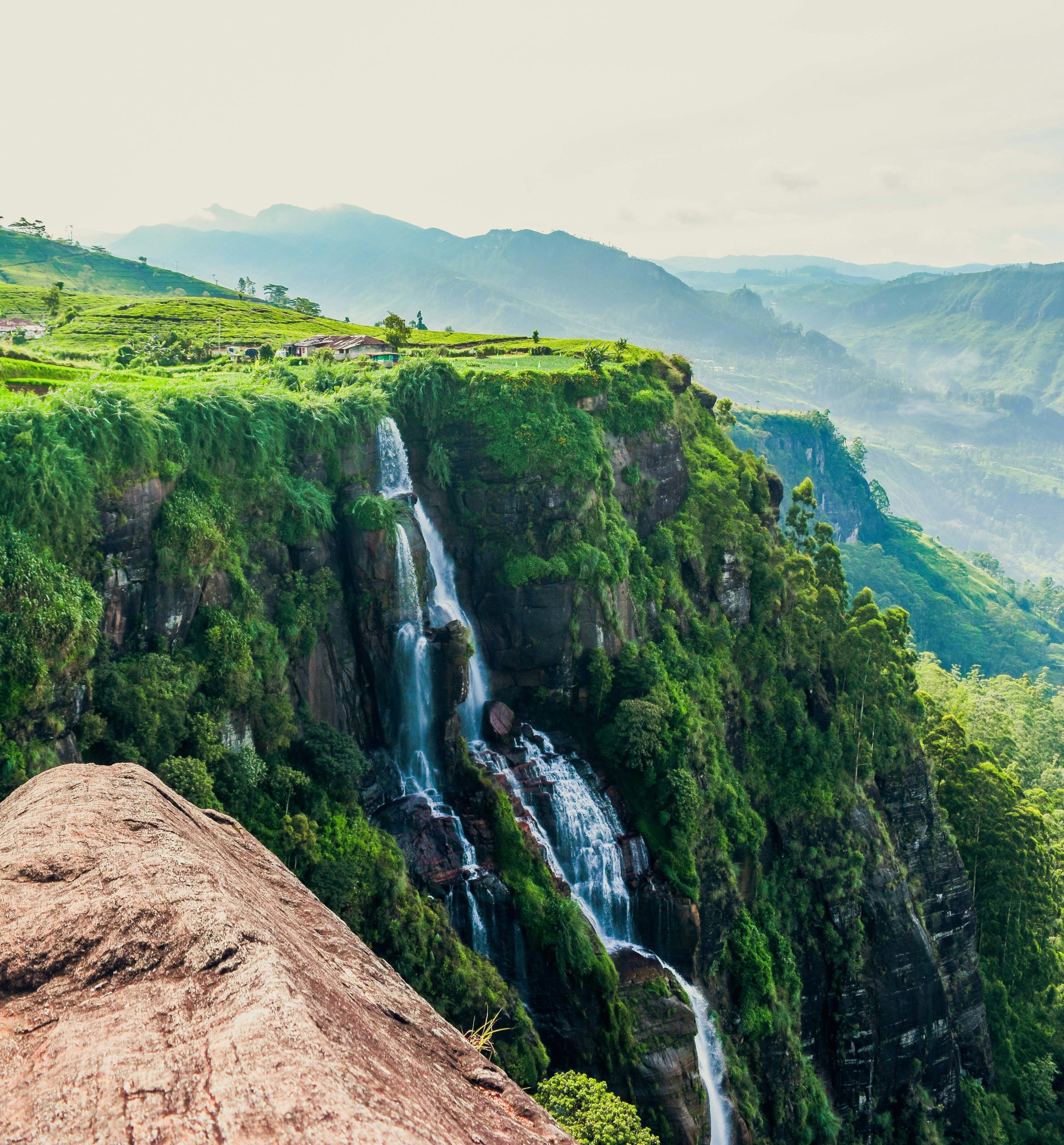
Overview

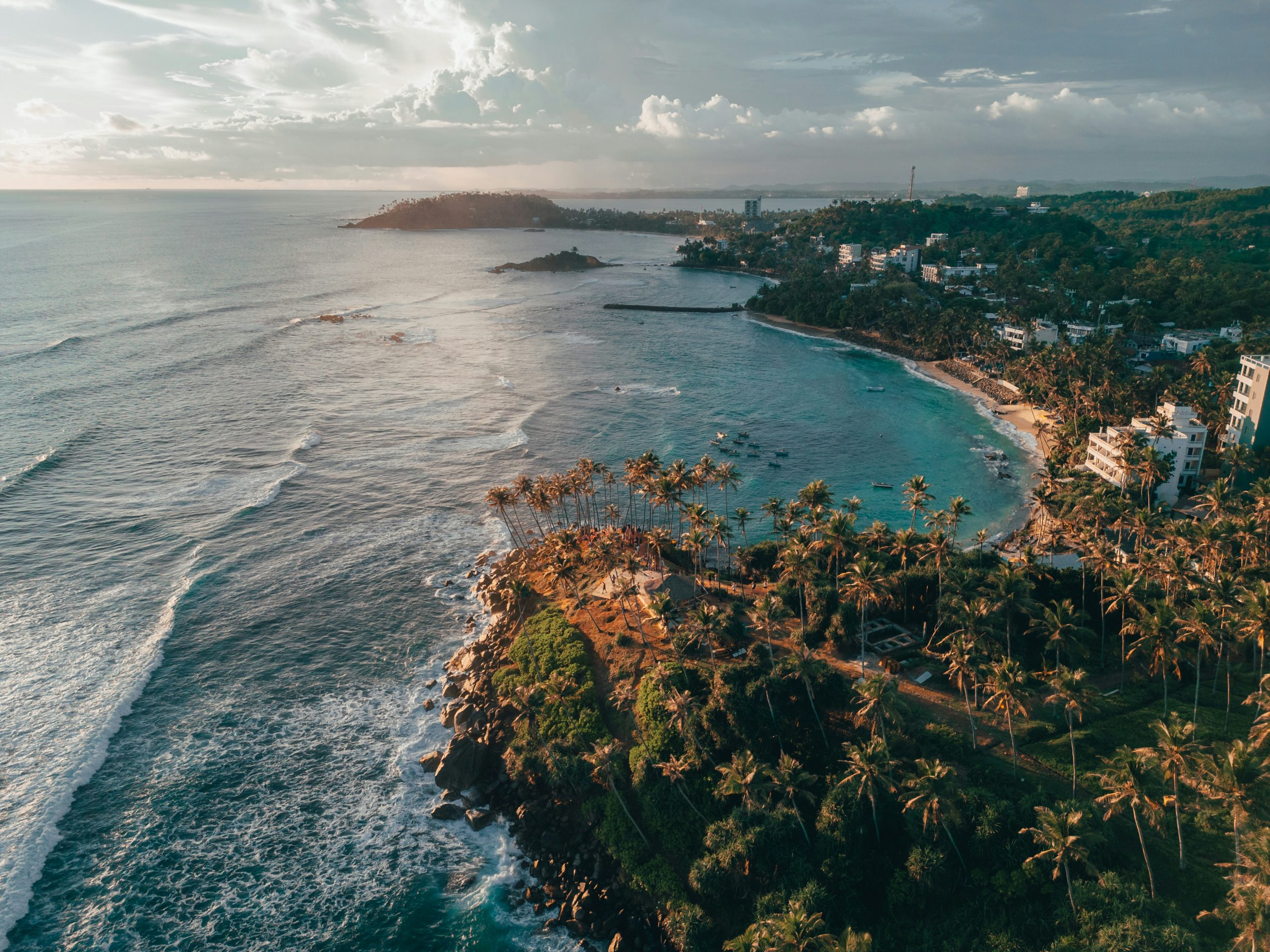
Affectionately called the “pearl of the Indian Ocean”, Sri Lanka is an island country just off India’s southern coast, making it one of the region’s most accessible tropical escapes. Once known as Ceylon, Sri Lanka’s coastline stretches from the calm beaches of Bentota and Unawatuna to the surf breaks of Arugam Bay, while Mirissa is known for its laid-back beach atmosphere and whale-watching excursions. 

Inland, Sigiriya looks over the forests of the Cultural Triangle, and Kandy sits among the hills around the sacred Temple of the Tooth. Galle’s old fort reflects the island’s Portuguese and Dutch colonial history. 

Sri Lanka is also a destination where a change of scenery never feels far away. In a few hours, you can leave the coast behind for misty tea country or wildlife-rich national parks. Once known as Serendib, the island inspired the word serendipity and embodies it at every turn. White Trails’ Sri Lanka tour packages take you through the best of the island, moving between coast and highlands, culture and nightlife.

Places to Visit

Don’t be fooled by the small map, Sri Lanka has an immense range within it. Tea country in the highlands, ancient cities in the Cultural Triangle, wildlife parks, beaches on two coasts. White Trails’ Sri Lanka tour packages are tailor-made around the activities which suit your preferences.

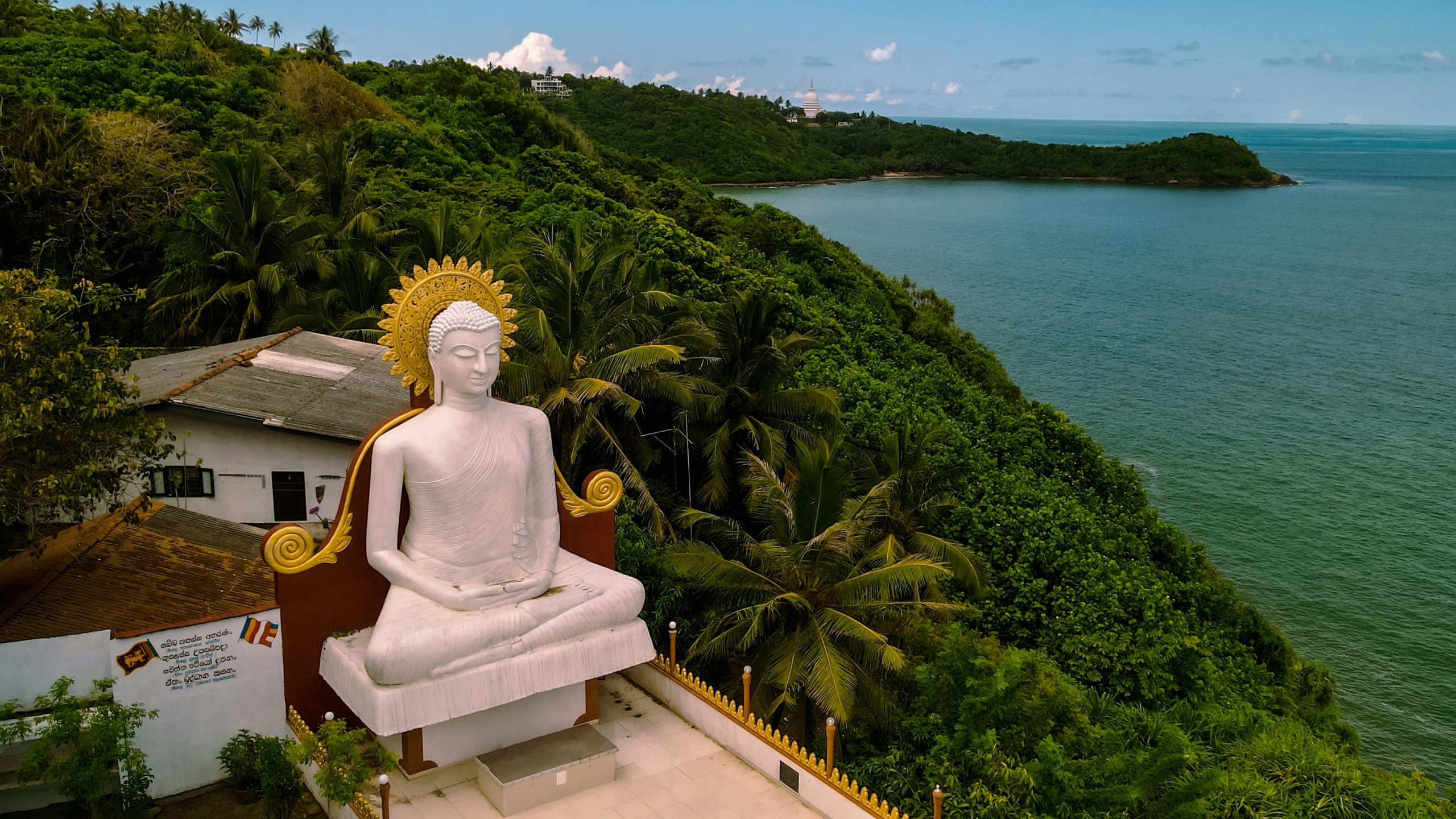
With direct flights and plenty of sights to see, Colombo is a natural starting point for any trip to Sri Lanka. Start your trip with a look at the Jami ul Alfar, the red-and-white striped mosque rising over Pettah’s chaotic market streets. From there, head to Gangaramaya Temple, which is home to thousands of Buddha statues. 

Round off the day at Galle Face Green for a stunning sunset view. If you’re an admirer of architecture, definitely head to Number 11, the former home of architect Geoffrey Bawa, Sri Lanka’s most celebrated architect and the father of Tropical Modernism. 

North of Colombo, Chilaw is the textbook starting point for Sri Lanka’s Ramayana Trail. Before heading to the Cultural Triangle, be sure to visit the two famous temples here. Munneswaram Temple is a Shiva temple widely believed to be the site where Lord Rama prayed after defeating Ravana. Nearby Manavari Temple is said to house the first Shivlinga installed by Lord Rama. Once you’ve done so, head to the Chilaw Lagoon for a wetland safari. The Lagoon boasts 16 different species of mangrove forests, and a safari is the best way to experience the area’s birdlife and biodiversity. 

The Cultural Triangle documents Sri Lanka’s Sinhalese Buddhist history. Sigiriya (also called Lion Rock) is an ancient rock fortress and palace ruin that stands 200 metres above the jungle’s green plains. It was built on a hardened granite top, the remains of a long-dead volcano. For a quieter spot, hike the nearby Pidurangala Rock instead, which offers the best view of Sigiriya (especially at dawn).

Sustained by a sophisticated irrigation system, the Cultural Triangle also includes Anuradhapura and Polonnaruwa. Both are UNESCO World Heritage cities, former capitals with centuries-old stupas and ruins. Nearby, the Dambulla Cave Temples are a pilgrimage site, home to five cave shrines and 157 statues of Buddha carved straight into the rock, dating back over 2,000 years. 

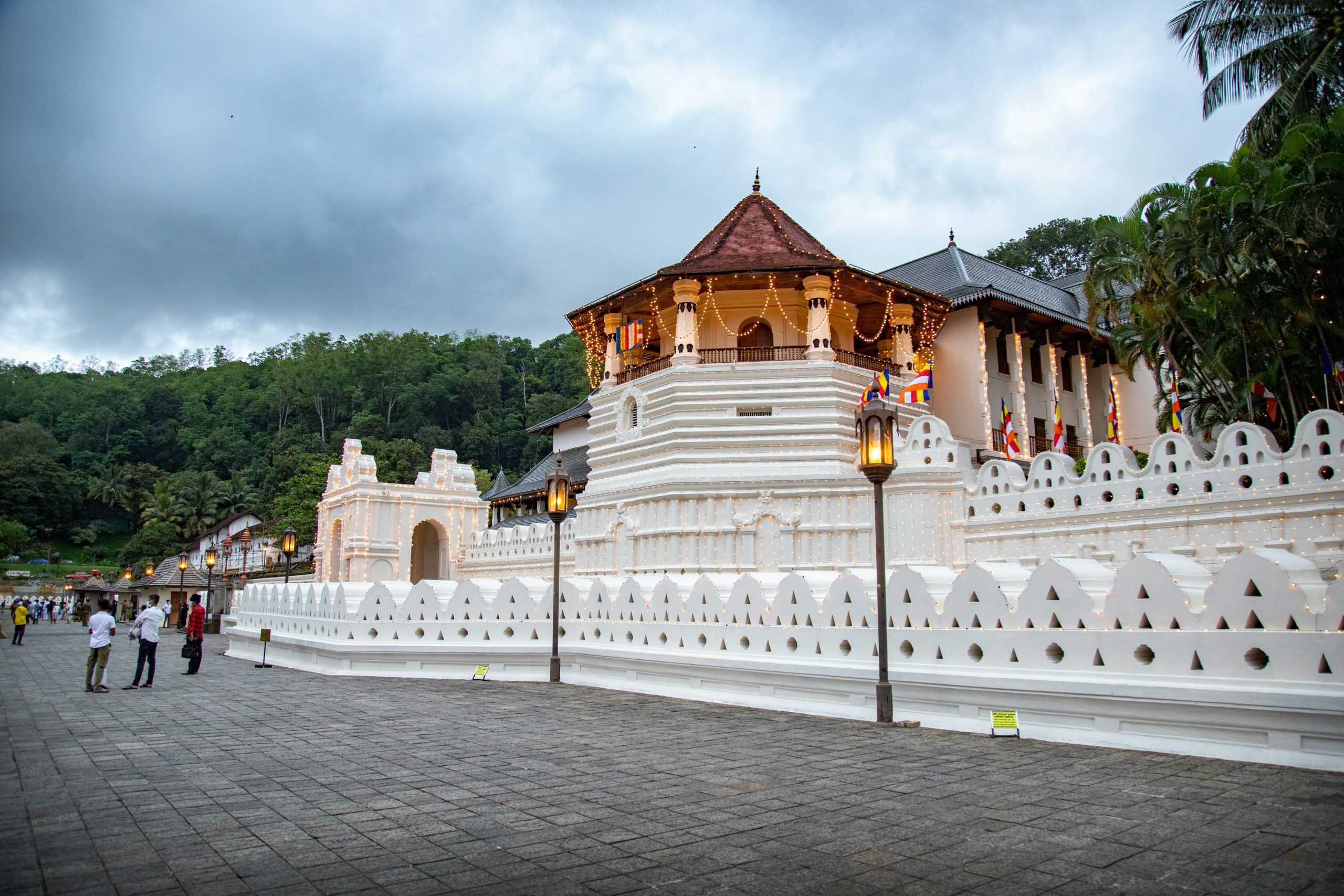
Kandy is located at the Southern tip of the cultural triangle. Travellers can visit the Sri Dalada Maligawa (Temple of the Sacred Tooth Relic), home to what Buddhists believe to be one of the Buddha’s teeth, specifically his left canine. The tooth was reportedly brought from India in the 4th century and eventually became emblematic of the king’s rule. 

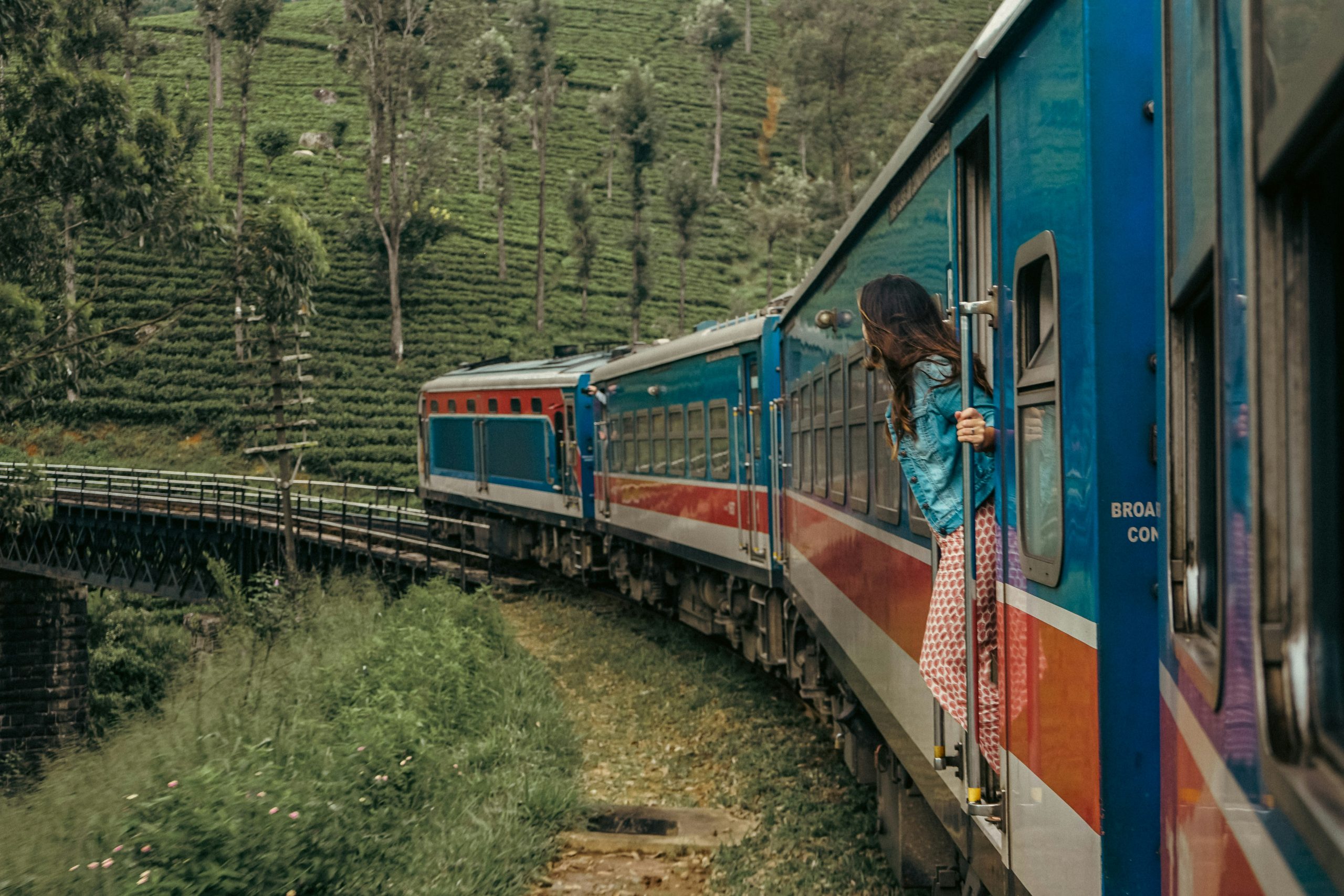
Outside the temples, Kandy Lake and the Peradeniya Botanic Garden offer quiet corners away from the temple crowds. From Kandy, the train to Ella runs through misty hill country and is easily one of the island’s most scenic rail journeys.

Once you reach Ella, you’ll be greeted by its beautiful walking trails, tea plantations and views across the surrounding valleys. Take a short walk to Little Adam’s Peak, an easy climb taking roughly 30-45 minutes. If you have the morning to spare, head to Ella Rock, which typically takes 2-3 hours to scale. 

The Nine Arch Bridge, a colonial-era railway bridge surrounded by forests, is a popular photo backdrop for tourists. Nearby, Ravanna Falls connects the waterfall and the nearby cave with the King of Lanka, who is said to have hidden Sita in a cave behind the waterfall.

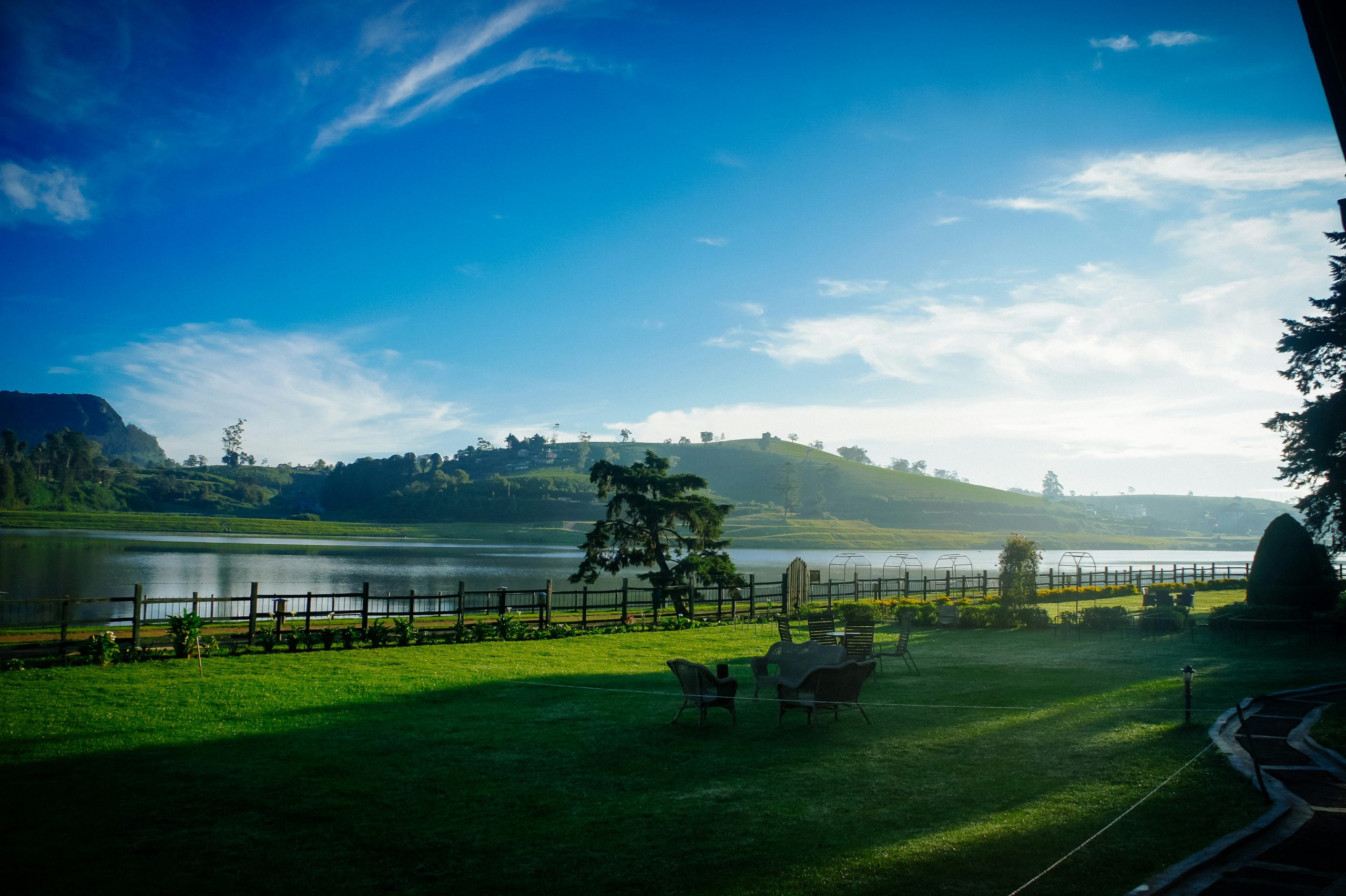
Locally known as Little England, Nuwara Eliya sits in the heart of Sri Lanka’s UNESCO-listed Central Highlands. Its name comes from its lingering colonial character and tea estates, where freshly picked leaves are withered, rolled, oxidised and dried before becoming the tea served around the world. 

For bird watchers and nature enthusiasts, the Knuckles Conservation Forest is definitely worth the short detour. In a separate range roughly 2-3 hours northeast of Kandy, it is home to more than 130 recorded bird species, including 17 species endemic to Sri Lanka.

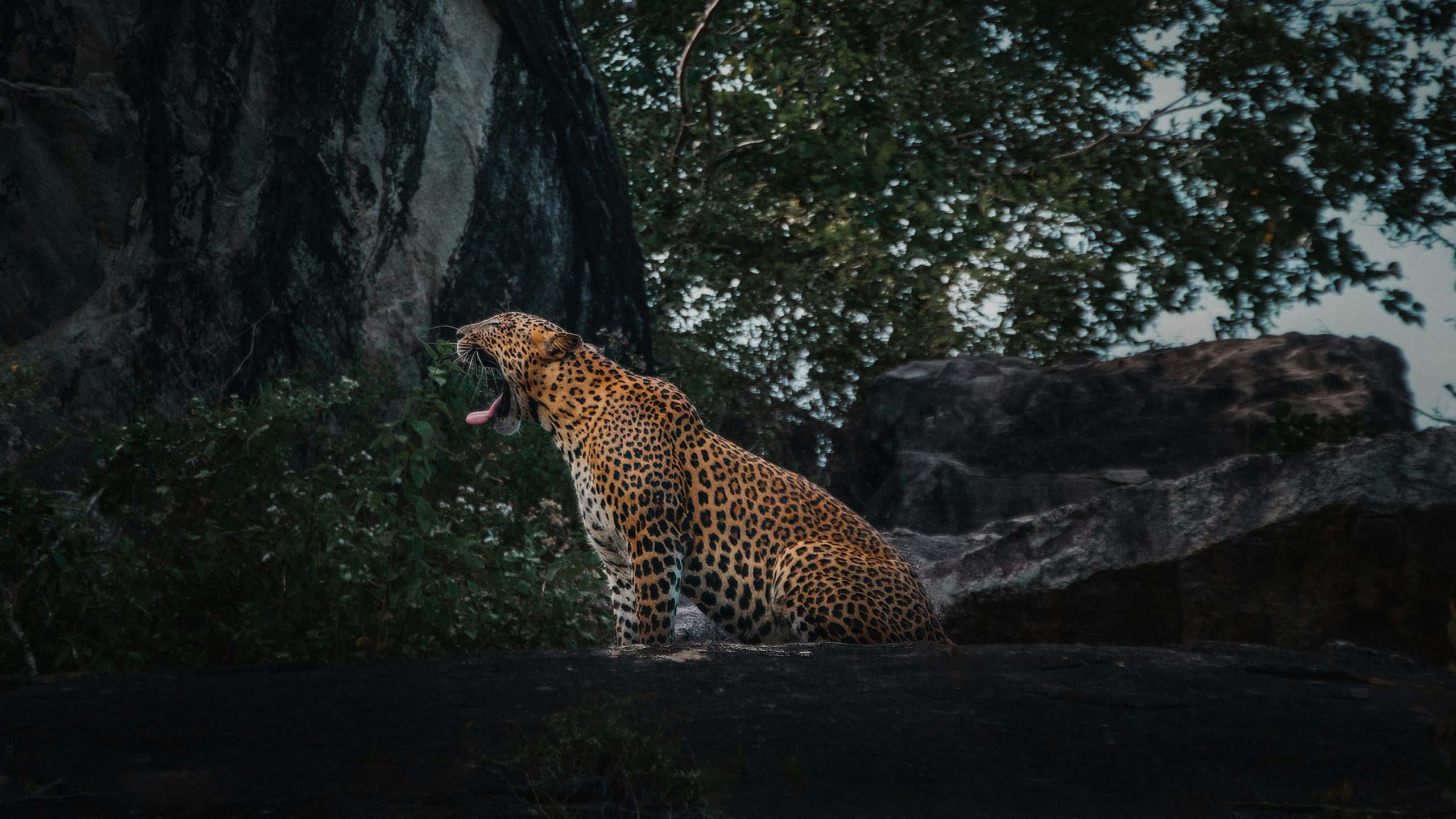
Yala National Park is Sri Lanka’s best-known wildlife destination. Travellers have the chance to spot leopards alongside elephants, sloth bears, crocodiles and abundant birdlife. A jeep safari is the recommended way to explore its varied landscapes, although the park’s reputation can mean more vehicles gathering around high-profile sightings.

For an offbeat alternative, the Gal Oya National Park in the island’s east is a great choice. With the Senanayake Samudraya reservoir as your background, the park offers a distinctive boat safari to spot elephants and birds without worrying about crowds scaring the elusive wildlife away.

As you head southwest, Bentota is a popular choice for its coastal beauty. Travellers often choose to experience the region with a leisurely river safari along the Bentota Ganga. Monitor LIzards and monkeys are common sights as you pass through smaller waterways and mangroves. 

For a longer tour which covers the river exclusively, the Madu Ganga river safari near Balapitiya has you covered. It covers the broader mangrove ecosystems, as well as the many cinnamon farms along the way. Bentota is better if you want the river safari to be a part of your day, while Madu Ganga is better if you’re looking for a safari as the main event. 

To the east you’ll find Arugam Bay, Sri Lanka’s main surf destination and a favourite among surfers. Whiskey Point, an iconic surfing spot, is a short drive away from the bay. You can easily rent a surfboard or book a lesson on the beach when you arrive. Beyond the waves, the bay also offers a quieter side of the island, with wetlands and countryside to explore stretching toward Kumana National Park. 

Best Time to Visit Sri Lanka

Sri Lanka’s coasts run on opposite monsoon schedules, so the right travel season depends on which part of the island is on the itinerary. White Trails builds Sri Lanka tour packages around whichever combination fits your dates.

Northeast Monsoon

December to February 25°C to 30°C

Dry and sunny in the south and west

This is a popular time to explore the south and west coasts. Beach towns such as Bentota, Mirissa and Unawatuna are enjoying their drier season. It is also a good time to explore the Cultural Triangle, including Sigiriya and Dambulla, before heading into the cooler Central Highlands around Kandy and Nuwara Eliya.

First Inter-Monsoon

March to April 27°C to 33°C

Hot, increasingly humid, occasional thunderstorms.

March can bring good conditions for beach holidays along the south and west, although the heat builds towards April. Sinhala and Tamil New Year is celebrated in April. If you are travelling around this time, expect some businesses and attractions to operate on holiday schedules.

Southwest Monsoon

May to September 25°C to 32°C

Wetter in the south and west, drier in the north and east

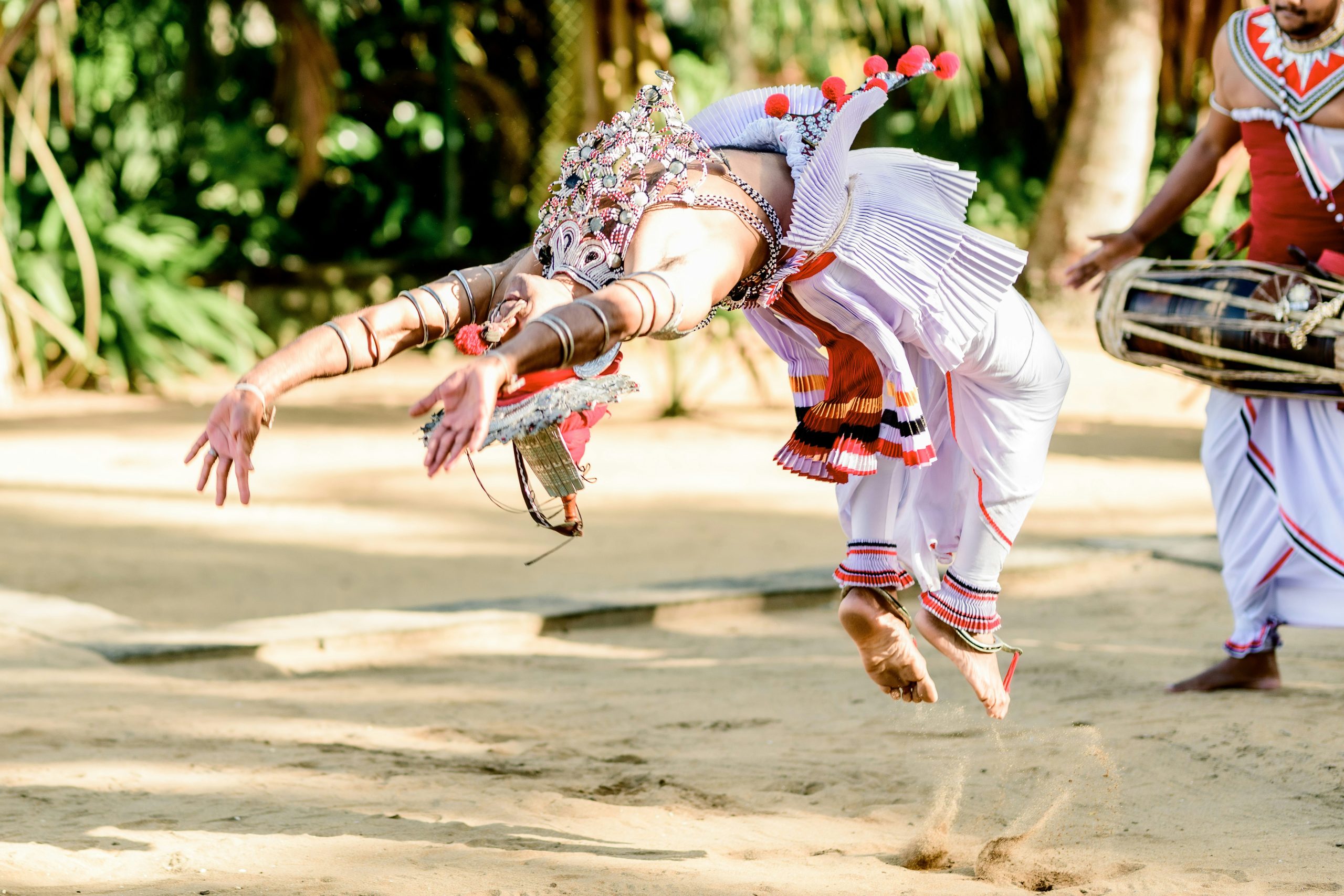
This is a popular time to visit Arugam Bay for surfing. Beaches around Trincomalee and Nilaveli offer warmer, drier conditions for coastal getaways. In Kandy, the annual Esala Perahera usually takes place in July or August, filling the city with processions and traditional performers.

Second Inter-Monsoon

October to November 25°C to 30°C

Transition period, rain possible island-wide

October and November form a transition period between the two main monsoons, so rainfall can be unpredictable across the country. This can be a useful time to combine cultural stops such as Kandy, Sigiriya and Galle with flexible days for the coast.

Top Things to Do in Sri Lanka

With wildlife parks, coral coastlines, tea country and mountainside pilgrimages within a few hours of each other, Sri Lanka is a great destination for every kind of traveller. White Trails builds Sri Lanka tour packages around all these combinations, based on your interests.

Track Wildlife Beyond Yala

Explore national parks and wetlands across the island for a first-hand experience of Sri Lanka’s wildlife. Udawalawe is particularly known for its large elephant population and open grassland, making animals easier to spot from a jeep. At Minneriya, the ancient reservoir becomes a gathering point for large herds during the dry season, in an event often referred to as The Gathering. You can also explore the wetlands around Bundala, an important stop for migratory birds.

Track Wildlife Beyond Yala

Dive Into a Coral Reef

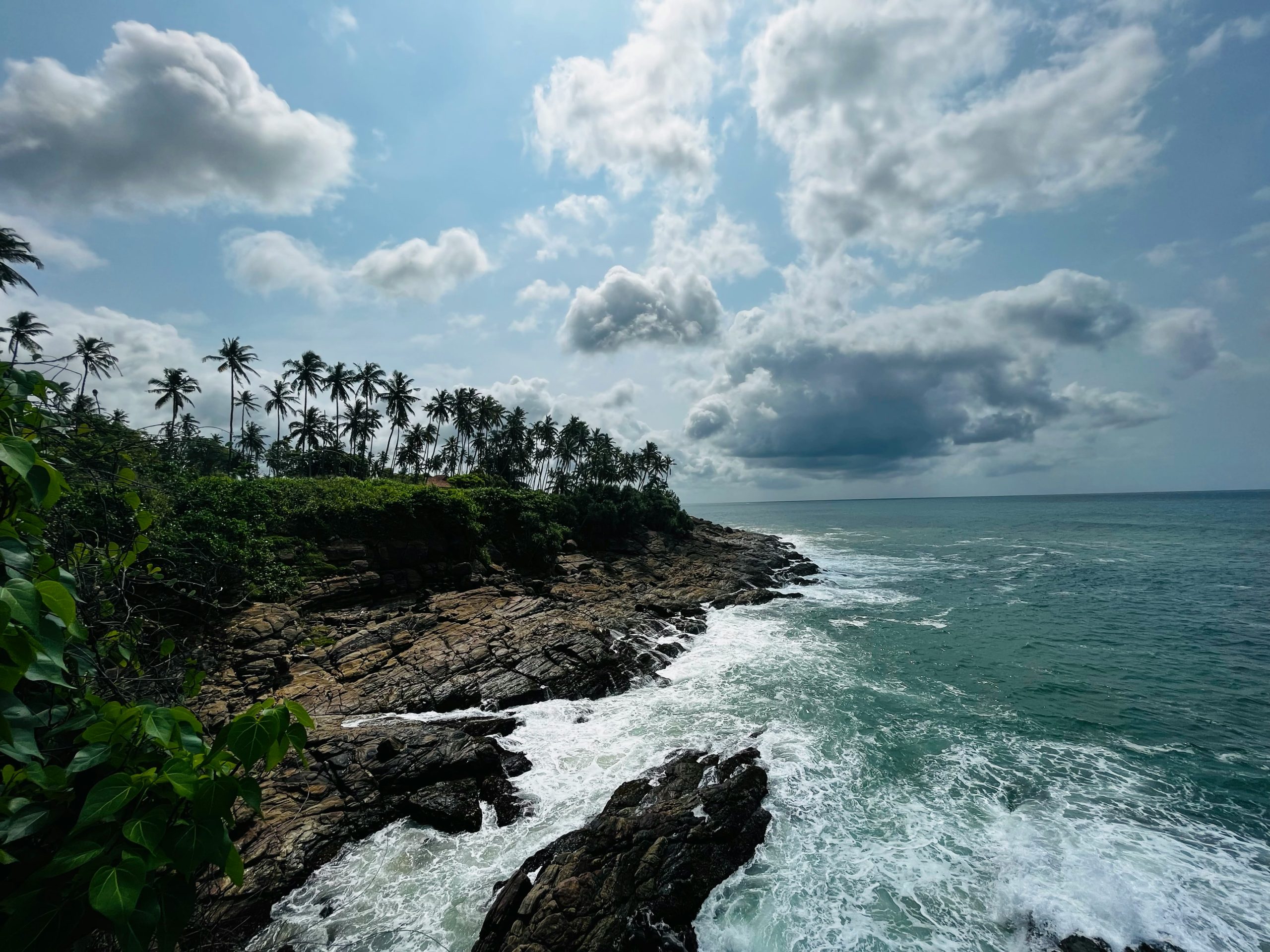
Journey to Hikkaduwa on the southwest coast for diving and snorkelling among coral reefs. Tropical fish and sea urchins are common sightings, with the occasional sea turtle too. You can also travel to Trincomalee on the east coast, where whale-watching excursions head into deeper waters. Further north, Kalpitiya is known for its steady winds and has become one of Sri Lanka’s popular kitesurfing destinations.

Dive Into a Coral Reef

Spend a Day on the Southern Beaches

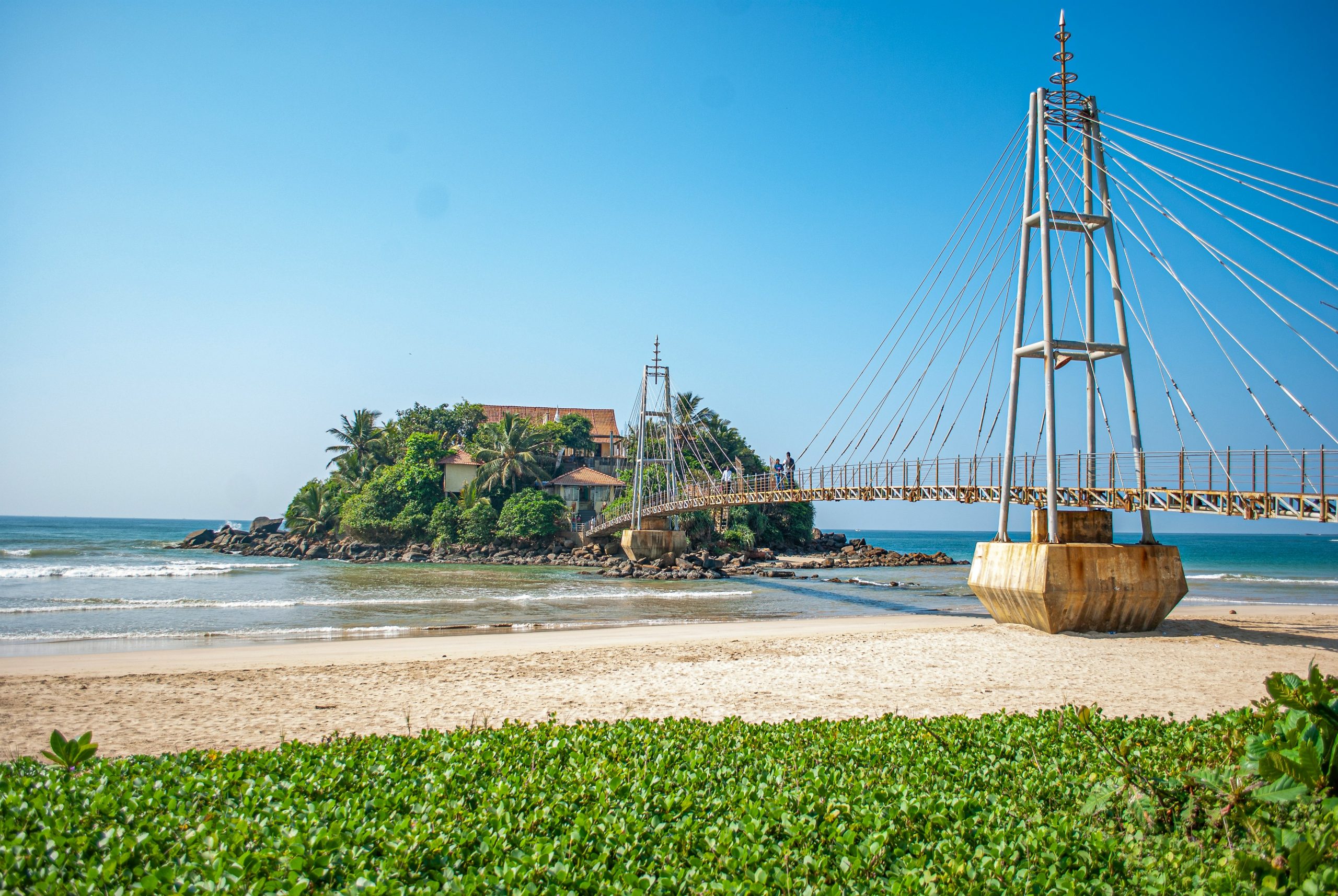
The southern coast offers more than a traditional beach day in Sri Lanka. Mirissa curves around a sheltered bay lined with palms, making it a popular base for swimming and whale-watching trips. Nearby Unawatuna has a more established tourist scene. It’s located close to Galle, making it convenient to combine the beach with a visit to the city’s historic fort. For a very different coastal experience, continue north to Jaffna, where the shoreline is calmer, and the culture has a distinctly Tamil character.

Spend a Day on the Southern Beaches

Climb Into the Highlands

Walk through Horton Plains National Park to reach World’s End, a sharp cliff edge overlooking the valleys below, set among grassland and forest trails. Climb Adam’s Peak, or Sri Pada for a longer challenge. The mountain stands at 2,243 metres and remains one of Sri Lanka’s most important pilgrimage sites, revered across several faiths for the footprint said to mark its summit. White Trails can build the climb into a wider highlands itinerary for travellers who want to combine it with Nuwara Eliya or Ella.

Climb Into the Highlands

Raft the Kelani River

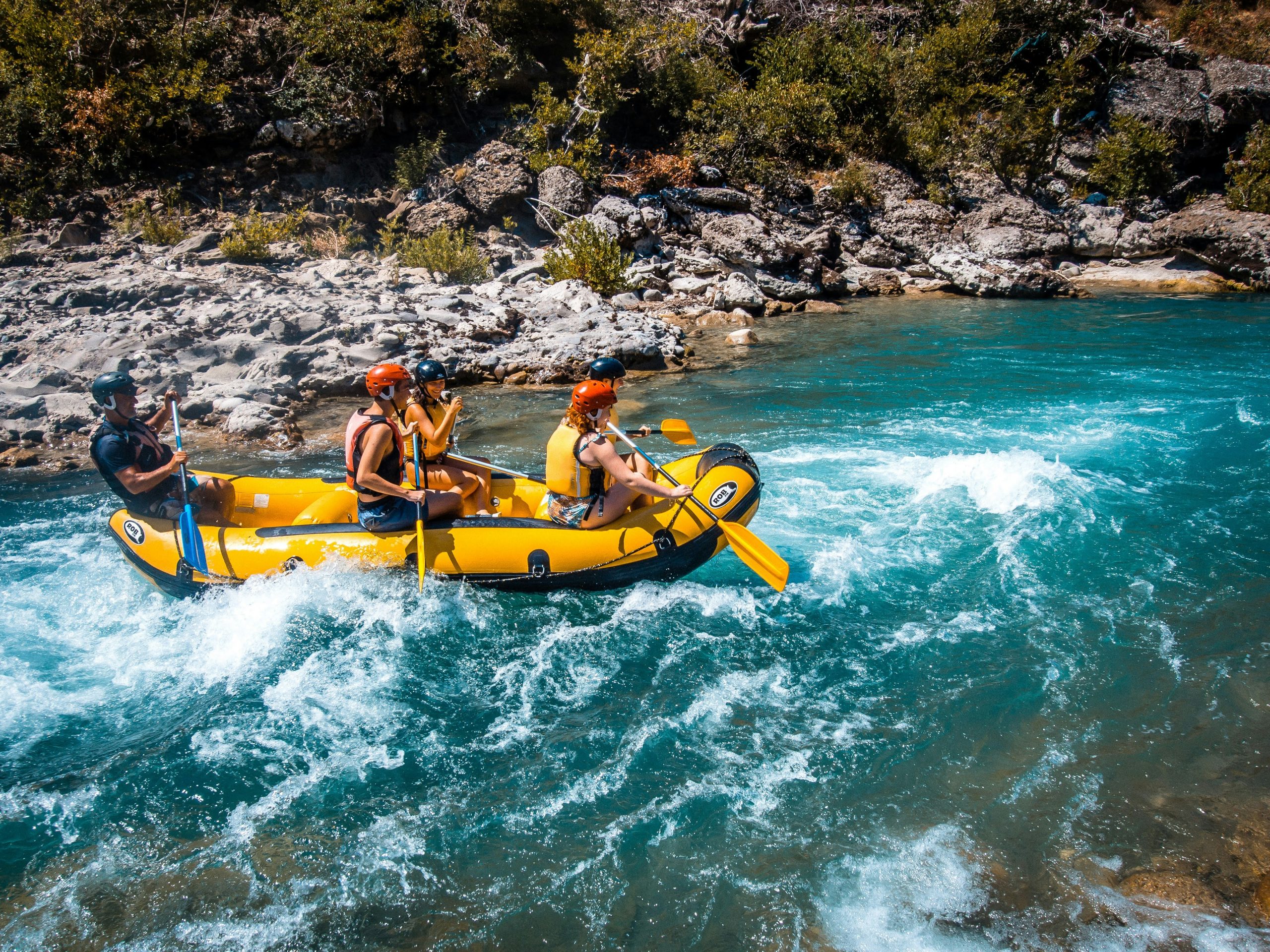
Head to Kitulhala for whitewater rafting. About two hours from Colombo, the Kelani River’s Class II-III rapids are a great way to add an adventurous flavour to your Sri Lanka tour. The run spans five major rapids and four minor rapids over two hours. If you’re worried about being a novice or not being able to swim, you shouldn’t be. The run welcomes both first-timers and experienced rafting enthusiasts, with briefings and safety gear included.

Raft the Kelani River

Discover Sri Lanka’s Local Culture

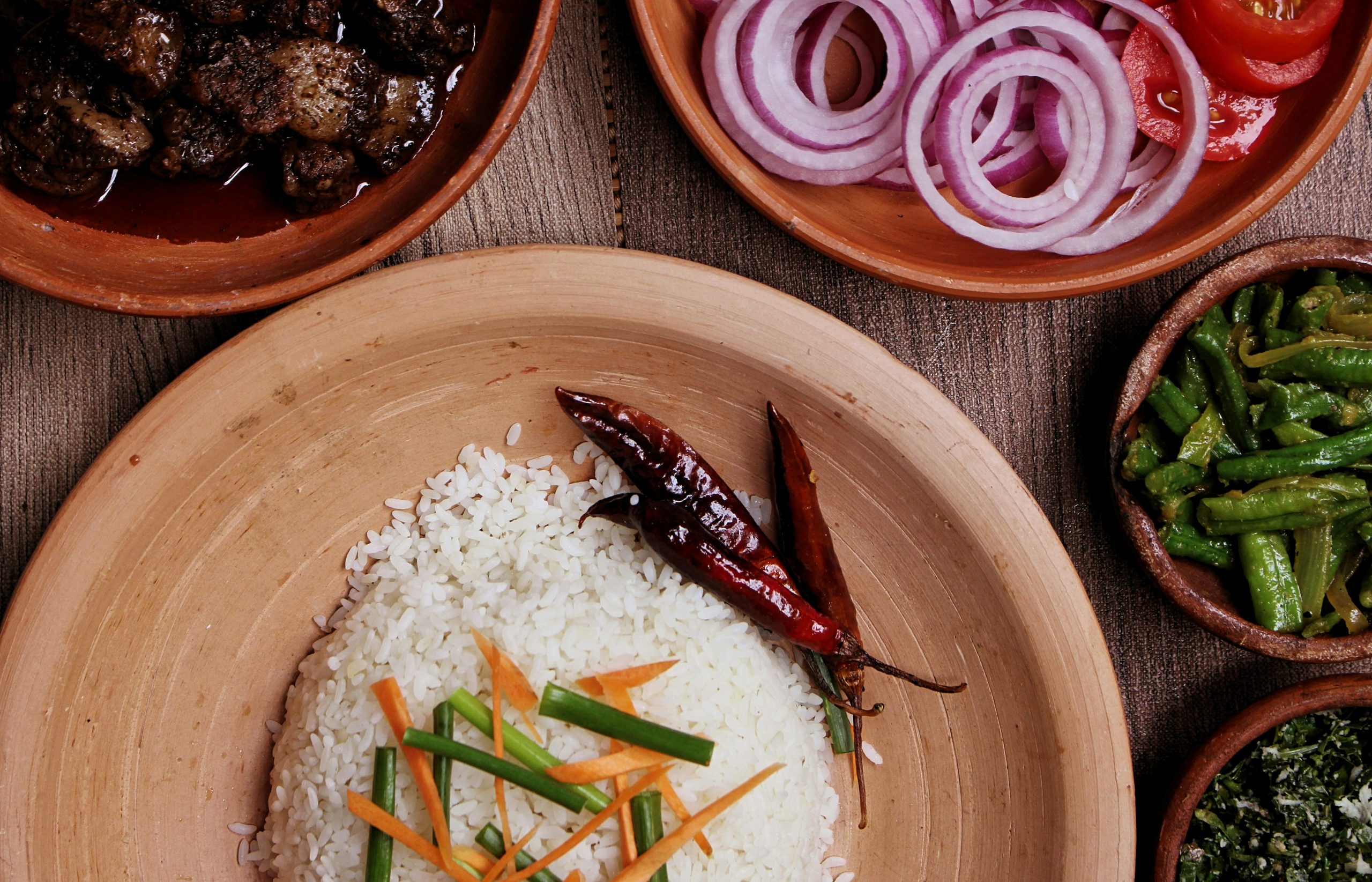
Sri Lanka’s food, crafts and spice trade make up a sizable part of its cultural history. White Trails builds these into Sri Lanka tour packages alongside the main sightseeing for a complete experience.
Local cuisine

Try kottu roti, chopped and mixed on a hot griddle, or lamprais, a Dutch-influenced dish of rice and meat encased in a banana leaf.

Traditional Masks

Ambalangoda, on the southwest coast, is the centre for Sri Lanka’s traditional mask-making. Watch artisans shape, paint and finish masks depicting characters from local folk stories.

Teas and Spices

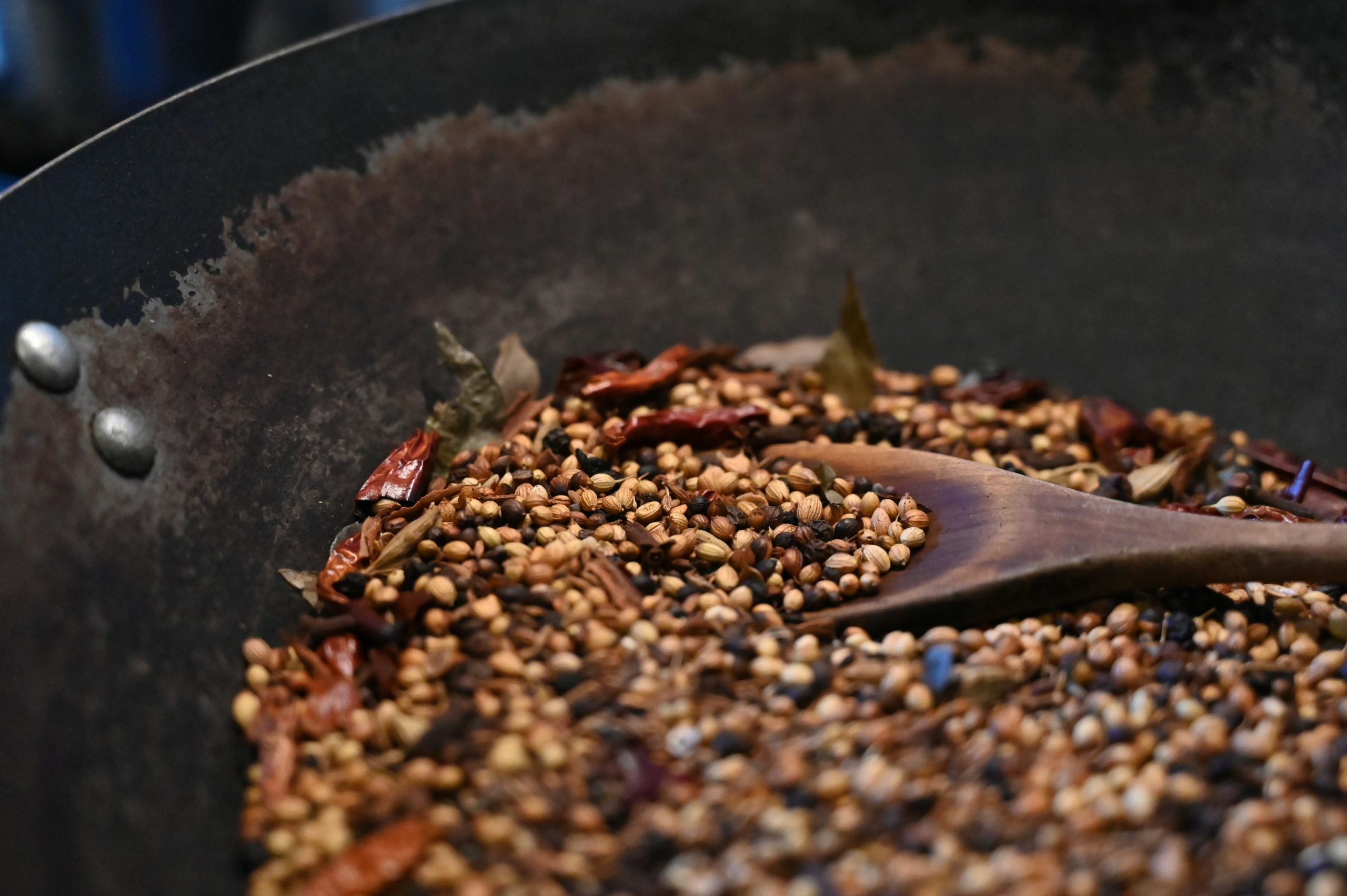
Sri Lanka has been known as the Spice Island since the ancient spice trade routes that first brought Arab, Portuguese and Dutch traders to its shores. Elevation changes the character of Ceylon tea across the island; highland plantations produce a different flavoured cup than the lowlands. Tea fields and spice gardens are the best way to see both trades up close.

Travel Essentials for Your Sri Lanka Trip

Visas, currency, transport and packing all shape how smoothly a Sri Lanka trip runs. White Trails factors these details into every Sri Lanka tour package based on your travel dates and route.

Visa rules change periodically, so confirm requirements before booking.

  • Indian nationals qualify for a free tourist Electronic Travel Authorisation (ETA), valid for 30 days with double entry, applied for online before arrival.
  • A confirmed ticket for your return and proof of funds are required
  • The 30-day stay can be extended through Sri Lankan immigration authorities, subject to fees and current rules

The Sri Lankan rupee (LKR or Rs.) is the local currency.

  • Keep smaller notes for tuk-tuks and small purchases; change for larger notes can be hard to find
  • International cards work at most ATMs, though acceptance varies by business.

Here’s what to know about navigating through Sri Lanka

  • Tuk-tuks suit shorter journeys. Agree the fare upfront if not booking through an app.
  • Self-drive tuk-tuk rentals exist but are recommended only for travellers experienced with busy Asian roads.
  • PickMe and Uber operate island-wide.
  • Trains run scenic routes and fill up fast. Book up to 30 days ahead.
  • Buses connect Colombo with coastal towns at affordable prices.

Pack for both the tropical coast and cooler highlands on your Sri Lanka tour.

  • Breathable cotton or linen for warm, humid areas; shorts and light dresses for everyday sightseeing
  • One pair of trousers or a long skirt, plus a shoulder-covering top, for temples and religious sites
  • Walking shoes for hikes and uneven roads; sandals for the coast
  • Sunscreen, a light jacket and a compact umbrella for changeable weather
  • A lighter suitcase or backpack if your route includes trains, tuk-tuks and road transfers

When visiting Sri Lanka, follow these simple etiquette guidelines to show respect: 

  • Don’t touch Buddha statues.
  • Don’t turn your back to sacred images for photographs, or point at religious objects with your finger.
  • Don’t photograph monks without explicit permission
  • Use your right hand, or both hands, when giving or receiving objects

A local SIM or eSIM is the most reliable way to stay connected for maps, bookings and communication.

  • Tourist SIMs are available at Bandaranaike International Airport
  • Coverage varies by region and service provider, so check current coverage options before choosing one. 
  • Hotel and café Wi-Fi is common, but mobile data helps you stay connected when travelling between destinations. 

FAQs

Quick answers to the most common queries about travelling in Sri Lanka

Yes, travel insurance can help cover unexpected costs during a trip to Sri Lanka, including medical emergencies, trip cancellations, travel delays and lost baggage. Check the policy terms and exclusions to make sure the cover matches your itinerary.

The ideal time to visit Sri Lanka is dependent on the part of the island you plan to explore. December to February generally offers drier weather across the south, west and central highlands, while May to September is more favourable for the north and east. March to April and October to November are transition periods when rainfall can be less predictable.

Sri Lanka’s transport options work for different types of journeys. Trains are ideal for scenic routes, while tuk-tuks and ride-hailing apps are convenient for shorter journeys. For longer itineraries covering several destinations, a private driver can offer greater flexibility. White Trails can help arrange the right transport options as part of your Sri Lanka tour package, based on your planned route.