Overview

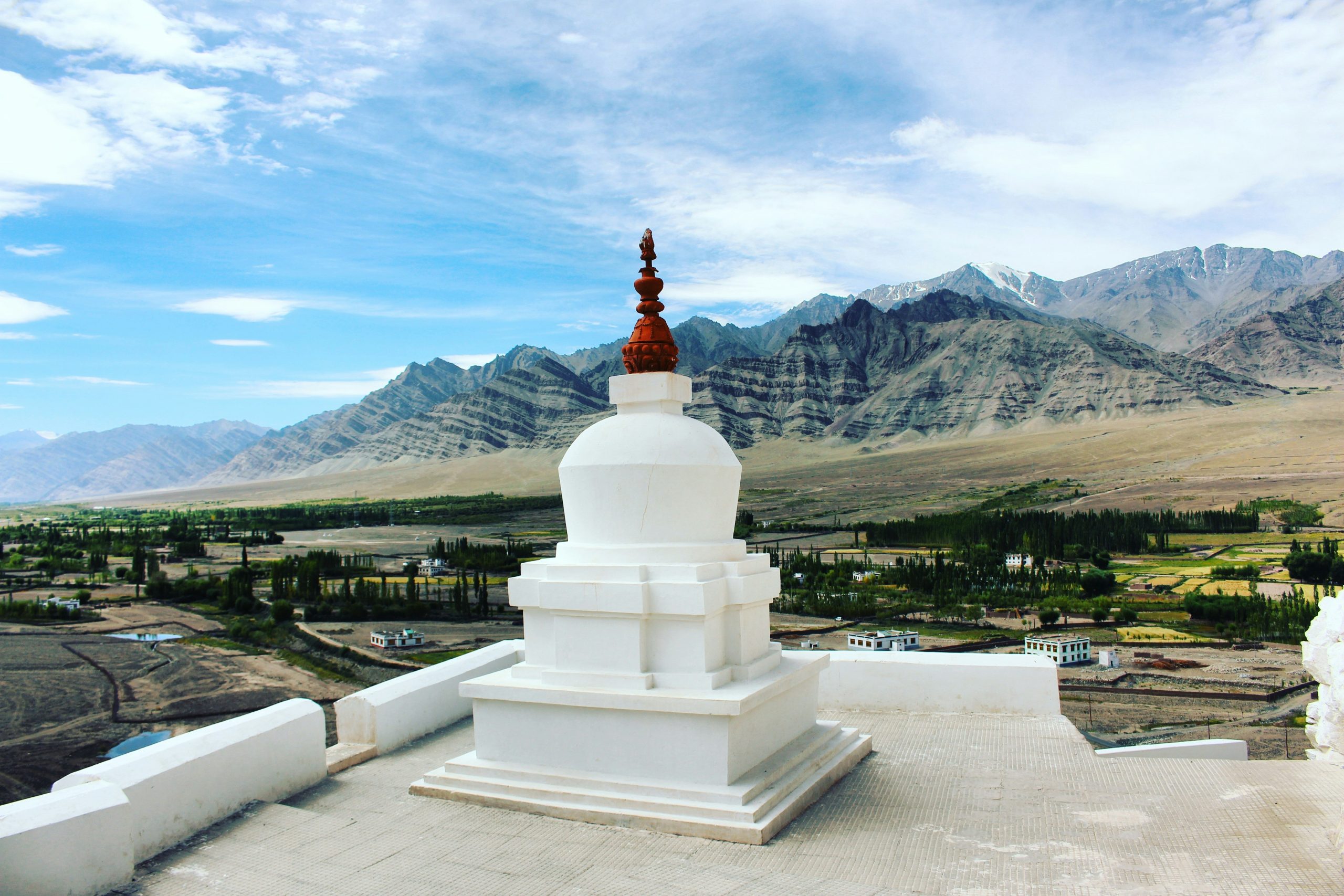
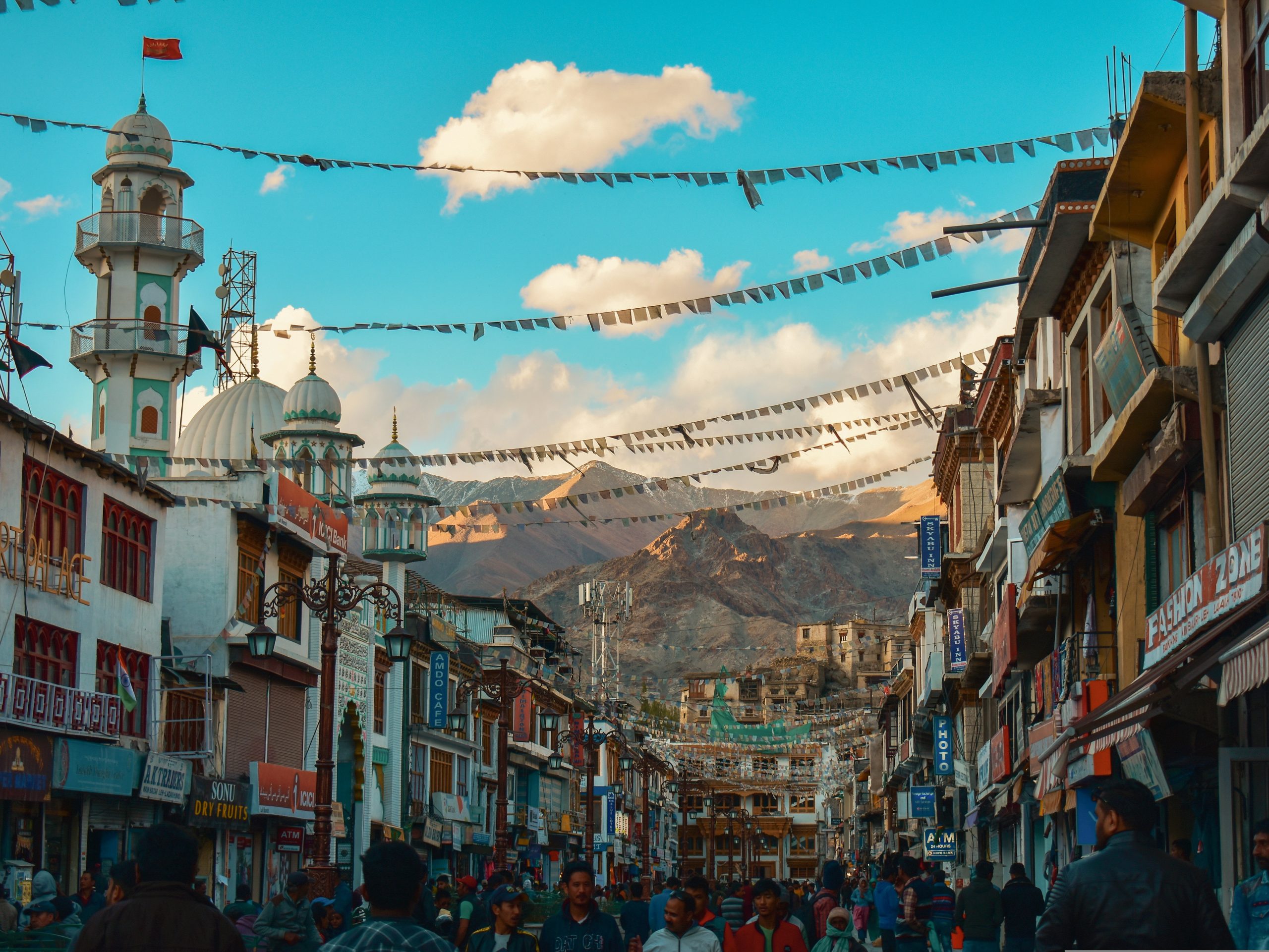
Ladakh is often reduced to a typical tourist checklist: the Manali-Leh highway ride on a rented Royal Enfield and the Magnetic Hill gravity trick on the Kargil Road. The surrounding valleys often get overlooked, offering more than high passes and snow-capped peaks. Whitewashed monasteries like Thiksey rise above barley fields here, with colourful prayer flags snapping in the mountain wind outside their walls. In Leh’s old bazaar, locals sell Ladakhi trinkets and a plate of steaming momos at an eatery here warms you up in the cold.

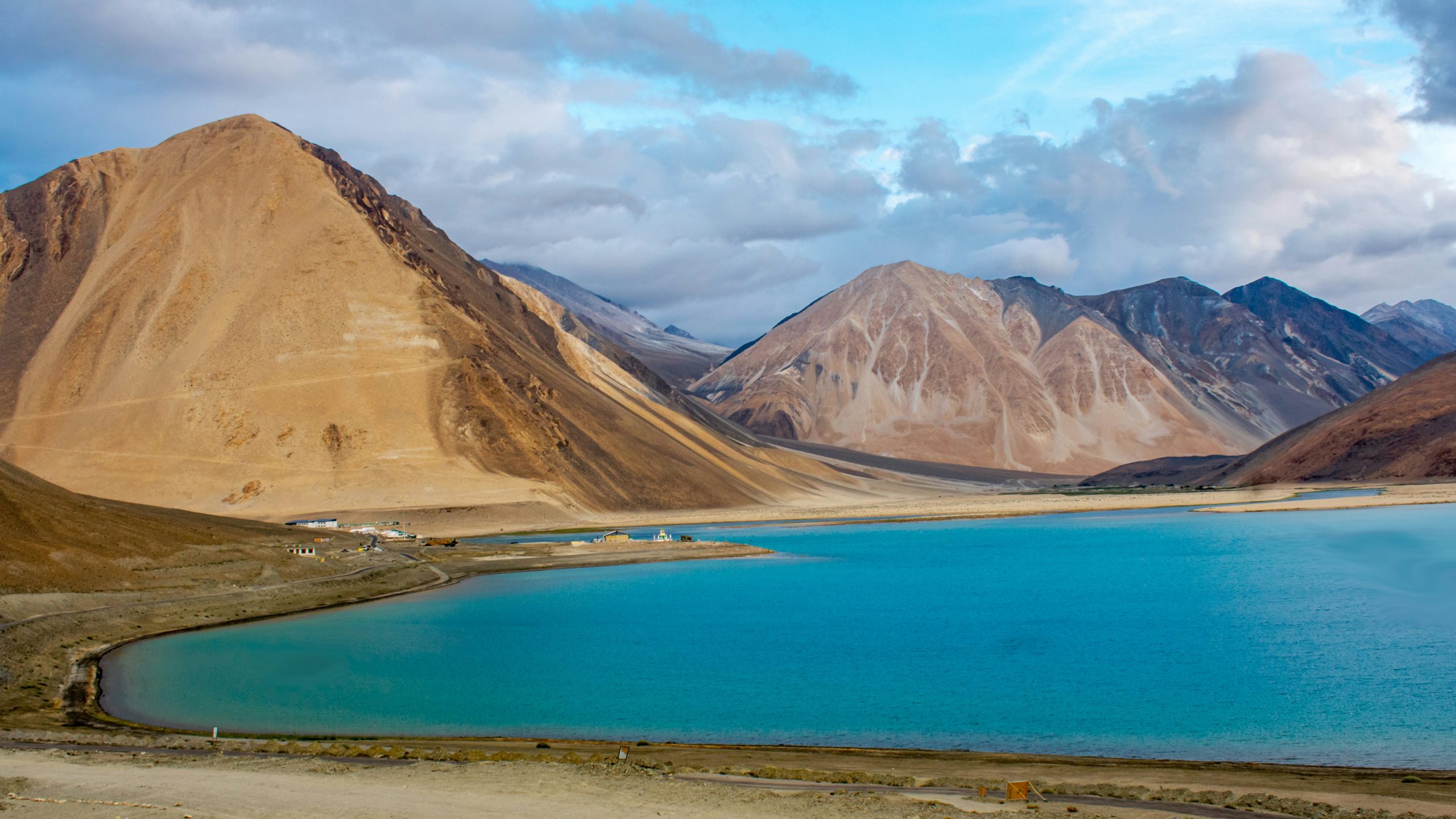
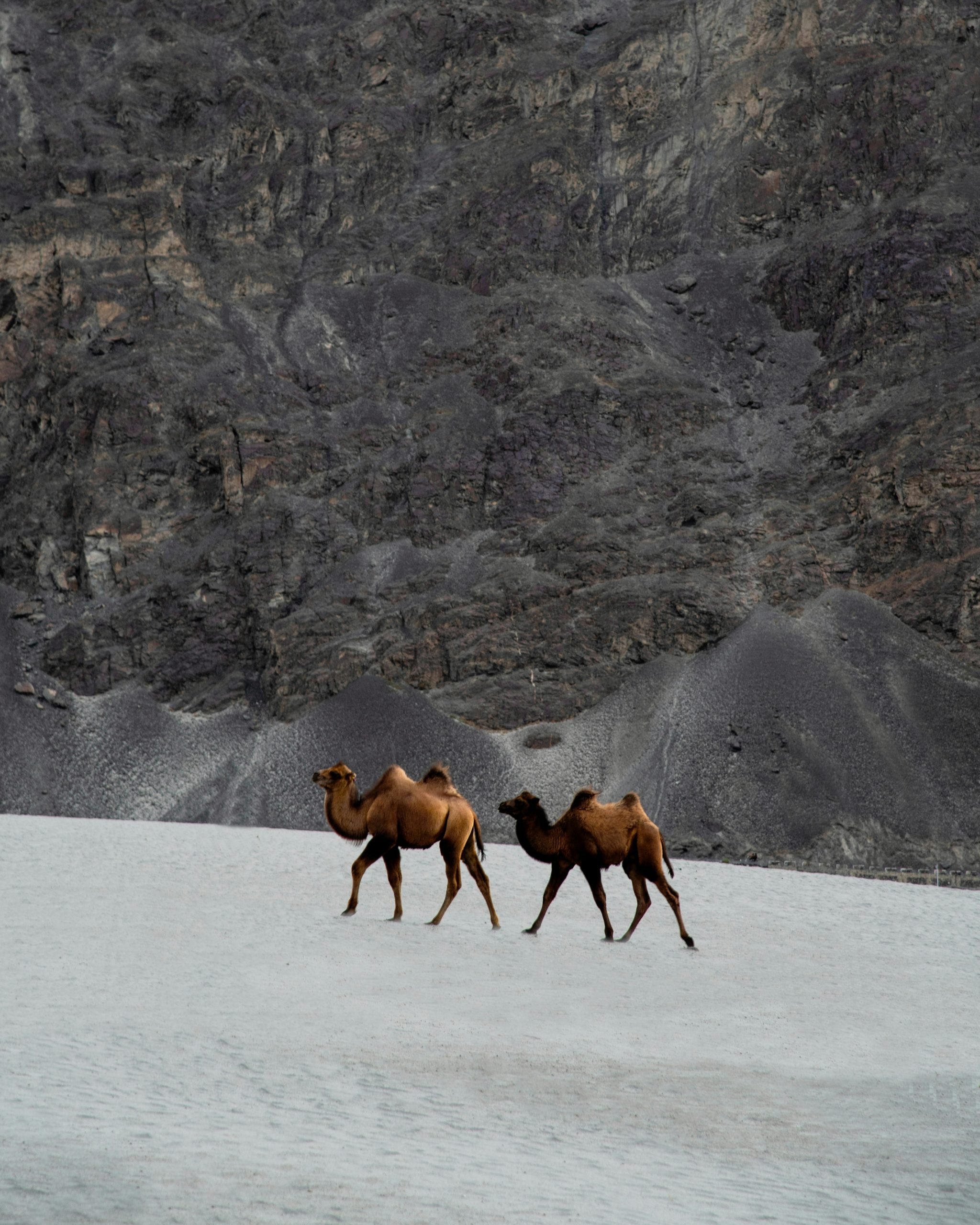
Cross Khardung La, one of the world’s highest motorable passes and you reach the Nubra Valley. Dunes lie here beneath snow-dusted peaks and double-humped Bactrian camels can be seen crossing them at sunset. Enjoy views of Pangong Tso lake, which changes colour from steel blue to deep turquoise as clouds drift past. Evenings out here are cold and once the light fades, the sky fills with so many stars that the Milky Way stretches across it like a pale river.

With so much packed into one region, planning a trip here can feel overwhelming. White Trails takes care of that with its Leh Ladakh tour packages, built around your travel style and preferences.
Places to Visit

Ladakh is a region where every few hours of driving brings a different setting. Each stop has its own character and here are the ones worth planning your trip around.

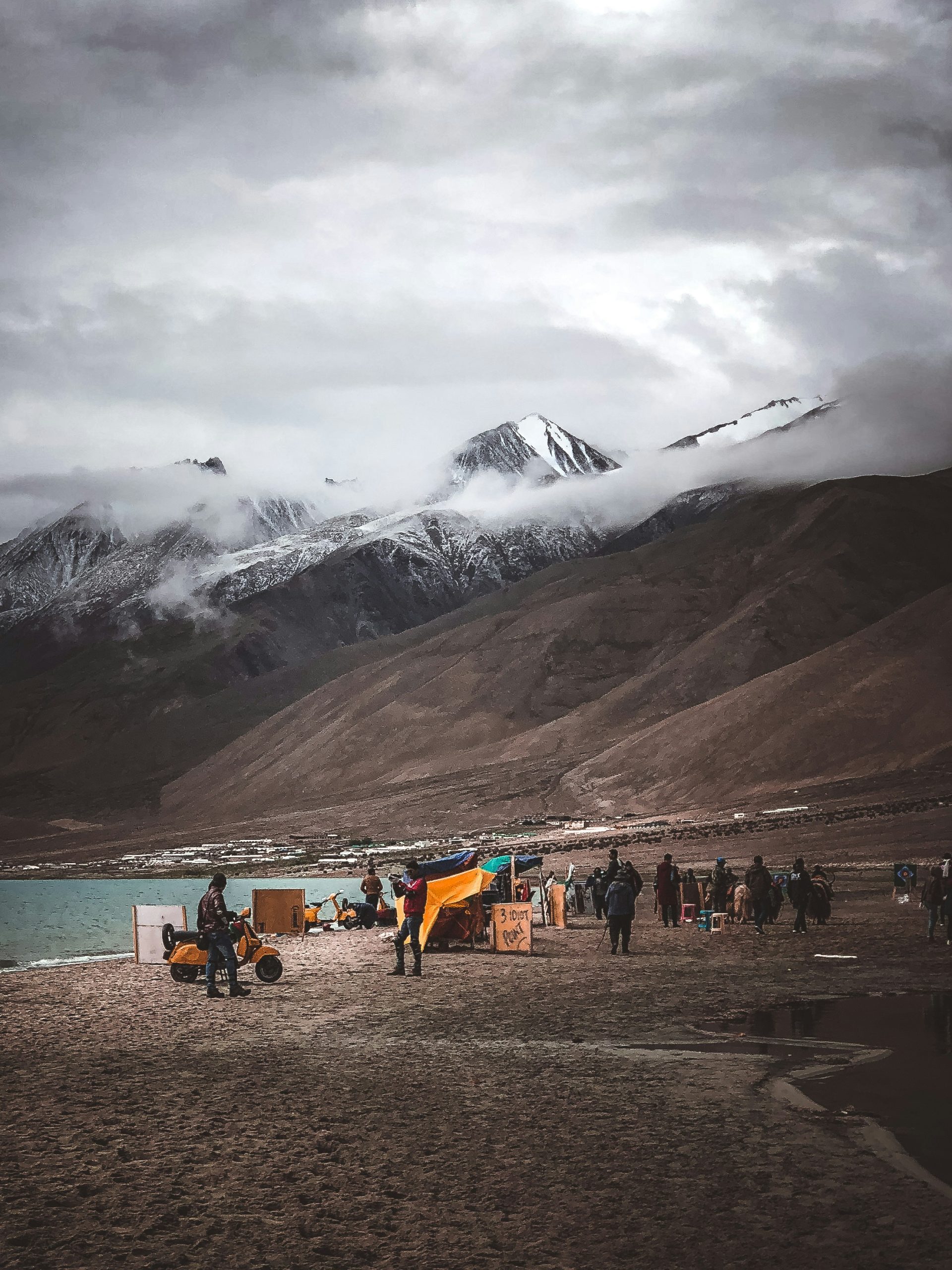
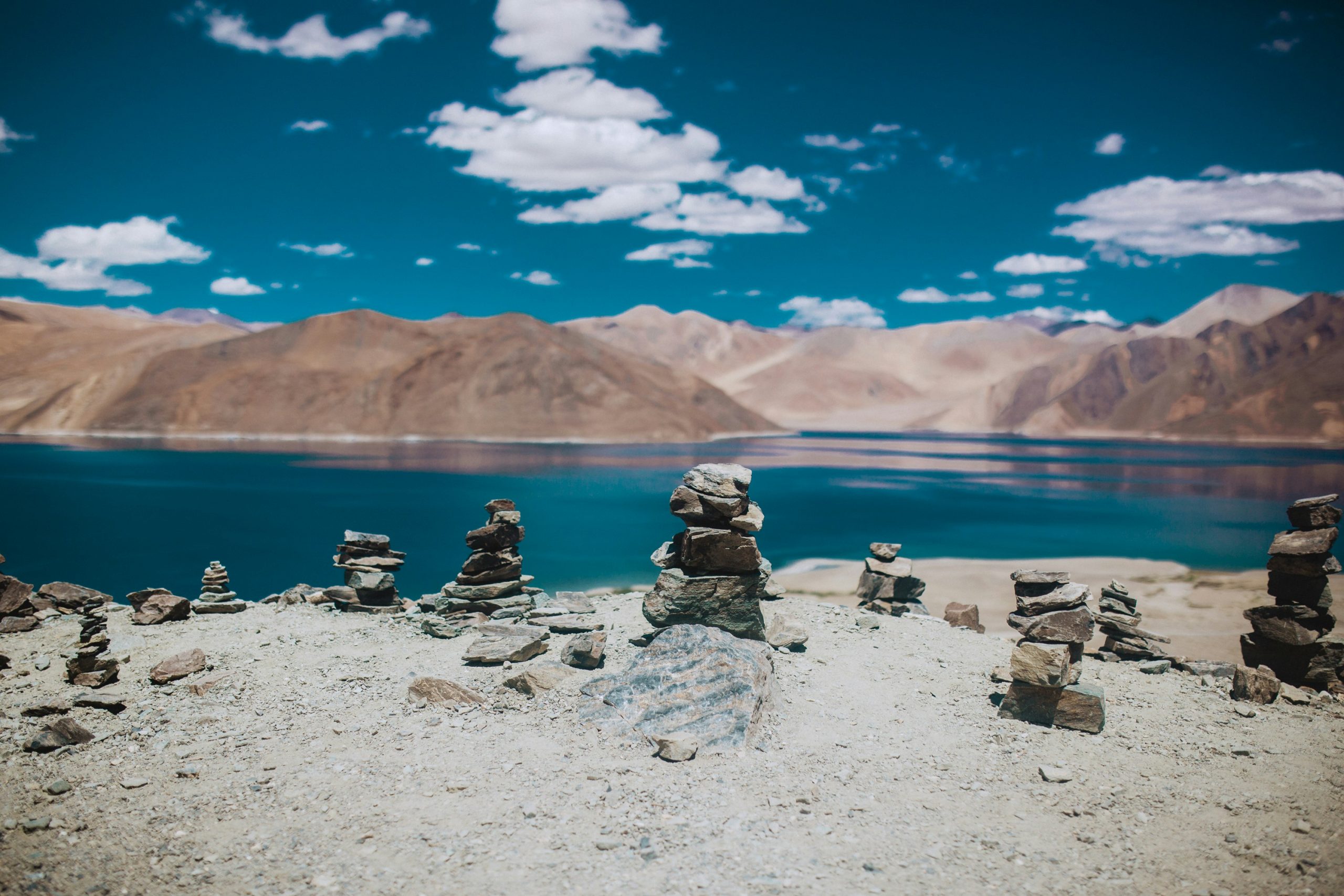
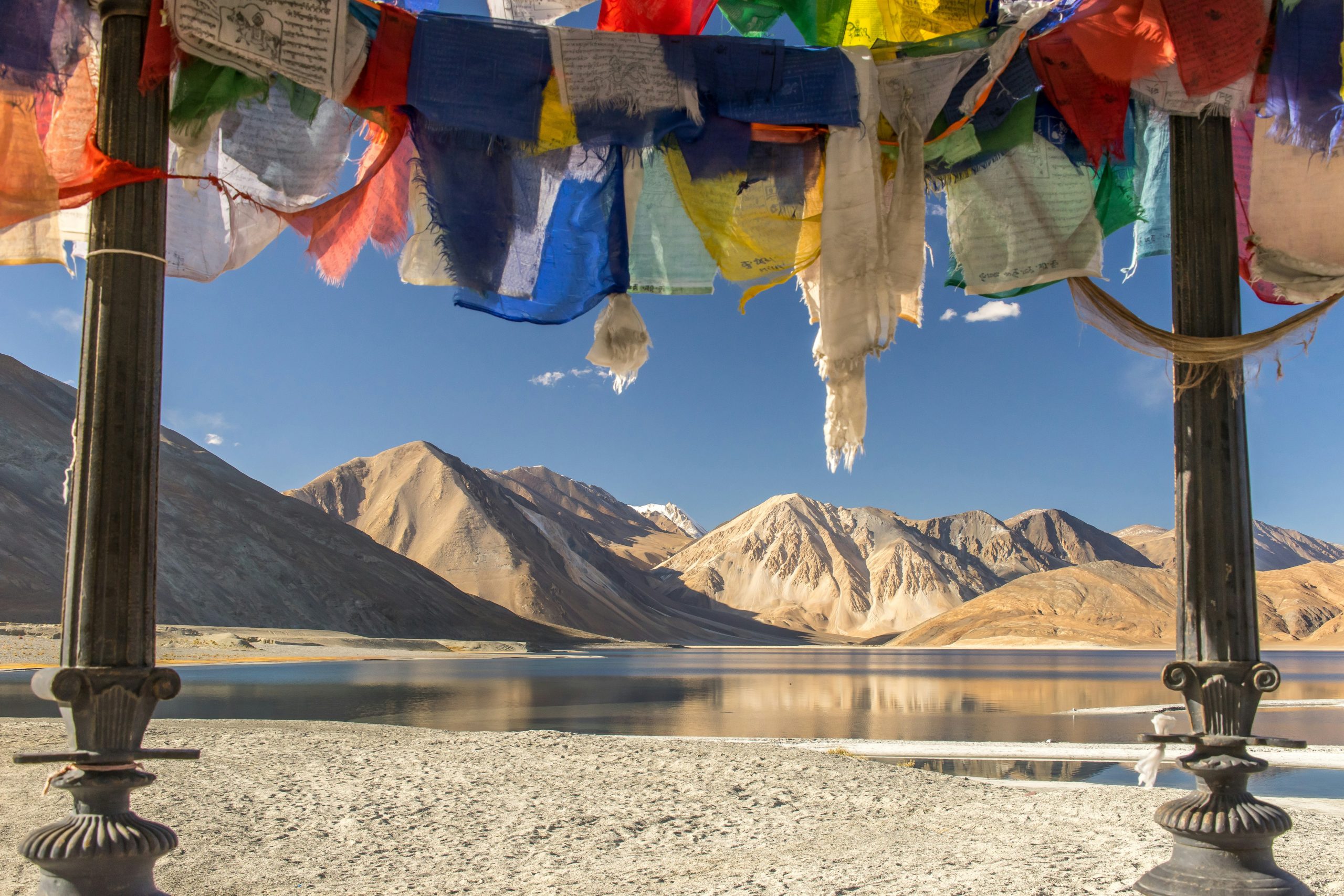
Pangong Tso is worth the long drive because its beauty is hard to match anywhere else in Ladakh. After the climb over Chang La, the road opens onto a vast lake whose clear water mirrors the sky and the sunlit mountains around it. Snow-capped peaks line the horizon and the far shore fades into a soft haze, making the lake feel endless. In winter, the whole lake freezes into a sheet of pale ice. Many visitors also come here for their 3 Idiots fan moment, posing with the film’s replica props by the shore.

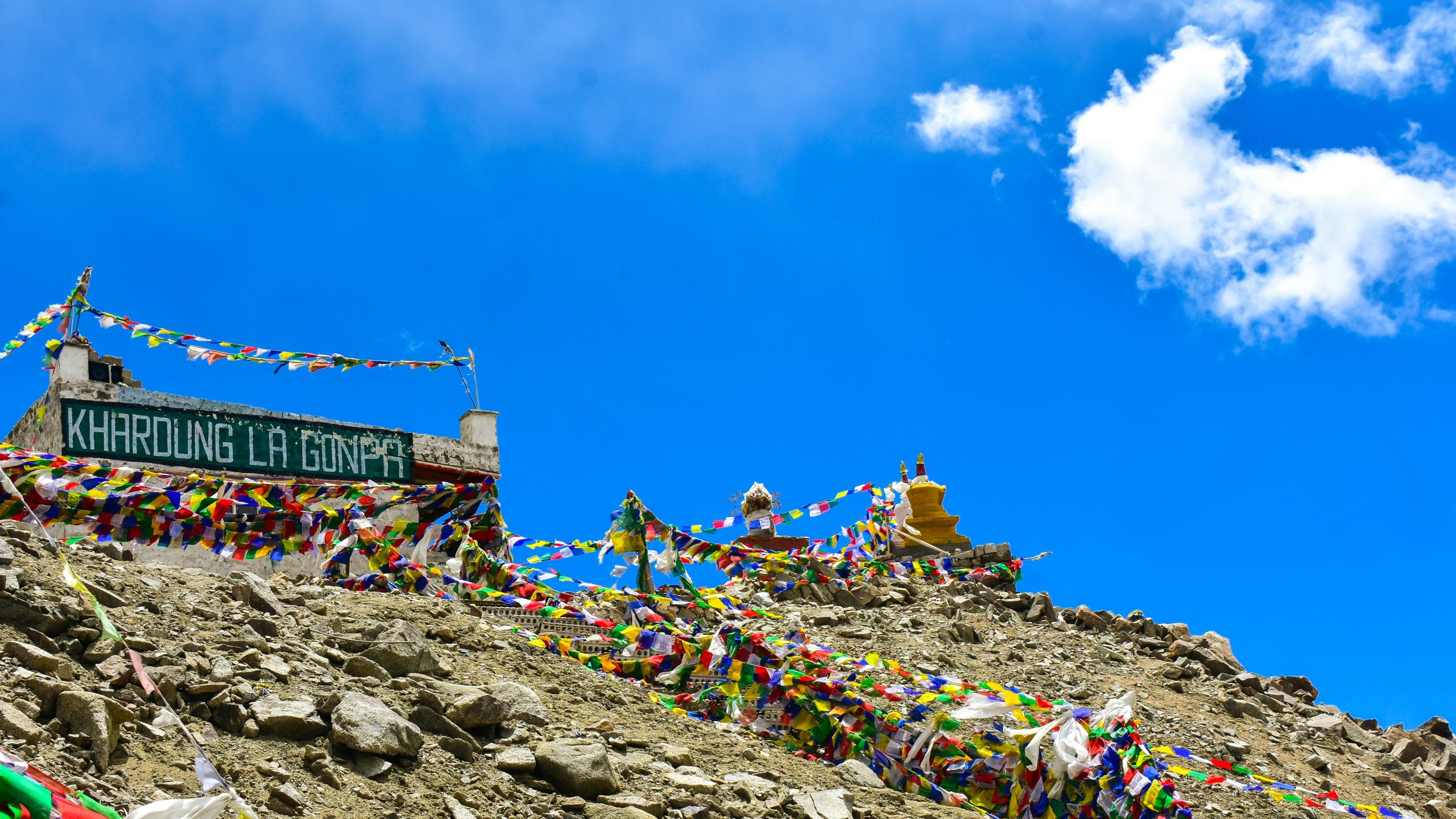
Khardung La stands at 5,602 metres and is counted among the world’s highest motorable passes. The road climbs through steep, barren slopes and snow often lingers along the upper stretches. The air is thin at the top, so most travellers walk slowly and keep their stay short. A cup of hot tea at the summit cafeteria, which bills itself as the highest in the world, is the best way to warm up as the Karakoram peaks spread out before you.

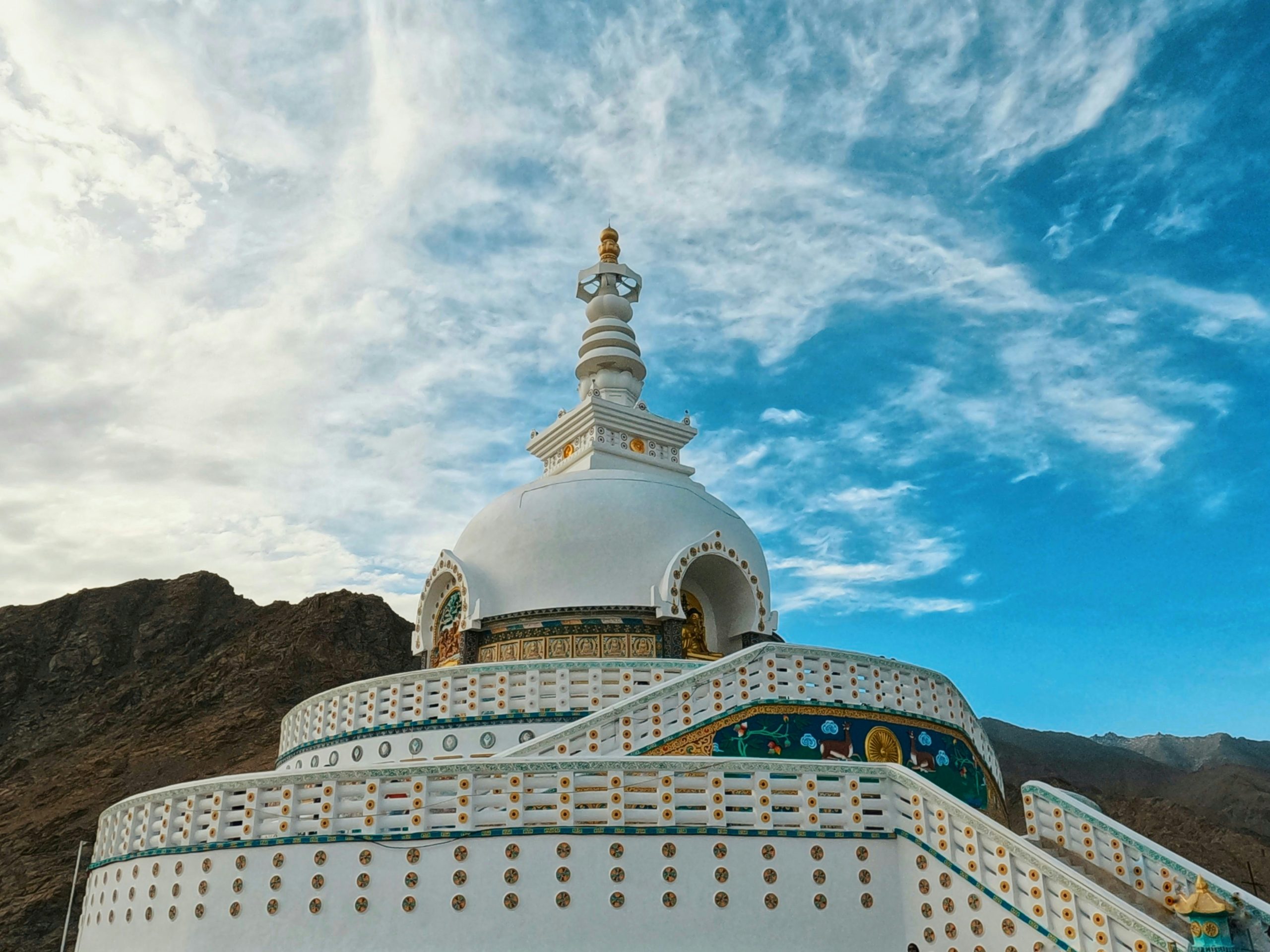
Shanti Stupa is a great place to slow down and take in the whole valley at once. Japanese and Ladakhi Buddhists built it as a symbol of world peace and the Dalai Lama consecrated it. Visitors can climb the long flight of steps or drive up to enjoy scenic views of the town, the palace and the Stok Kangri range from its whitewashed dome. It is best to visit at sunset, when the light turns the surrounding peaks gold and the stupa glows against the darkening sky.

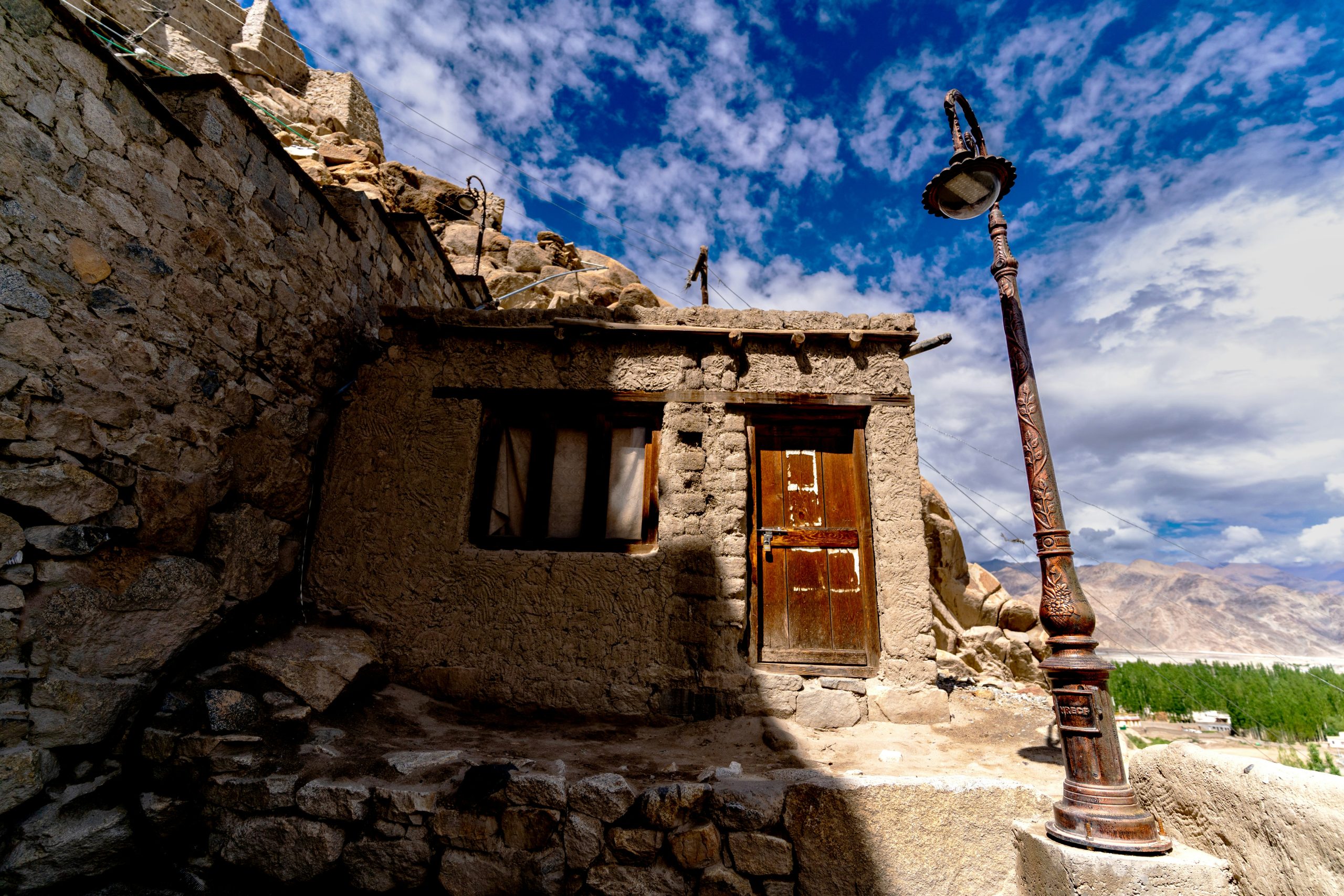
Leh Palace was a former royal residence built in the 17th century by then-ruler King Sengge Namgyal. Its nine storeys of mud brick and timber remain one of Leh’s tallest sights. Climb through its dim corridors and worn stairways to reach rooftops with sweeping views of the Indus Valley and the Stok Kangri range. In the palace museum, you can see displays of centuries-old thangkas, royal jewellery, ceremonial costumes and dishes from Ladakh’s past. It is a great place to learn about the region’s history and how the kingdom once lived.

The Hall of Fame is the best place in Leh to understand the courage that guards Ladakh’s borders. Run by the Indian Army, the museum retraces the Kargil War through captured weapons, photographs and a short film on Operation Vijay. One exhibit holds the last letter Captain Vijayant Thapar wrote to his parents and it leaves many visitors deeply moved. Another section shows how soldiers live and train on the Siachen Glacier in temperatures as low as -50°C. Exploring these collections on Ladakh’s military history deepens understanding of the region’s national importance.

Best Time to Visit Ladakh

Ladakh has a short tourist season, dictated by snowfall and altitude. White Trails’ Leh Ladakh tour packages are designed around these seasonal windows. Summer, from June to August, is generally the best time to visit.

Summer

June to August 19°C to 25°C

Long daylight hours and mostly clear skies, along with occasional showers.

Summer is Ladakh's peak season. Most high passes, including Khardung La, are open and roads to Pangong Lake and Nubra Valley remain accessible. Days are long enough for extended rides and Leh sightseeing. Expect larger crowds and busier monasteries as it is peak season and book accommodation and permits in advance.

Autumn

September to October 9°C to 21°C

Clear skies and cool weather

Autumn is a desirable season for photography and high‑altitude travel, with increased visibility. The landscape also takes on golden and russet tones around this time, offering beautiful views. By late October, some passes begin to close as winter approaches, so itineraries should be planned with flexibility.

Spring

March to May 2°C to 17°C

Warming days with occasional snow at passes and increasing daylight.

Spring is the onset of the tourist season in Ladakh. Some high passes like Khardung La may still carry snow early on, but by mid-May most major routes are open. Apricot blossoms light up the villages and the landscape transitions from winter grey to early green. This season suits travellers who prefer fewer crowds.

Winter

November to February -3°C to 7°C

Heavy snow on the passes with clear skies and short days.

Winter suits travellers who are comfortable with extreme cold and want empty landscapes. The Manali-Leh and Srinagar-Leh highways stay closed for most of the season and many hotels remain shut until April. In January and February, the Zanskar River freezes, which makes the Chadar trek possible.

Top Things to Do in Ladakh

At over 3,000 metres above sea level, even an ordinary day out in Ladakh feels like an adventure. White Trails’ Leh Ladakh tour packages bring together the activities and experiences that make the most of it.

Riding a Motorcycle Through the Passes

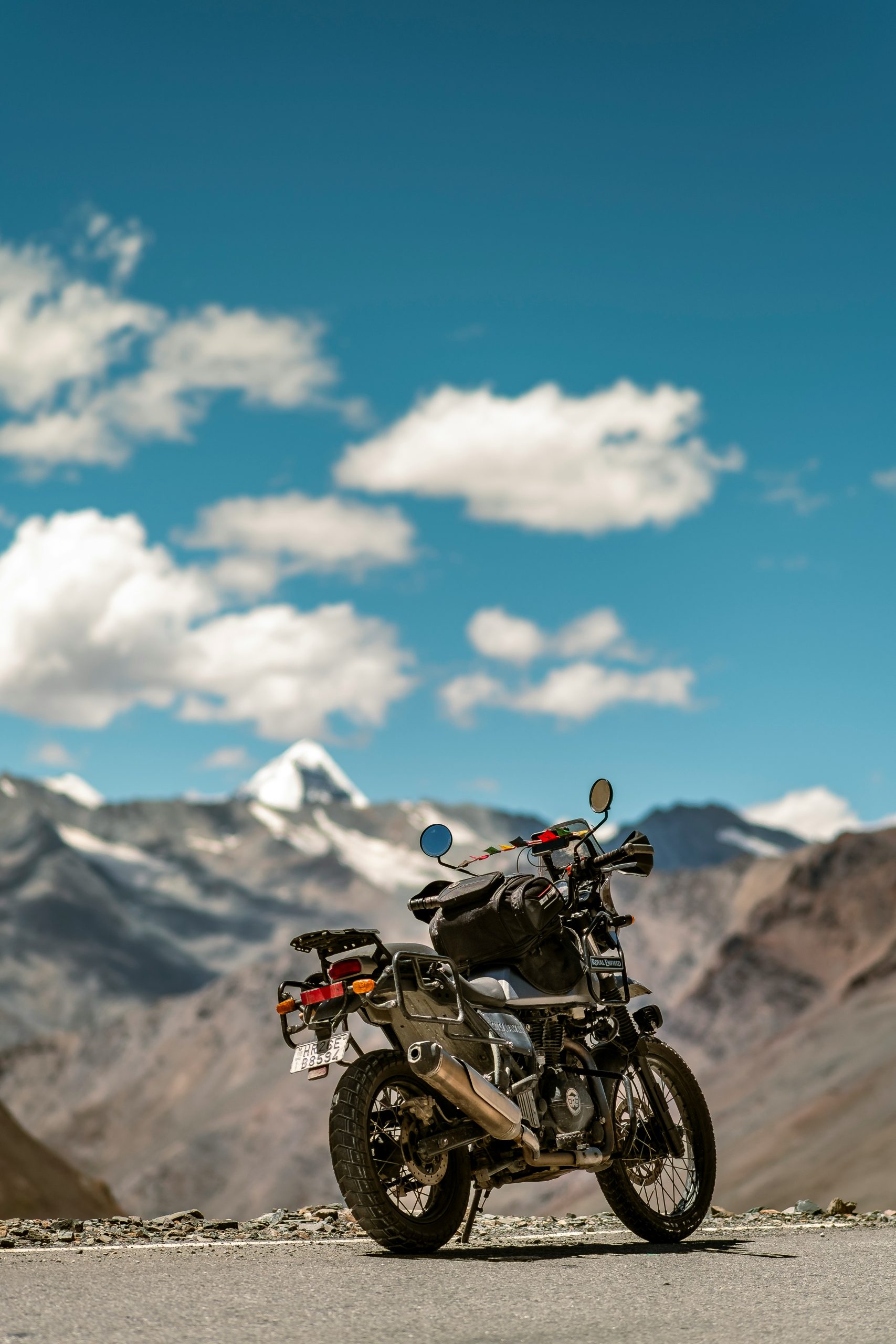
A Ladakh motorcycle trip tops the list of almost every rider. Each twist of the throttle takes you higher into the mountains here, until the road tops out at Khardung La and the whole range opens up around you. From there, the descent into the Nubra Valley is pure reward, with dunes and the Shyok River waiting at the bottom.

Riding a Motorcycle Through the Passes

Explore Leh’s Historic Monasteries

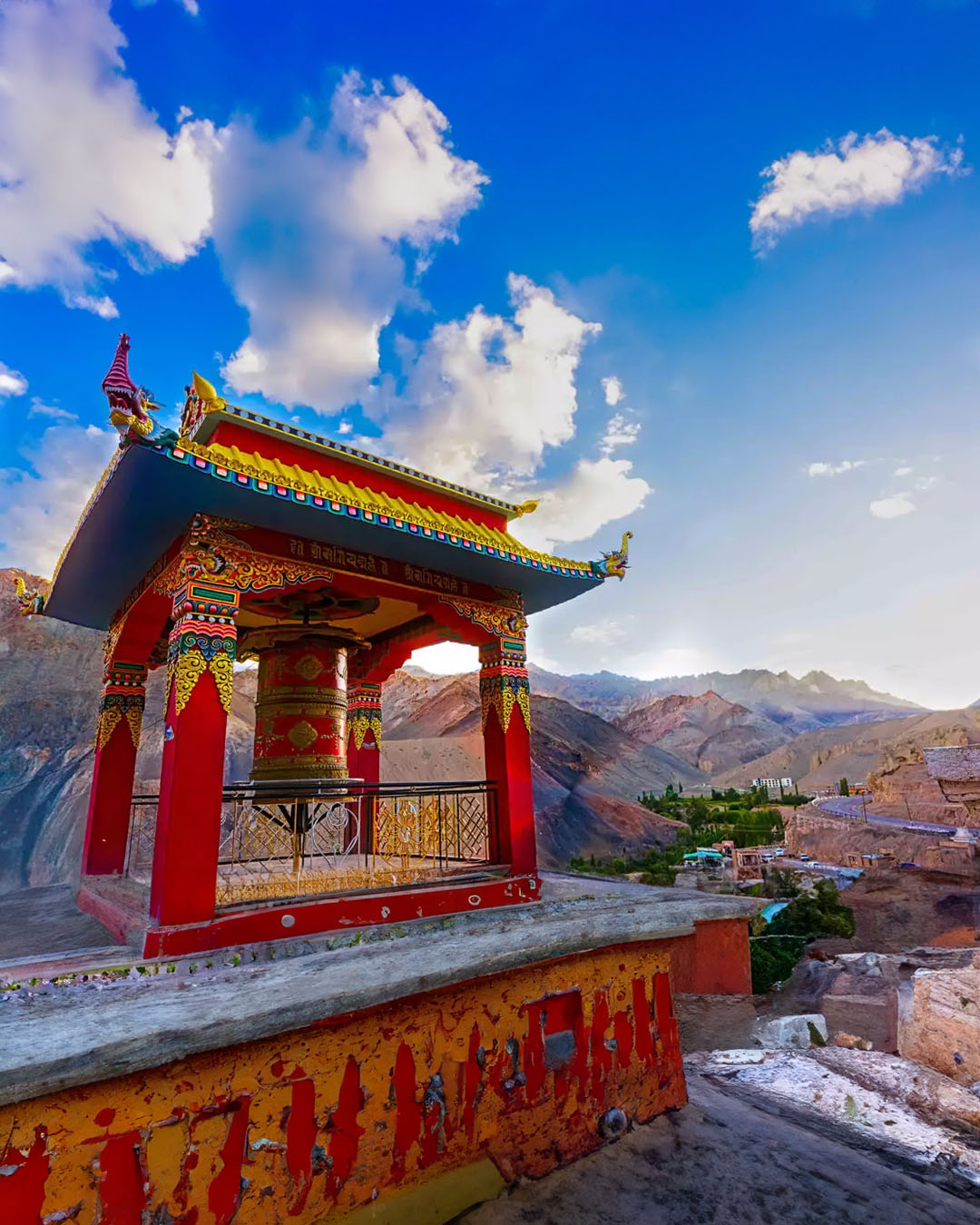
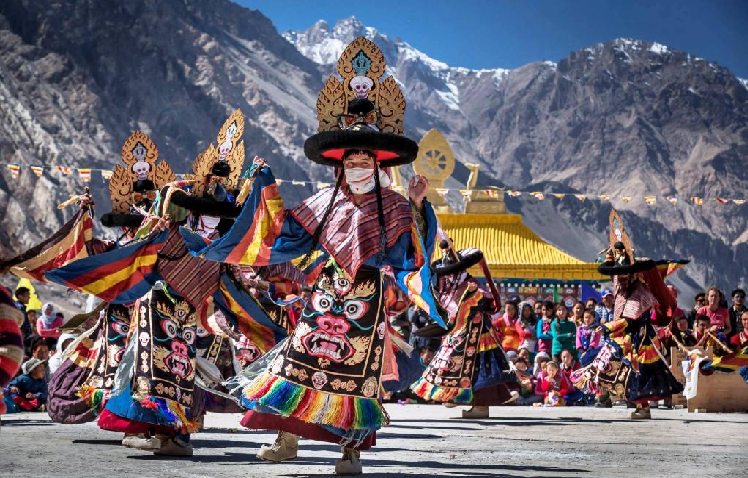
Monasteries are the heart of Ladakhi Buddhist life and the easiest way to see them is to start close to Leh and work outward. Thiksey is a short drive from town, with its whitewashed walls and red-roofed shrines climbing a hillside above the Indus. A little farther out, Hemis is known for its festival masks and thangka collection, showcasing local traditions. Diskit in Nubra and Korzok by Tso Moriri sit in much more remote country, showing how the same faith holds together life in high valleys and open plains.

Explore Leh’s Historic Monasteries

Taste Authentic Ladakhi Food

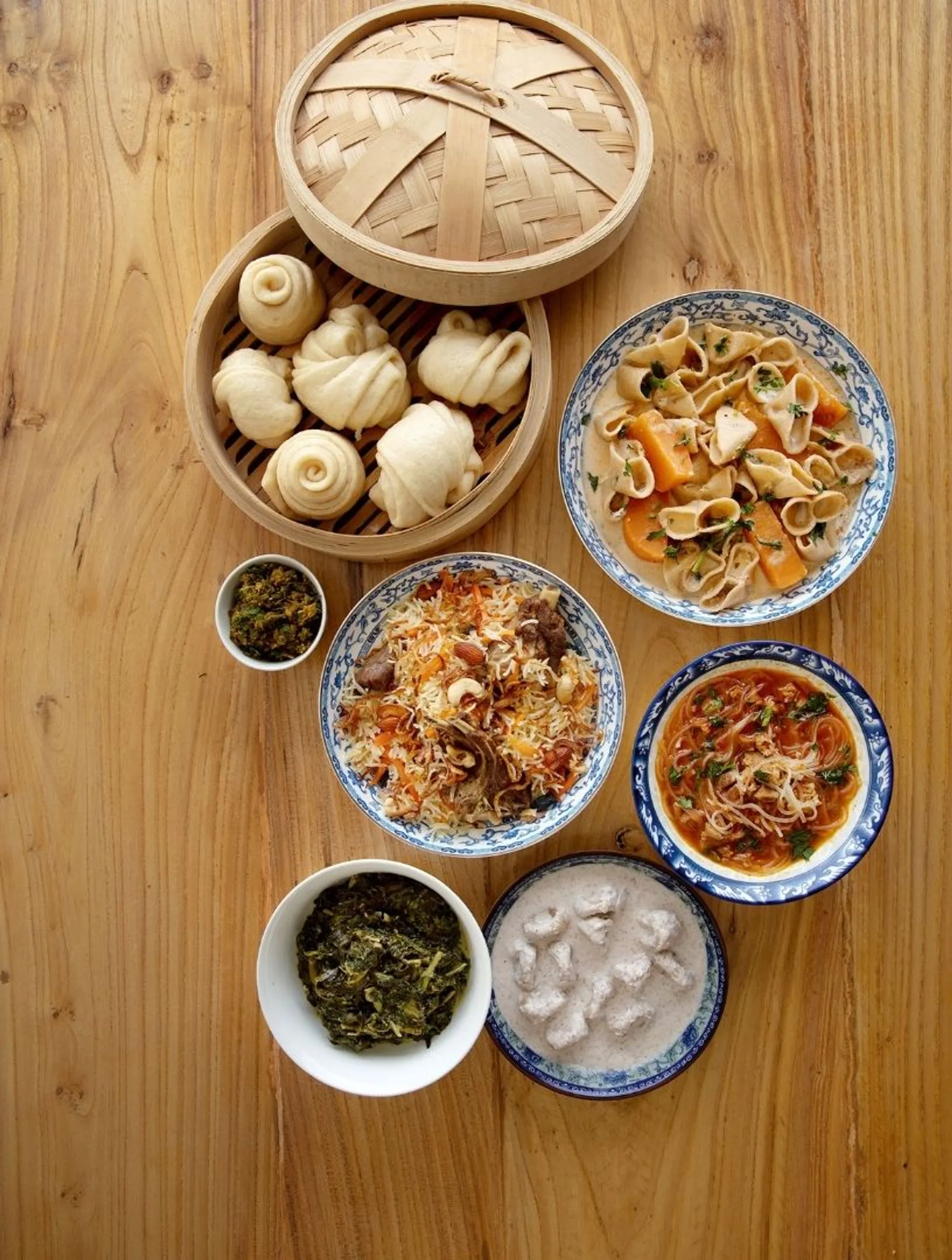
Ladakhi food is made to warm you up in the cold and it is best enjoyed slowly. Thukpa, a flavourful noodle soup, is the dish most travellers reach for after a long day on the road. For something heartier, try skyu, a thick stew of hand-rolled pasta and root vegetables. Momos are just as popular and they taste best with a fiery tomato-chilli chutney and a cup of salty, creamy butter tea on the side. Khambir, the local bread, makes a good snack on its own or with apricot jam made from fruit grown in the valleys.

Taste Authentic Ladakhi Food

Camel Ride in Nubra Valley

You’ve seen one-humped camels and how they rule the deserts, but the Ladakhi deserts are ruled by the ones with two humps. Ride the double-humped Bactrian Camel in the Hunder dunes and take a safari to Diskit Monastery with the Shyok River in the background. Their slow gait and the endless mountains create a memorable nomadic experience.

Camel Ride in Nubra Valley

Camping by Pangong Lake

An overnight stay by Pangong Tso lets you experience the lakeside long after the day-trippers have left. Simple tents and cottages near Spangmik offer stays close to the lakeshore. Pack warm layers even in summer, as temperatures drop sharply after sunset. As the evening sets in, a hot meal and conversation around camp make the cold easier to forget. After dark, at over 4,000 metres, you can enjoy Pangong’s clear skies with a remarkable spread of stars.

Camping by Pangong Lake

Discover Ladakh’s Local Culture

Monastery visits and seasonal festivals offer different ways to experience life in Ladakh. Travellers can observe Buddhist rituals and learn about traditions that continue to be practised across the region. White Trails’ Ladakh holiday packages make it easier to include these cultural experiences alongside the region’s landscapes.
Celebrating Ladakhi Festivals

Visitors can watch traditional dances and join in festivals across Ladakh. Hemis Tsechu, held in June or July, is known for the sacred Cham dance, in which monks perform in masks and ceremonial costumes. Thiksey and Spituk hold their Gustor festivals in winter. The Ladakh Festival takes place in Leh every September and opens with a procession of troupes in traditional dress, led by drums and horns. The programme includes archery contests, polo matches and folk dances and in the evenings there are music concerts and stalls selling handicrafts and local food.

Shopping in Leh’s Main Bazaar

Leh Main Bazaar is a wide, pedestrian-friendly street running through the heart of the old town, with Leh Palace rising over its far end. You can browse shops selling pashmina shawls, Tibetan jewellery, prayer wheels and singing bowls. Ladakhi women sit along the pavement here with baskets of fresh vegetables and seasonal apricots. Steaming momos and hot butter tea are must-tries at the family-run eateries here and also a good excuse to rest and watch the town go by.

Meeting the Changpa Nomads

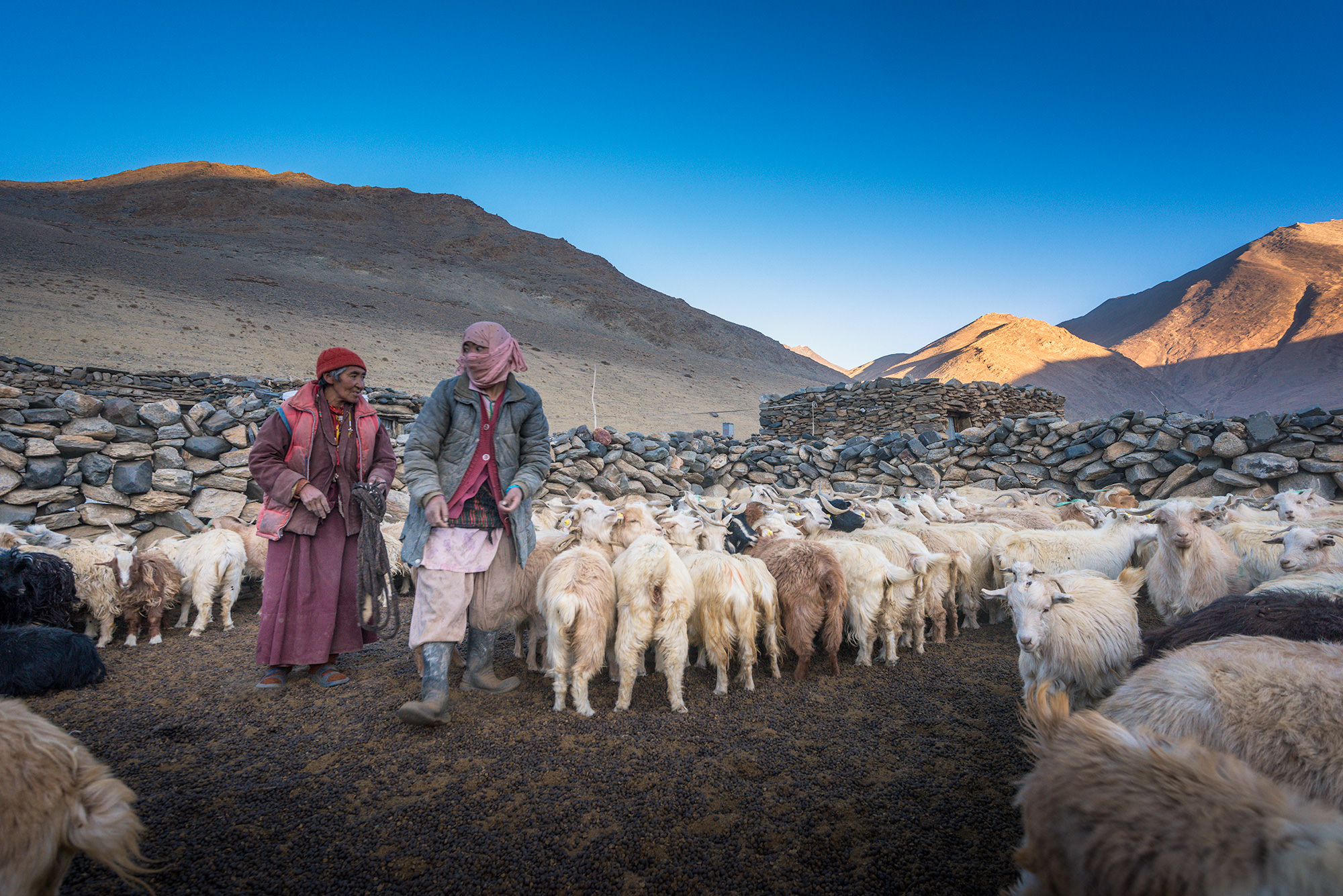
The Changpa are semi-nomadic herders who live on the high plateau of Changthang in black tents woven from yak hair. Visitors who meet them are often welcomed inside for a cup of butter tea and the conversation usually turns to the harsh winters and their herds of yaks and pashmina goats. The fine wool from those goats is what makes the pashmina shawls sold in Leh’s bazaar.

Things To Know Before Visiting Ladakh

Ladakh’s high altitude and remote location require a little extra planning before you set off. This Ladakh Travel Guide tells you everything you need to prepare.

Carry your original government-issued photo ID, like an Aadhaar card or voter ID, plus a few photocopies. Army and police checkpoints along the route may ask to see it. Tourists visiting protected areas like Nubra Valley and Pangong Tso must also pay the Ladakh Environment Fee. You can pay it online through the official portal and carry a printed copy of the receipt or permit.

If you are driving or riding, make sure you have your driving licence, vehicle registration certificate, insurance papers and a valid pollution under control (PUC) certificate.

Ladakh uses the Indian Rupee (INR). Card and UPI payments are widely accepted in Leh, but most shops and guesthouses in remote areas take cash only. Withdraw and carry enough cash before leaving Leh, as ATMs are limited in other parts of the region and digital payments may not be available.

Ladakh has no app-based cabs, so taxis are the go-to option for getting around. Self-drive cars rented outside Ladakh cannot be used for sightseeing within Leh, which means you will need to hire a local taxi once you arrive. Adventure riders can rent bikes in Leh, while budget travellers can rely on local buses. Leh itself is easy to explore on foot, but walk slowly for the first couple of days to let your body adjust to
the altitude.

A trip to Ladakh is also about pushing through the harsh weather and altitude. Here’s what you should pack for your visit:

  • Pack thermal innerwear and fleece layers along with windproof and waterproof jackets.
  • Keep comfortable trekking pants and sturdy boots or hiking shoes for uneven terrain.
  • For overall protection against freezing temperatures, carry gloves, neck warmers, warm caps and woollen socks.
  • Keep a medical kit with altitude sickness medication (after consulting your doctor), pain relievers, oral rehydration salts and personal prescriptions.
  • Bring sunglasses, high-SPF sunscreen, lip balm and moisturiser to protect yourself from the intense sun.

A simple greeting can go a long way when meeting people in Ladakh. “Julley” is the word you’ll hear most often, as it is used to say hello, goodbye and thank you. You can also say “Thuk-je-chey” to express gratitude or ask “Kamzang?” to find out how someone is doing. Learning these local words is a small way to connect with people during your trip. A few other customs are worth keeping in mind:

  • Dress modestly when visiting monasteries, covering your shoulders and knees.
  • Remove your shoes before entering a monastery prayer hall and ask before taking photographs inside.
  • Walk clockwise around stupas and prayer wheels, as this is the Buddhist custom.
  • Take permission before photographing people, especially monks and elders.
  • Keep noise to a minimum in monasteries and homestays.

Staying connected in Ladakh takes a little planning, as the rules and the terrain both work against you.

  • Only postpaid SIM cards from outside the region work here. You can also buy a local SIM in Leh.
  • Wi-Fi is available at many hotels and cafes in Leh, so you can usually get online while staying in town.
  • Download offline maps and booking confirmations before leaving Leh. Share your itinerary with family or friends before heading to remote areas like Pangong or Hanle.

FAQs

Quick answers to the most common queries about travelling in Leh Ladakh.

You do not need a permit for Leh, but you will need to pay the Ladakh Environment fee to visit protected areas like Pangong Tso and Tso Moriri. Travellers can pay the fee online and carry a printed receipt with photo ID.

With careful planning, Ladakh can be a good destination for family trips. Children and older adults can visit after consulting a doctor. White Trails’ Ladakh holiday packages are designed to provide a relaxed itinerary with short drives and buffer days to keep the trip comfortable.

June to August is considered the best time to visit Ladakh. The season is ideal for road trips, camping, trekking and lake visits.