Overview

Some islands make you choose a lane: beach or jungle, quiet or lively. Mauritius refuses to pick. A morning drifting over glass-clear lagoons can end with dinner in a hillside village where three continents’ worth of spices simmer in the same pot.

Set in the Indian Ocean off Madagascar’s south-east coast, this small nation carries an outsized personality, where Indian temples share streets with French colonial facades, African rhythms echo through Creole song, and Chinese lanterns light up market lanes come festival season. The dodo, extinct for centuries, still watches over the island as its most famous emblem.

White Trails builds Mauritius tour packages around this layered character, pairing sun-soaked shorelines with waterfalls, markets and mountain trails, so honeymooners, families and slow travellers alike find their own rhythm on the island.

Places to Visit

From quiet beaches and forest trails to wildlife parks and colourful markets, Mauritius rewards travellers who wander a little beyond the coastline. Here’s where to start:

A short boat ride from Trou d’Eau Douce lands you on a sandbar ringed by a shallow, impossibly clear lagoon. Days here move between swimming, parasailing, kayaking and snorkelling, which is exactly why this islet turns up on almost every Mauritius holiday package.

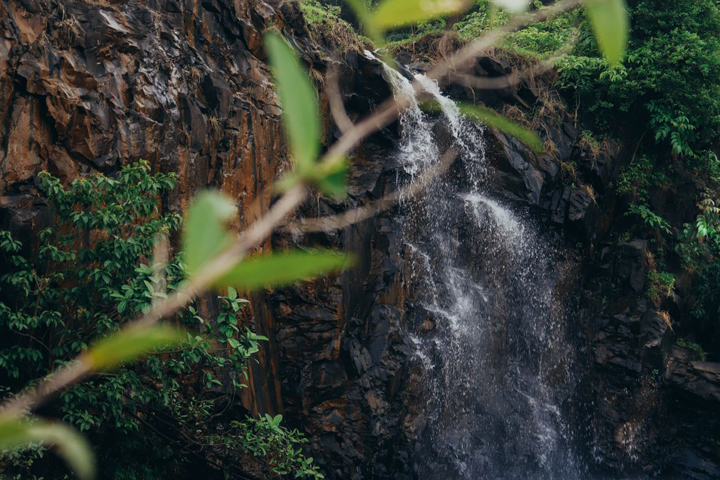
Better known as Tamarind Falls, this trail strings together forest, river crossings and a run of waterfalls, with natural pools cool enough to tempt a swim at every stop. A few stretches get steep and slippery, so a local guide is worth having if you haven’t walked it before.

This basalt monolith on the south-west coast is as much a story as a summit. Rising 556 metres above the sea, it’s a UNESCO World Heritage Site remembered as a refuge for enslaved people who once hid in its caves and cliffs, defining a history that gives the climb real weight alongside the views. Just offshore, the seabed drops away in a pattern that famously reads as an ‘underwater waterfall’ from above. It is best appreciated by a plane, drone or boat rather than expected as part of the hike itself.

On the west coast, Flic en Flac keeps things relaxing with its long swims, beachside cafés and a shoreline built for slow afternoons. When you’re ready to look beneath the surface, nearby reefs turn it into one of the island’s better snorkelling and diving spots.

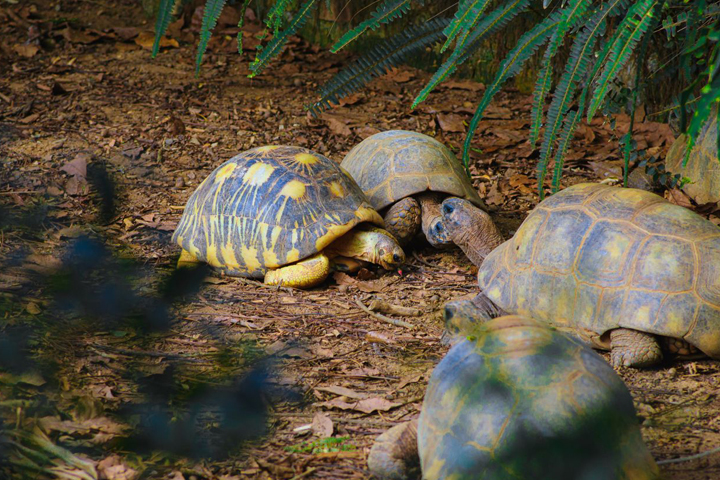
Down on the south coast, this park trades sand for scales and shells: giant Aldabra tortoises amble past crocodiles, monkeys and a tangle of tropical plant life. It’s a good detour if you want your trip to include something wilder than the coastline.

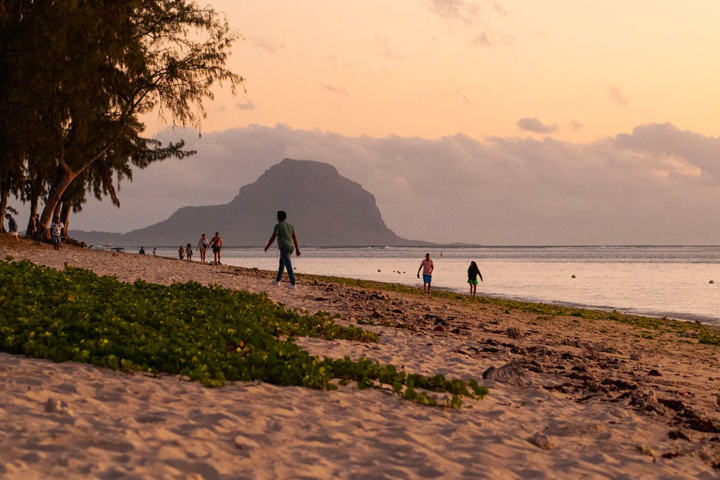
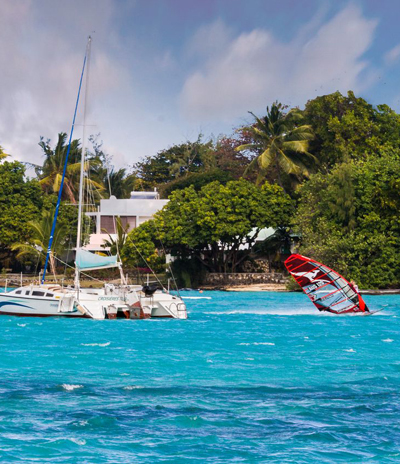
At the foot of its namesake mountain, Le Morne Beach pairs powder-soft sand with a backdrop few beaches can rival. Steady trade winds have made it one of the world’s favourite kitesurfing and windsurfing spots, while the calmer shallows stay perfectly swimmable.

Nowhere else on the island looks quite like this. Bands of red, brown, violet, green and yellow sand ripple across the ground in dunes that never blend, whatever the weather throws at them. Pair it with nearby Chamarel Waterfall and the surrounding forest views for one of the best half-days in the south-west.

Near Port Louis and Pamplemousses, the Sir Seewoosagur Ramgoolam Botanic Garden is one of the Southern Hemisphere’s oldest. Embark on a slow wander past giant water lilies, towering palms and spice and medicinal plants gathered from across the world.

Trade the coast for the canopy here, at the island’s largest national park, where forested hills fold into waterfalls and hiking trails. It shelters plant and bird species found nowhere else on Earth.

For a gentler stretch of sand, Mont Choisy delivers calm, shallow water good for swimming, with casuarina trees leaning in just enough to shade an afternoon nap.

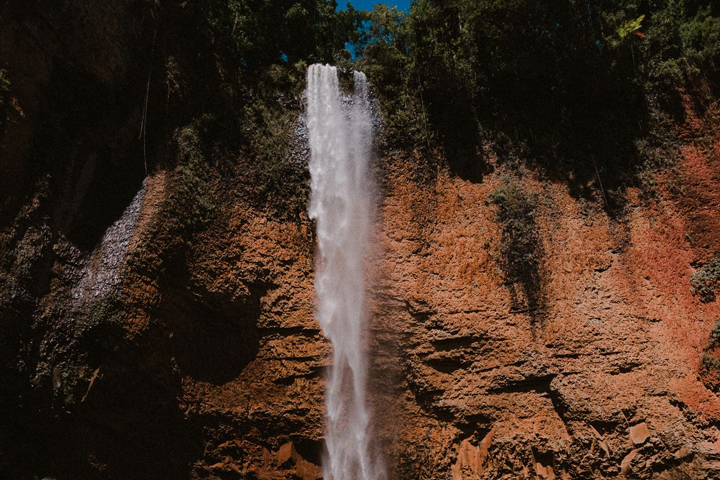
Tucked into the south-west hills, Chamarel is Mauritius’ tallest single-drop waterfall, sending water almost 100 metres into a valley thick with green, fullest just after the rains. Most visitors pair it with the Seven Coloured Earth just down the road.

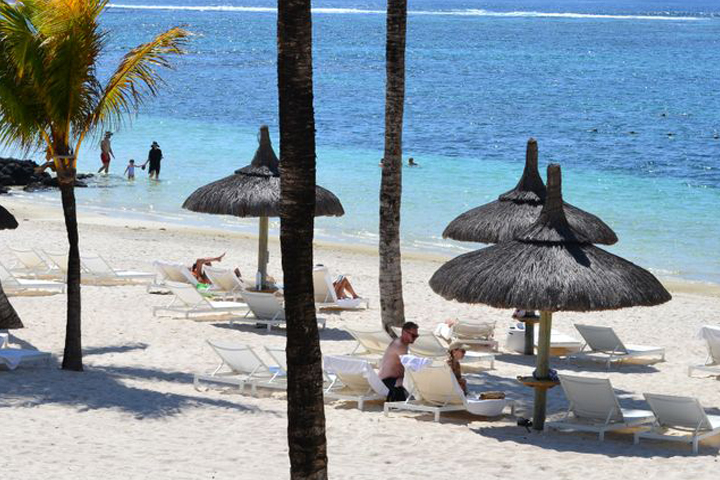
On the east coast, Belle Mare offers a long white shoreline and a lagoon calm enough for easy swims and snorkelling. It is a good base for travellers who’d rather settle into resort life than pack every day with sightseeing.

Best Time to Visit Mauritius

Mauritius stays warm and tropical year-round, so the best time to visit Mauritius comes down to what kind of holiday you’re after.

Winter

May - October 18 to 25°C

Cooler, drier days, lower humidity and occasional breezes

Winter is generally the sweet spot for exploring Mauritius. Rainfall is lower and the cooler air makes it easy to spend whole days outdoors, whether you’re hiking through Black River Gorges National Park, sightseeing or relaxing on the beach. June to August can turn breezy, especially on the east coast, though the sheltered north and west stay calmer. The wind is a bonus if you’re chasing kitesurfing conditions. By September and October, things warm back up and quieten down, making it a favourite window for Mauritius beaches and sightseeing.

Early Summer

Nov - Dec 23 to 30°C

Hotter days, rising humidity, warm seas and short showers

Summer arrives with warmer temperatures and higher humidity, but showers are often brief, leaving plenty of time for swimming, snorkelling and sightseeing. Sea temperatures are particularly inviting, making this a good period for water sports and lagoon activities. December brings the festive-season crowds, so popular Mauritius beaches and resorts can feel busier around Christmas and New Year.

Peak Summer

Jan - Feb 24 to 30°C

Hot, humid and wetter, with a higher cyclone risk

January and February are among the wettest and most humid months in Mauritius, with a greater risk of tropical storms and cyclones. Rain can be heavy at times, although sunny spells are still possible. The warm sea remains ideal for swimming, diving and snorkelling, but travellers should keep their plans flexible and check weather conditions before heading out. February can be quieter than the December holiday period, particularly outside the main resorts.

Late Summer

Mar - Apr 23 to 29°C

Warm and humid, with rainfall gradually easing towards April

March can still bring heavy showers and humid conditions, while the weather generally becomes more comfortable as April approaches. The trade-off is fewer crowds and a warm tropical atmosphere, making this a worthwhile period for travellers who prefer a quieter holiday. By April, rainfall begins to ease while temperatures remain pleasant for Mauritius beaches, sightseeing and outdoor activities.

Top Things to Do in Mauritius

Between the beaches, there’s a whole island’s worth of culture, adventure and quiet luxury to fold into your trip. These are some of the experiences White Trails’ Mauritius tour packages can fit into a single holiday.

Dive into the Lagoon

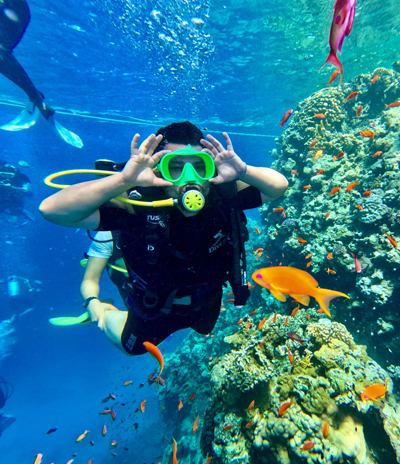
With snorkelling, diving, kayaking, sailing, paddleboarding and dolphin watching, the water here rarely sits still, and neither do most visitors. Trou aux Biches, on the north-west coast, is prized for its clear shallows and close-in reefs, with resorts, cafés and restaurants nearby, and makes a lovely sunset spot for couples.

Dive into the Lagoon

Chase Adventure on Land, Sea and Sky

Families should pencil in Casela World of Adventures in the south-west, where wildlife encounters sit alongside ziplining, quad biking and speedboat or seaplane rides. For a bigger thrill, head to Rivière du Rempart in the north for a skydive over sugarcane fields, lagoons and coastline.

Chase Adventure on Land, Sea and Sky

Unwind at a Luxury Resort

A good Mauritius honeymoon package treats a luxury resort as part of the itinerary, not just a place to sleep. Many resorts have beachfront rooms or private villas, couples’ spa treatments and sunset cruises. Choose a quieter property for privacy, or a livelier one to balance downtime with things to do in Mauritius.

Unwind at a Luxury Resort

Discover Mauritius’s Local Culture

Mauritius’ culture reflects centuries of Indian, African, Chinese and European influence. Indian temples, French colonial architecture, Creole traditions and Chinese heritage all form part of everyday island life. White Trails’ Mauritius tour packages can take you beyond the beaches to experience this diversity through food, festivals, markets and local traditions.
Food

Mauritian cuisine is a meeting point for the island’s different cultural influences. Try dholl puri, one of the country’s best-known street foods, along with gateaux piments, boulettes and fish vindaye. Port Louis Market is a good place to sample local dishes alongside fresh produce, spices and snacks. Seafood is also a staple, with grilled fish, octopus and other freshly caught options widely available around the island.

Festivals

Mauritius celebrates festivals associated with its diverse communities throughout the year. Holi and Diwali bring colourful celebrations and lights, while the Chinese Spring Festival adds lanterns, performances and traditional food to the calendar. Sega music and dance, with its African and Creole roots, are also an important part of the island’s cultural identity and can be experienced at performances and cultural events.

Shopping

Port Louis Market is a good starting point for spices, local snacks, handicrafts, souvenirs and textiles. Grand Baie is livelier, with shops and stalls selling clothing, jewellery, handicrafts and spices, alongside cafés, restaurants and nightlife. La Cuvette Beach sits right alongside it for a slower daytime wander.

Local Specialities

Sugar shaped Mauritius' economy for generations, and L'Aventure du Sucre tells that story inside a 19th-century sugar factory, with tastings of local sugars and rum to round off the visit.

Travel Essentials for Your Mauritius Trip

A little preparation goes a long way on an island this easy to fall for.

Indian passport holders can currently get a visa on arrival for tourism, but come prepared with a valid passport, a return or onward ticket, proof of accommodation and enough funds to cover your stay.

Mauritius also requires the All-in-One Travel Form and Health Declaration Form before boarding. Build that into your pre-departure checklist, and double-check requirements closer to your travel date, as rules can shift.

The Mauritian Rupee (MUR) is the local currency, with ATMs and currency exchange counters easy to find, including at the airport. Cards work at most hotels, restaurants and larger shops, but keep some cash for markets, small vendors and local transport.

Buses cover most of the island cheaply, taxis suit shorter hops, and renting a car gives you most freedom to explore at your own pace. Remember that Mauritius drives on the left.

What you pack will depend on the season and activities you have planned, but the basics include:

  • Light, breathable clothing
  • A layer for cooler evenings
  • Comfortable walking shoes
  • Swimwear and beachwear
  • Sunscreen, sunglasses and a hat
  • A light rain jacket for wetter months
  • A shoulder- and knee-covering outfit for temple visits

Mauritius wears its diversity openly, with English, French and Creole all in daily use. Temples, churches and mosques are often just streets apart. Dress modestly at religious sites, and ask before photographing anyone you meet along the way.

Keep your Indian number active with an international roaming pack from Airtel, Jio or Vi, or pick up a local SIM or eSIM from my.t or Emtel on arrival (carry your passport for registration). Wi-Fi is easy to find at hotels and cafés, so save mobile data for when you’re out exploring, and download offline maps before heading into the island's quieter corners.

FAQs

Quick answers to the most common queries about travelling in Mauritius.

Very much so. Beachfront resorts, private villas and couple-focused experiences, including sunset cruises, private dinners and spa days, are all part of the island's appeal. White Trails’ Mauritius Honeymoon Packages can be shaped around your preferred resort, activities and trip length.

Around 7 to 10 days gives you enough room to mix beach time with waterfalls, wildlife, markets and a few cultural detours, without feeling rushed.

Yes, resorts, beaches, boat trips and family attractions like Casela World of Adventures make it an easy destination for mixed-age groups.