Overview

Peru brings together ancient Inca heritage, dramatic landscapes and living cultural traditions in a country that’s great for travellers who prefer adventures off the beaten track.
Beyond the famous ruins of the icon that is Machu Picchu, you can wander the stone lanes of Cusco, browse colourful markets in the Sacred Valley and taste Andean specialities such as alpaca, choclo and causa.
The Andes rise into high-altitude landscapes, while the Amazon around Iquitos and Puerto Maldonado offers river excursions and special meetings with wildlife. Along the Pacific coast, Lima presents stunning colonial architecture topped with a celebrated food scene influenced by Indigenous, Spanish, African, Chinese and Japanese history.
The country offers something intimate and hard to replicate elsewhere. The greatest joy that travellers find is simply partaking in the slice of life they witness around them. White Trails brings together fascinating experiences in one booking with curated Peru holiday packages that let you experience the magic of the country.

Places to Visit

Peru offers a fascinating look at how history continues to influence life today. Inca heritage, Spanish influences and contemporary culture interact with each other constantly. The country is a destination that always feels tangible and alive. Whether you’re travelling with friends, family or by yourself, White Trails’ Peru tour packages are a convenient way to explore the country’s highlights.

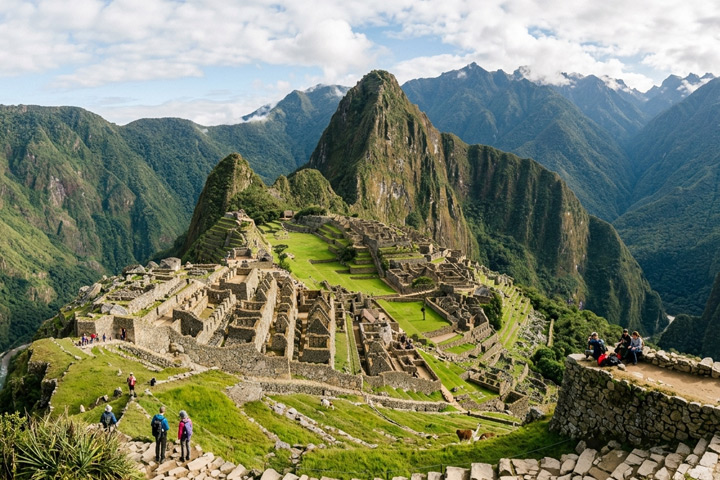
Machu Picchu is Peru’s best-known archaeological site and a UNESCO World Heritage Site. Built by the Incas in the 15th century, the citadel sits high in the Andes and is recognised for its precisely crafted stone structures and dramatic mountain setting. 

Take a guided Machu Picchu tour to marvel at temples, agricultural terraces, ceremonial spaces and residential areas. You could also hike Huayna Picchu and Machu Picchu Mountain for wider views of the surrounding landscape. Entry is regulated, so book well in advance.
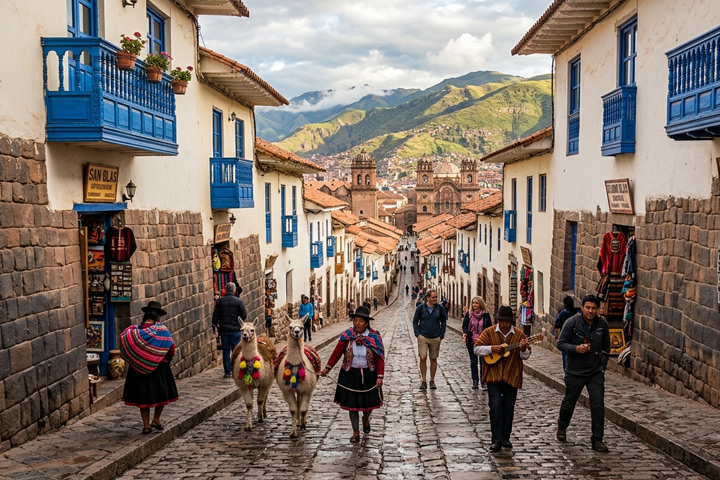
Once operating as the capital of the Inca Empire, Cusco presents a look at Inca history, coexisting with Spanish colonial architecture. Key attractions include Plaza de Armas, Qorikancha, Sacsayhuamán, San Pedro Market and the artistic San Blas district. 

The city also serves as the main gateway to the Sacred Valley and Machu Picchu. A Cusco tour gives you time to adjust to the altitude before continuing your journey.

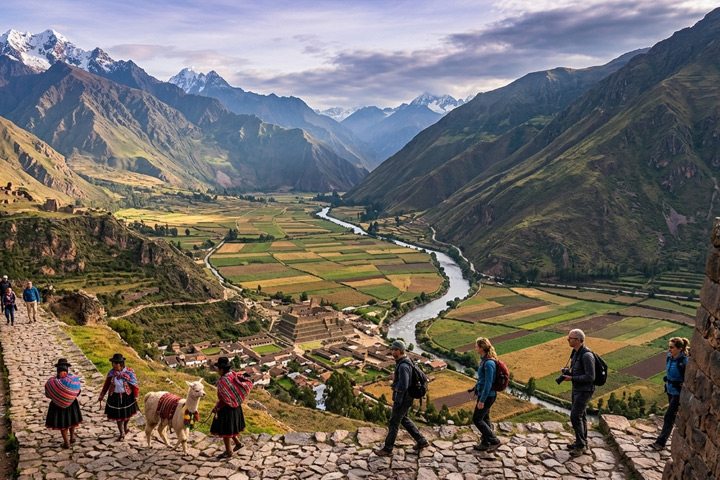
Located between Cusco and Machu Picchu, the Sacred Valley is known for its Andean scenery, traditional villages and significant archaeological sites. With a Sacred Valley tour, you can cover popular stops, including Ollantaytambo, Pisac, Moray, the Maras Salt Mines and Chinchero. 

While travelling through the region, you can explore local markets, learn about traditional weaving and gain insight into Andean culture. Visit some of Peru’s best tourist attractions with bundled Peru tour packages by White Trails.

Peru’s capital combines colonial heritage, contemporary neighbourhoods, renowned museums and one of South America’s most distinct culinary scenes. Explore the Historic Centre, where ornate churches and grand colonial buildings surround lively plazas, or visit the Larco Museum for a foreword to Peru’s pre-Columbian cultures. In Miraflores, stroll along the clifftop Malecón overlooking the Pacific, while neighbouring Barranco brings colourful streets, art galleries, independent cafés and a more bohemian atmosphere. Food is an essential part of the Lima experience, with local specialities including ceviche, causa and anticuchos, alongside Nikkei cuisine shaped by Peru’s Japanese community.

Winding and straddling the Peru-Bolivia border, Lake Titicaca is the world’s highest navigable lake. Visitors usually enjoy exploring the floating Uros Islands, Taquile Island and Amantaní Island. Around the coolth of the lake, you can people-watch or set off to experience local traditions, handcrafted textiles and community life (all while enjoying expansive views across the lake!).

If you’re drawn to adventure, White Trails bundles verified experiences in one convenient Peru tour package.

Known as the White City, Arequipa is famous for its striking colonial architecture, much of it built from pale volcanic sillar stone. 

Travellers can explore the Plaza de Armas, admire the ornate Arequipa Cathedral and wander through the colourful courtyards and quiet lanes of Santa Catalina Monastery. 

Arequipa is especially popular among visitors because of its location beneath the volcanoes of Misti, Chachani and Pichu Pichu. A few hours away, Colca Canyon has winding viewpoints, highland villages, hiking trails and natural hot springs. The canyon is also one of Peru’s best places to observe the Andean condor (one of the largest flying birds in the world), particularly in the early morning.

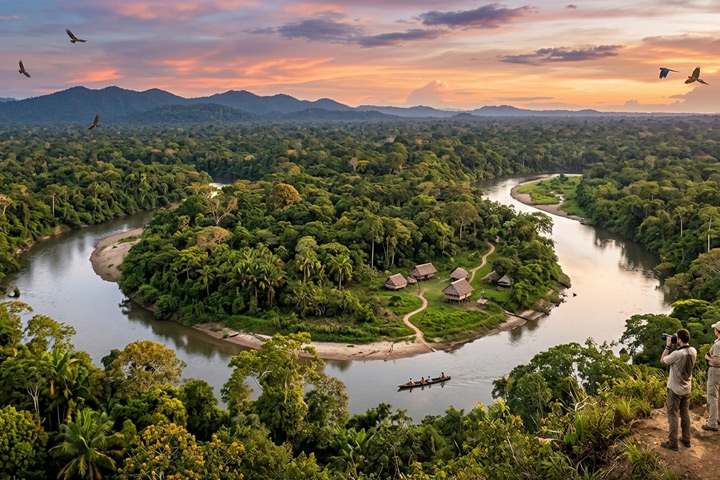
Peru’s Amazon region is one of the world’s most biodiverse ecosystems. Its reputation precedes it, and it’s the perfect place to closely witness the beauty of wildlife interactions. 

Puerto Maldonado provides access to the southern Amazon, while Iquitos is a gateway to the northern rainforest and can only be reached by air or river. Join guided boat excursions along forest-lined rivers and oxbow lakes, venture into the jungle on walking trails and climb canopy walkways for a different perspective of the forest. Depending on the season and location, you may spot howler and spider monkeys, sloths, colourful macaws, caimans, giant river otters and pink river dolphins. 

Explore the beauty of the Amazon with specialised Peru tour packages by White Trails.

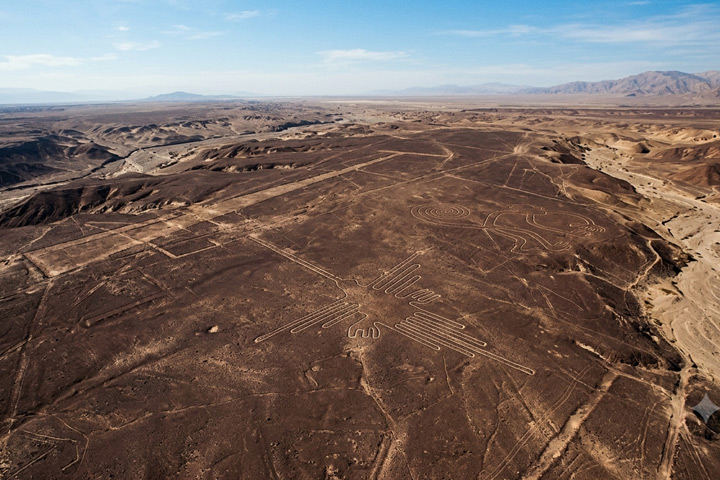
The Nazca Lines are among Peru’s most intriguing archaeological landmarks. Spread across the arid desert plains near Nazca, these were created by the Nazca culture between roughly 200 BC and AD 650. The geoglyphs depict animals, plants, human-like figures and geometric shapes, with some stretching hundreds of metres across the desert floor. 

A scenic flight from Nazca offers the clearest way to appreciate their enormous scale, with aerial views of famous figures such as the Hummingbird, Condor, Monkey and Spider.

Best Time to Visit Peru

Peru's climate varies considerably across its coastal, mountain and rainforest regions, so the best time to visit truly depends on your itinerary. Depending on when you’re planning your getaway, White Trails can help you choose between curated Peru holiday packages.

Dry Season

May- Oct 5 to 20°C

Dry, sunny days in the highlands

The dry season is the most popular time to explore Peru, particularly for trekking and sightseeing in the Andes. Clear skies and lower rainfall create favourable conditions for the Inca Trail, Sacred Valley and Machu Picchu, while June to August sees the highest visitor numbers. Book accommodation, train tickets, trekking permits and Machu Picchu entry well in advance, especially for travel during the peak months.

Shoulder Season

Apr & Sep - Oct 7 to 21°C

Mild conditions, occasional rain

The shoulder months offer what we call a “balanced” experience: the weather’s not presenting any extremes, and the crowds are manageable. April brings lingering rainfall that picks up again in September and October, particularly in the Andes. However, these periods work for sightseeing, cultural experiences and trekking. Accommodation and tours may also be more competitively priced.

Rainy Season

Nov - Apr 7 to 20°C

Frequent rainfall in the highlands

The rainy season washes the Andes scenery a bright green. November to April can be a great time for travellers who prefer fewer crowds. A word of caution: the rainfall can be heavy, particularly from December to March, and may affect trekking conditions and mountain roads. Machu Picchu remains open year-round, although the Inca Trail typically closes throughout February for maintenance.

Top Things to Do in Peru

Alongside Peru’s well-known landmarks, travellers can explore archaeological sites, trek through the Andes, experience the Amazon Rainforest and discover regional traditions that vary across the country. To make the most of your time in the country, you can choose from curated Peru tour packages by White Trails.

Trek the Inca Trail

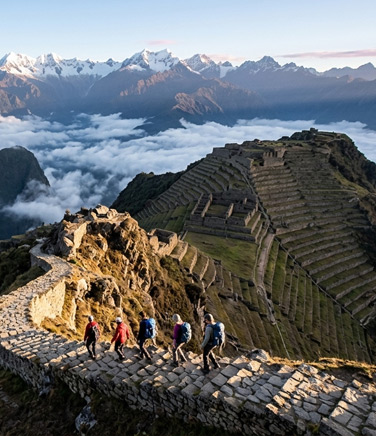
The Inca Trail is one of Peru’s multi-day hike options, much favoured by our adventurous travellers. It follows ancient stone pathways through cloud forests, high-altitude mountain passes and remote archaeological sites before arriving at Machu Picchu through the Sun Gate. The classic route takes around four days and involves steep ascents, uneven terrain and changing conditions, so a reasonable level of fitness and preparation is important. Along the way, trekkers pass by highlights that include Dead Woman’s Pass and the ruins of Wiñay Wayna.

Trek the Inca Trail

Explore Ancient Inca Ruins

Machu Picchu is the undisputed highlight, but Peru hosts an extraordinary collection of Inca sites that demonstrate the civilisation’s advanced engineering and agriculture. In Cusco, explore the enormous stone terraces and precisely fitted walls of Sacsayhuamán. In the Sacred Valley, visit Ollantaytambo, a remarkably preserved Inca settlement with ceremonial structures and impressive stonework, and Pisac, known for its hillside ruins and extensive agricultural terraces. Nearby, Moray features a series of unusual circular terraces thought to have been utilised for agricultural experimentation, while the Maras Salt Mines comprise thousands of small salt ponds fed by a natural underground spring.

Explore Ancient Inca Ruins

Go Sandboarding in Huacachina

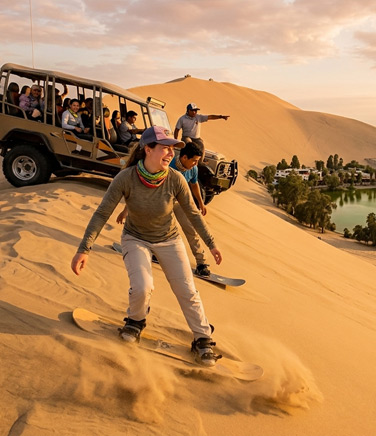
Huacachina is a small desert oasis near Ica, surrounded by towering golden dunes. Make your way up the dunes for views of the lagoon and desert, or join a dune buggy ride for a more adrenaline-pumping experience. For something a bit more hands-on, try sandboarding down the steep slopes (Pro tip: Operators offer boards and basic guidance for beginners). The dunes are also a great setting for a quieter desert walk or sunset photography, when the changing light casts long shadows across the sand.

Go Sandboarding in Huacachina

Explore Paracas National Reserve

Paracas National Reserve is where Peru’s desert landscape is introduced to the Pacific. The result is a striking coastline of red-gold cliffs and sandy beaches. Explore the reserve by road to discover viewpoints and quiet coastal stretches or take a boat trip from Paracas to the nearby Ballestas Islands, often called the “Little Galápagos”. Along the way, you may spot colonies of South American sea lions, Humboldt penguins, dolphins, cormorants and more.

Explore Paracas National Reserve

Shop at Local Markets

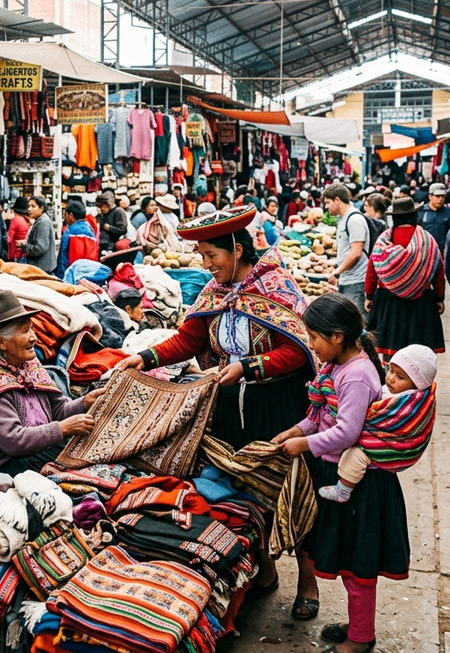
Trace through Peru’s culture by getting up close and personal: through local markets! In Cusco, browse stalls filled with colourful Andean textiles, alpaca wool garments, handmade jewellery and ceramics, while Chinchero is particularly known for its traditional weaving and naturally dyed textiles. The Pisac Market in the Sacred Valley is a popular stop for handwoven fabrics, carved ornaments, pottery and locally made souvenirs. In Lima, markets and artisan shops offer a wider selection of Peruvian crafts and gourmet products, including coffee, cacao, chocolate and pisco.

Shop at Local Markets

Discover Peru’s Local Culture

Peru's culture is the end result of millions of interactions amongst Indigenous, Spanish, African, Asian and European influences. This one-of-a-kind legacy is expressed through cuisine, festivals, music, handicrafts and everyday life. Get an intimate look at the country’s treasures with Peru tour packages.
Food

Peruvian cuisine changes dramatically between the coast, Andes and Amazon. Try fresh ceviche and causa in Lima, lomo saltado and anticuchos across the country, rocoto relleno in Arequipa and pachamanca in the Andean highlands. Don’t leave without trying a Pisco Sour, Peru’s signature cocktail, made with pisco, lime juice, sugar syrup, egg white and bitters.

Festivals

Peru’s local celebrations are a mix of Indigenous customs and Catholic traditions. Inti Raymi in Cusco takes place each June with traditional music, dance and ceremonies honouring the Inca sun god. In February, Puno hosts the spectacular Fiesta de la Virgen de la Candelaria, known for its elaborate costumes and dance performances. Semana Santa brings religious processions across the country, while Fiestas Patrias in July fill cities with parades, concerts and patriotic celebrations.

Shopping

Peru is a great place to buy traditional handicrafts and locally made products. Look for colourful Andean textiles, alpaca wool clothing, silver jewellery, ceramics and pottery in markets around Cusco and the Sacred Valley. You can also take home Peruvian coffee, chocolate and pisco. Traditional weaving remains particularly important in Andean communities, with many artisans continuing techniques passed down through generations.

Music and Traditions

Music and dance are an indelible part of Peruvian community life. Performances often feature panpipes, charangos and drums, particularly in the Andes. In many communities, traditions connected to Pachamama, or Mother Earth, continue alongside Catholic customs. Travellers can experience these traditions at local festivals, markets and community celebrations, where music, food, dress and crafts come together.

Travel Essentials for Your Peru Trip

A little due diligence before you catch your flight can help you avoid those classic travel exigencies you’ve heard about. Bundling your planned experiences into one Peru tour package can make them easier to manage.

Peru allows visa-free entry for citizens of certain countries for short tourist visits. Depending on your nationality, you may receive permission to stay for up to 183 days, subject to approval by immigration authorities.

If you require a visa, apply through your nearest Peruvian embassy or consulate before travelling. Typical requirements include:

  1. A valid passport
  2. Completed visa application form
  3. Passport-sized photographs
  4. Proof of accommodation
  5. Return or onward travel ticket
  6. Proof of sufficient funds

Travellers visiting the Amazon region are commonly advised to receive a Yellow Fever or other vaccinations. These should be confirmed per the region.

The currency of Peru is the Peruvian Sol (PEN). .

Hotels, restaurants, shopping centres and larger businesses widely accept cards, but cash is preferred in local markets and rural areas, and for local taxi fares.

Although some businesses accept US dollars, paying in the local currency usually offers better value.

Peru's transport network connects most major tourist destinations efficiently.

  • Domestic flights are the most convenient way to journey between cities such as Lima, Cusco, Arequipa, Puerto Maldonado and Iquitos.
  • Long-distance buses provide a comfortable and cost-effective option, with premium operators offering reclining seats and onboard facilities.
  • Trains mainly operate on routes connecting Cusco and Ollantaytambo with Machu Picchu.
  • Within cities, registered taxis and ride-hailing services such as Uber, Cabify and InDrive are generally the safest and most convenient options.

Packing requirements depend on the regions included in your itinerary, as Peru's climate varies significantly. Here’s what you should generally pack for a trip to Peru:

  • Lightweight clothing for coastal destinations
  • Warm layers for the Andes
  • Comfortable walking or hiking shoes
  • A waterproof jacket during the rainy season
  • Sunscreen, sunglasses and a hat for high-altitude areas
  • Insect repellent when visiting the Amazon
  • A reusable water bottle as well as a portable power bank for day trips

Research a few key phrases in Spanish before travelling. Here’s what to remember about expected etiquette in Peru:

  • Ask permission before photographing local people.
  • Respect Indigenous traditions and sacred sites.
  • Stay on designated paths at archaeological attractions.
  • Tip around 10% in restaurants when a service charge is not included.

Mobile coverage is reliable across most cities and popular tourist destinations in Peru.

  • Prepaid SIM cards are widely available at affordable prices. 
  • Hotels, cafés, restaurants and airports generally offer free Wi-Fi
  • Internet access may be limited in remote mountain communities and parts of the Amazon. Downloading offline maps before travelling is recommended if your itinerary includes remote regions.

FAQs

Quick answers to the most common queries about travelling in Peru.

Yes. Peru is generally considered safe for travellers visiting popular destinations such as Lima, Cusco, the Sacred Valley and Machu Picchu. However, always remain aware of your surroundings, keep valuables secure and use registered taxis or trusted ride-hailing services.

A 10- to 14-day itinerary for Peru provides enough time to explore Lima, Cusco, the Sacred Valley and Machu Picchu, while also including another destination such as Lake Titicaca, the Amazon Rainforest or Arequipa and Colca Canyon without rushing.

English may be spoken in well-established tourist destinations such as Lima, Cusco and Machu Picchu, particularly in hotels, restaurants and tour companies. However, Spanish remains the primary language across most of the country, especially in rural areas and towns.