Overview

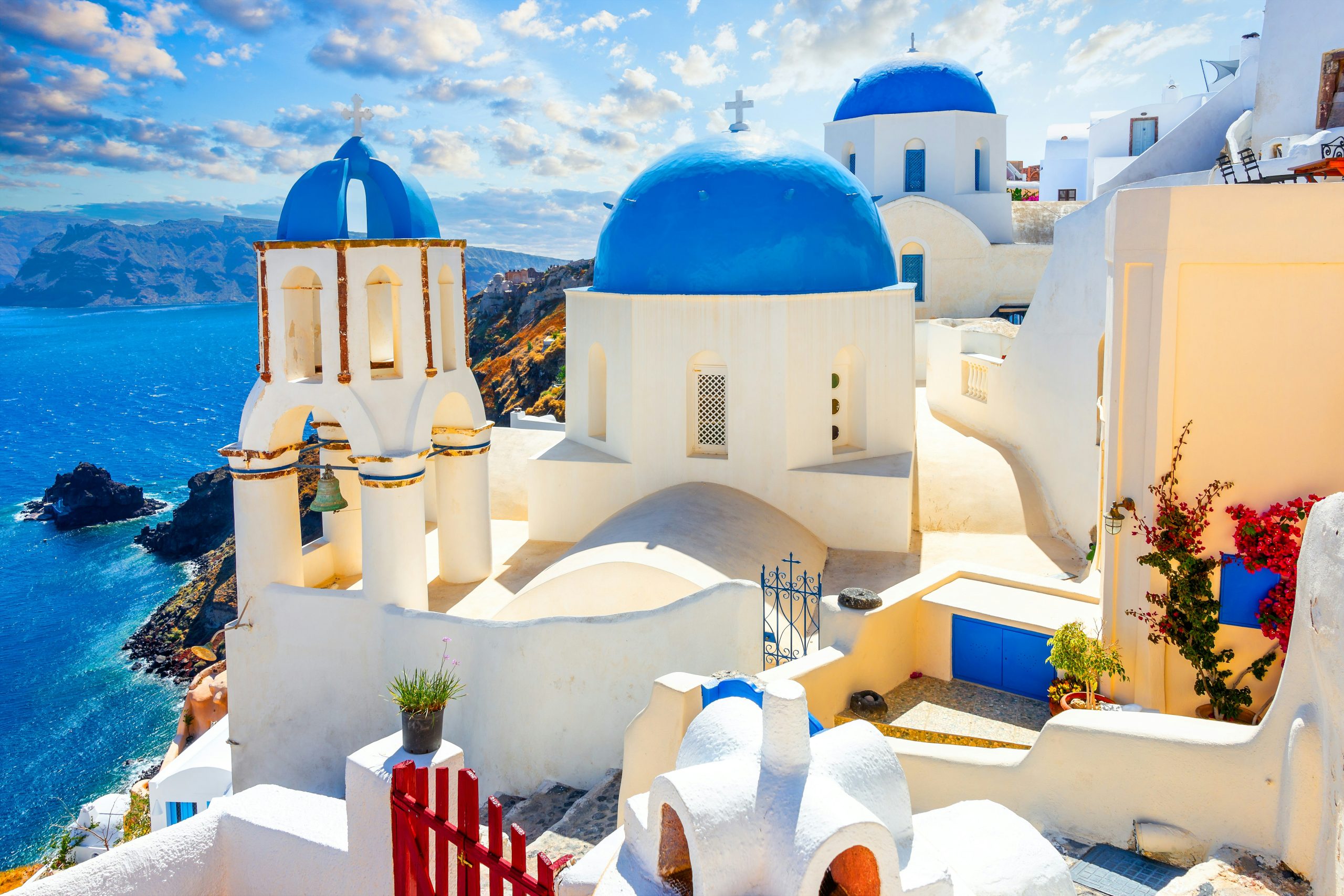
Picture a whitewashed lane in Oia, bougainvillaea spilling over a blue-domed chapel and the Aegean shimmering below. Or the Acropolis at dusk, its ancient marble catching the last of the sunlight as the city lights come on. Scenes like these make the places to visit in Greece feel strangely familiar, almost like places you remember from school history books but have never actually seen.

Greece tourism rewards the curious. Ancient temples sit a short ferry ride from sugar-white beaches, and a mountain village can feel a century away from a buzzing harbour bar. Whether you are planning a Greece honeymoon or a family break, there is plenty to explore beyond the famous postcard views.

Each island and region has its own character, from Santorini’s whitewashed lanes to Athens’ ancient landmarks and Crete’s coastal villages. This Greece travel guide helps you weigh up where to go and how long to stay. With White Trails, you can plan Greece packages from India around the places and experiences that matter most to you.

Places to Visit

Greece squeezes ancient ruins and island life onto one compact map. Here are the places you can visit in Greece and what each has in store for you.

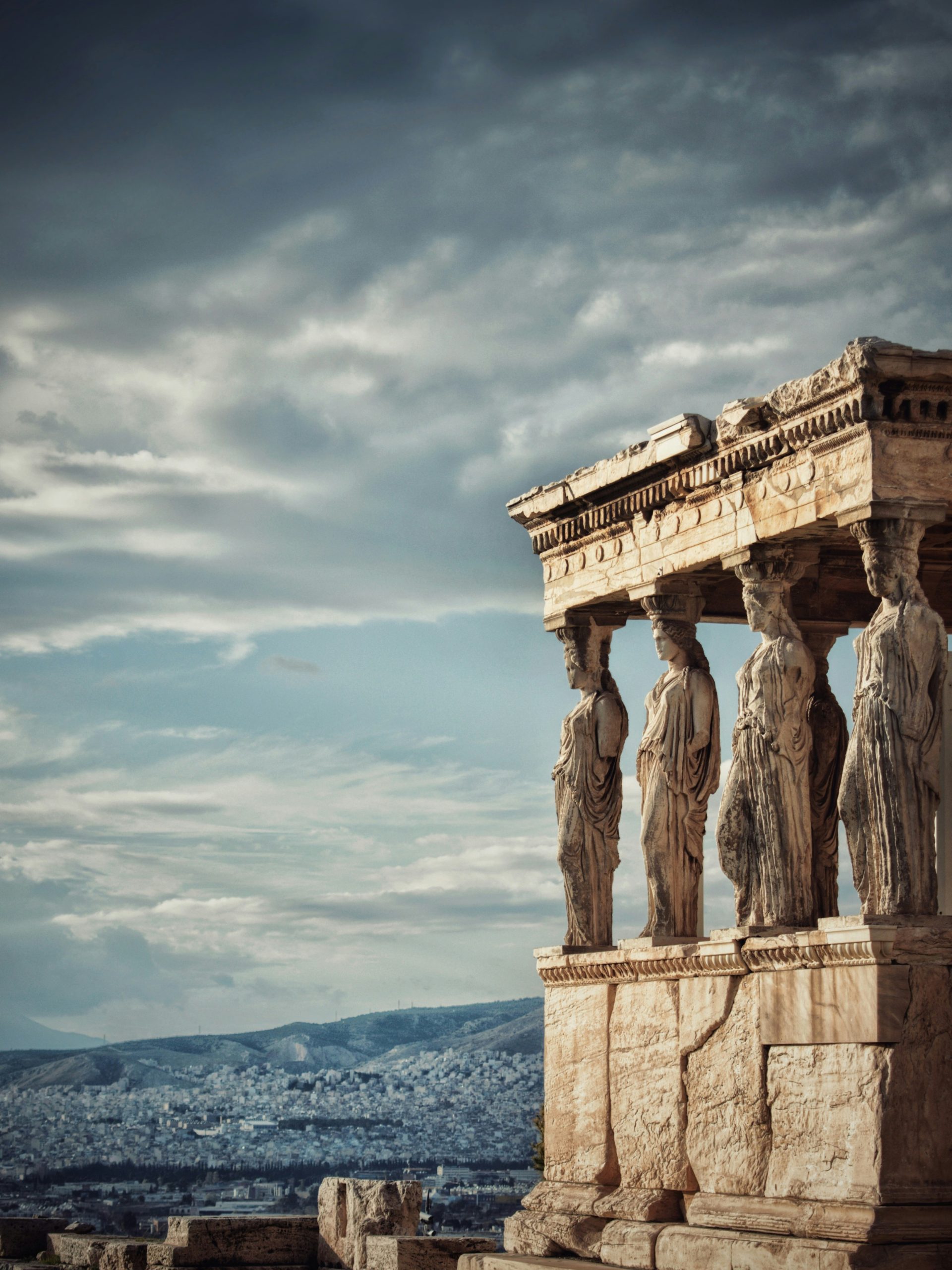
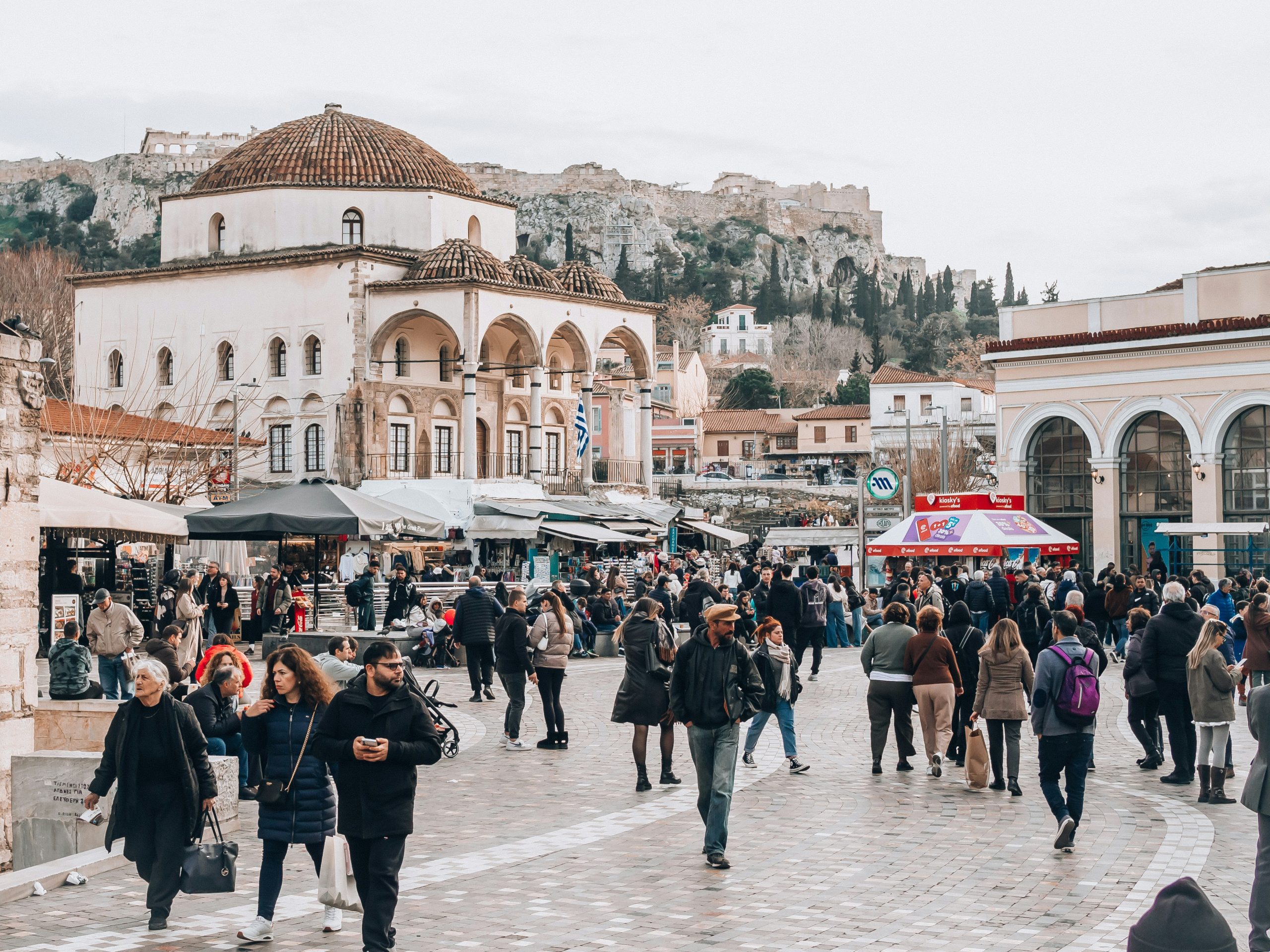
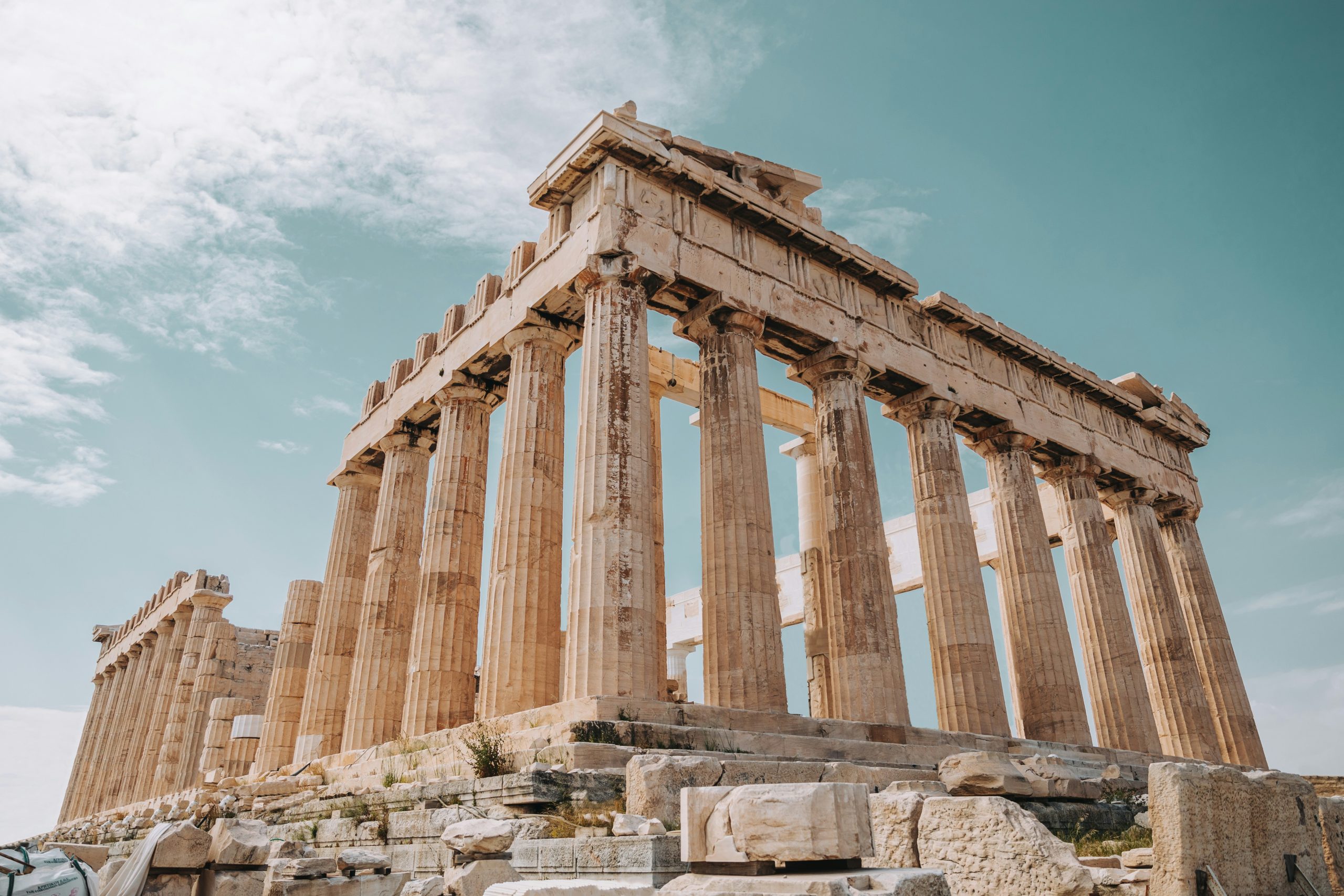
Athens is best explored on foot, with time to take a wrong turn or stop for a coffee along the way. Start your day by visiting the Acropolis, then wander downhill into Plaka, where shaded lanes open onto little squares and tavernas set out their tables. The Acropolis Museum is worth stopping by before the afternoon heat sends you on the lookout for a cool drink. Later, join the crowds around Monastiraki, browse the market streets and head up Mount Lycabettus as the sun sets over the rooftops.

With White Trails, you can add a half-day excursion from Athens to Cape Sounion, where the Temple of Poseidon overlooks the Aegean.
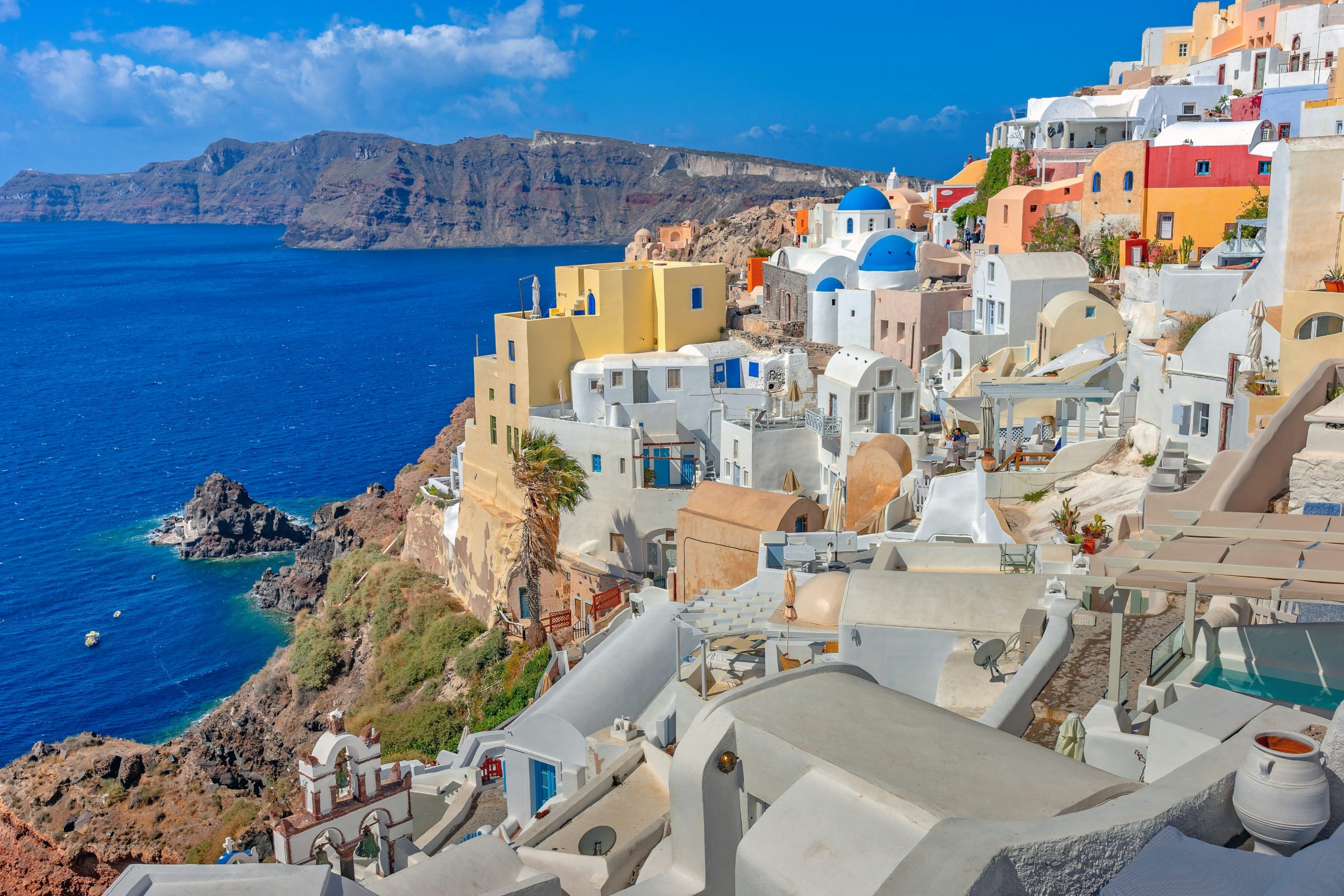
Santorini is the postcard everyone recognises, and it still holds up in person. Whitewashed villages cling to the rim of a flooded volcanic caldera, with Fira and Oia strung along the cliff. Walk the 10 km path between them in the cool of the morning, then sip crisp Assyrtiko at a cliffside winery. Perissa’s black sand and the rust-red cliffs of Red Beach add a different palette. For a Greece honeymoon, Santorini has all the makings of a swoon-worthy escape, from sunset strolls along the caldera to dinner with the Aegean as your backdrop.

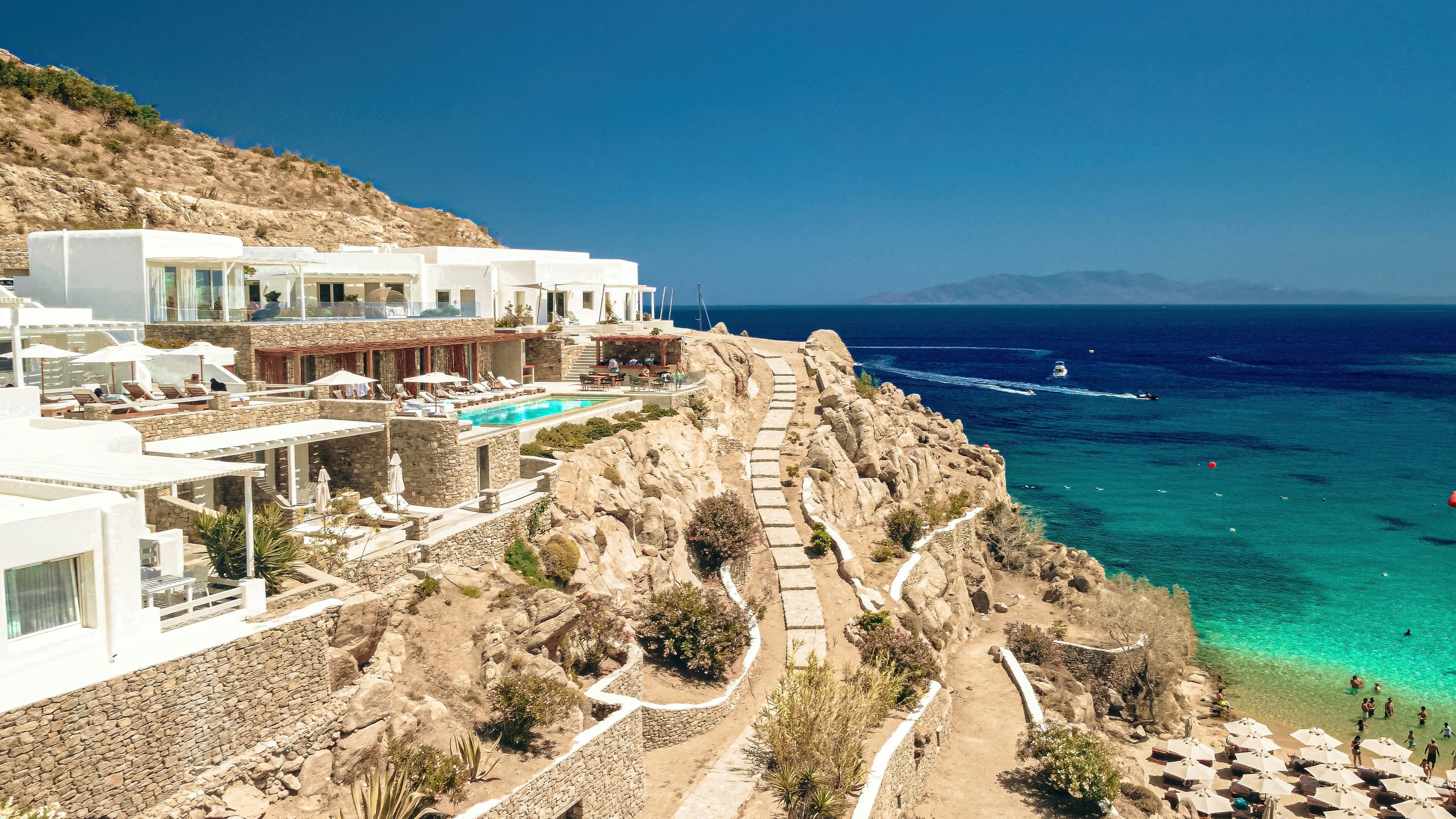
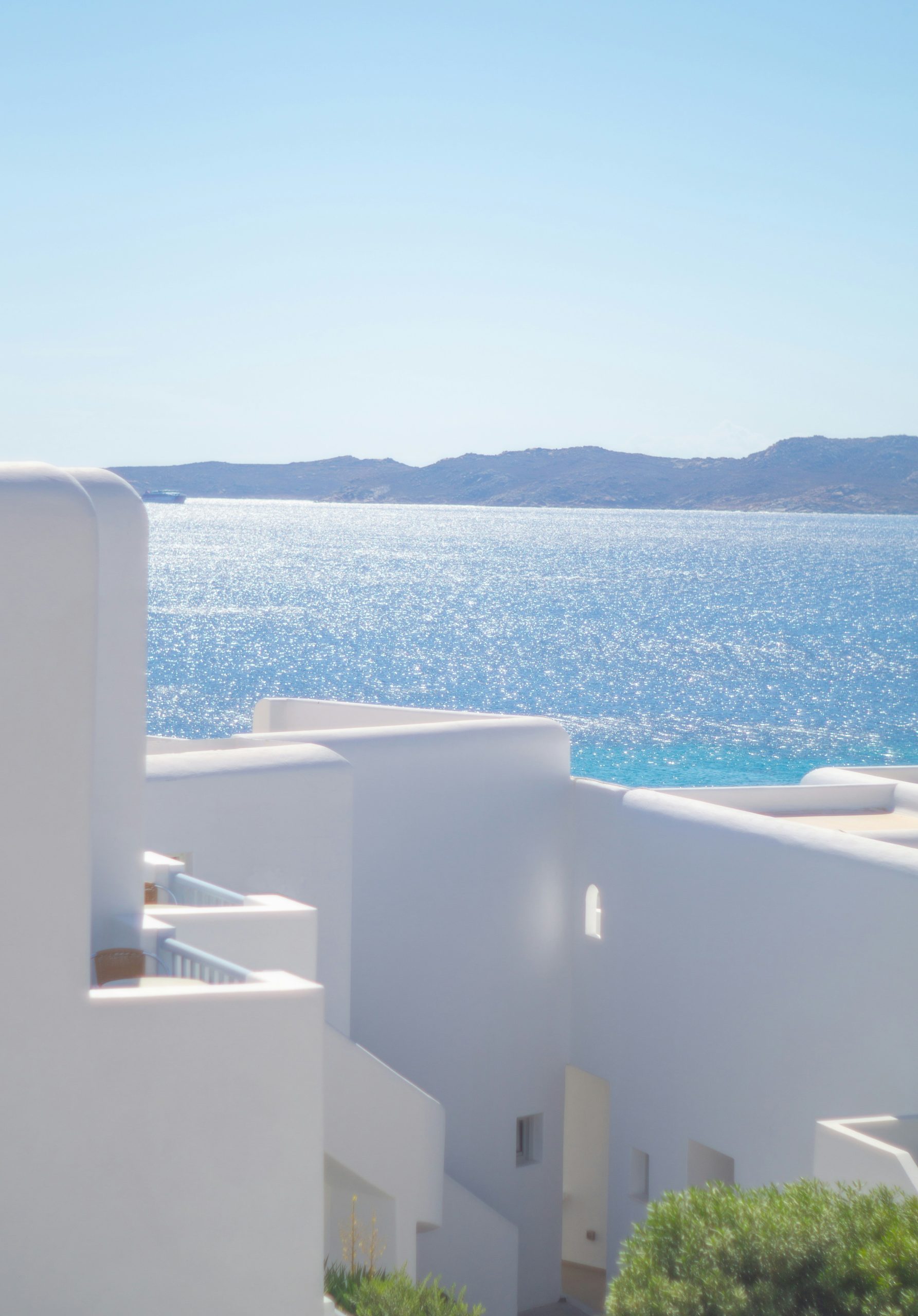
Whitewashed lanes, old windmills and beach clubs that keep the music going long after dark give Mykonos its distinctive character. Spend the afternoon swimming off Psarou or Paradise Beach, then head to Little Venice, where waterfront bars fill up as the sun drops towards the Aegean. Agios Sostis offers a quieter stretch of sand, away from the music and crowds of the island’s busier beaches. When you’re ready for a change of pace, take a boat to nearby Delos, where ancient ruins tell stories of the mythical birthplace of Apollo and Artemis.

Crete is Greece’s largest island, and you’ll need more than a couple of days to see much of it. Start in Chania, where the old Venetian harbour is best enjoyed over an unhurried evening. Knossos Palace, near Heraklion, takes you back to the island’s Minoan past, while Elafonisi is worth the drive for its pink-tinged sand. If you are someone who loves to hike, the Samaria Gorge trail covers 16 km and usually opens from May to October, depending on conditions.

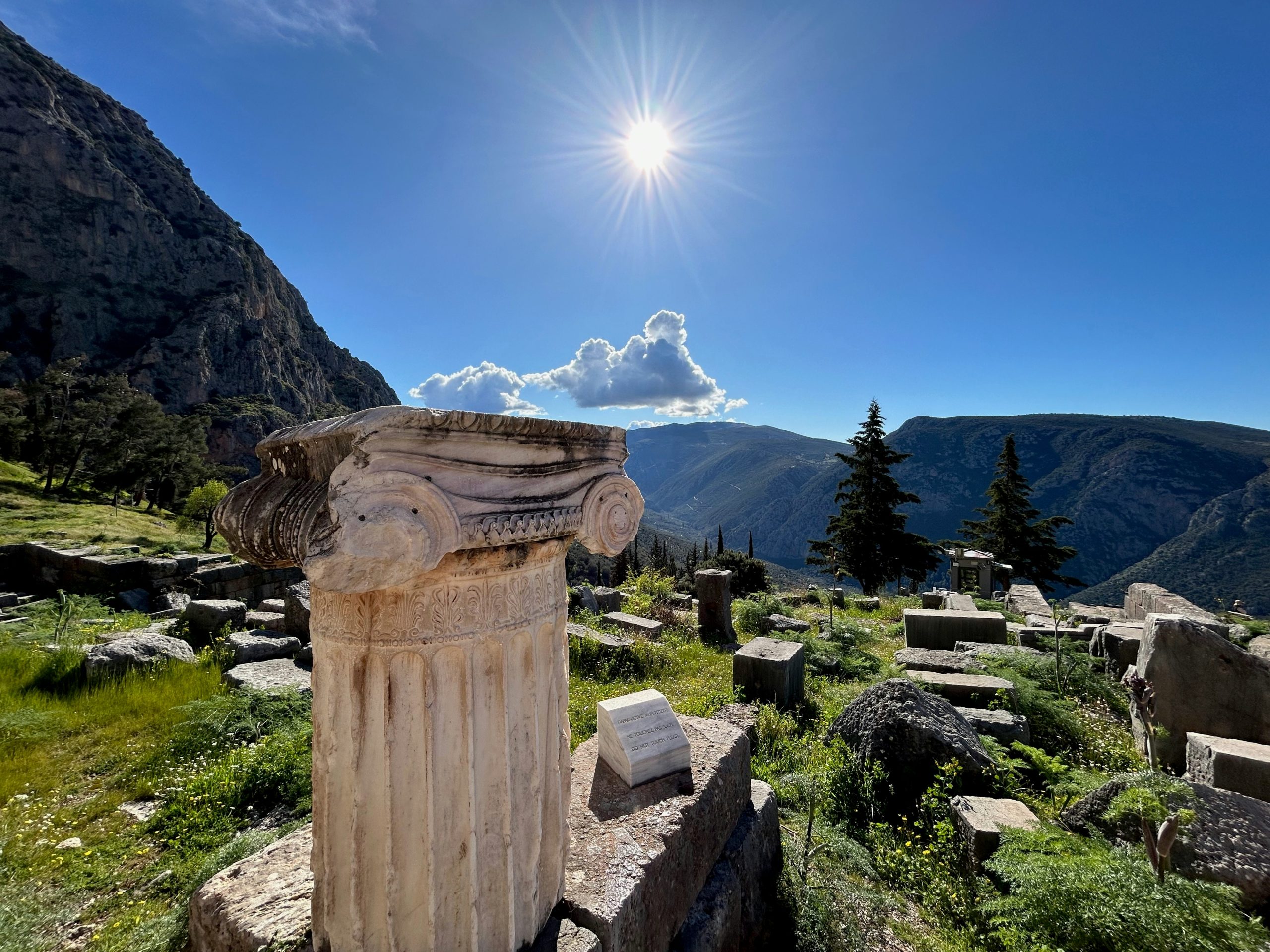
Around two and a half hours from Athens, Delphi is worth the drive if you want to see another side of Greece beyond its capital. Head to the Temple of Apollo, where the famous Oracle once delivered her prophecies, and stop by the Delphi Archaeological Museum to see the Charioteer of Delphi. Once you’ve explored the ruins, take a moment to look out over the olive-covered valley below, with Mount Parnassus rising behind it.

Meteora looks as though someone lifted a fantasy novel straight into the Greek countryside. Huge sandstone pillars rise out of the valley, with monasteries perched on top, seemingly out of reach. Six are still active today, and visiting them means dressing modestly, with knees and shoulders covered. Stay in Kalabaka and head to the Psaropetra viewpoint near sunset. As the light turns the rock copper, it becomes easier to see why monks chose these extraordinary heights to lead a life of solitude.

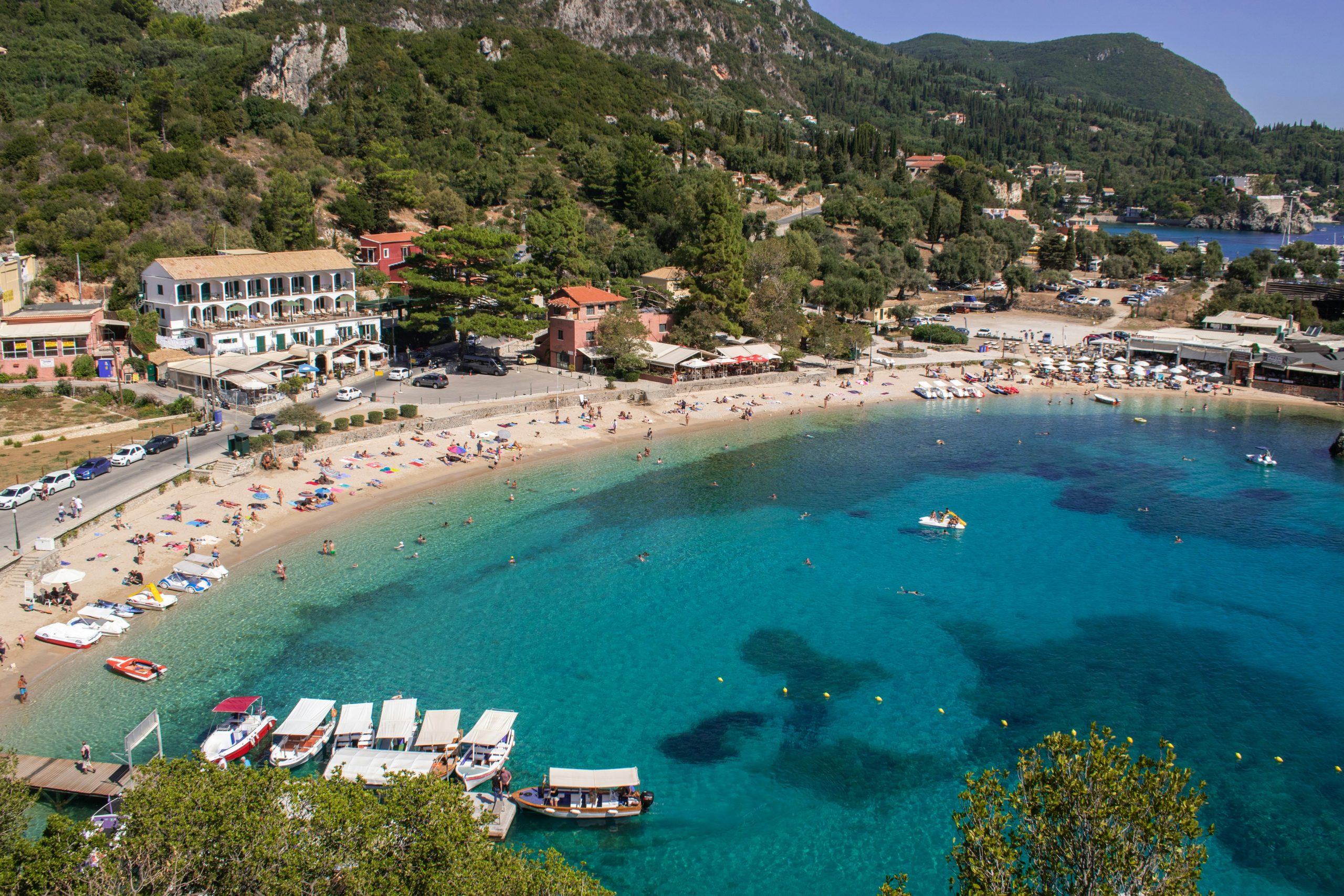
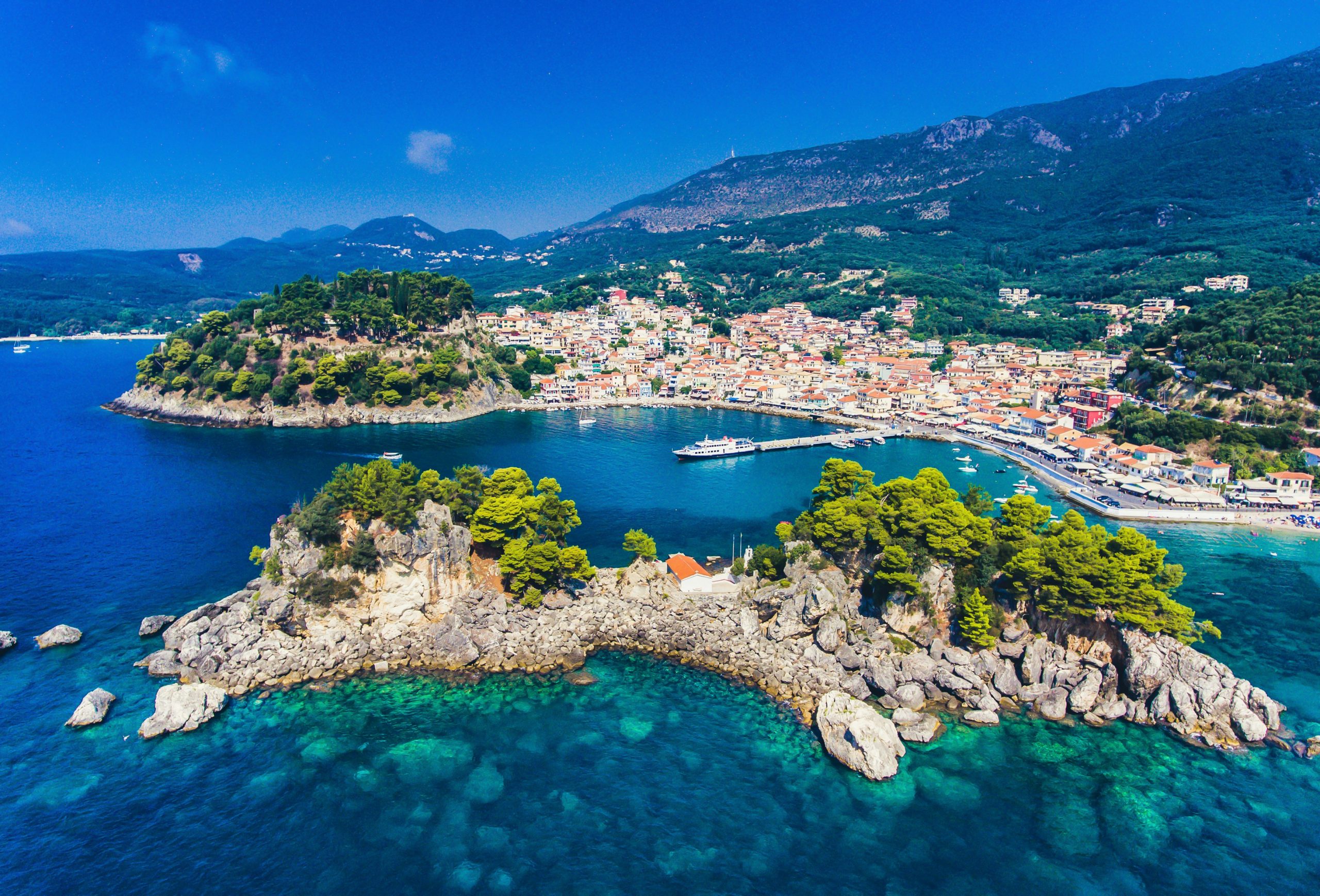
Corfu has a curious mix of influences that you’ll notice as you wander through its Old Town. Corfu’s Old Town has Venetian-style arcades, while the cricket ground near the centre is a reminder of the island’s time under British rule. Stop at the Liston for a cup of coffee and watch the evening crowd pass by before making your way up to the old fortress. For a change of scene, head to Paleokastritsa, where rocky headlands give way to clear turquoise water and little coves perfect for a swim.

Several more islands reward a longer stay:

  • Naxos: long sandy beaches, and the marble Portara gateway at the harbour.
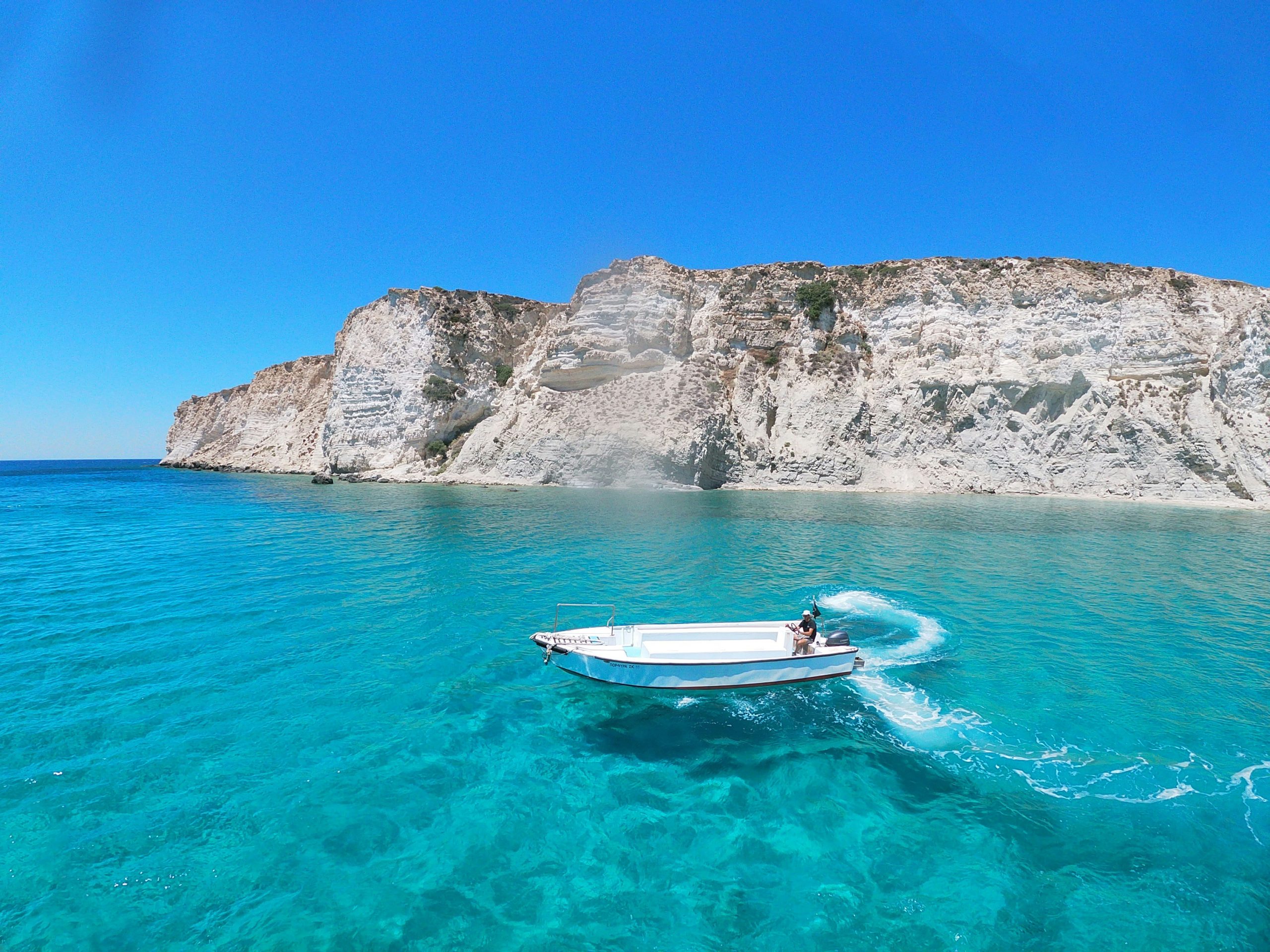
  • Milos: the moonlike white rock of Sarakiniko and pastel fishing hamlets
  • Zakynthos: Navagio Beach, also known as the Shipwreck Beach, hemmed in by cliffs and reachable only by boat.
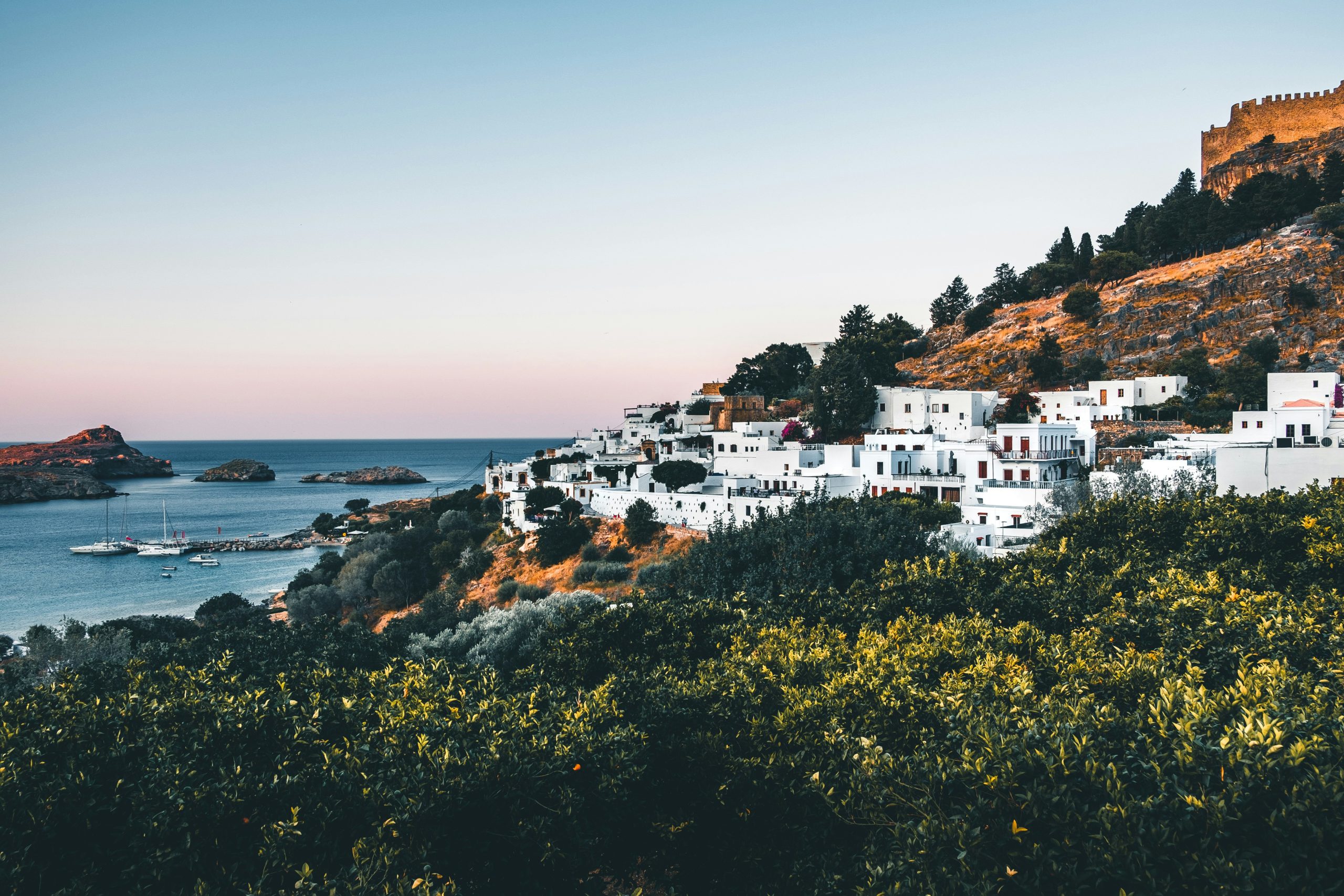
  • Rhodes: a medieval walled Old Town and the hilltop acropolis at Lindos.

Best Time to Visit Greece

Greece’s weather shifts sharply between seasons, so the best time to visit Greece depends on whether you want sea swims or ruins without the sweat. Here is how each season plays out.

Spring

March to May 12°C to 24°C

Mild, green, sea still cool

March and April are good months for walking around Athens or driving through Crete, before the summer heat sets in. The countryside is in bloom, but don't expect much beach weather just yet. Some island hotels and restaurants are still closed in March, with more places opening as Easter and May approach.

Summer

June to August 28°C to 38°C

Hot, dry, peak season

Expect hot days, busy beaches and lively island towns. The meltemi winds can affect ferry journeys in the Aegean, particularly in July and August. This is also the most expensive time to visit, so book your stay early. White Trails can help arrange summer accommodation in advance.

Autumn

September to November 18°C to 30°C

Warm sea, thinner crowds

September and early October are still warm enough for swimming, but the summer crowds have started to thin out. By November, the cooler weather is more noticeable, particularly in northern Greece. September is also grape-harvest season, so you may find vineyards hosting tastings during this time.

Winter

December to February 6°C to 15°C

Cool, rainy, quiet

Winter is a good time to explore Athens without the summer heat or head to Arachova for a mountain break. Snow is possible in the surrounding mountains. Many island hotels close, and ferry services become less frequent, so check schedules before travelling.

Top Things to Do in Greece

Planning things to do in Greece is easy to over-stuff. These experiences repay the effort, and White Trails builds them into Greece packages from India at a pace that leaves room for long lunches.

Walk Through Ancient Greece

Greece’s ancient sites are far more compelling when you see them up close. At Delphi, the Sacred Way leads towards the Temple of Apollo, where the Oracle once delivered her prophecies. Olympia still has the stone starting line where athletes began the ancient Games. Epidaurus is known for its remarkable acoustics, while the Parthenon at the Acropolis is every bit as impressive in person. Taking a local guide can bring the myths and stories behind these places to life.

Walk Through Ancient Greece

Island Hop Across the Aegean

Part of the fun of island hopping is getting to know a different side of Greece with every stop. You might spend your first few days watching the sunset over Santorini’s caldera, then find yourself swimming off Naxos the next morning. Mykonos is known for its beach clubs and late-night parties, while Paros is a little quieter once the sun goes down. Ferries to the Cyclades usually leave from Piraeus. Summer crossings can be affected by strong winds, so check your sailing before you travel and leave a day between your ferry journey and your flight home.

Island Hop Across the Aegean

Spend a Day on the Best Beaches

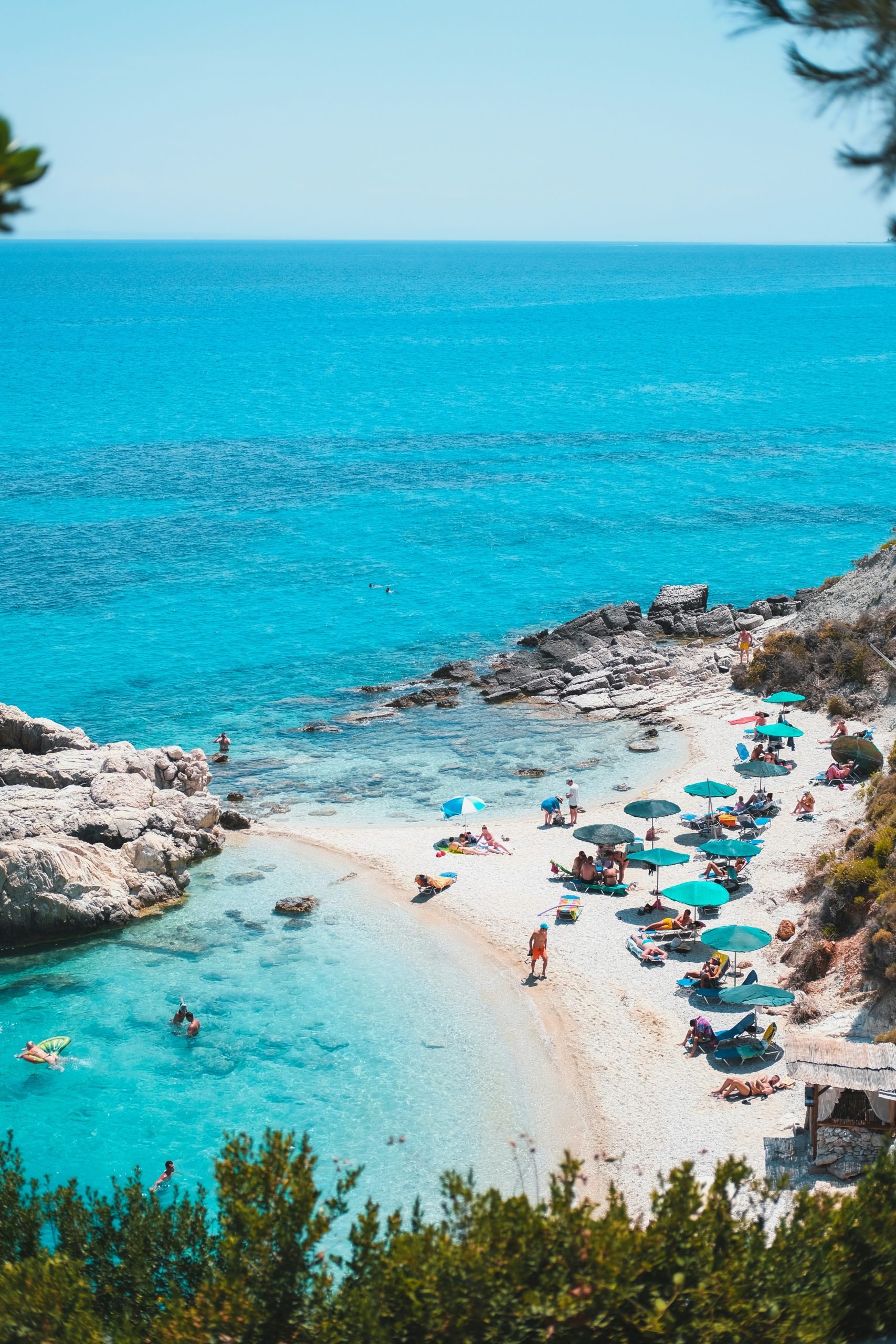
Some of Greece’s beaches are worth planning a day around. Myrtos in Cephalonia has striking white cliffs and glinting blue water, while Milos’ Sarakiniko looks almost like a landscape from another planet, with smooth white rock meeting the sea. If you fancy spending the day on the water, book a catamaran trip with time for swimming and snorkelling. Take reef shoes for the pebbly beaches.

Spend a Day on the Best Beaches

Taste Wine and Olive Oil at the Source

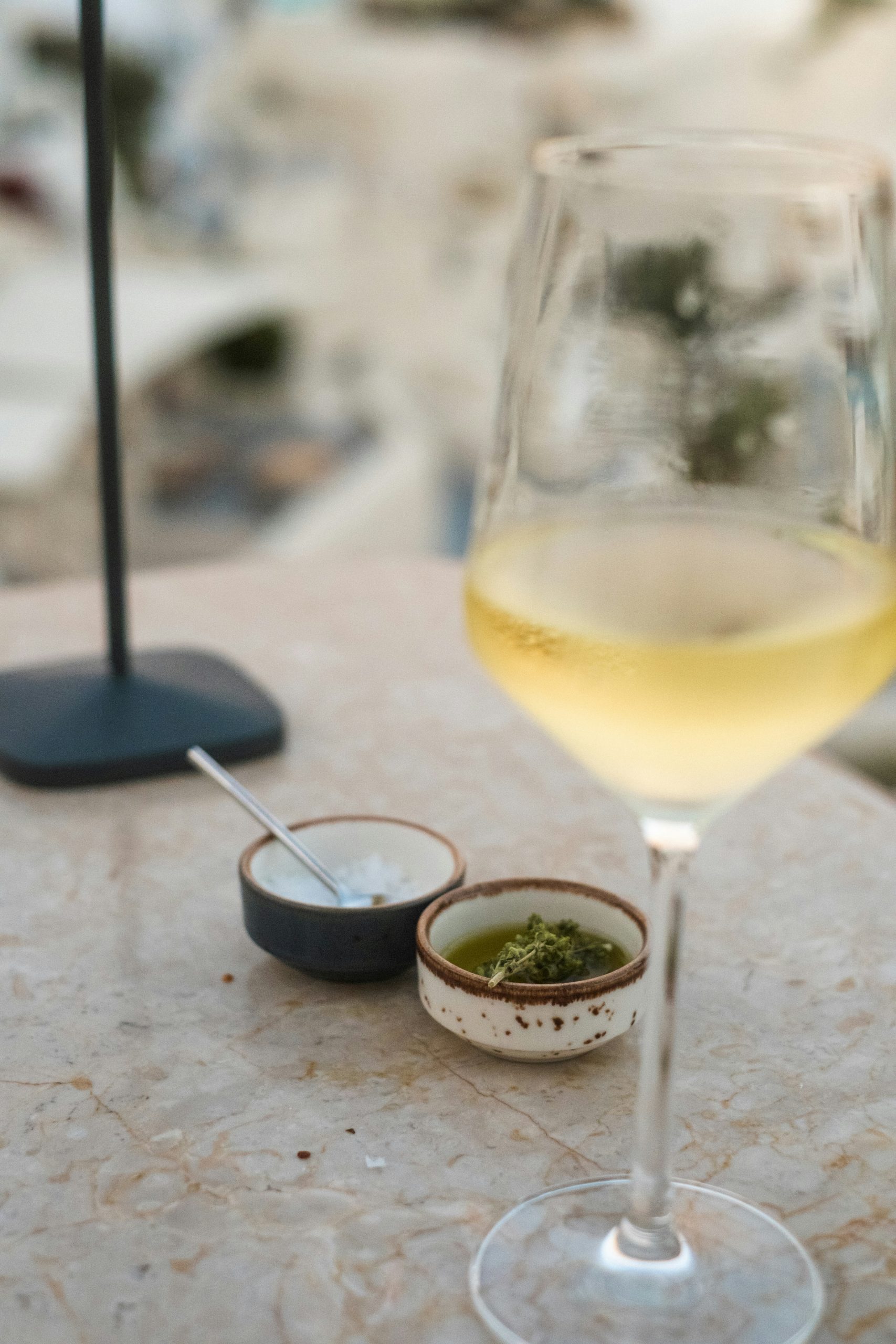
A glass of Assyrtiko is a good place to start on Santorini. This crisp white wine has a distinct mineral character, and it’s closely associated with the island’s volcanic vineyards. On the mainland, Nemea is where you can try Agiorgitiko, a local red wine. When you reach Crete, stop at an olive mill for a tasting with fresh bread. If you’re visiting Athens, a local cooking class might give you the chance to learn how to make dolmades from scratch.

Taste Wine and Olive Oil at the Source

Hike Gorges and Mountains

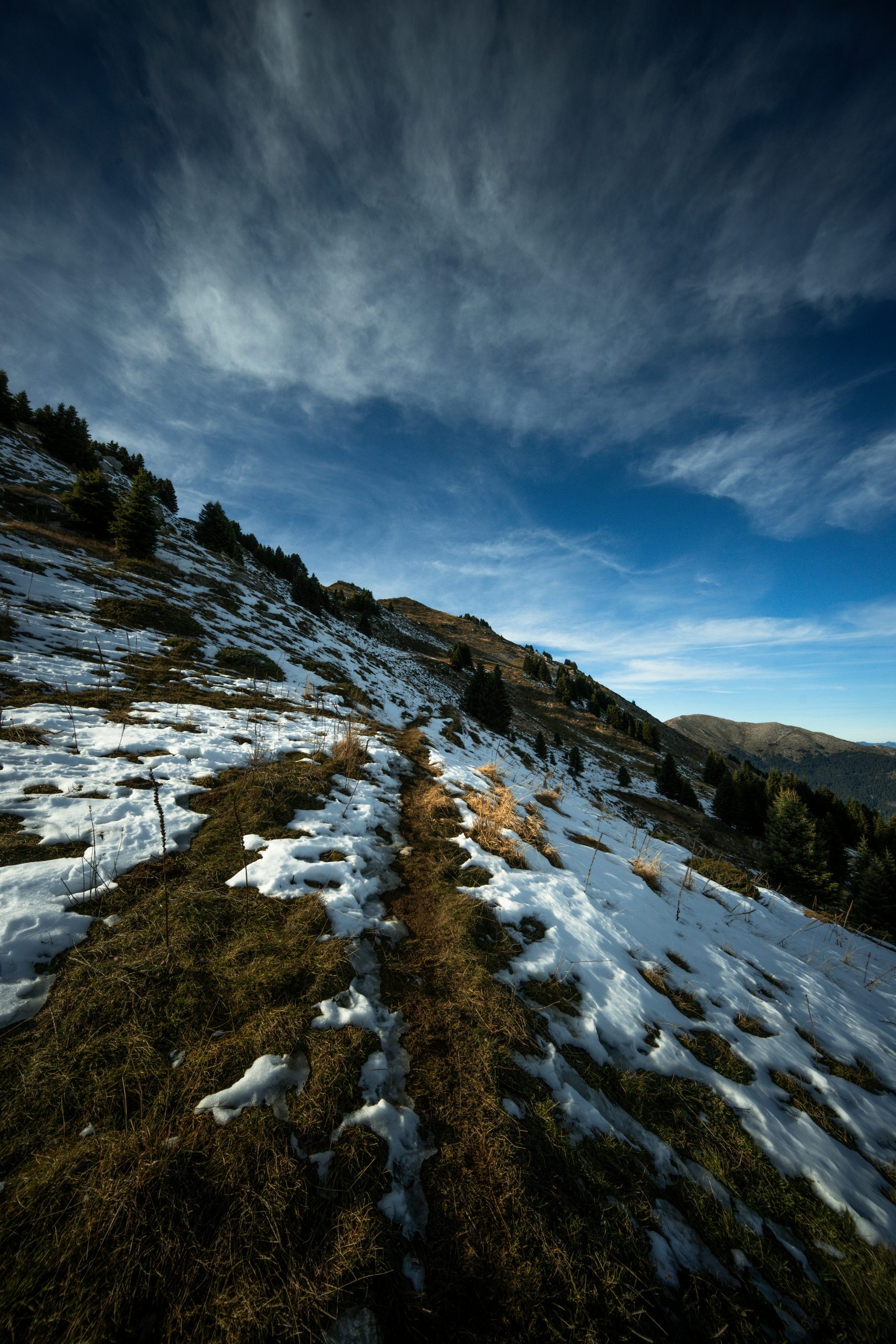
The mountain villages of Zagori make a fine base for exploring Vikos Gorge, one of Greece’s most striking hiking areas. Follow old stone paths between villages, cross the arched bridges built by local craftsmen and stop at a village café when your legs need a break. Mount Olympus calls for more preparation. Its higher trails begin near Litochoro and are better suited to experienced hikers. For things to do in Greece beyond sunbathing on the islands, these mountain routes are well worth considering.

Hike Gorges and Mountains

Discover Greece’s Local Culture

Greek hospitality, known as philoxenia, is often seen in the small gestures that make visitors feel welcome. You might be offered a coffee, a homemade sweet or a friendly recommendation while exploring a village. To get a feel for everyday Greek life, look beyond the ancient sites and spend time with local communities.
Food

Greek food is about much more than souvlaki. Try moussaka at a traditional taverna, order grilled fish by the coast or pick up loukoumades drizzled with honey. In Crete, look out for dakos, a barley rusk topped with tomato, olive oil and mizithra cheese. Vegetarians can try gigantes beans or fava, a thick yellow split-pea purée.

Festivals

Greek Orthodox Easter is marked with candlelit church services on Holy Saturday, followed by family gatherings and a traditional Easter meal the next day. Summer is the time for the Athens and Epidaurus Festival, when you can catch a play at the ancient theatre of Epidaurus. In February or March, Patras is worth a visit for its carnival, with elaborate costumes and street celebrations before Lent.

Shopping

In Athens, browse the stalls at Monastiraki flea market or head to Ermou Street for high-street shopping. For something to take home, look for Kalamata olive oil, Cretan herbs, locally made ceramics or a komboloi, the traditional string of worry beads often seen in Greek hands.

Travel Essentials for Your Greece Trip

Greece is easy to navigate with a bit of groundwork. White Trails offers Greece packages from India for a range of budgets and handles the paperwork alongside the planning.

Indian passport holders need a Schengen visa to visit Greece. There is no visa on arrival, so make time for the application before booking your trip. Here’s how to go about it.

  • Fill in the Schengen visa application form
  • Book an appointment at a Greece Visa Application Centre through GVC World
  • Pay the €90 adult visa fee, along with the applicable service charge
  • Visit the centre with your documents and provide your fingerprints and photograph
  • Wait for the decision. Processing usually takes 15 calendar days after the Embassy receives your application, though some cases can take up to 45 days

You can apply up to six months before your trip. While the minimum is 15 days before departure, it’s better to leave more time, especially during the busy April-to-July period. Your passport must be less than ten years old, have two blank pages and remain valid for at least three months after you leave the Schengen area. You’ll also need travel medical insurance covering at least €30,000, accommodation details, flight reservations and proof of sufficient funds.

The EU’s Entry/Exit System (EES) has been fully operational since 10 April 2026. If this is your first Schengen entry under the system, border staff will take your fingerprints and facial image.

Greece uses the euro (€). Cards are generally accepted in hotels, restaurants and shops, but it’s worth keeping some cash on hand, particularly when visiting smaller islands.

  • Cards and mobile wallets work in most hotels, restaurants and shops
  • Carry cash for small islands, village tavernas and beach kiosks
  • Round up the bill or leave approximately 5 to 10% for good service
  • Hotels add a per-night climate resilience fee, usually paid at check-in

The metro is often the easiest way to get around Athens, including the journey from the airport. For the islands, you’ll usually take a ferry from Piraeus or fly from the mainland. If you’re travelling in summer, book ferry tickets before you arrive. A car gives you more freedom to explore Crete and the Peloponnese. Indian visitors driving in Greece should carry an International Driving Permit as well as their licence.

Pack for the season you choose. For many Indian travellers, the best time to visit Greece falls in late spring or early autumn. A few items matter in every month:

  • Copies of passport, visa and travel insurance
  • Flat, grippy shoes for slippery marble at the Acropolis (high heels are banned there)
  • Swimwear and reef shoes for pebbly beaches
  • Light layers, plus a shawl or scarf for churches and monasteries
  • Sunscreen, a hat and sunglasses
  • Type C and F plug adaptors for 230V sockets
  • A reusable water bottle for day trips and sightseeing
  • A small day bag for ferry journeys and excursions
  • Any regular medication you may need during the trip
  • A light rain jacket, particularly for travel in spring or autumn

A little awareness of local customs can make everyday interactions in Greece easier. Keep these points in mind while travelling:

  • Dress modestly during church and monastery visits, with shoulders and knees covered
  • Dinner often starts after 9 pm in summer, and lunch can be a leisurely affair
  • A slight upward tilt of the head usually means ‘no’
  • Don’t climb on ancient ruins or touch fragile structures
  • When raising a glass, say ‘Yamas’ and make eye contact
  • Ask before photographing locals, as photography is often banned inside monasteries

Staying connected in Greece is straightforward. You can choose from:

  • International roaming packs from Indian mobile operators
  • eSIMs that you can activate before leaving India
  • Prepaid SIM cards from Cosmote, Vodafone or Nova
  • Free Wi-Fi at hotels, cafés and many ferries

FAQs

Quick answers to the most common queries about travelling in Greece.

Seven to ten days gives you time to explore Athens and visit one or two islands. Allow around twelve days if you want a more relaxed island-hopping holiday.

Not on its own. If you plan to drive in Greece, carry your Indian driving licence along with an International Driving Permit. Check the rental company’s requirements before booking.

Many shops, especially those outside tourist areas, remain closed on Sundays. Restaurants and cafés in popular destinations are usually open, but it’s worth checking timings before you head out.