Overview

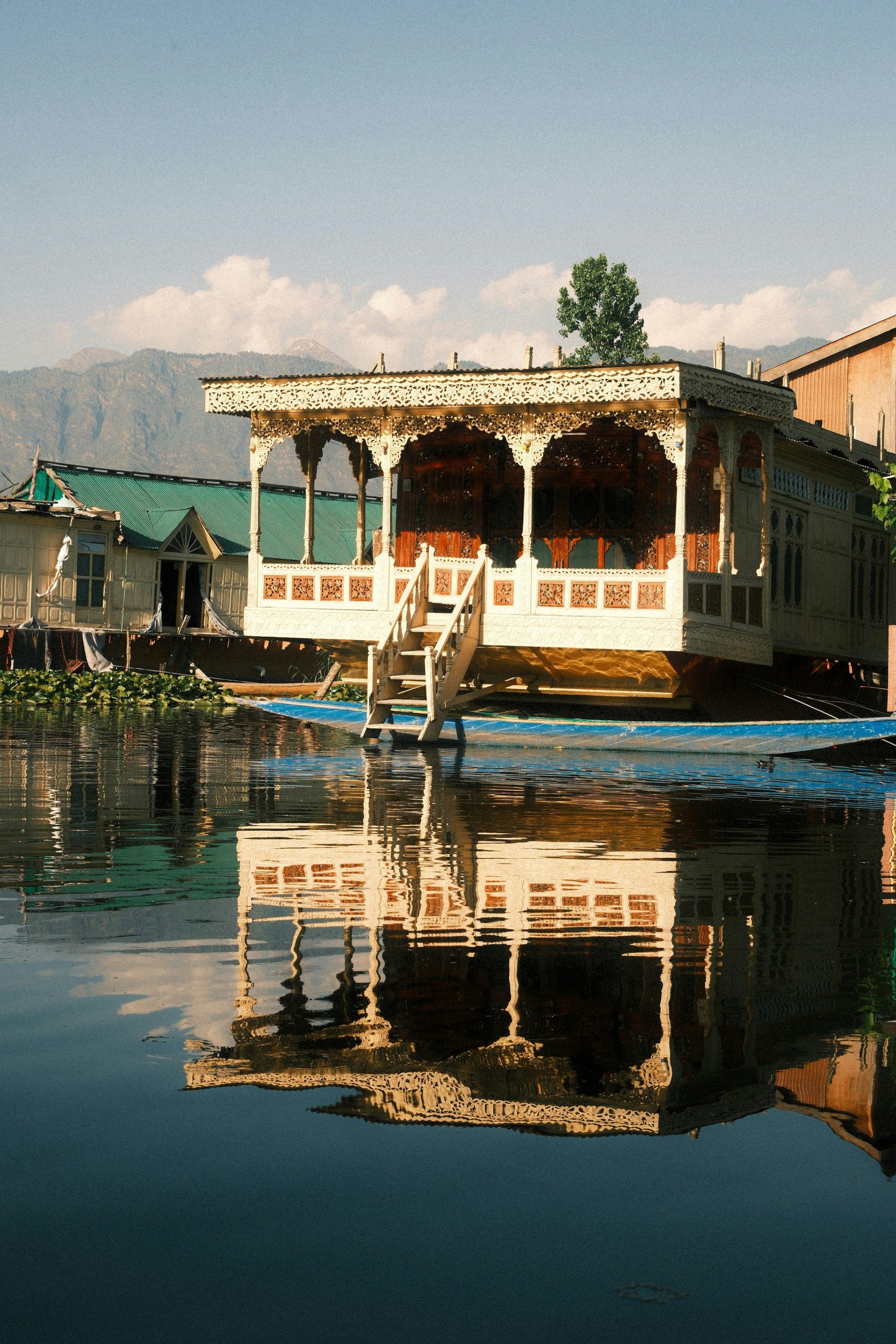
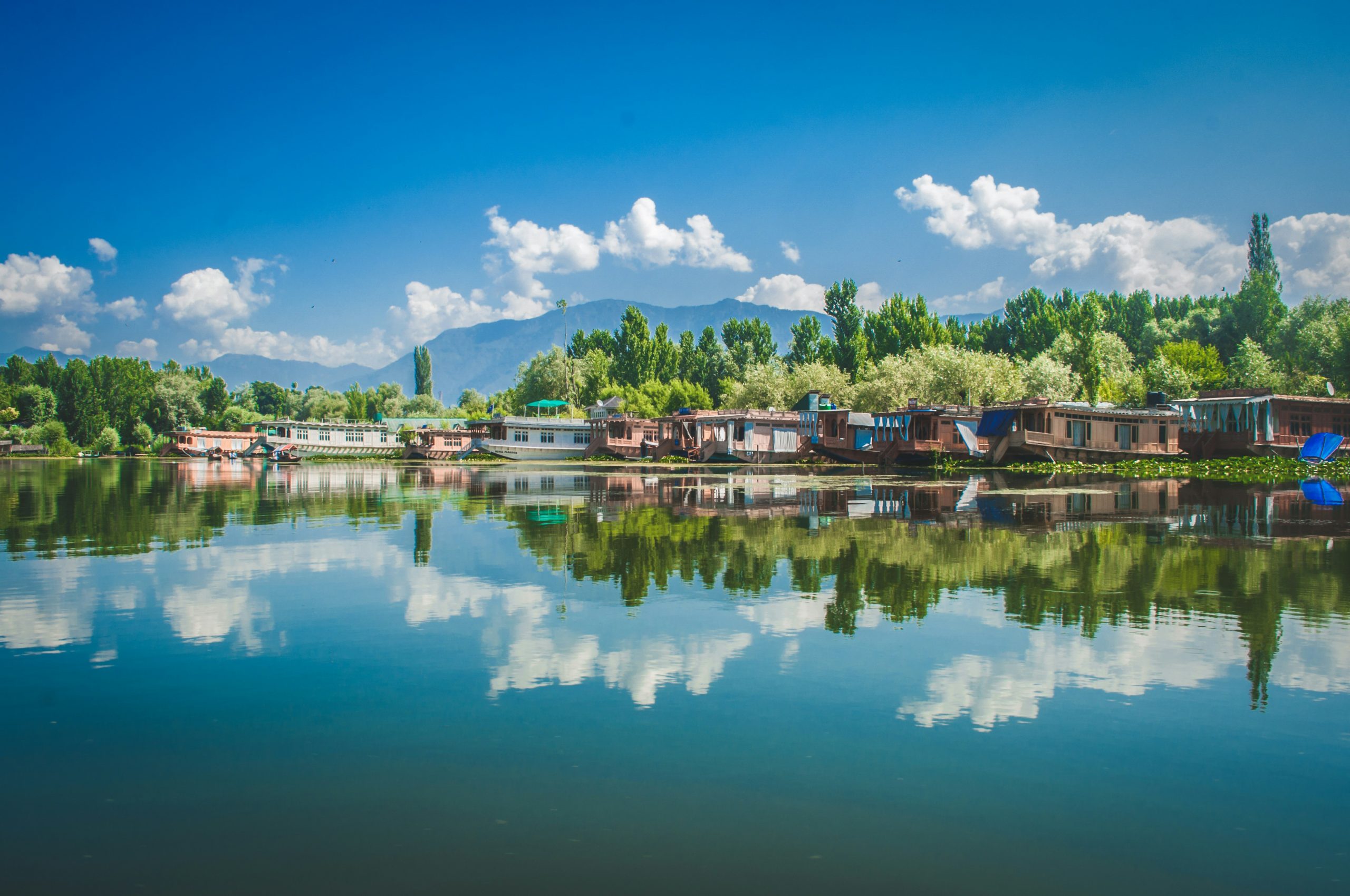
Imagine waking up to the gentle sound of Dal Lake brushing against the side of a traditional Kashmiri houseboat. The morning mist drifts past your window while you cradle your first cup of kahwa. Later, you might take a shikara ride and watch the world glide by. Maybe you’ll wander through the lush meadows of Baisaran Valley in Pahalgam or hop on the Gulmarg Gondola to reach the snowy heights of Apharwat Peak. And if you’re up for it, a trek to Thajiwas Glacier in Sonmarg opens up wide, breathtaking views of snow-covered mountains and green valleys. Kashmir just packs in so many moments you’ll remember.

If you’re after something deeper, try visiting during the Amarnath Yatra; the energy is truly something else. But even when there’s no big event happening, everyday life in Kashmir charms on its own: tasting Yakhni and Rogan Josh, picking out handwoven Pashmina shawls or walnut wood souvenirs in a local shop or maybe just letting the vibe of the place sink in a bit.

Kashmir offers a blend of romance, adventure, family time and culture. Newlyweds can get cosy on a houseboat, families enjoy picnics on riverbanks and friends nudge each other to try white-water rafting or skiing. At White Trails, we don’t give you a one-size-fits-all itinerary. Our Kashmir tour packages are built around what you love, how you like to travel and the pace you want to keep. 

Places to Visit

Kashmir draws all kinds of travellers. Some show up for the snow-capped mountains, some can’t get enough of the serene lakes and lush meadows, and plenty are here for the spiritual landmarks. There’s no shortage of things to do, and you can enjoy the highlights with Kashmir tour packages from White Trails.

Step into Srinagar, Kashmir’s beating heart. Dal Lake steals the show, stretching out against the Zabarwan Hills, dotted with those iconic houseboats everyone’s seen in the postcards. Right by the water, you’ll find the city’s famous Mughal gardens: Shalimar Bagh, Nishat Bagh and Chashma Shahi.

If you head a little higher, Pari Mahal sits on top of the Zabarwan Hills, a seven-terraced garden built by Mughal prince Dara Shikoh. Not far from there, the Hazratbal Shrine stands on the lake’s left bank.

During their Srinagar tour, nature lovers should check out the Botanical Garden, packed with ornamental plants, several types of oak and rare Kashmiri tropical species. 
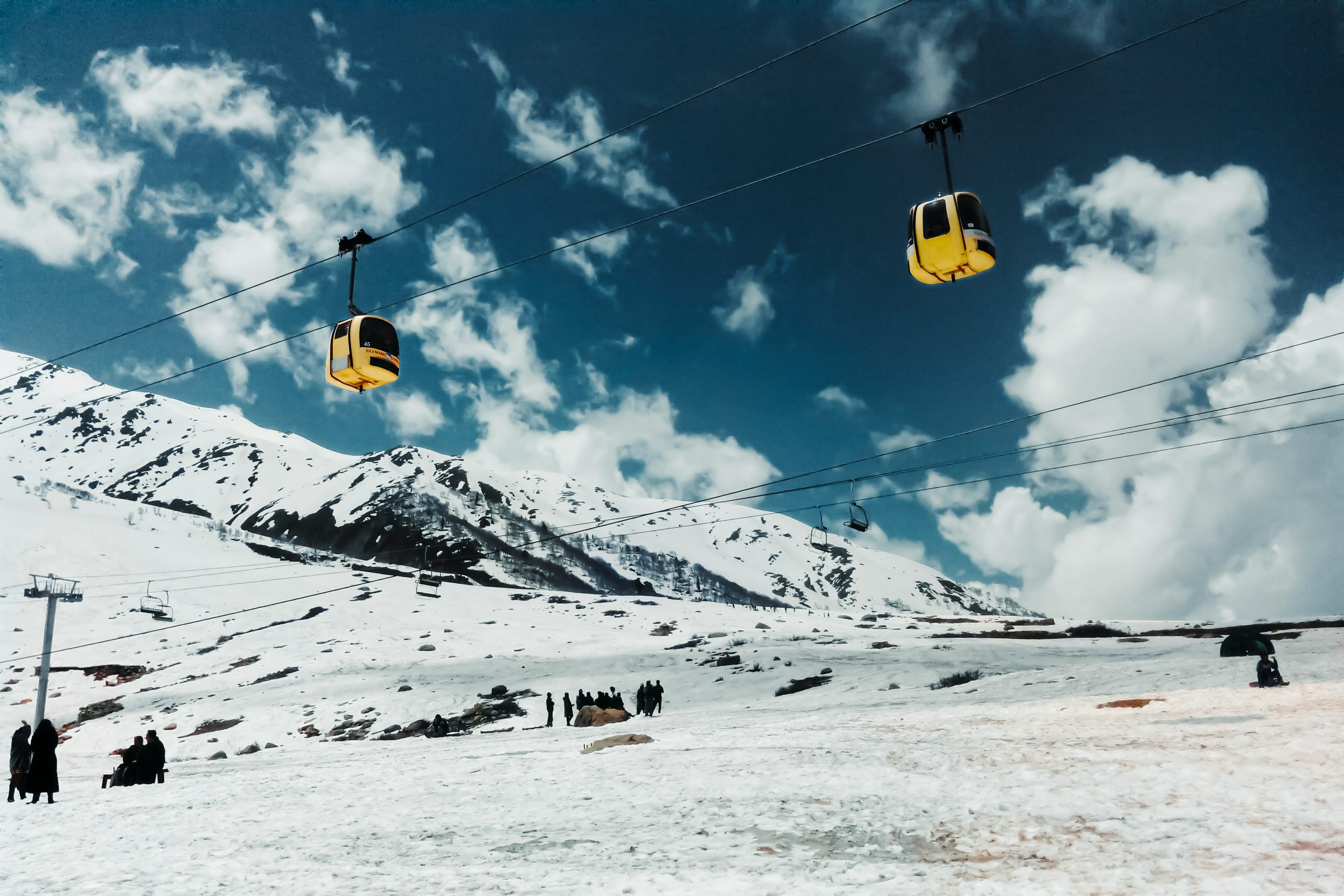
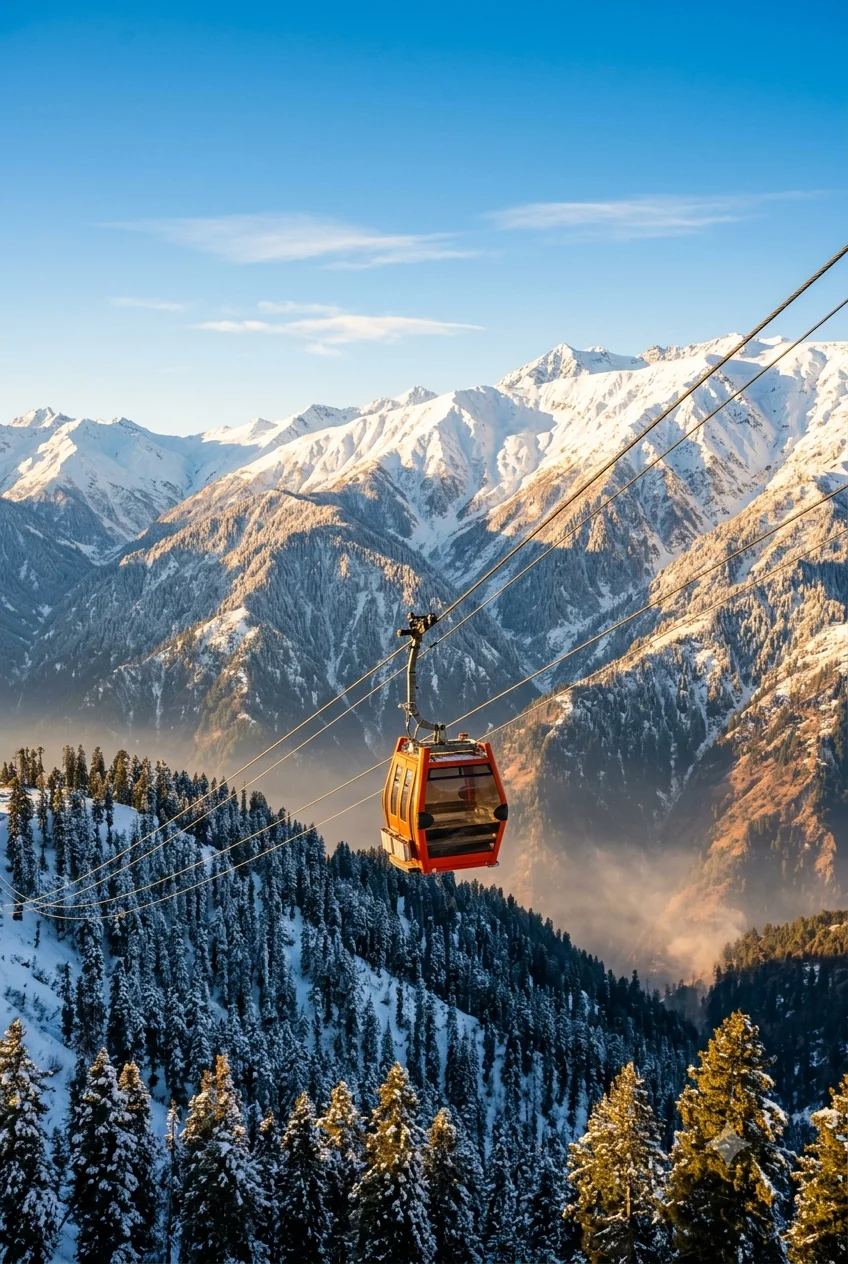
No matter when you visit Gulmarg, the mountain views are just breathtaking. The Gulmarg Gondola will take you up to Kongdori on phase one; it’s a beautiful, high-altitude spot with plenty to see. Head up to phase two, and you’ll reach Apharwat Peak. If you’re into adventure and want to get your heart racing, set out for Alpather Lake. Even in summer, big chunks of ice float on the water, and the hike is demanding but worth every step.

Over in Khilanmarg, spring and summer bring wildflowers and lush green meadows, while winter covers the landscape in snow for skiing and snowboarding. From April to September, explore Strawberry Valley, pick fresh strawberries or enjoy a sunny picnic.

In the colder months, many Gulmarg tour packages include horseback rides and guided treks through the snowy landscape. Don’t miss the Gulmarg Biosphere Reserve, where ancient conifers such as Abies pindrow and Cedrus deodara tower overhead. You may spot wildlife such as brown bears and leopards, along with birds including the European hoopoe and crimson tragopan.

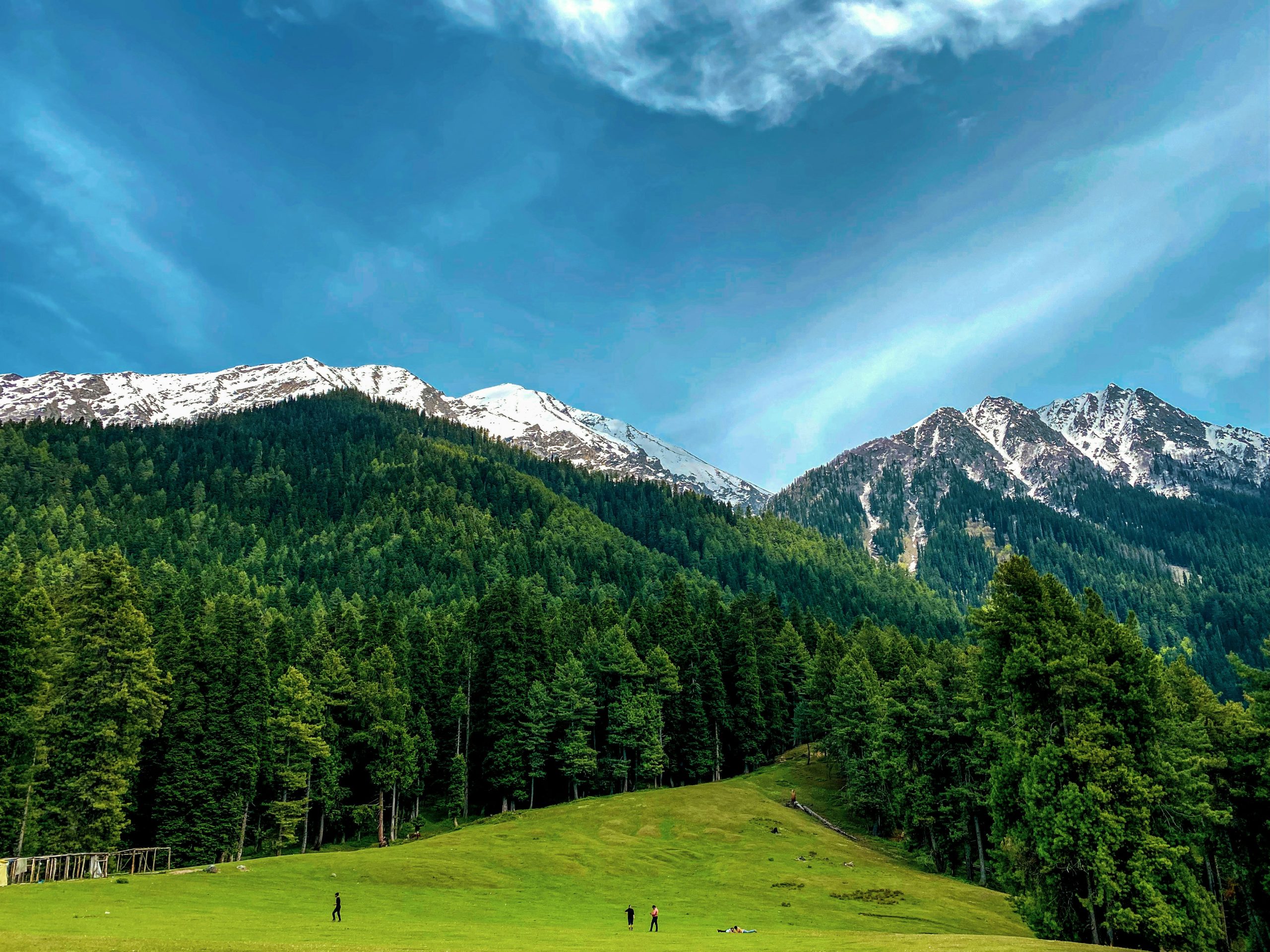
This part of the Kashmir trip is all about slowing down and soaking in the beauty. You’ve got alpine meadows, tall pine forests and the sparkling Lidder River. Betaab Valley and Aru Valley really steal the show during your Pahalgam tour. They’re peaceful, stunning and a hit with both couples and families. Then there’s Baisaran Hills, often called India’s Mini Switzerland. It sits surrounded by the Pir Panjal range and thick pine woods, so the meadow feels like it’s straight out of a picture postcard.

If you want something more adventurous, hit the alpine valley of Lidderwat; that’s where the trek to Sindh Valley kicks off. Chandanwari marks Amarnath Yatra’s starting point and treats you to some rugged mountain views. Families with kids can unwind at Lidder Amusement Park, while couples might prefer a stroll along the riverbanks. 

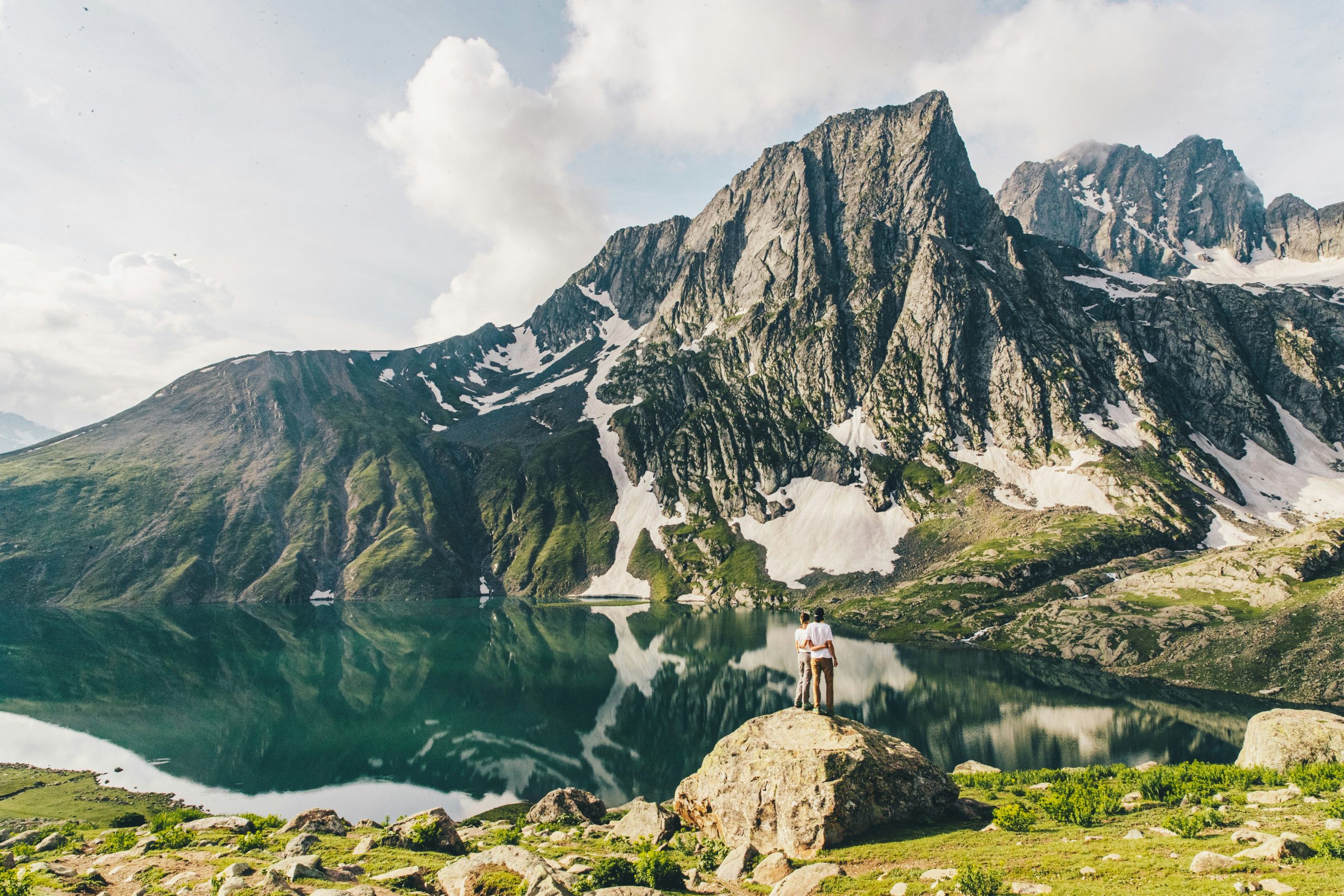
The “Meadow of Gold” is a place where glacier-fed rivers thread through alpine meadows, with the Himalayas towering all around. Thajiwas Glacier is the crown jewel here; it holds onto its snow even when summer rolls in. You can get there on foot or by pony, and the path cuts through pine forests and wildflower meadows, all with jaw-dropping mountain views.

If you’re feeling adventurous, Zoji La Pass is just 17 kilometres from Sonmarg. It connects Ladakh to Kashmir Valley and sits at 3,528 meters. The scenery is unreal, though the road itself is notorious; one of India’s most dangerous mountain passes. Baltal Valley is another beauty, famous for its Himalayan backdrop and for serving as the base camp for the faster Amarnath Yatra route. If you’re up for a weekend outing, Nilagrad is close by, a mountain river with reddish water that locals say heals aches and pains.

For those who love trekking, Sonmarg opens up routes to remote Himalayan lakes: Krishansar, Vishansar, Gadsar and Gangabal. Each one is tucked away in the wilderness, waiting for someone willing to make the journey.

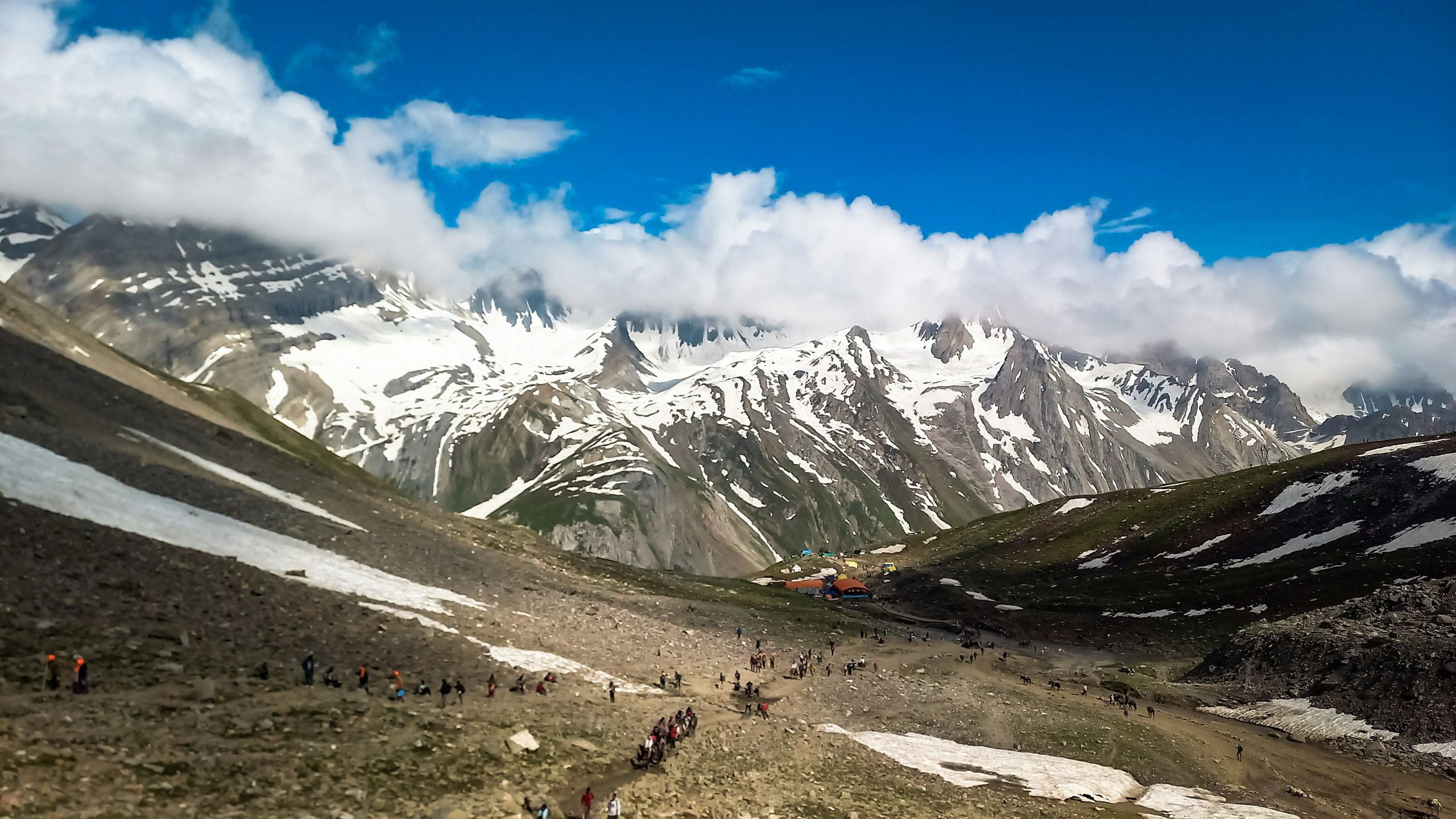
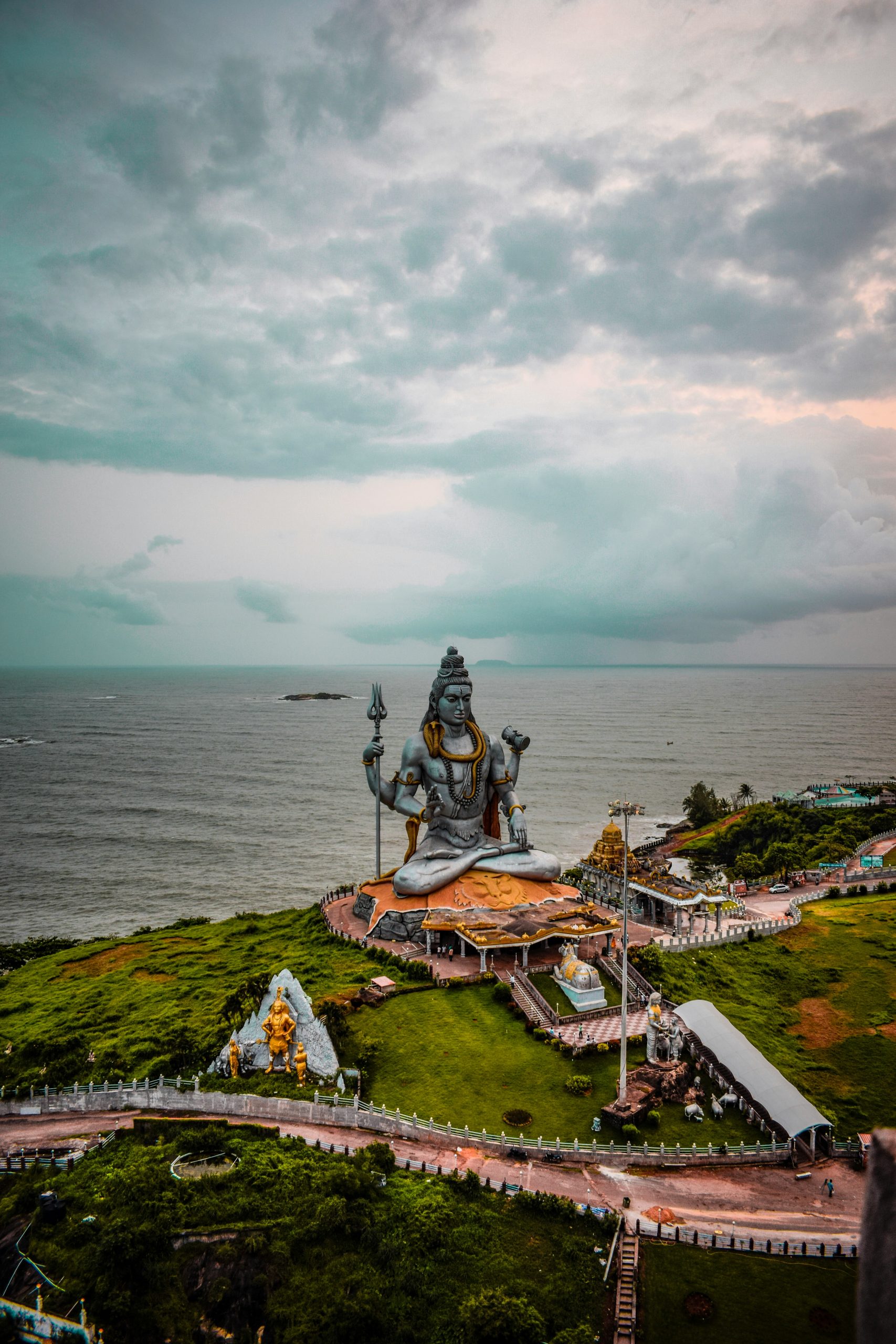
The Amarnath Cave Shrine sits way up at 12,756 feet and is one of the holiest places for Hindus. Every year, thousands of devotees take part in the Amarnath Yatra, making their way to the cave to see the ice Shivling, which devotees regard as a manifestation of Lord Shiva.

You’ve got two routes to choose from: the longer, traditional path through Pahalgam, passing Chandanwari, Sheshnag Lake and Panchtarni or the quicker Baltal route. Along both, you’ll find ponies and palkis if you need a lift.

Even if you aren’t religious, you’ll get to see some of Kashmir’s breathtaking scenery. We’re talking glaciers, wildflower meadows and mountains covered in snow; views that stick with you. Since the yatra happens only at certain times and requires advance registration, White Trails can slot it neatly into your Kashmir trip, handling all the nitty-gritty so you can enjoy the experience.

Best Time to Visit Kashmir

Kashmir feels different every few months. Each season offers a distinct experience. White Trails’ tailored Kashmir tour packages are designed around the time of year that best matches your interests, travel style and preferred pace.

Spring

March to May 3°C to 25°C

Pleasant weather, blooming flowers and clear sky

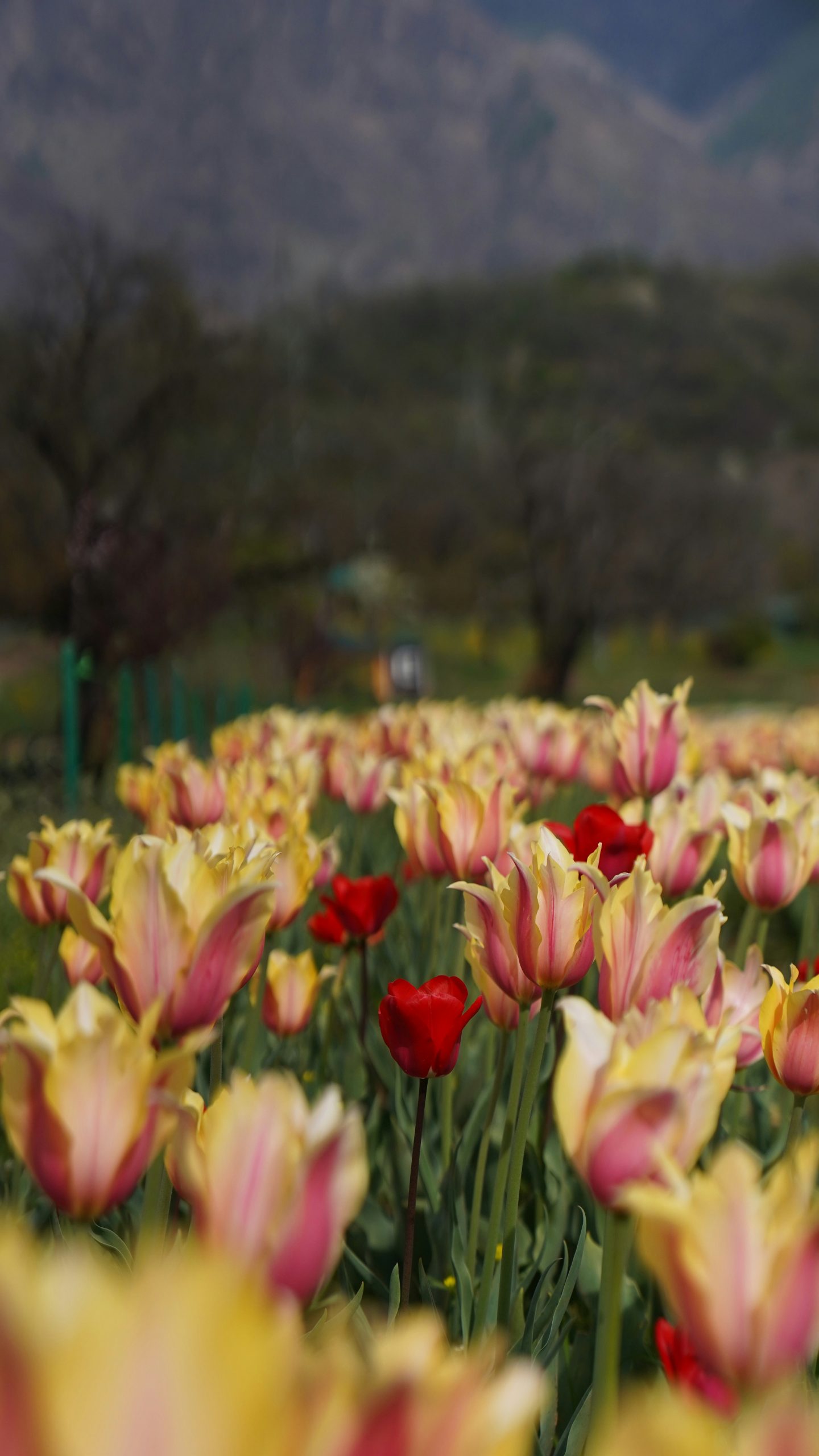
Spring is one of the most rewarding times to plan your Kashmir holiday. Almond blossoms appear in March, the Indira Gandhi Memorial Tulip Garden reaches peak bloom in April, and the Mughal Gardens burst into colour. Comfortable temperatures make it ideal for photography, sightseeing and leisurely walks through Srinagar, Gulmarg and Pahalgam.

Summer

June to August 15°C to 30°C

Warm, comfortable days with occasional rain

Summer in Kashmir is the peak travel season, offering pleasant weather when much of the rest of India struggles with intense heat. All major destinations, including Srinagar, Gulmarg, Pahalgam and Sonmarg, are easily accessible, making it the perfect time for family holidays, honeymoons and outdoor adventures. Since the annual Amarnath Yatra begins in late June or early July, many pilgrims visit Kashmir during the summer. July sees the highest number of visitors, while August offers fewer crowds and better value despite occasional rain.

Autumn

September to November 10°C to 25°C

Crisp, clear blue skies, cool breeze and colourful autumn foliage

Autumn transforms Kashmir into a landscape of gold, crimson and amber as the iconic Chinar trees change colour. Summer crowds vanish, and mornings and evenings grow colder. This is an excellent time to enjoy a relaxed and unhurried holiday. Go trekking during early autumn, visit apple orchards that come alive with the harvest or capture the beautiful sights as every winding road and mountain vista offers a picture-perfect view.

Winter

December to February -5°C to 7°C

Snowfall, sub-zero temperatures and winter sports season

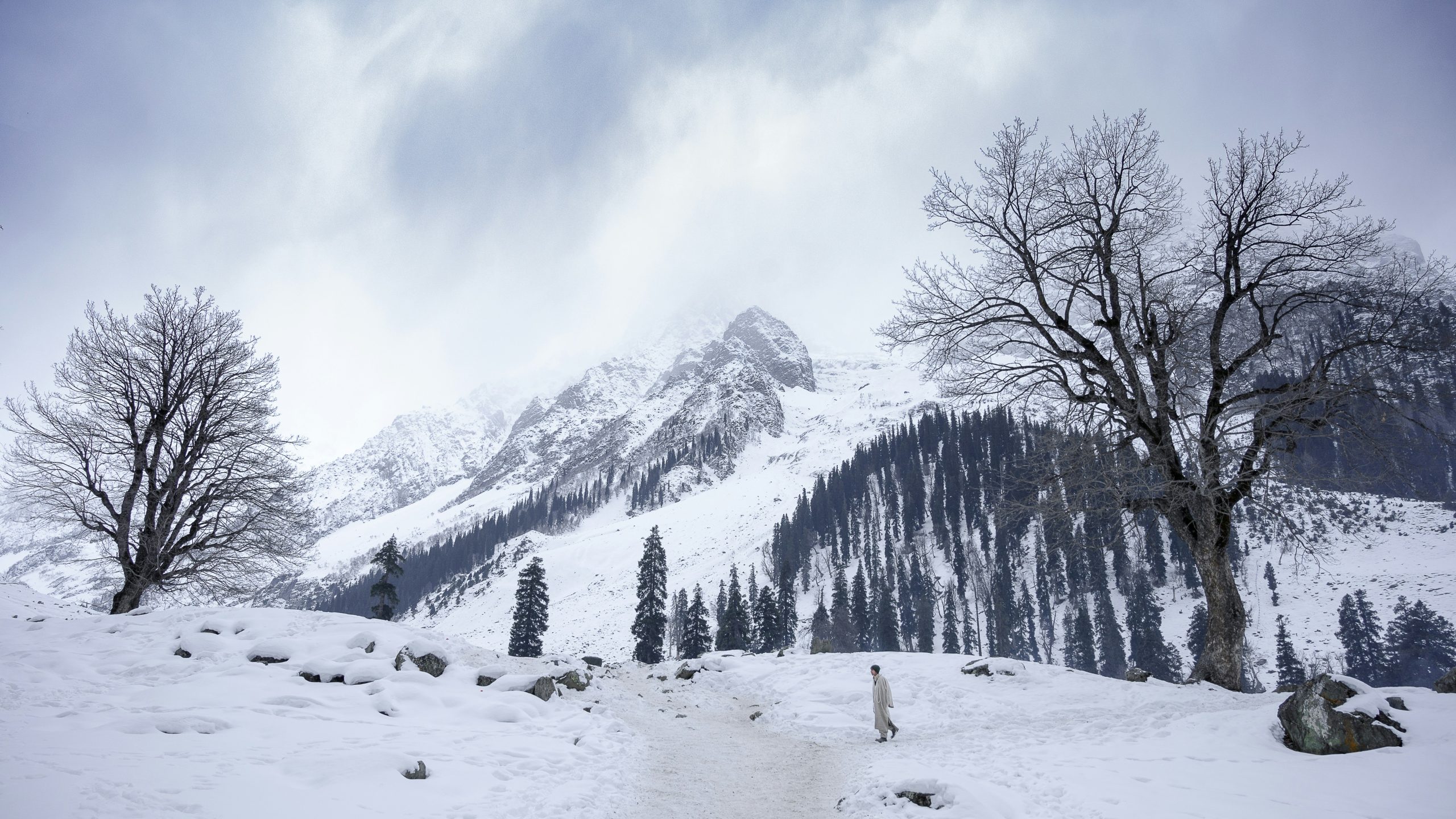
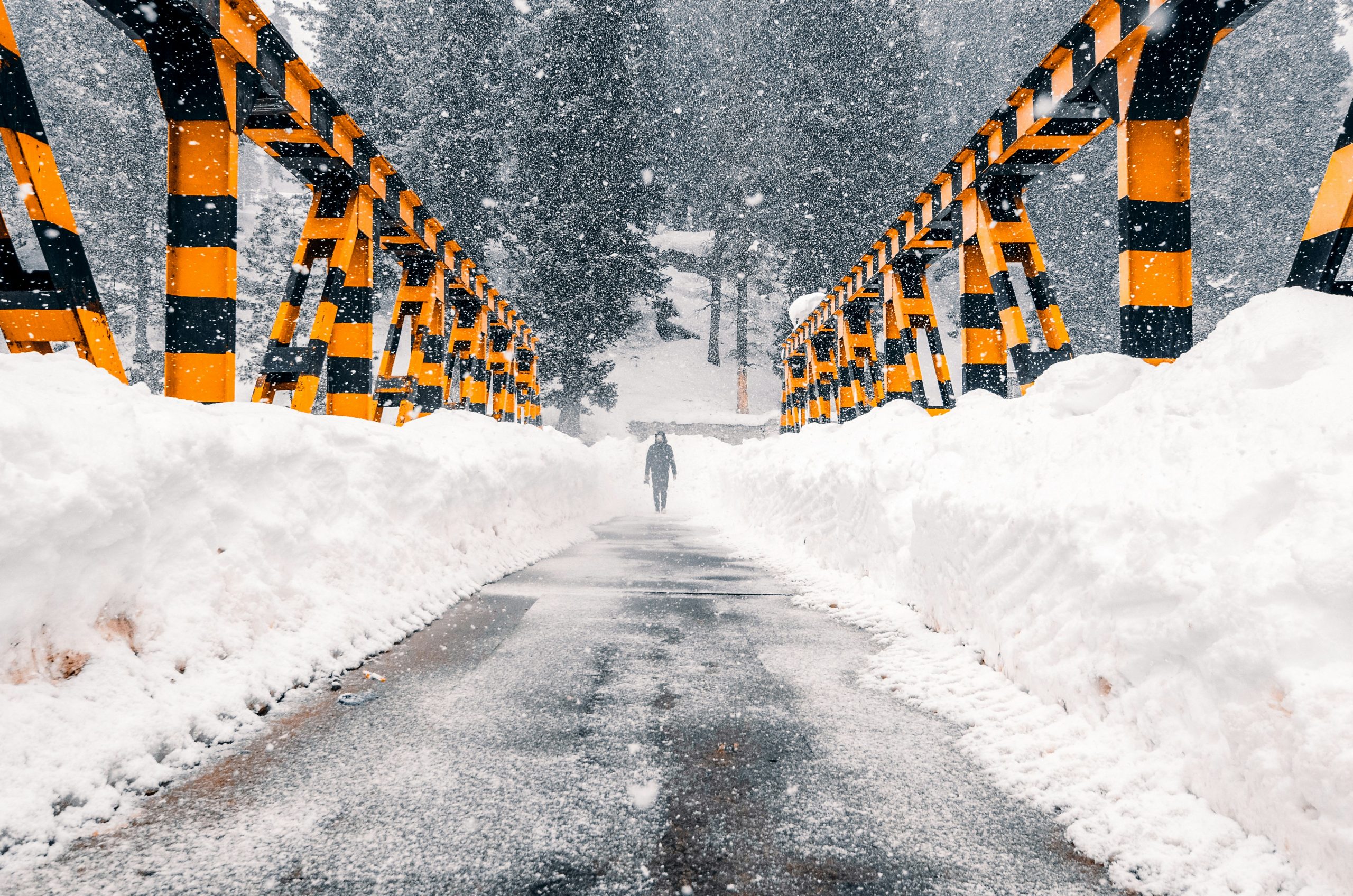
Kashmir turns into a snow-covered wonderland during winter. Gulmarg comes alive with skiing and snowboarding, while Srinagar’s houseboats with snow-dusted roofs are kept warm by bukharis (wood-burning stoves). Christmas, New Year and Valentine’s Day make this a popular season for couples. Families can enjoy several snow-filled adventures across the valley. Pack warm winter clothing and keep your itinerary flexible, as snowfall can affect road conditions and travel schedules. By planning your winter escape with White Trails, you can look forward to experiencing Kashmir’s magical, snowy landscape with comfort and ease.

Top Things to Do in Kashmir

Your Kashmir tour is much more than mere sightseeing. Whether you prefer adventures, romance, spirituality or just feel like relaxing by the natural beauty, the valley has something for you. White Trails’ Kashmir holiday packages pull all these highlights together, turning a simple trip into an adventure you’ll never forget.

Stay in a Traditional Houseboat

Spend a night or two on a classic houseboat out on Dal Lake. The intricately carved wooden interiors and warm Kashmiri hospitality create a wonderfully comfortable setting. Outside, the views stretch across the water towards the distant mountains, creating a cinematic backdrop that is hard to find elsewhere. It’s perfect for couples or anyone wanting something a relaxed stay with a unique touch.

Stay in a Traditional Houseboat

Ride the Gulmarg Gondola

Hop on the Gulmarg Gondola, one of the highest cable cars in the world, and let it carry you almost to the clouds, toward Apharwat Peak. You get a front-row seat to Kashmir’s dramatic scenery, with rolling green meadows in the summer and snow-blanketed slopes in winter. Explore more of the state’s most romantic experiences with specially curated Kashmir holiday packages from White Trails.

Ride the Gulmarg Gondola

Discover Kashmir’s Alpine Trails

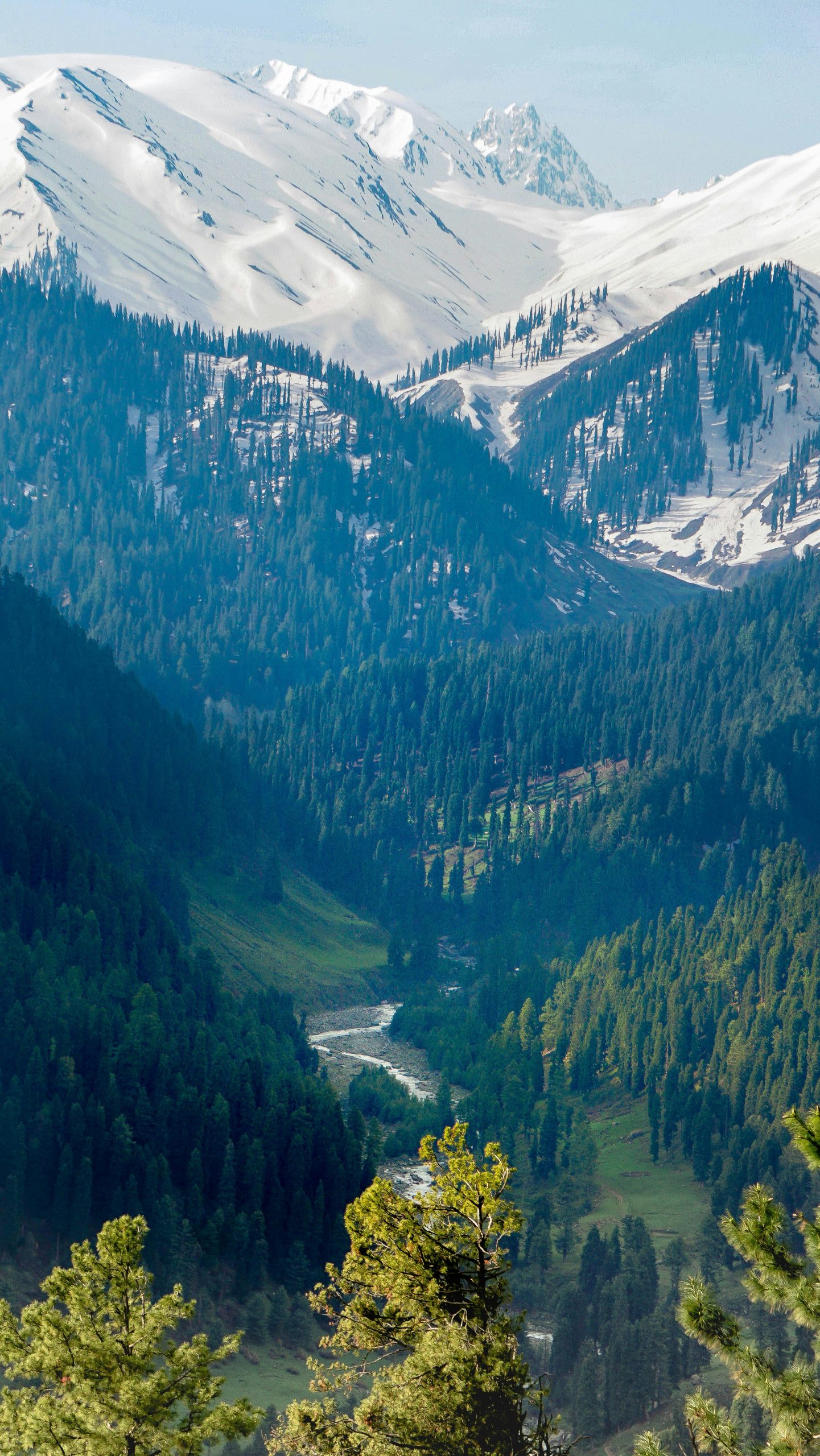
Walking in Kashmir has its own kind of magic. Take it easy in Baisaran Valley, check out the scenic routes around Sonmarg or go all-in with a tough trek to high-altitude lakes like Tulian and Vishansar. Every trail turns up fresh views, from dense forests and fast rivers to wildflower meadows and the snow-streaked Himalayas. If you’re heading up high, take time to acclimatsze and bring an experienced Kashmir travel guide who knows the terrain.

Discover Kashmir’s Alpine Trails

Visit Kashmir’s Fruit Orchards and Tulips

Kashmir’s valleys burst with orchards of apples, walnuts, almonds, apricots, plums and seasonal persimmons, with each harvest bringing its own rhythm to local life. Walk through these orchards, meet local growers and bite into fruits you’ve picked yourself. If you show up in spring, you’ll catch the tulip garden in full bloom with millions of flowers set against the Zabarwan Hills, which make it nothing short of a photographer’s dream.

Visit Kashmir’s Fruit Orchards and Tulips

Take the Amarnath Yatra

For many travellers, the annual Amarnath Yatra is the spiritual highlight of a Kashmir holiday. The trek is part pilgrimage, part wild mountain adventure, testing you rigorously but rewarding you with jaw-dropping views. And maybe, you get a little clarity about life and yourself along the way. For experiences like the Amarnath Yatra, White Trails offers curated Kashmir tour packages to help you discover India’s northernmost state.

Take the Amarnath Yatra

Discover Kashmir's Local Culture

Kashmir’s natural beauty may draw travellers in, but it’s the region’s traditions, food, festivals and craftsmanship that really make an impression. During your Kashmir tour, try centuries-old recipes, browse local handicrafts, and if you’re lucky, catch a festival or two to get a peek into the region’s culture and traditions.
Food

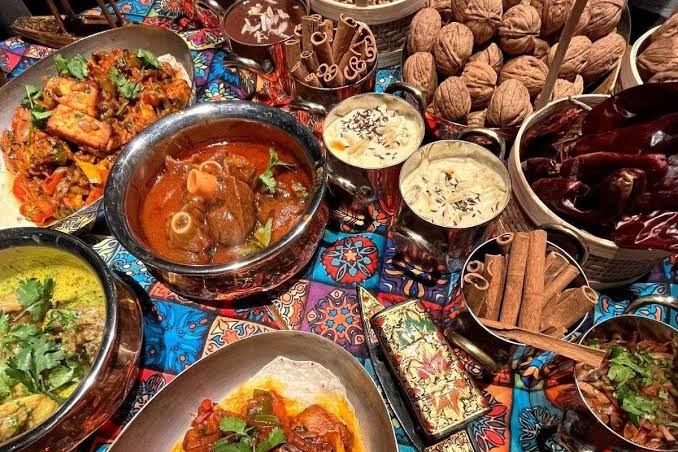
Kashmiri cuisine is bold, aromatic and best of all, memorable. Dishes like Rogan Josh, Yakhni, Dum Aloo and Gushtaba are local favourites and pair nicely with a cup of traditional kahwa or noon chai, unique to this region and known for its rosy glow. If you can, attend the Wazwan feast, which is the region’s ultimate culinary experience.

Festivals

From nature festivals and harvest celebrations to unique traditions, there’s a lot to pick from. Time your trip right, and you could hit the Srinagar Tulip Festival in spring, Gulmarg’s Winter Festival in January, Pahalgam Festival in May or Pampore’s Saffron Festival in autumn. Don’t miss the big pilgrimages, like Amarnath Yatra and Kheer Bhawani Mela, that bring people from distant lands together every year.

Shopping

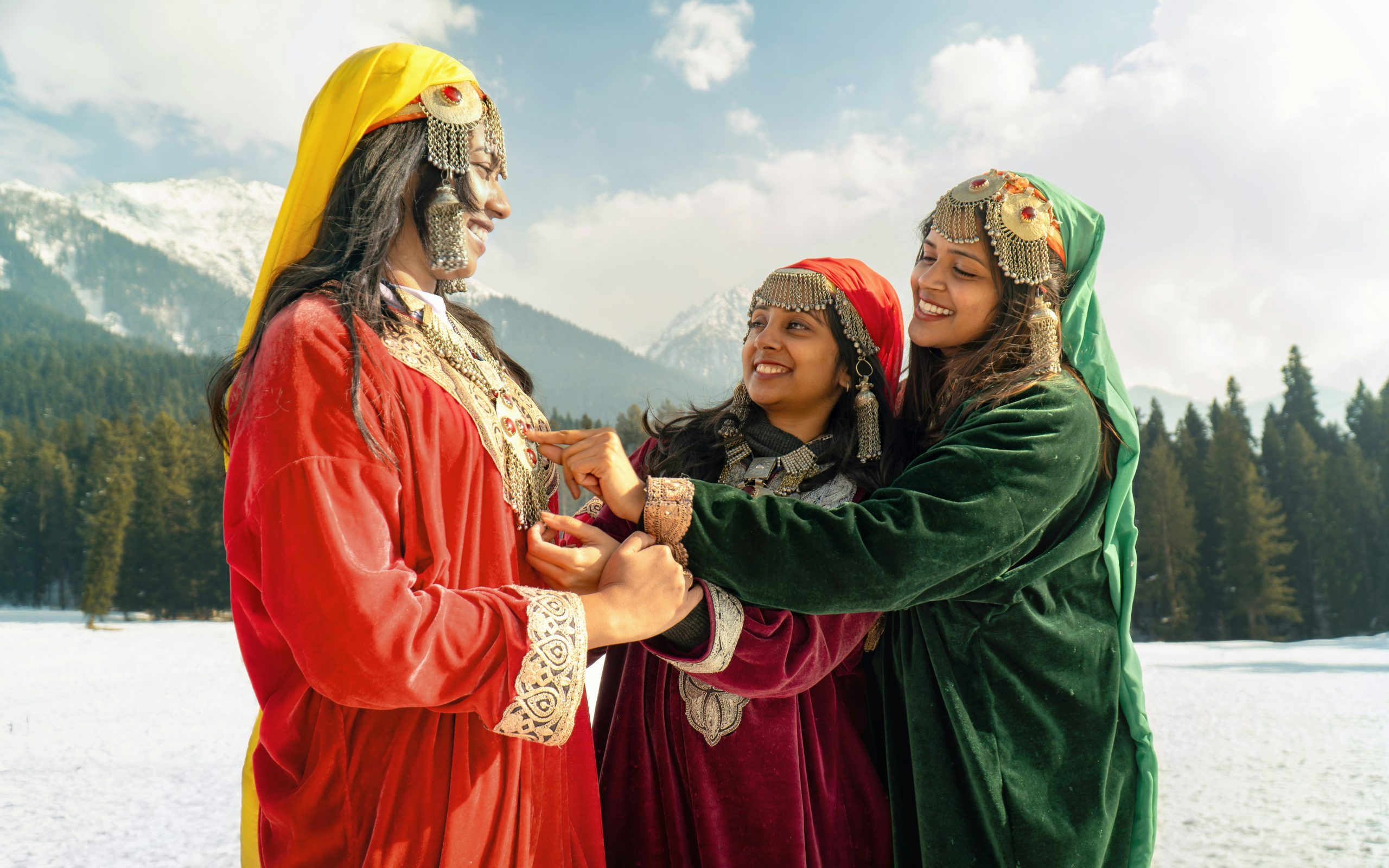
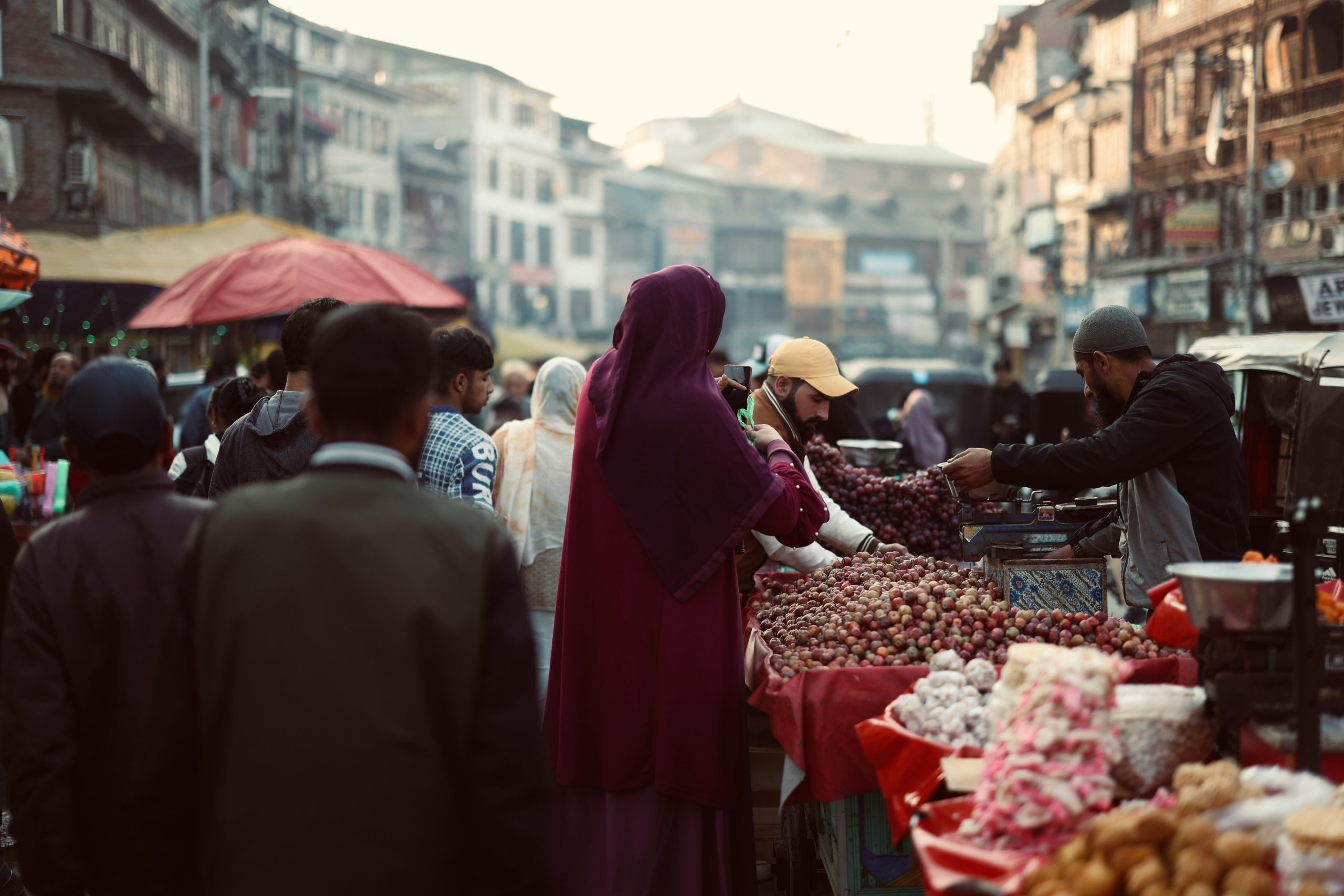
If you plan to bring back just one thing from Kashmir, make it something special. Pick what the region is celebrated for, like a pashmina shawl, an embroidered pheran or one of those stunning hand-knotted carpets. Look for walnut wood carvings, papier-mâché crafts and woven silk. And don’t forget to stock up on saffron, kahwa tea and local dry fruits.

Things To Know Before Visiting Kashmir

If you really want your Kashmir trip to go smoothly, it pays to plan ahead, especially if you’re aiming for higher altitudes or you want to join the Amarnath Yatra. With White Trails’ custom-made Kashmir tour packages, all the details are handled by an experienced team so you can just focus on having a good time.

Carry a government-issued photo ID on you at all times. Hotels and security checkpoints might ask for it. If you’re taking the Amarnath Yatra, you’ll need to register in advance. That means getting a Compulsory Health Certificate (CHC) from a doctor who’s authorised to give this certificate in the prescribed format. 

The Indian Rupee (INR) is the official currency. Keep these tips in mind:

  • Credit and debit cards work in most hotels, big restaurants and major retail stores. 
  • You can also make digital payments through the Unified Payments Interface (UPI) using apps that support UPI transactions. 
  • Carry some cash for purchases in local markets and shops, pony rides and purchases in remote areas where digital payment options may not be available. 
  • ATMs are easily accessible in Srinagar and other major towns but may be limited in other destinations.  

Private cabs make everything easier, especially if you want to see Srinagar, Gulmarg, Pahalgam and Sonmarg without hassle. You’ll find shared taxis and local buses connecting most towns, but for a more relaxed experience, it’s better to book transfers ahead rather than at the last minute.

The weather in Kashmir can change drastically based on where you go and when. Here’s a quick Kashmir packing checklist to help you prepare for your trip: 

  • Layered clothing, as temperatures can swing up and down.
  • In winter, bring warm jackets, thermals, woollen caps and gloves. 
  • Good walking and trekking shoes with a solid grip.
  • Sunglasses, sunscreen and lip balm, especially up in the mountains. 
  • Any prescription medicines you need, plus a basic first-aid kit.
  • A valid government-issued photo ID.
  • Rain gear if you’re heading over in summer.

People in Kashmir are friendly. Learning a few local words like Namaskar/Aadab (for greetings), Shukriya (for thank you) and Teuh chiv varai? (for How are you?) makes it easier to ask for help or strike up a conversation with locals. Just remember these key things: 

  • Dress modestly, especially if you’re visiting shrines and religious sites.
  • Take off your shoes before you enter places of worship, where required.
  • Always ask before photographing local people.
  • Respect local customs and strictly avoid leaving litter in natural and protected areas.
  • Follow safety instructions from local authorities and listen to your Kashmir travel guide, especially during the Amarnath Yatra and when hiking or trekking in the high mountains.  

Staying connected during your Kashmir holiday is generally easy.

  • Mobile connectivity is reliable in Srinagar and most major tourist destinations.
  • Network coverage may get patchy out in the mountains.
  • Many hotels, houseboats and cafes offer complimentary Wi-Fi, but don’t expect lightning-fast speed everywhere. 
  • Download offline maps and keep all your important travel documents handy before travelling to remote regions with limited connectivity.  

FAQs

Quick answers to the most common queries about travelling in Kashmir.

Plan to spend about 6 to 8 days in Kashmir if you want to see the highlights: Srinagar, Gulmarg, Pahalgam and Sonmarg. If you’re going for the Amarnath Yatra, add a few extra days. With White Trails’ Kashmir holiday packages, you can tweak every detail of your holiday package, so you’re never stuck with a rigid schedule. Tour at your own pace.

Definitely. Kashmir hits the sweet spot for couples and families: think romance, adventure, incredible scenery and plenty of ways to unwind. Maybe you want houseboat stays, shikara rides, nature walks or an immersive cultural experience. White Trails tailors all Kashmir tour packages so they fit exactly what you want.

Yes, Kashmir works great for all ages. Whole families can enjoy shikara rides, stay overnight on houseboats, go for pony rides, take in the mountain scenery or just relax and take it slow. Senior travellers can count on comfortable routes and enough downtime. White Trails makes sure all Kashmir tour packages match your group’s pace and interests, so everyone, from kids to grandparents, can soak in the valley with ease.

Don’t leave it till the last minute. Aim to start planning two to four months ahead, especially if you’re thinking of coming during the peak summer season, in winter or for the Amarnath Yatra. Booking early means better flight choices, the best hotels and more time to shape that perfect itinerary with White Trails.

It really depends on what you want. Spring (March to May) is about tulips and fresh mountain air. Come in summer (June to August) for easy sightseeing. Autumn (September to November) has golden Chinar trees and the apple harvest. Winter (December to February) is all about snow, skiing and snug houseboats. Planning your Kashmir tour packages with White Trails means you get everything, from the right season to the smoothest local transport, sorted ahead of time.