Overview

Picture a pre-dawn climb up Mount Batur, the sky shifting from ink to marigold as you make your way up in the cool mountain air. At the top, you tuck into eggs steamed by the volcano’s own heat as the sun rises over the island. Come evening, you’re perched on the cliffs of Uluwatu, watching the sun slip into the Indian Ocean while a Kecak chant rises from the amphitheatre below. It’s the kind of day that stays with you, and a big part of why places to visit in Bali keep catching the eye of Indian travellers.

Bali’s appeal goes well beyond its beaches. In the villages, you’ll see locals placing small offerings outside their homes and temples, while the island’s coast offers plenty of room for lazy afternoons by the sea. It’s a good fit for honeymooners looking for time together and families who want a holiday with a little bit of everything.

White Trails’ Bali packages from India can include the places and experiences that matter most to you, whether you want to visit a water temple or spend an afternoon on the beach. This Bali travel guide covers the places to visit, when to travel and what to know before you fly.

Places to Visit

A few days in Bali can look very different depending on where you stay. You might spend the morning browsing Ubud’s art shops, take a boat to a nearby island or watch the Kecak dance at Uluwatu Temple after sunset. Just keep travel time in mind when planning your days. Even a 30 km drive can take close to two hours in traffic, so it’s worth exploring one part of Bali at a time.

In Ubud, mornings begin with mist over the rice fields and the scent of incense drifting from temple courtyards. Take the Campuhan Ridge Walk while the air is still cool, then wander through town, where the art market is full of woven baskets, wooden carvings and other handmade finds. The Sacred Monkey Forest Sanctuary brings you face to face with long-tailed macaques among ancient temples, while the Tegallalang rice terraces make a lovely half-day trip. Give yourself three nights in Ubud to explore its temples and surrounding countryside without cramming everything into one day.

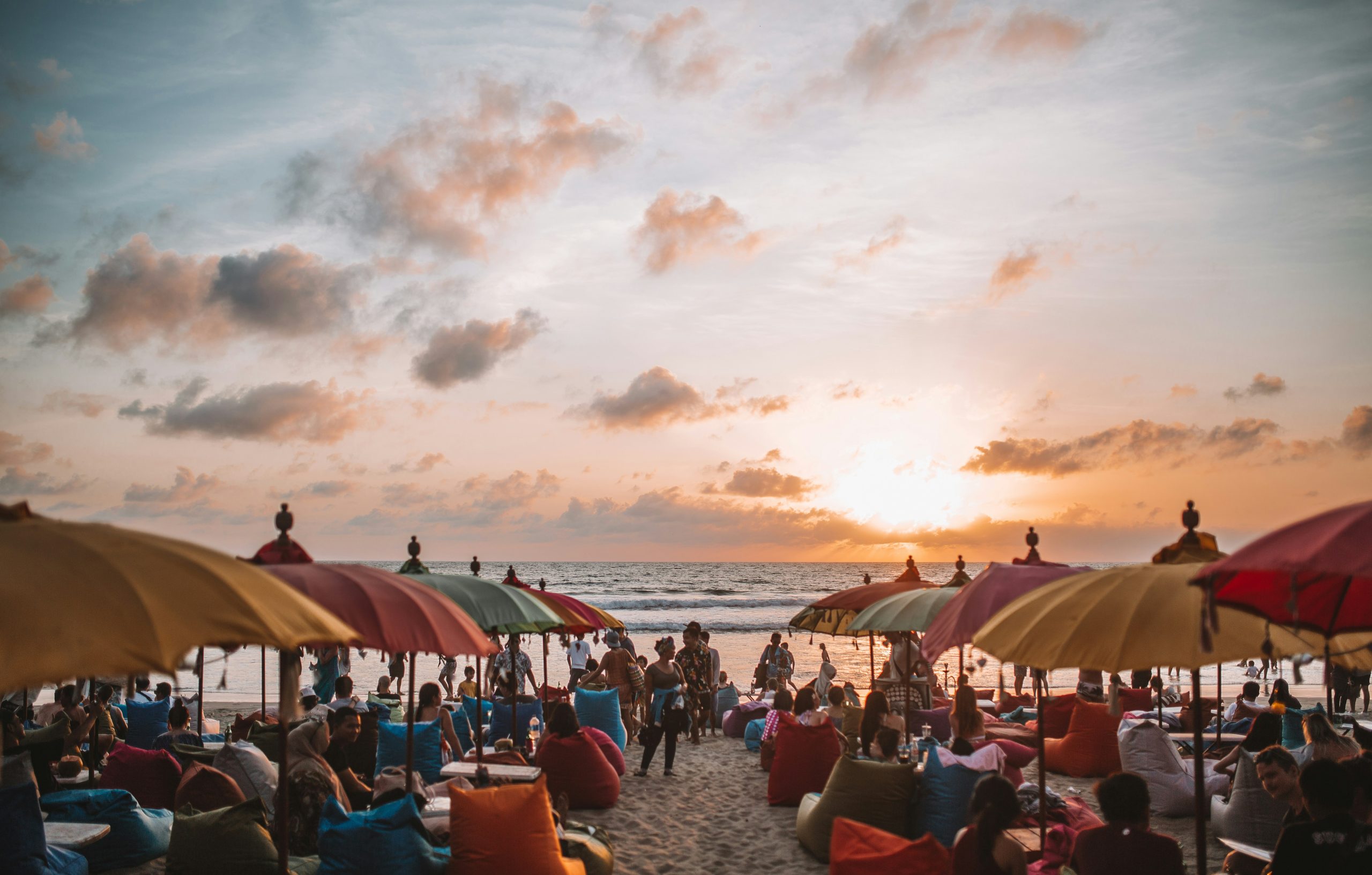
In Seminyak, afternoons are made for browsing little boutiques along Jalan Kayu Aya, pausing for a long lunch and wandering towards the beach as the sky turns gold. Find a spot on the sand, order something cold and watch the sunset while music drifts over from the beach clubs. Later, the streets stay busy with dinner plans and late-night drinks. It’s easy to lose track of time here. If you swim, stay between the lifeguard flags, as currents can be strong.

At Kuta, you can spend the morning trying to stand up on a surfboard, with an instructor nearby to help you catch a wave. When you’ve had enough of the sea and sand, head to Waterbom Bali for a thrilling afternoon on the slides. Come back to the beach in time for sunset, when the sky turns orange, and everyone seems to drift towards the shore. Two nights are usually enough to explore Kuta before you move on to the next destination.

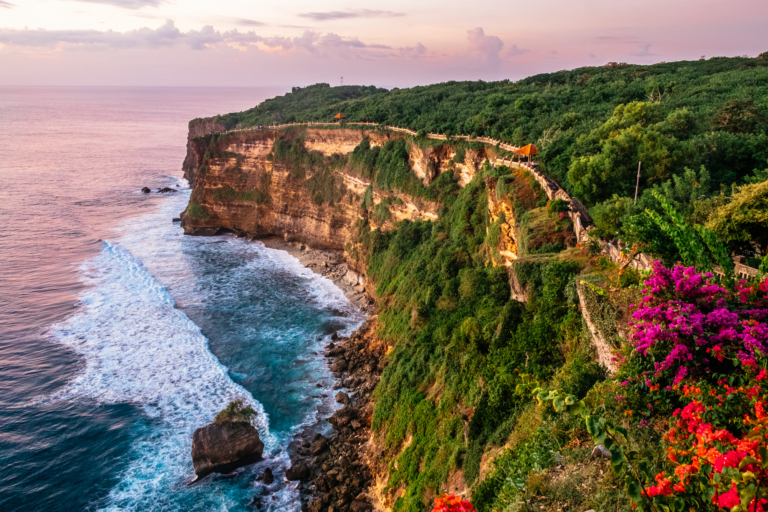
The cliffs around Uluwatu are a favourite with surfers, who paddle out early to catch the day’s first waves at Padang Padang and Bingin. Up at Uluwatu Temple, the ocean stretches out beneath the 70-metre-high cliff, while cheeky macaques keep an eye out for anything they can snatch. Stay for the evening Kecak performance, where a chorus of voices fills the air as the sun goes down. Two nights give you time to explore the peninsula at an easy pace.

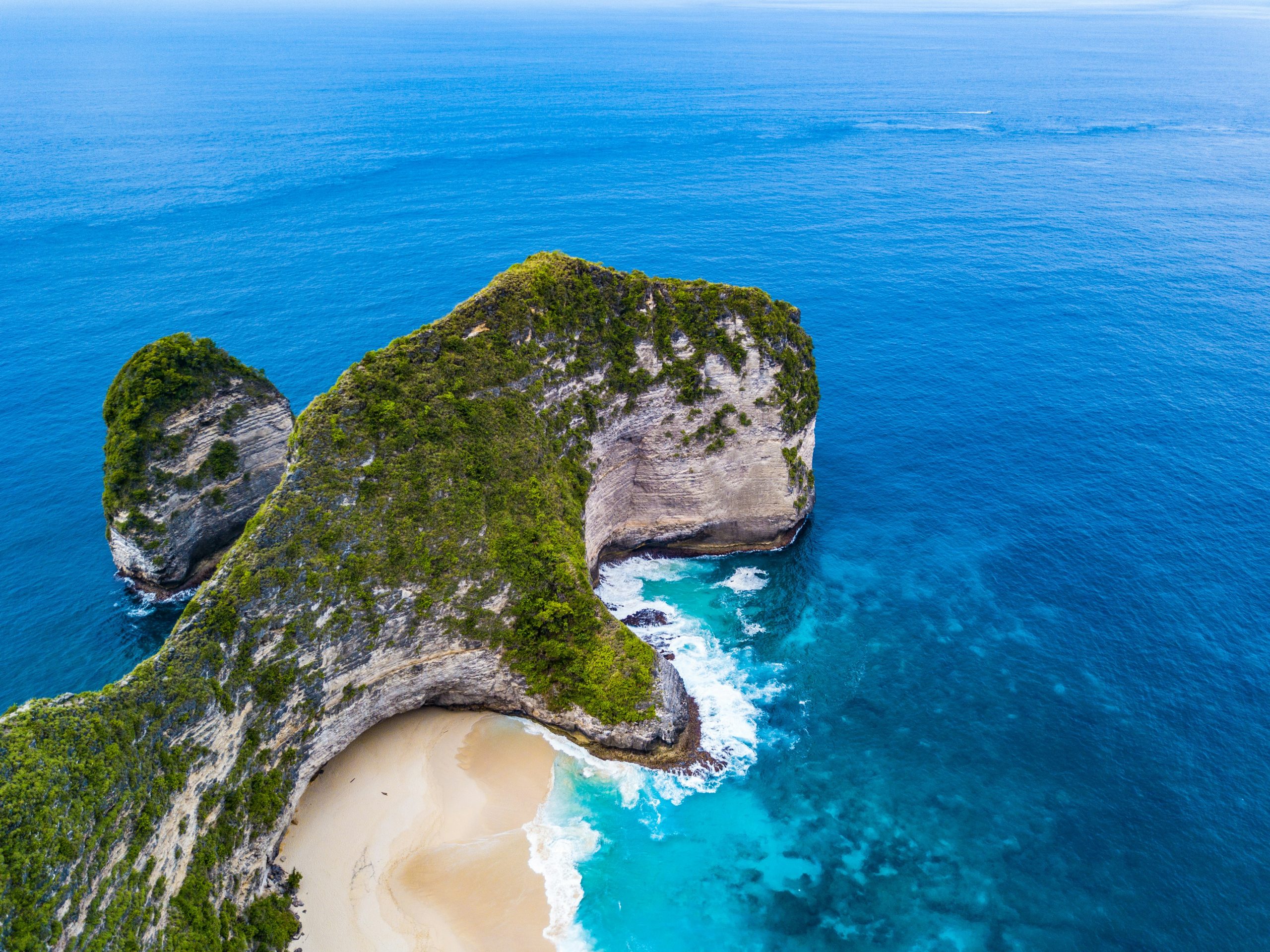
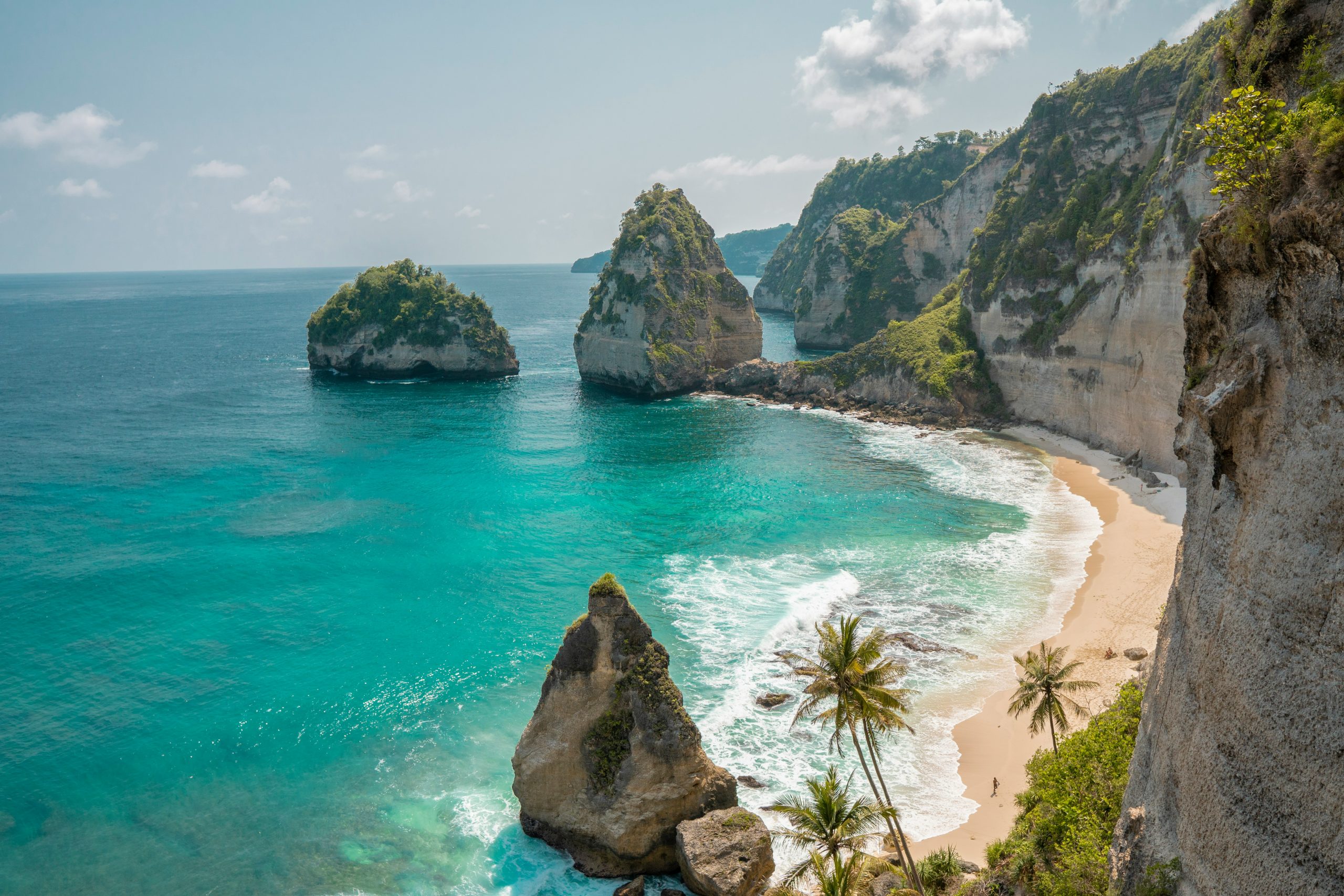
A 30 to 45-minute fast-boat ride from Sanur, on Bali’s southeast coast, brings you to Nusa Penida, where steep cliffs drop into bright blue water. The island’s west coast is home to Kelingking Beach, whose T-rex-shaped headland has become a famous sight, and Broken Beach, where a natural arch frames a sheltered cove. At nearby Angel’s Billabong, the rocks form a natural pool beside the sea. The roads can be winding and even rough, so hiring a local driver makes getting around easier. Set aside a full day for the west coast, or stay overnight to see more.

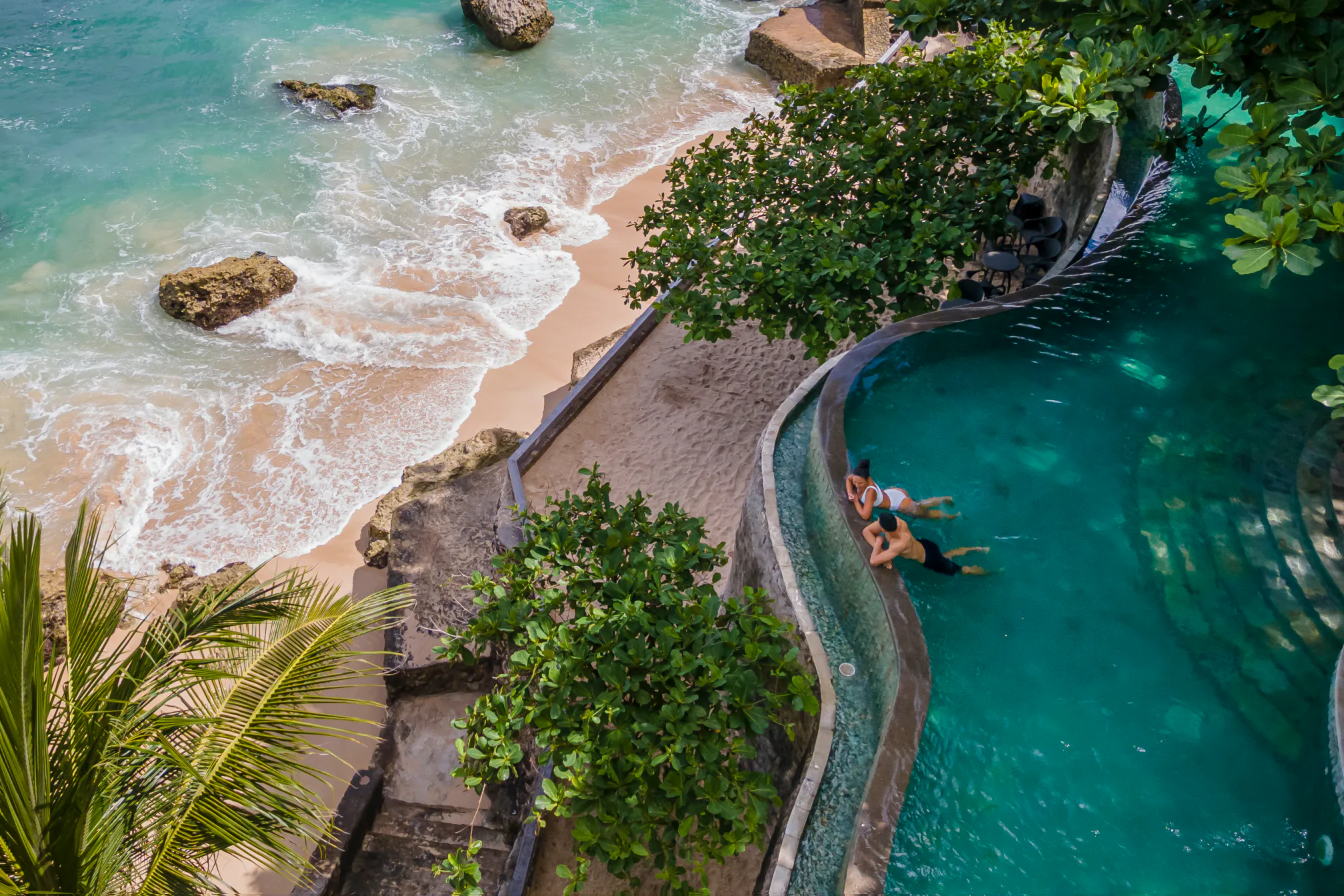
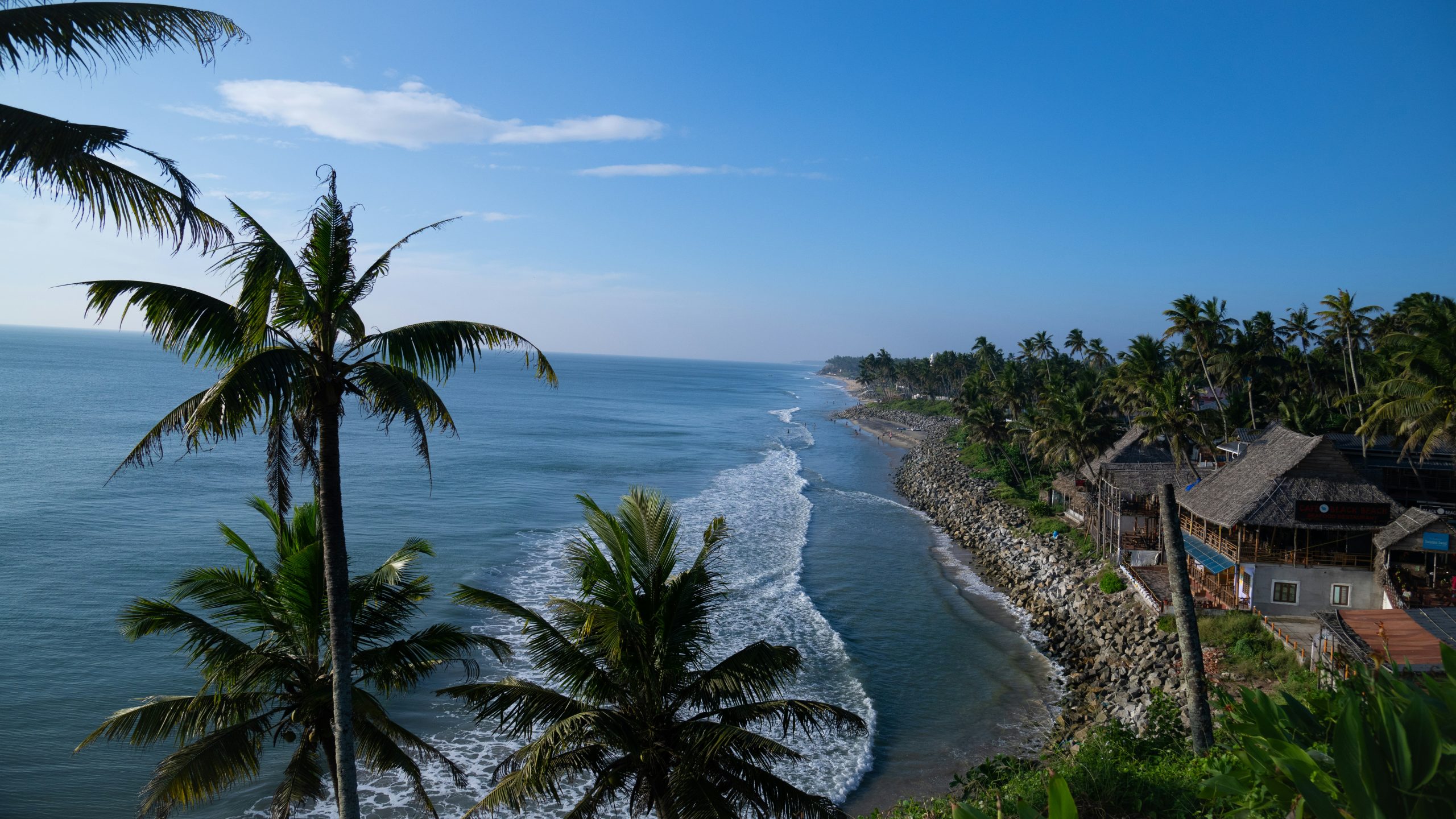
Sanur still has the feel of a fishing village, with boats pulled up on the sand and small cafés serving breakfast by the beach. Come in the early evening, when the waterfront fills with people out for a walk, and the light turns golden over the sea. The reef shelters parts of the coast, but check local conditions before swimming. Nusa Dua is better known for its luxury resorts, manicured gardens and private beach areas. Bali holiday packages can include either spot, depending on whether you’d rather stay close to local life or spend your days by the resort pool and beach.

Canggu is the sort of place where you might head out for a surf at Echo Beach, rinse off the salt, and spend the rest of the morning over coffee at a nearby café. The black sand gives the shoreline a different look from Bali’s paler beaches, while the streets inland are full of brunch spots, surf shops and places to linger into the evening. It suits travellers who like a casual, social scene and don’t mind a little bustle. Spend two or three nights in Canggu if you want time for the beach and lively evenings without any rush.

When southern Bali starts feeling too hot or cramped, Munduk can offer a cooler change of scenery. Around Munduk, the road winds past coffee plantations and little villages, with the sound of Gitgit Waterfall waiting somewhere among the trees. Stop at Danau Buyan for a walk by the water, where the hills rise around the lake, and the pace feels a world away from southern Bali. Boat trips head out early in the morning to look for dolphins, so be prepared for an early start. The drive from southern Bali can take a few hours, so it’s worth staying overnight rather than spending most of the day getting there and back.

Bali’s temples are worth a visit for their settings as much as their history. Some sit on rocky outcrops by the sea, while others are tucked into the hills or surrounded by forest. Here are a few to add to your itinerary. 

  • Tanah Lot (Tabanan): set on a rocky outcrop just offshore, this sea temple is especially beautiful at sunset. At high tide, the water cuts off the base from the shore, and the inner shrine is reserved for worshippers.

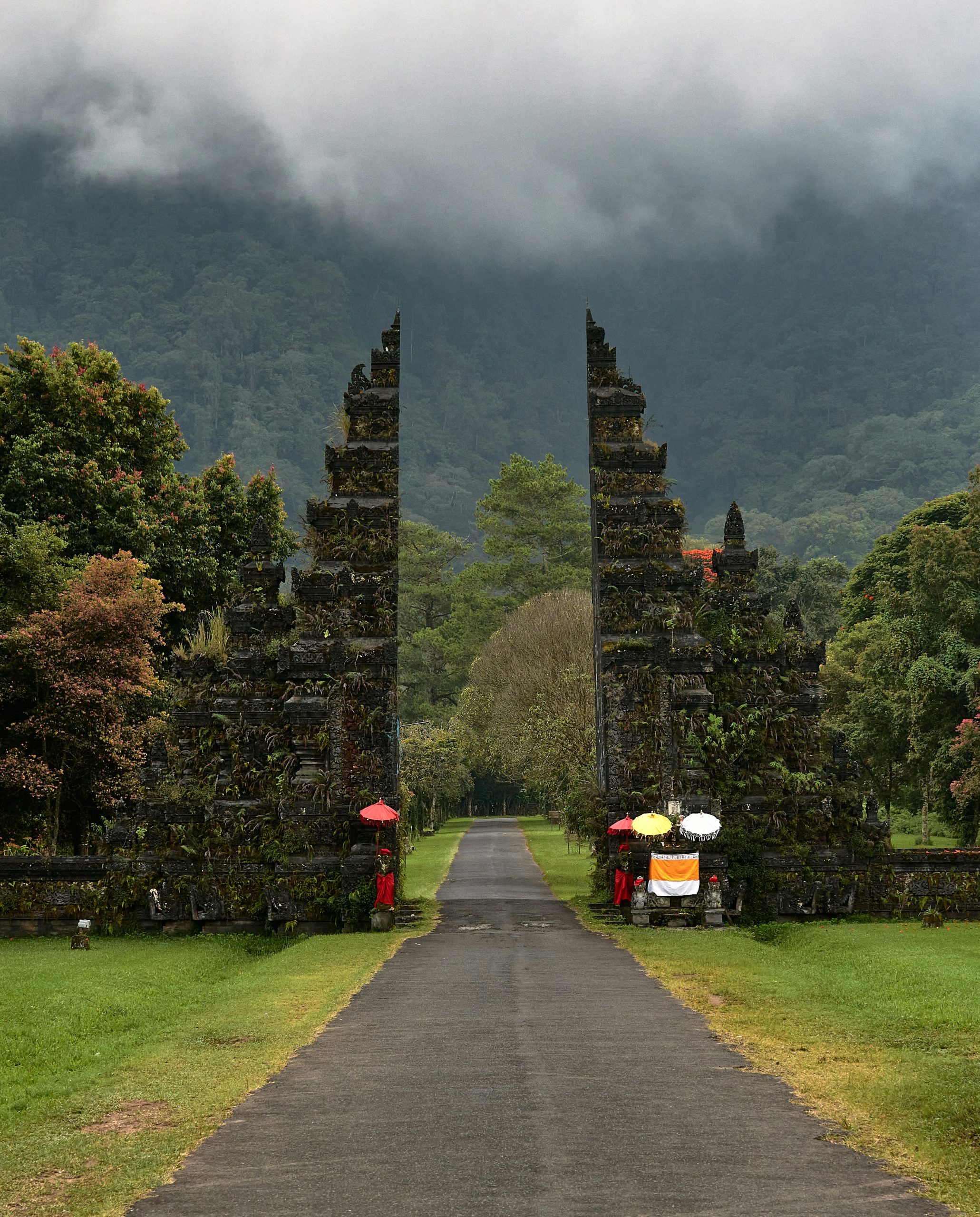
  • Lempuyang Temple (Karangasem): the temple’s split gate has earned the nickname ‘Gate of Heaven’ for the way it frames Mount Agung. Go early if you want a photo, as the queue can stretch for hours.

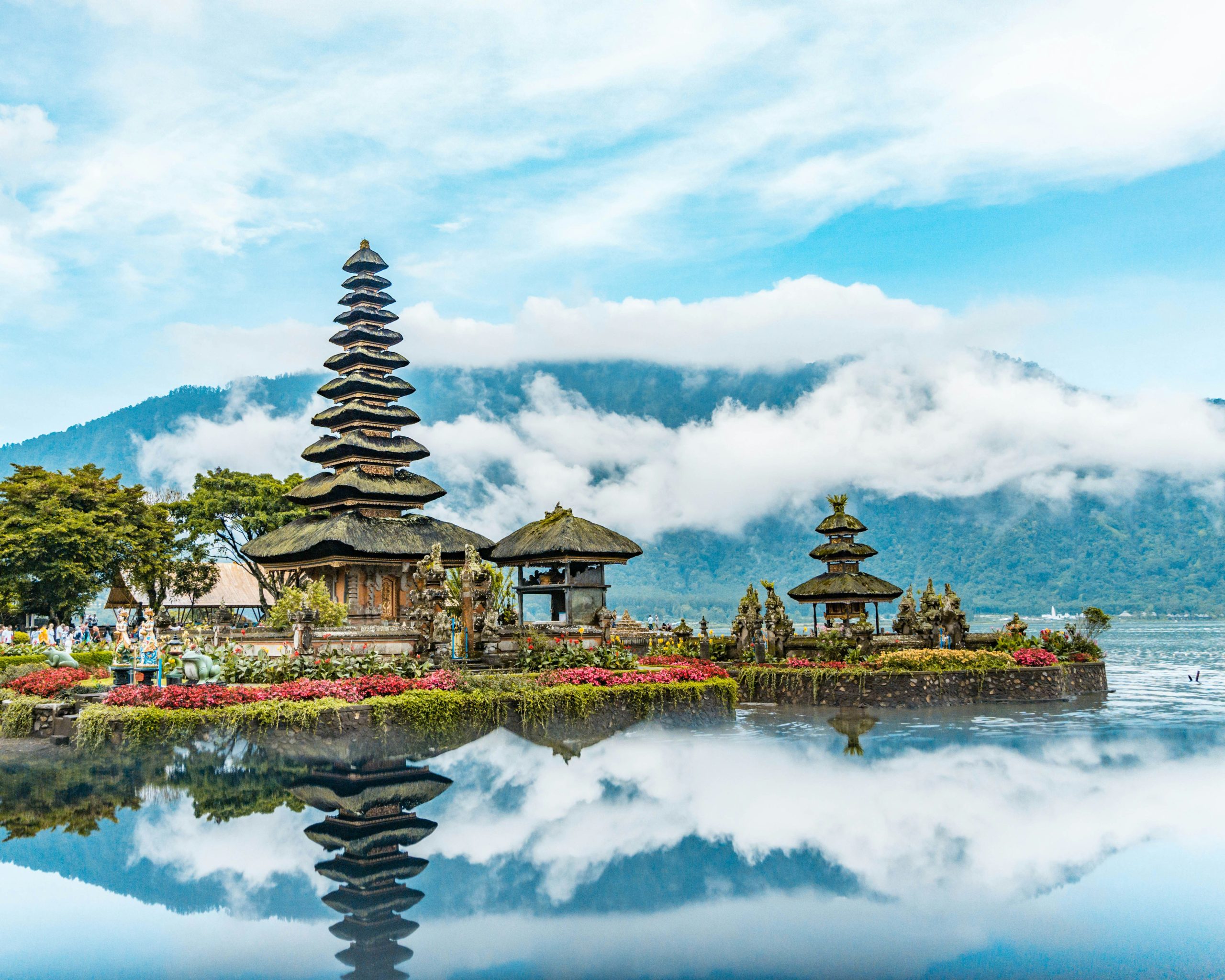
  • Ulun Danu Beratan Temple (Bedugul): a lakeside shrine in cool, misty highland air. Like most temples in Bali, it is an active place of worship.

  • Jatiluwih (Tabanan): UNESCO-listed subak irrigation and sweeping rice terraces, with far fewer crowds than Tegallalang.

  • Tegenungan and Sekumpul: Tegenungan is close to Ubud, while Sekumpul in the north needs a long staircase descent.

  • Mount Batur (Kintamani): an active volcano with views over Danau Batur and the surrounding caldera. The summit is a popular sunrise spot, reached by a guided trek that takes around two hours uphill.

Best Time to Visit Bali

The best time to visit Bali is usually April to October, when there’s less rain, and you’re more likely to get clear days for the beach. It stays warm year-round, but the weather can feel quite different depending on where you go. The coast is hot and humid, while places such as Ubud and Bedugul tend to be cooler, with more frequent rain. Whether you’re planning a Bali honeymoon or a family getaway, think about how many days you want to spend outdoors before choosing your travel dates.

Dry Season

April to October 27°C to 31°C

Sunny, lower humidity, busiest in July and August. Cooler in the highlands

Dry months suit beaches, island hopping and surfing at Uluwatu and Canggu. July and August bring crowds and higher prices, so book flights and villas well ahead. April to June and September offer the best balance of good weather and thinner crowds.

Wet Season

November to March 27°C to 32°C

Coastal areas generally remain warm and Humid, short heavy showers, rain heaviest from December to February

Showers usually arrive in the afternoon, leaving mornings clear and the island vivid green. It is a good time for waterfalls, serene temple visits and lower hotel rates. Nyepi, the Day of Silence, usually falls in March, and the airport closes for the day, so plan flights around it.

Top Things to Do in Bali

Known as the Island of the Gods, Bali offers plenty to do beyond the beach. Catch the first light from Mount Batur or spend an afternoon exploring a traditional village, both among the memorable things to do in Bali. White Trails can help you plan a holiday with time for adventure and a chance to slow down between outings.

Watch Sunrise from Mount Batur

Set your alarm for 2 am and head out for Mount Batur while the island is still asleep. The climb takes about two hours, and much of the walk is by torchlight as you make your way up the volcano. By the time you reach the summit, the sky is beginning to brighten over Danau Batur. On a clear morning, you’ll be able to witness the magnificence of Mount Agung on the horizon. Some tours include eggs cooked in volcanic steam, so bring sturdy shoes and an appetite for an early start.

Watch Sunrise from Mount Batur

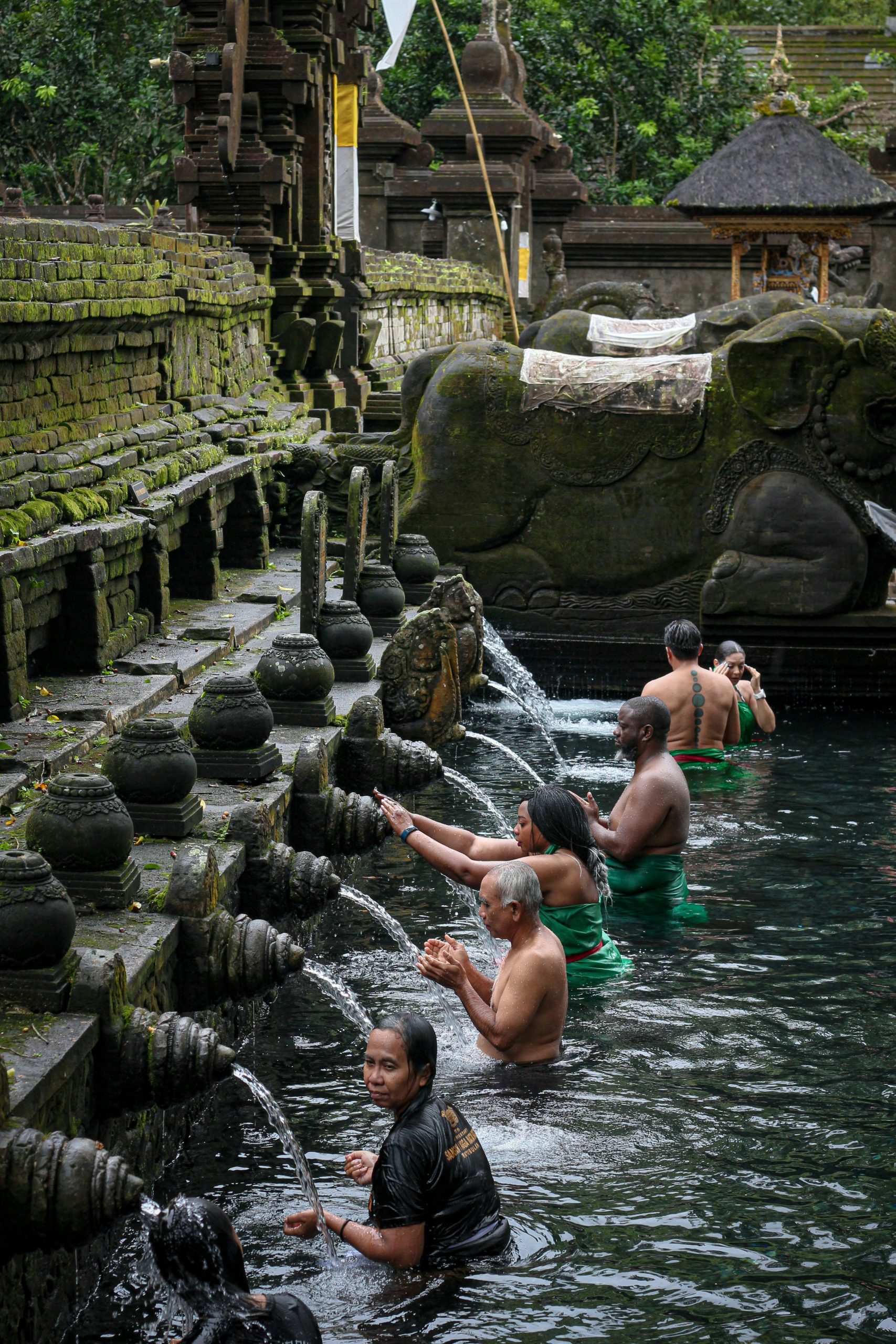
Join a Purification Ritual at Tirta Empul

Tirta Empul, near Ubud, is a holy spring temple where Balinese Hindus bathe beneath a row of fountains. Visitors can take part with a sarong and a guide’s help. Indian travellers often find the offerings and Ramayana-inspired dances familiar, which makes temples in Bali feel surprisingly close to home.

Join a Purification Ritual at Tirta Empul

Take a Surfing Lesson

Fancy giving surfing a go? Head to Kuta, Legian or Canggu, where an instructor can help you paddle out and find your balance on the board. Lessons usually include the board and a rash vest, so you don’t need to bring your own gear. If you’d rather stay dry, grab a spot by the shore and watch surfers take on the waves at Uluwatu.

Take a Surfing Lesson

Chase Waterfalls and Rice Terraces

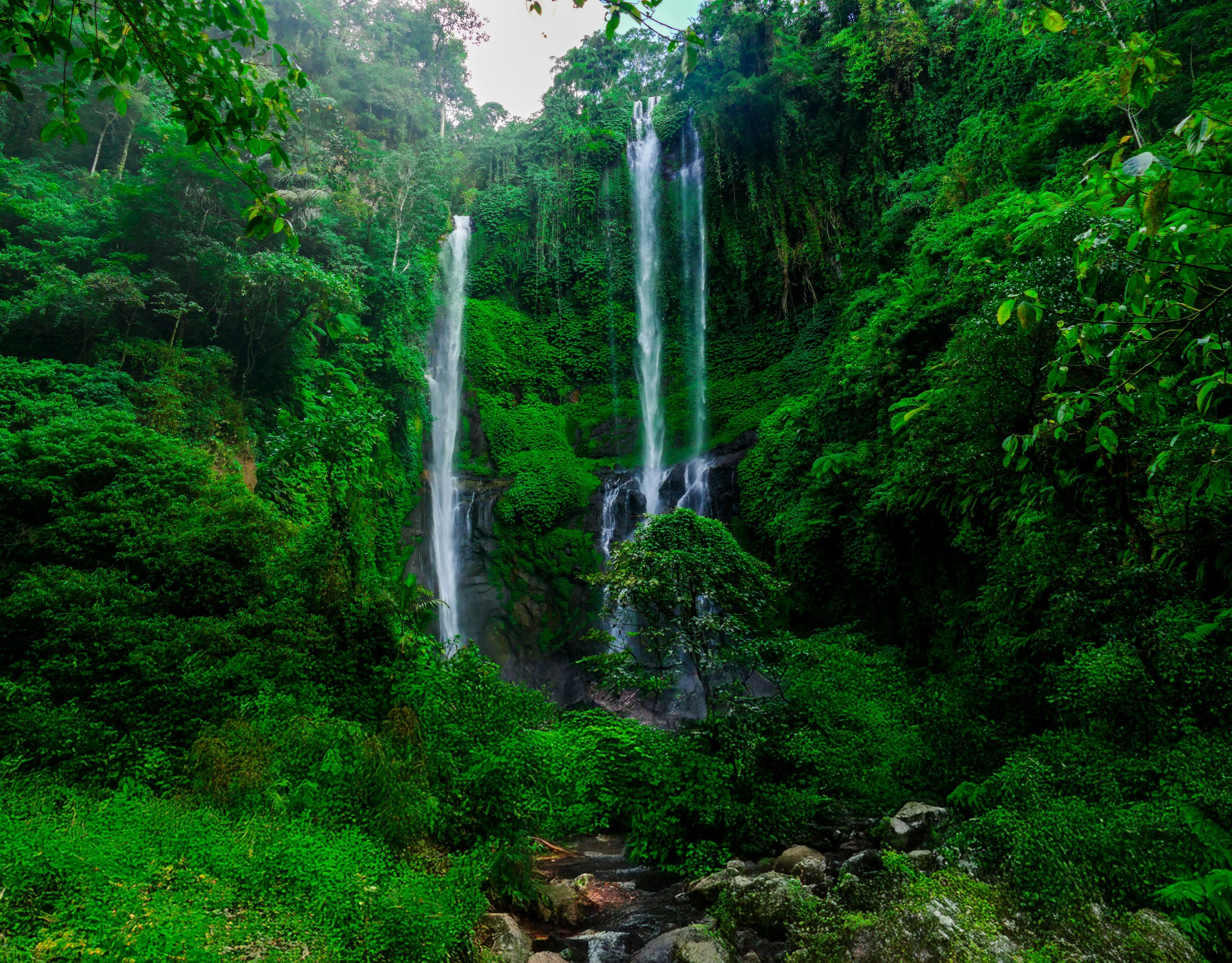
Begin your morning at Tegenungan Waterfall, where you can watch the water crash into the pool below, then head to Jatiluwih for a walk through rice terraces that stretch across the hills. If you have time for a longer outing, make your way to Sekumpul Waterfall. The walk down takes you through the forest to a gorge where several cascades tumble down the rock face. Wear shoes with a good grip, as the steps and rocks can be slippery.

Chase Waterfalls and Rice Terraces

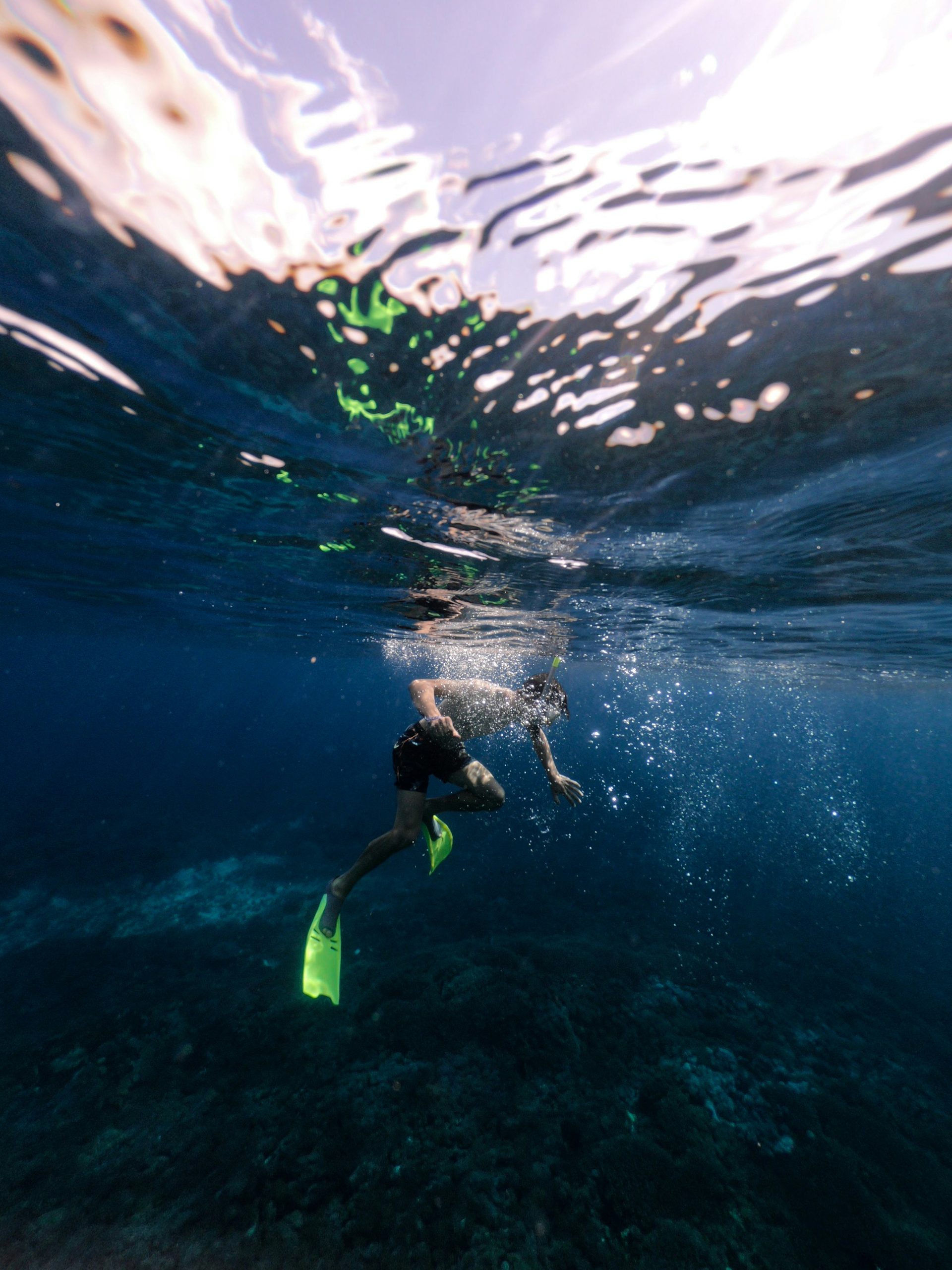
Snorkel or Dive Around the Islands

Grab a mask and snorkel and head to Nusa Penida or Nusa Lembongan, where you can spot colourful reef fish in clear water. If you’d rather explore below the surface, book a dive at Tulamben to see the USAT Liberty, a Second World War shipwreck just off the northeast coast. Choose a certified operator, especially if it’s your first time diving.

Snorkel or Dive Around the Islands

Plan a Romantic Escape

For Indian couples, a Bali honeymoon offers a little romance with a touch of cultural familiarity. Hindu temples, flower offerings and ceremonies are part of everyday life here, giving couples plenty to explore beyond the beaches. Spend an afternoon visiting a temple, then head to Uluwatu for a sunset dinner by the sea.

Plan a Romantic Escape

Raft the Ayung River

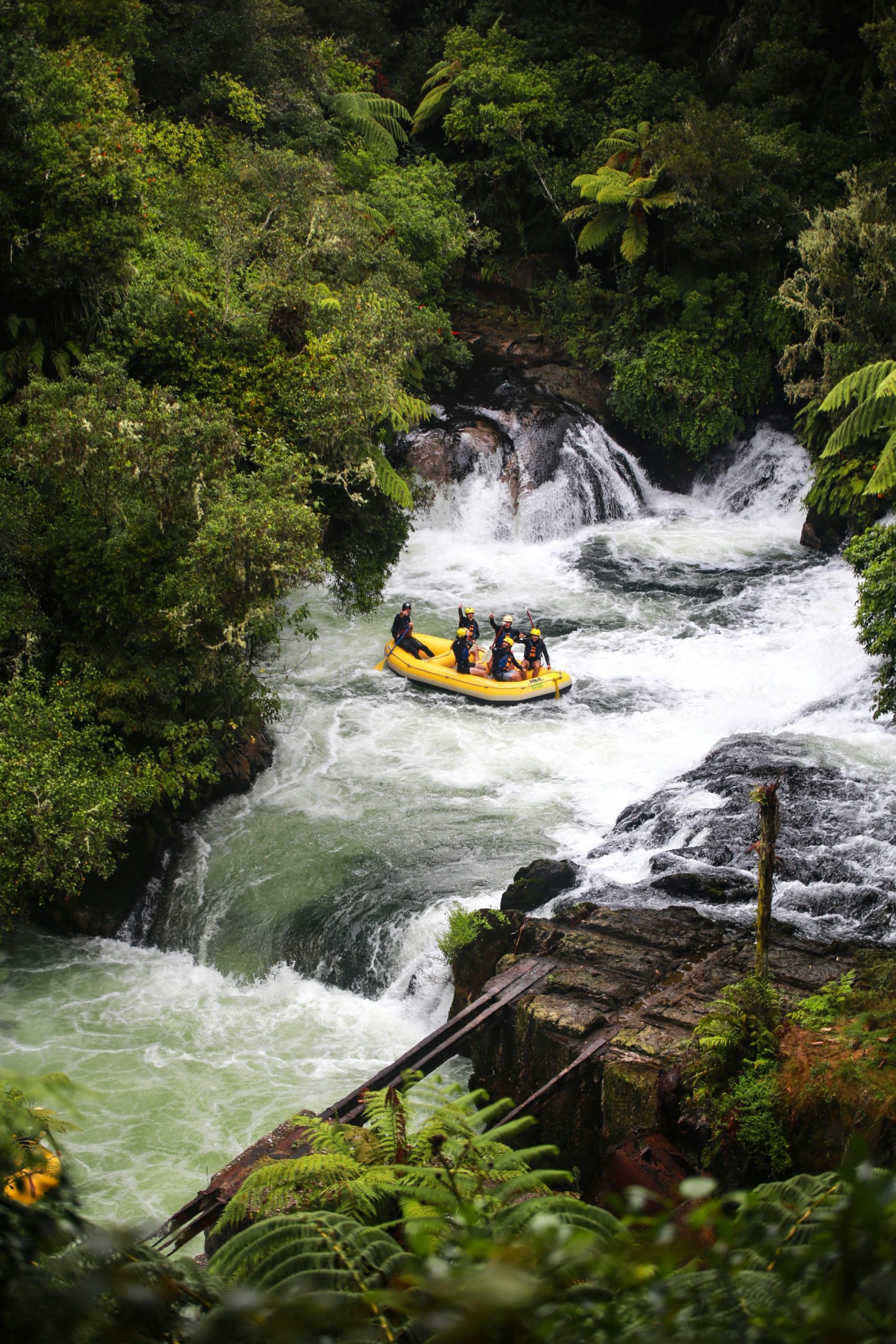
Take on the rapids of the Ayung River near Ubud, gripping your paddle as your raft glides on rushing water. One moment you’re splashing through a rapid, the next you’re sliding past jungle-covered cliffs with water dripping from your hair. You’ll come away soaked, tired and probably laughing about the rougher rapids long after you’re back on dry land.

Raft the Ayung River

Discover Bali’s Local Culture

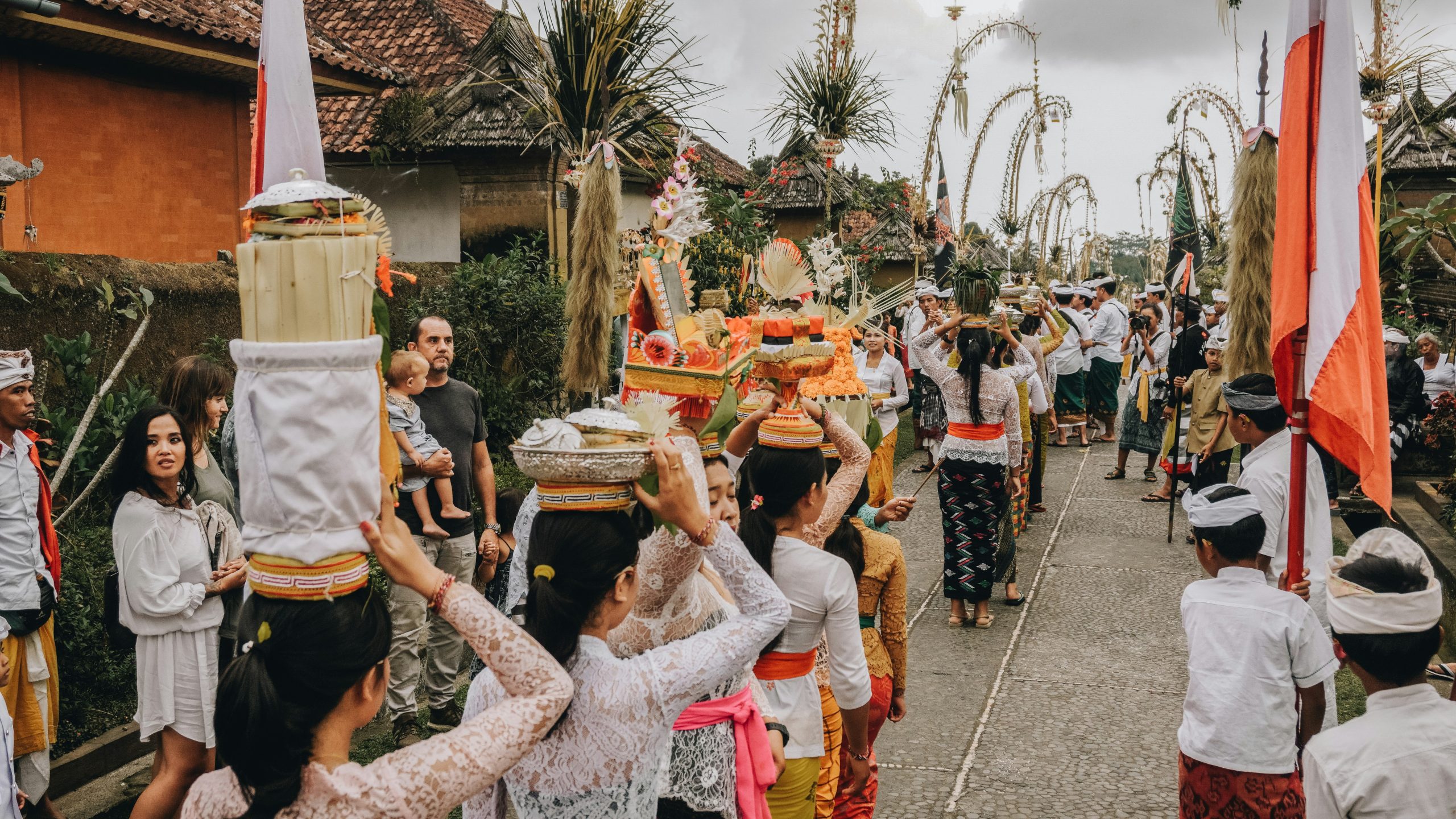
Balinese life revolves around Hinduism. Each morning, small palm-leaf offerings called canang sari appear on pavements, shop counters and car dashboards. Step around them.
Food

Order babi guling (suckling pig), bebek betutu (slow-cooked spiced duck), sate lilit and nasi campur. Vegetarians do well with gado-gado and tempeh dishes, and Indian restaurants operate across Kuta, Seminyak and Ubud.

Festivals

If you’re in Bali during Galungan, you’ll notice tall bamboo penjor poles decorating the roads outside homes and temples. The festival comes around every 210 days, followed by Kuningan 10 days later. For a taste of Balinese dance and music, visit Denpasar during the Bali Arts Festival in June or July. Nyepi, usually in March, is unlike any other day: the island falls silent for 24 hours.

Shopping

Head to Sukawati Art Market for paintings, textiles and souvenirs, or browse Ubud Market for locally made crafts. For silver jewellery, visit Celuk, where workshops specialise in silverwork, and nearby Mas is known for woodcarving. In Seminyak, stay on a lookout for resort wear and independent fashion boutiques.

Travel Essentials for Your Bali Trip

Bali is easy to navigate with a little preparation. White Trails handles the paperwork, transfers and bookings, but these basics help every traveller.

Indian travellers need a visa to visit Bali. The Bali visa for Indians is available on arrival for IDR 500,000, or you can apply for an e-VOA online before departure. You’ll also need to complete the free All Indonesia Arrival Card and pay Bali’s separate tourist levy.

Before you fly, follow these steps.

  • Ensure that your passport has more than six months’ validity.
  • Apply for an e-VOA through the official Indonesian immigration portal, or arrange your VOA on arrival.
  • Fill in the free All Indonesia Arrival Card within 72 hours before you land.
  • Pay the IDR 150,000 Bali Tourist Levy on the official Love Bali website.
  • Save your visa approval and QR codes on your phone, and keep your return ticket and hotel booking easy to access.

The 30-day VOA can be extended once for another 30 days. Overstaying can result in a fine of IDR 1,000,000 per day. Check the official portals before departure in case requirements change.

The Indonesian rupiah (IDR) is the local currency. A few pointers.

  • Cards work in hotels, malls and most restaurants, but warungs and markets prefer cash
  • Withdraw from ATMs inside banks or malls, and use only authorised money changers
  • Many restaurants add service charge and tax to the bill, so you can tip extra if you wish 

Bali has no train or metro network, so hiring a car with a driver is a practical way to visit temples and other sights around the island. In the south, you can use metered Bluebird taxis or book rides through Grab and Gojek, though some areas restrict app pick-ups. To ride a scooter yourself, you’ll need an International Driving Permit that covers motorcycles, along with a helmet. For a day trip to Nusa Penida, catch a fast boat from Sanur Harbour.

Pack for the heat, with a few essentials for temple visits and sudden downpours:

  • Pack cotton or linen clothes, plus one fancy outfit for dinner
  • Carry a sarong and a top that covers your shoulders when visiting temples
  • Carry sunscreen, insect repellent and a light rain jacket, especially in the wet season
  • Take trainers or sturdy sandals with good grip for waterfall walks and treks
  • Pack a Type C or F plug adapter if your Indian plugs don’t fit the sockets. Indonesia uses 230V electricity
  • Keep regular medicines in their original packaging and check that your travel insurance covers scooter riding if you plan to rent one

Balinese people are warm and welcoming, so a few habits go a long way:

  • Cover shoulders and knees at temples and wear the sash provided
  • Step around canang sari offerings instead of over them
  • Avoid touching anyone’s head, and use your right hand to give or receive
  • Stay indoors during Nyepi, as hotels enforce the rules

Bali is 2.5 hours ahead of Indian Standard Time (IST). To stay online during your trip, you have a few options. 

  • Check international roaming rates with your Indian provider before you travel
  • Set up a travel eSIM before your trip if your phone supports it
  • Buy a tourist SIM at Ngurah Rai Airport or a local shop, with your passport for registration
  • Use free Wi-Fi at hotels and cafés, though the connection may be unreliable outside busy areas

FAQs

Quick answers to the most common queries about travelling in Bali.

Seven to eight days are enough to visit Ubud, enjoy the southern beaches and take a day trip to Nusa Penida.

Yes. Indian passport holders can get a 30-day Visa on Arrival for IDR 500,000 or apply for an e-VOA online before departure.

April to October is the best time to visit Bali, as the dry season brings less rain and better conditions for beach days, volcano treks and boat trips.

Bali is generally safe for tourists. Take care on scooters, watch for strong sea currents and keep valuables secure in crowded places.

Yes. Indian restaurants are available in popular areas such as Ubud, Kuta and Seminyak. Local vegetarian options include gado-gado, a vegetable salad with peanut sauce and tempeh.