Overview

Picture the sun coming up over Sydney Harbour, waves rolling into Bondi and a long road stretching into the Outback. Add a snorkel over tropical reefs, a lazy afternoon in wine country and the chance to spot a kangaroo or koala along the way. Travelling to the Land Down Under is equal parts thrilling and relaxing, given you know where to look. 

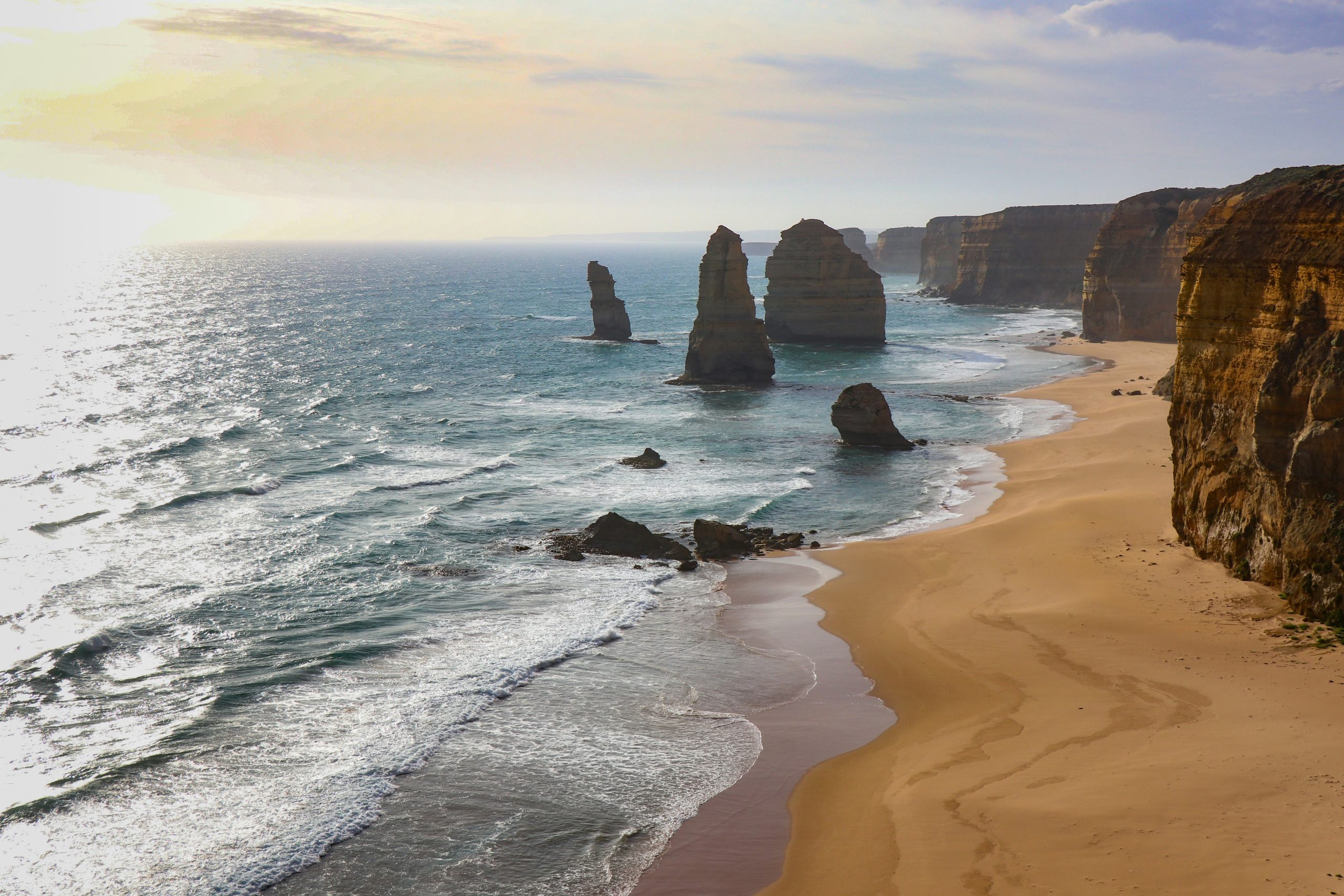
Australia is easy to picture before you arrive. The Sydney Opera House and the Great Barrier Reef have travelled the world many times over. But there’s plenty more to enjoy. Take the Great Ocean Road towards the Twelve Apostles or catch the ferry to Rottnest Island to meet its resident quokkas. Many travellers prefer to stick to the cities, spending an evening in Melbourne’s laneways, where hidden bars and restaurants keep the city buzzing. Aboriginal and Torres Strait Islander populace have called this continent home for more than 65,000 years, and this history is reflected across famous landmarks. 

Whether you’re travelling solo, planning a couple’s getaway or taking the family, Australia is an amazing place to make some memories. White Trails’ Australia tour packages are a convenient option for your trip.

Places to Visit

Australia is a country where every kind of traveller can find something to enjoy. Choose Australia tour packages that let you experience more of what the country has to offer.

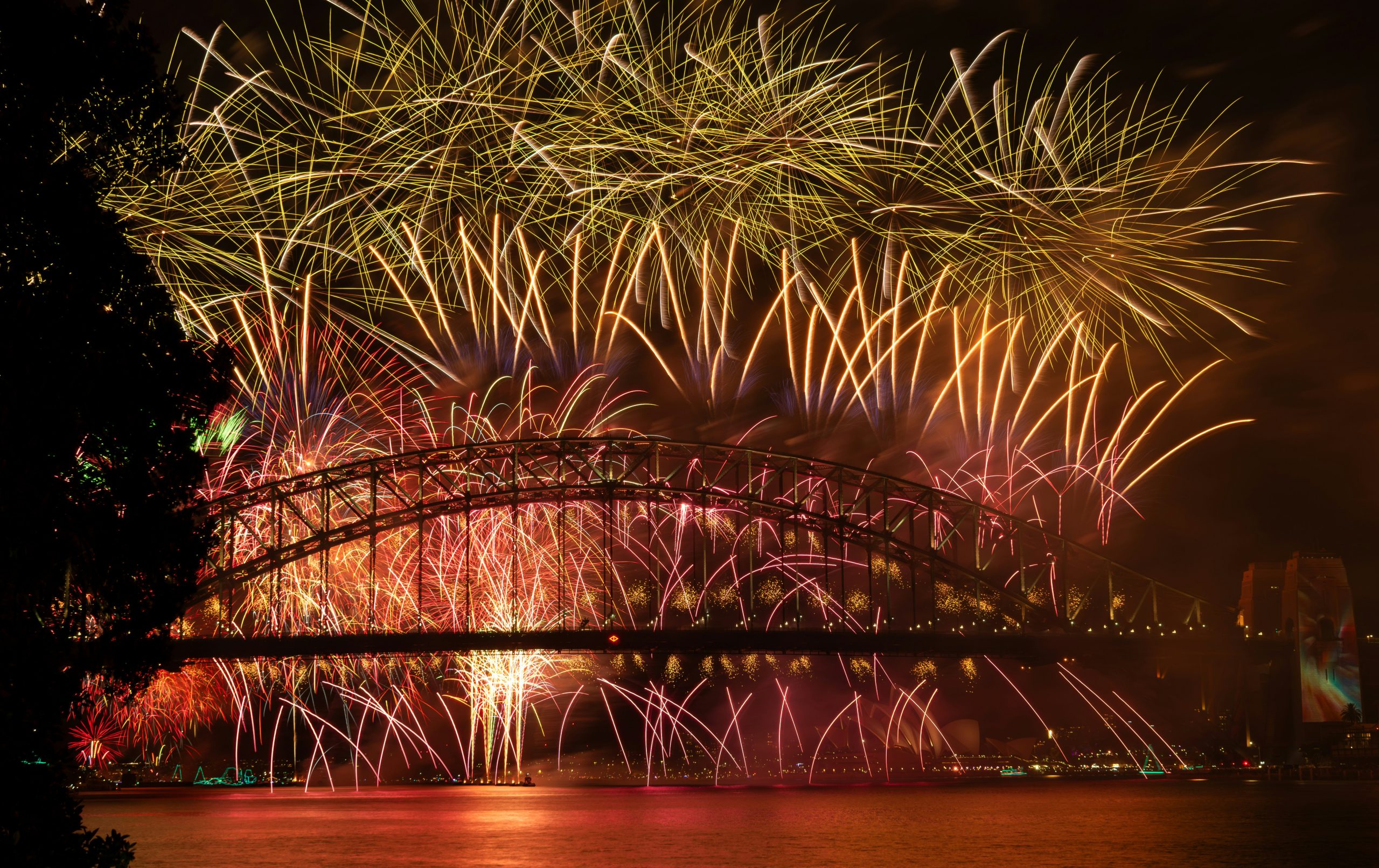
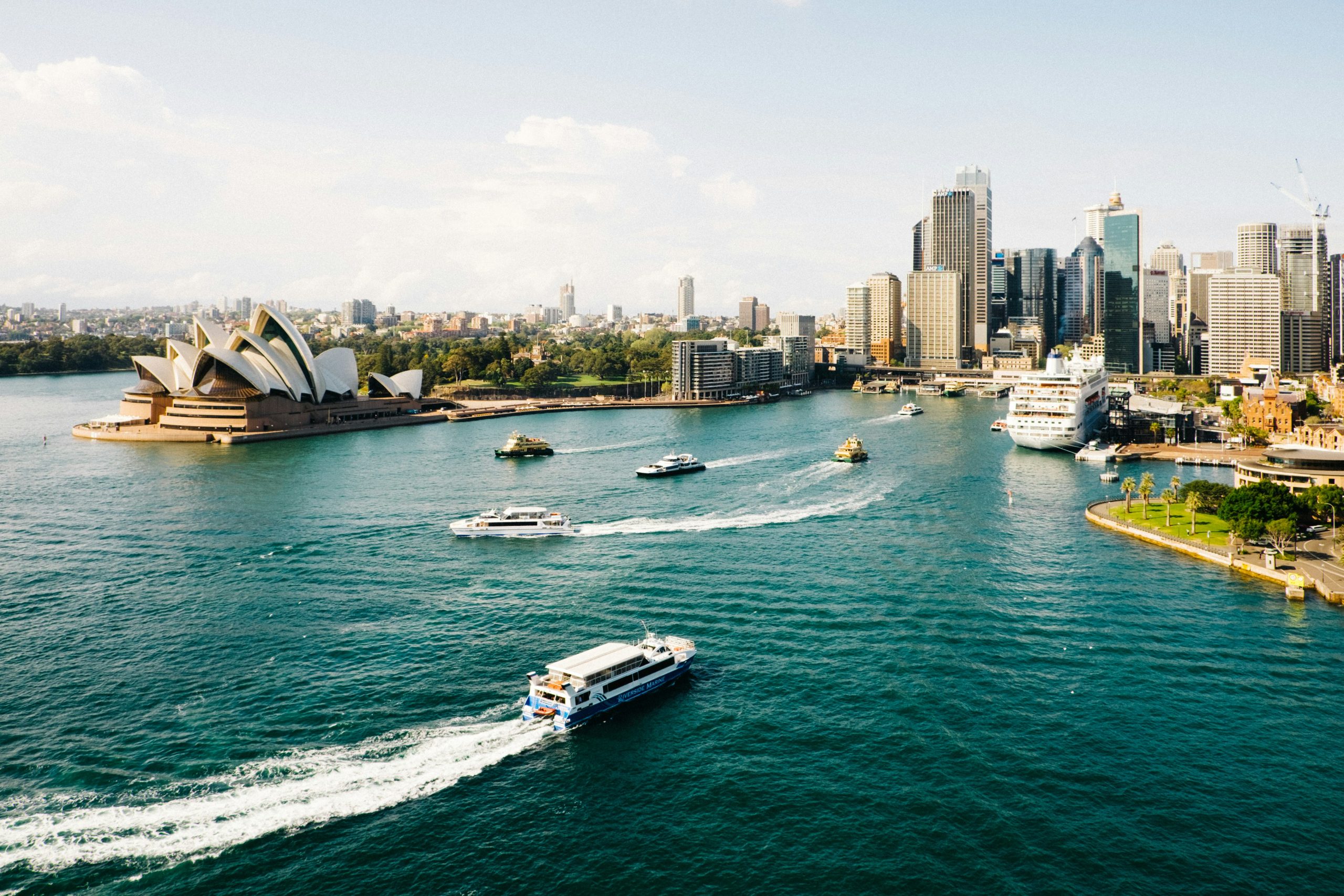
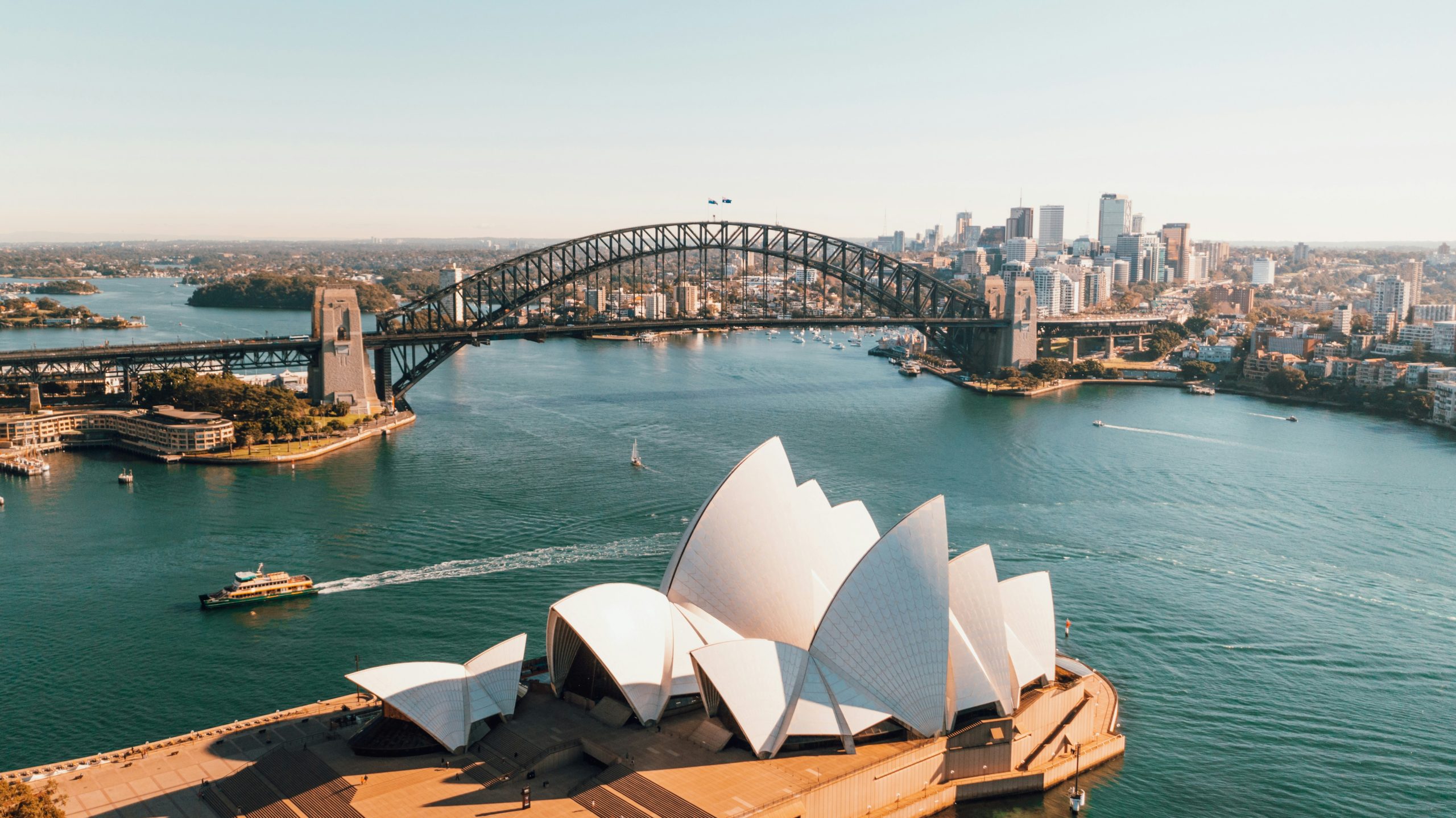
The Sydney Opera House and Harbour Bridge are both located around Circular Quay, making them easy to see even if you have only one day in the city. Step inside the Opera House for a performance or take a guided tour to learn more about Jørn Utzon’s iconic design. Across the harbour, you can walk along the Harbour Bridge’s pedestrian path or take the BridgeClimb for elevated views of Sydney Harbour.

A Sydney Harbour ferry is another easy way to take in both landmarks from the water. Take a short ride to Milsons Point or simply stay on board for harbour views, with sunset offering some of the best light for photographs. On their first day, travellers often take a walk around Circular Quay and nearby The Rocks: a practical starting point for a Sydney tour!
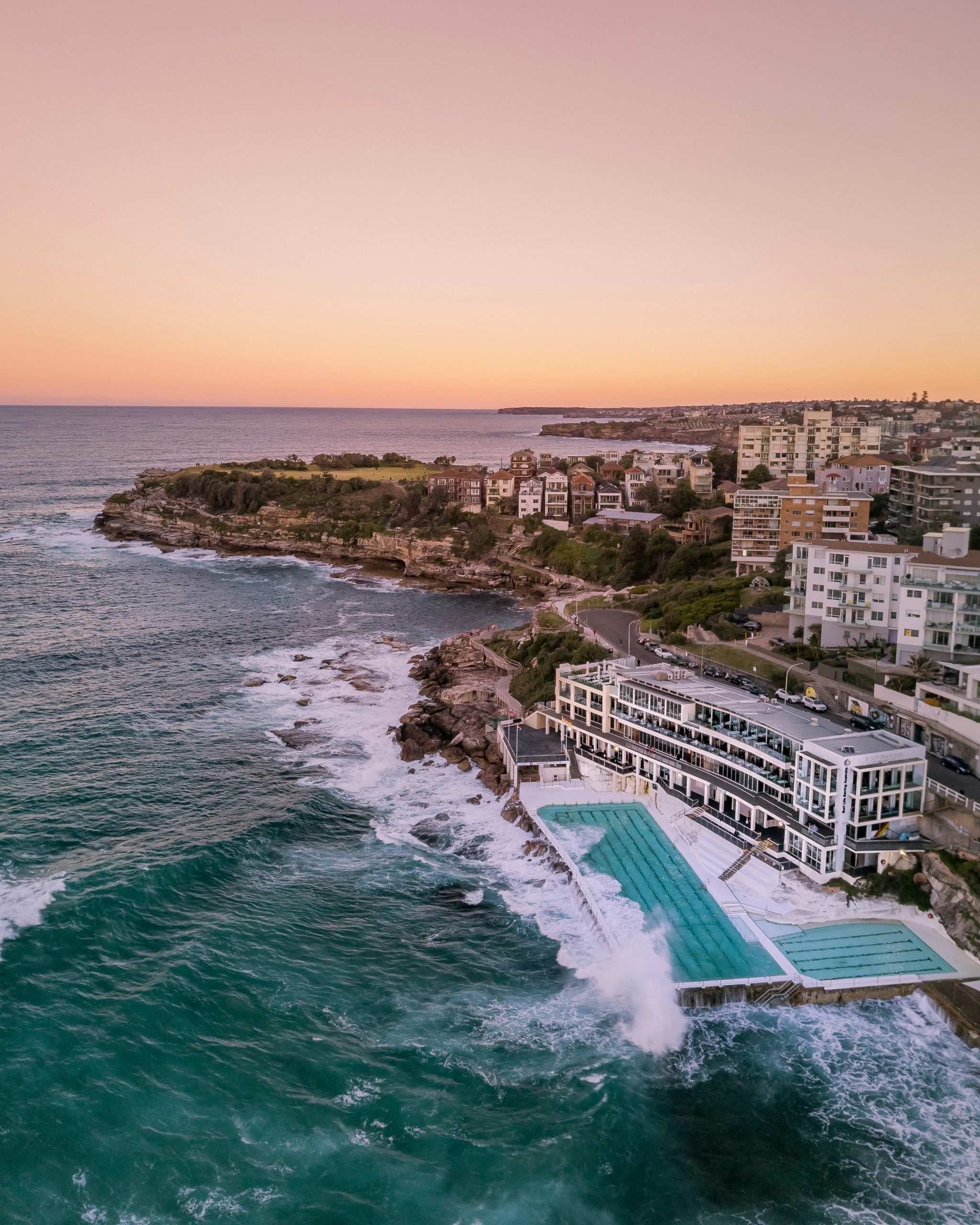
No trip to Sydney feels complete without some time at Bondi Beach. Surf with the locals, relax on the sand or grab a coffee at one of the cafés behind the beach. For a different view of the coast, follow the Bondi to Coogee Coastal Walk, passing Tamarama, Bronte and Clovelly along the way. Stop at Bondi Icebergs for a swim in its ocean pool or take a dip at Bronte Baths. The 6 km coastal walk takes around two hours without long stops, but give yourself a few hours if you want time for swimming, photos or lunch along the way.

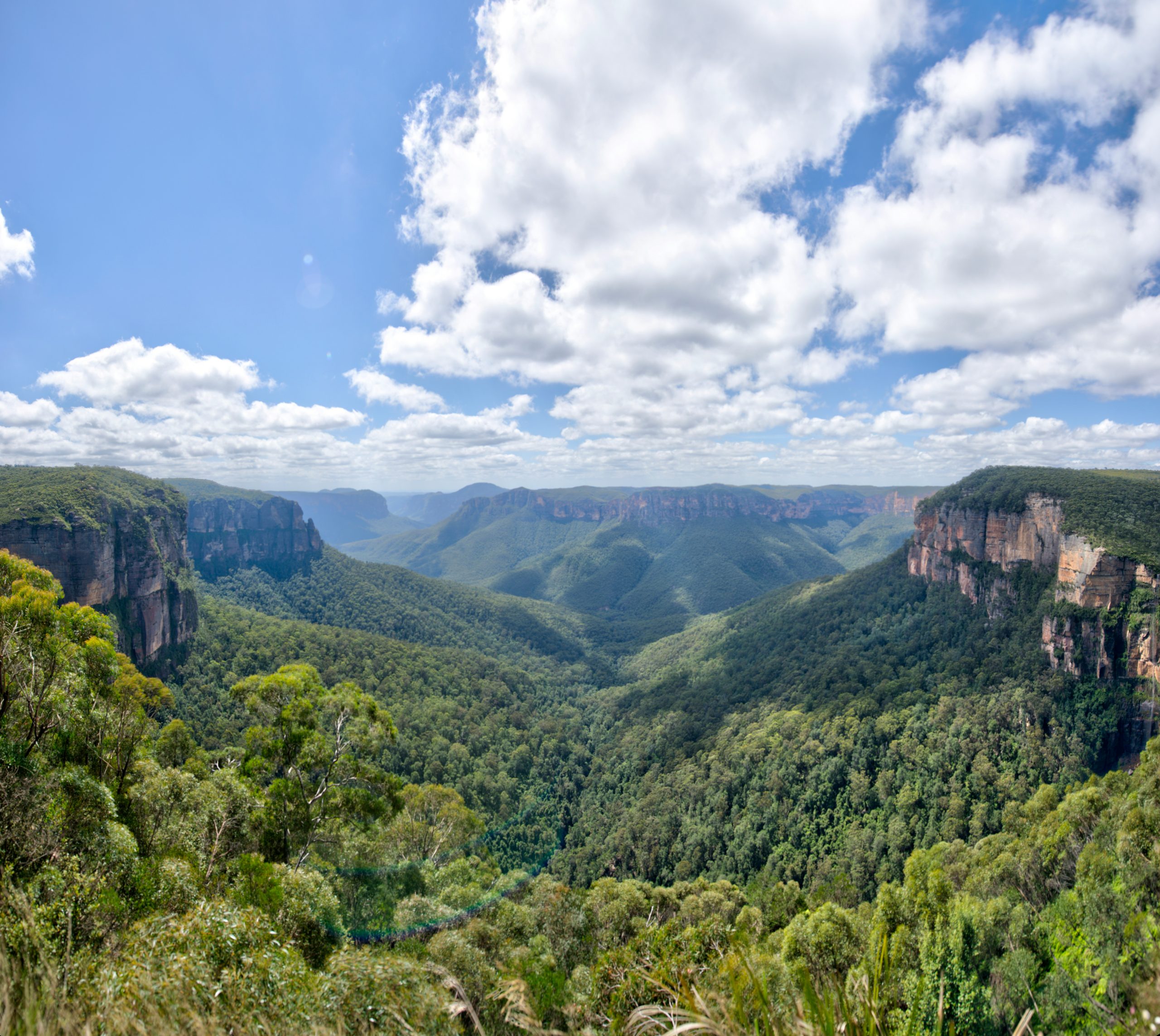
Ready to leave Sydney behind for a day? Head into the Blue Mountains, about 1.5 to 2 hours from the city, to see the Three Sisters at Echo Point in Katoomba. The area is known for eucalyptus forests, sandstone cliffs and walking trails, with the Grand Canyon Walk and Wentworth Falls among the popular options. Allow a full day if you want to explore beyond the main viewpoints.

For a different escape, make your way to the Hunter Valley, one of Australia’s oldest wine regions, with a history dating back to 1828. The region is particularly known for Semillon and Shiraz. Spend the day visiting cellar doors, enjoying a long lunch or exploring the countryside around Pokolbin, the most prominent part of the Hunter Valley wine region.

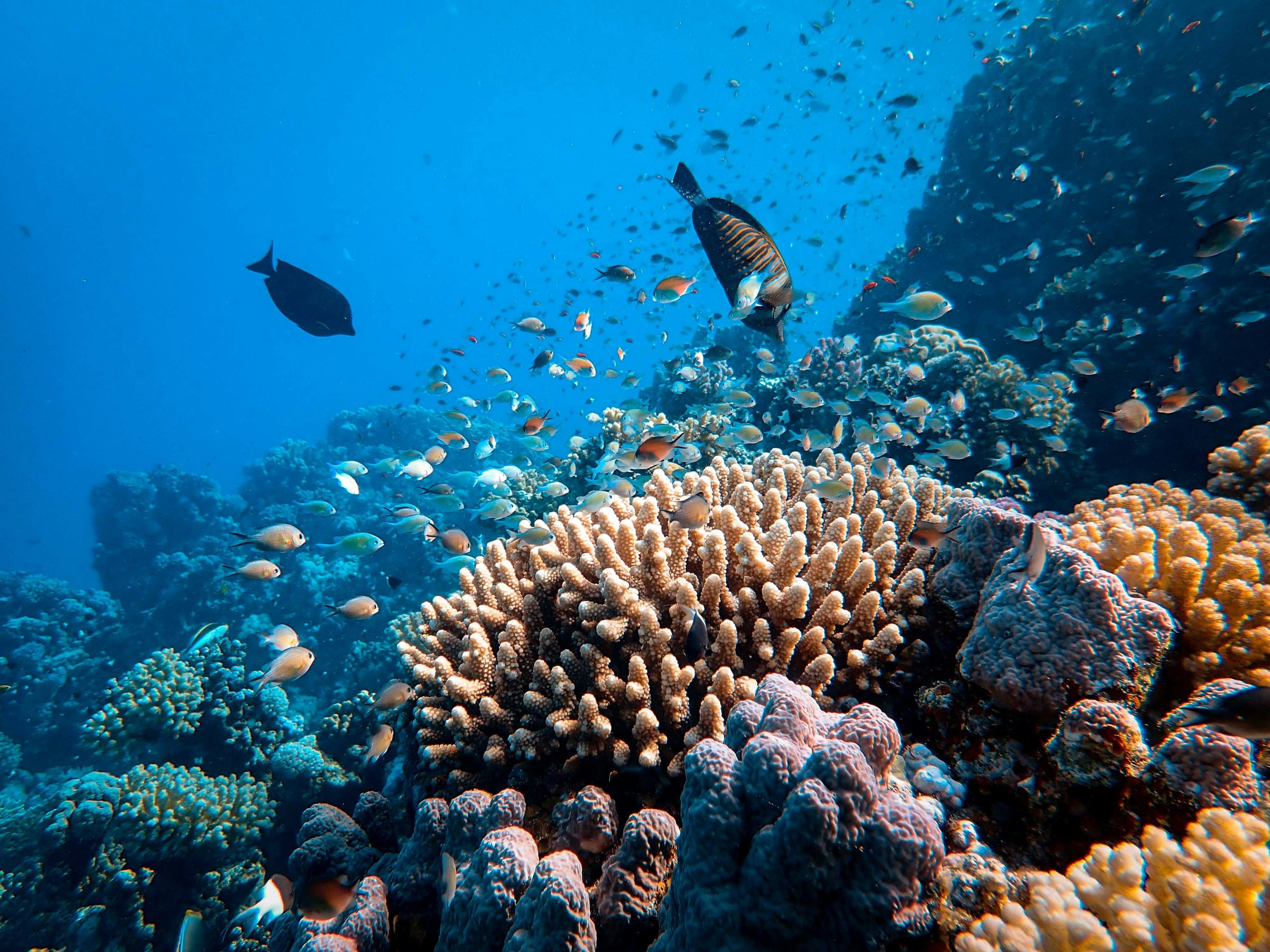
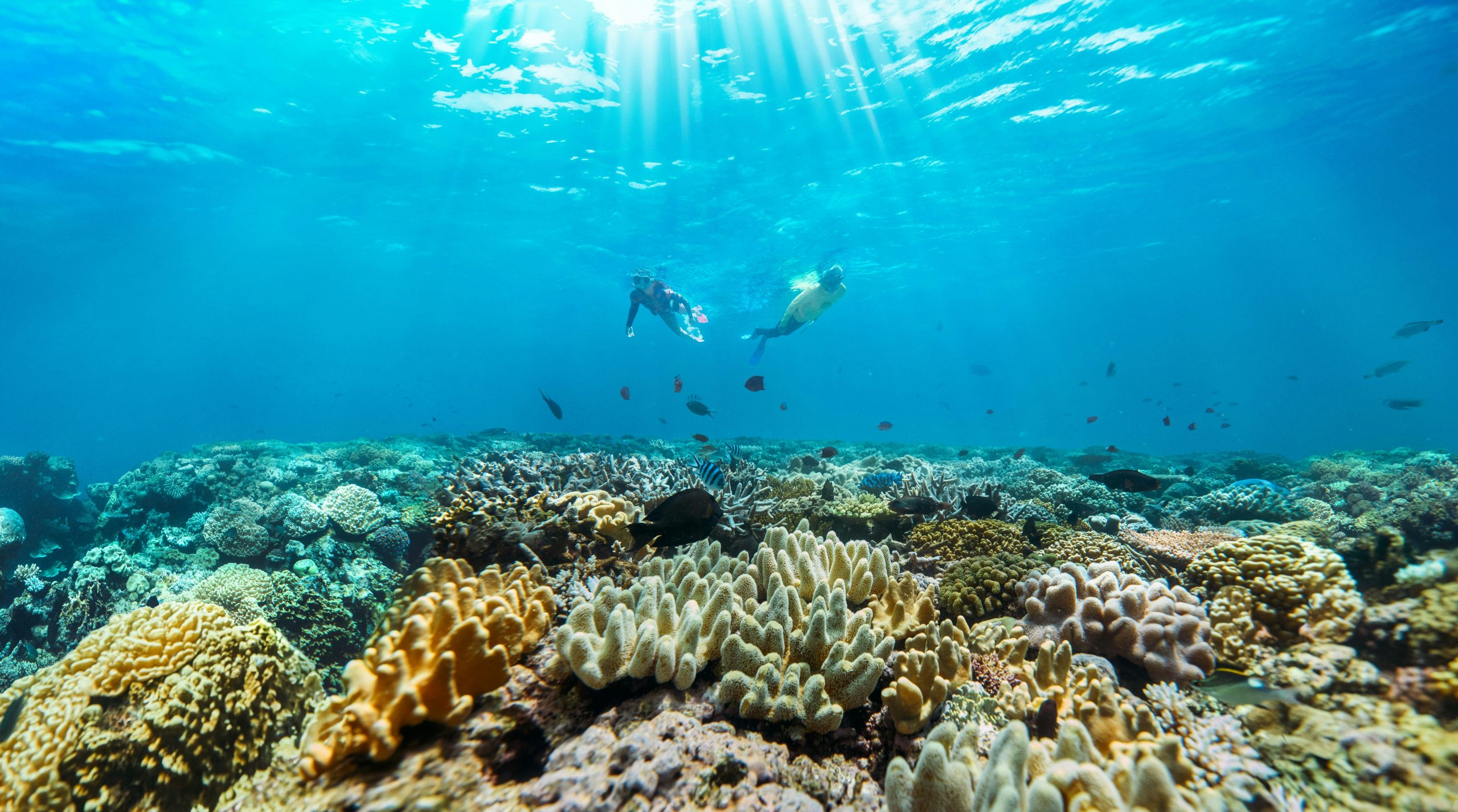
Clear tropical waters and coral gardens framed by rainforest-covered mountains make Far North Queensland one of Australia’s most distinctive regions. Base yourself in Cairns and head out to the Great Barrier Reef, where day trips take you to outer reef sites for snorkelling or diving. Look out for colourful reef creatures and different types of coral as you explore one of the world’s largest coral reef ecosystems. Glass-bottom boat trips and semi-submersible tours are also available if you prefer to stay dry.

Back on land, head north into the Daintree Rainforest, where boardwalks and trails lead through one of the world’s oldest tropical rainforests. Keep an eye out for southern cassowaries, especially around quieter forest tracks.

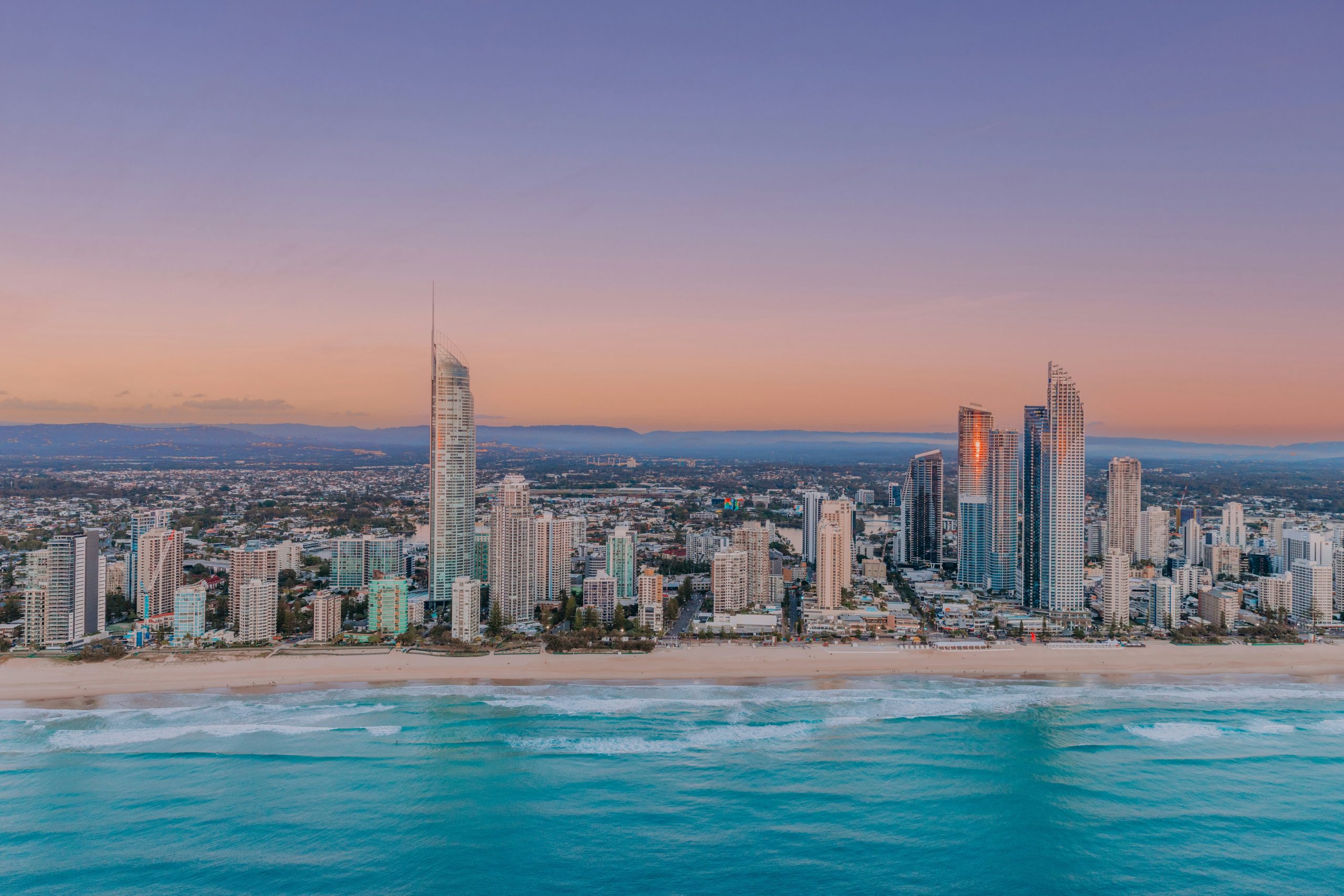
A Gold Coast Tour is all about making the most of the coastline, with plenty to do beyond simply spending the day on the sand. Start at Surfers Paradise, the Gold Coast’s best-known beach. 

The Gold Coast has around 57 km of coastline, so you can easily spend several days exploring different beaches rather than staying in one spot.

Families have plenty of options too. Dreamworld combines major rides with attractions for younger children, while Warner Bros. Movie World focuses on rides and film-themed attractions. Sea World is another popular choice, particularly for families with younger children. For a change of scenery, head inland to the Gold Coast hinterland, where Tamborine Mountain offers rainforest walks, lookouts and a cooler escape from the coast.

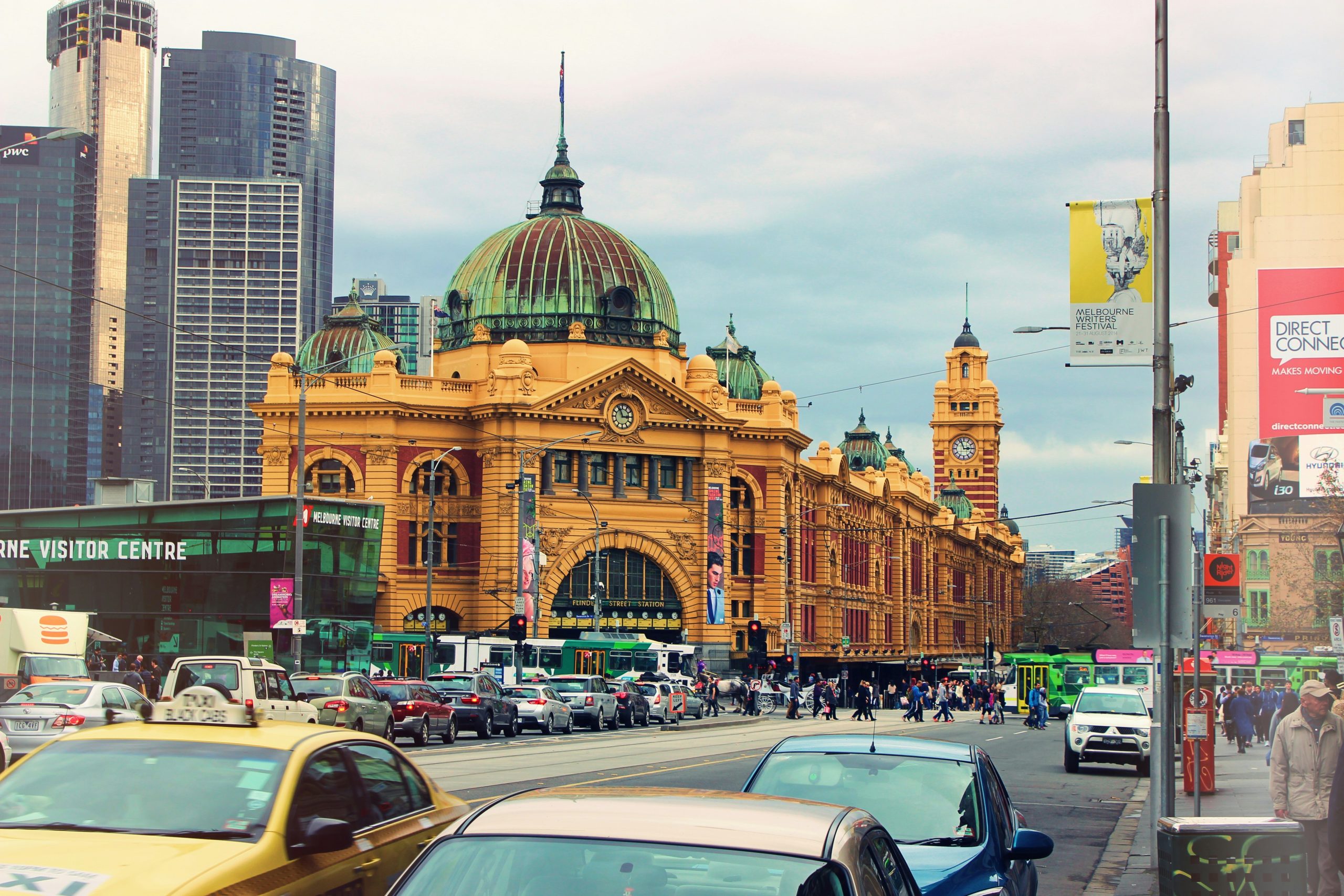
City streets or open countryside? In Victoria, you can have both on the same trip. Start in Melbourne, where laneways such as Hosier Lane are filled with street art and hidden bars. Wander through the Queen Victoria Market for local produce and food stalls, then head to the Yarra Valley, about an hour from the city. The region is known for cool-climate wines, particularly Chardonnay and Pinot Noir. Spend the day visiting cellar doors around Healesville and Yarra Glen, with time for a long lunch overlooking the vineyards.

On Phillip Island, visit the Nobbies in the afternoon before staying for the Penguin Parade at dusk, when little penguins return from the water and make their way across the beach to their burrows.

Best Time to Visit Australia

The best time to visit Australia hinges on your route, as different regions offer distinct experiences year-round. White Trails can help plan your Australia holiday package around the season that suits you best.

Spring

September to November 10°C to 25°C

Mild days, comfortable weather and wildflowers in Western Australia

Spring is a comfortable time to explore Australia. In Western Australia, wildflowers begin appearing across the state, particularly around Perth and the Coral Coast. You can also take advantage of the season for walks along Melbourne’s parks and gardens or explore Sydney’s coastal paths.

Summer

December to February 18°C to 30°C

Warm to hot days, with higher humidity and rainfall in tropical areas

Summer is a much recommended time for beach holidays in southern and eastern Australia, with warm weather for swimming and surfing. Around Cairns and the Daintree Rainforest, however, summer falls during the wet season, bringing high humidity, heavy rainfall and tropical storms.

Autumn

March to May 12°C to 26°C

Milder days, comfortable outdoor conditions and the beginning of the dry season around central Australia

Autumn offers comfortable conditions for exploring southern Australia. It is a good time to drive along the Great Ocean Road before winter, while the Yarra Valley takes on warmer golden tones as the vineyards change colour. Temperatures can fall in the evenings, so pack a light jacket.

Winter

June to August 8°C to 22°C

Cooler weather in the south, with dry and less humid conditions in tropical areas

Winter is a good time to explore northern Australia, with cooler, drier weather in places such as Darwin, Kakadu and the Kimberley. It is also a popular season for whale watching, with humpbacks passing along the coast from June to September. Head south to the Australian Alps for snow and skiing.

Top Things to Do in Australia

There’s more to an Australian holiday than seeing the sights. Spend time on the reef, follow coastal roads, visit local markets or explore the country’s wildlife. You could also dabble in wine culture. Here are some experiences you can add to your Australia holiday packages by White Trails.

Discover Aboriginal Culture

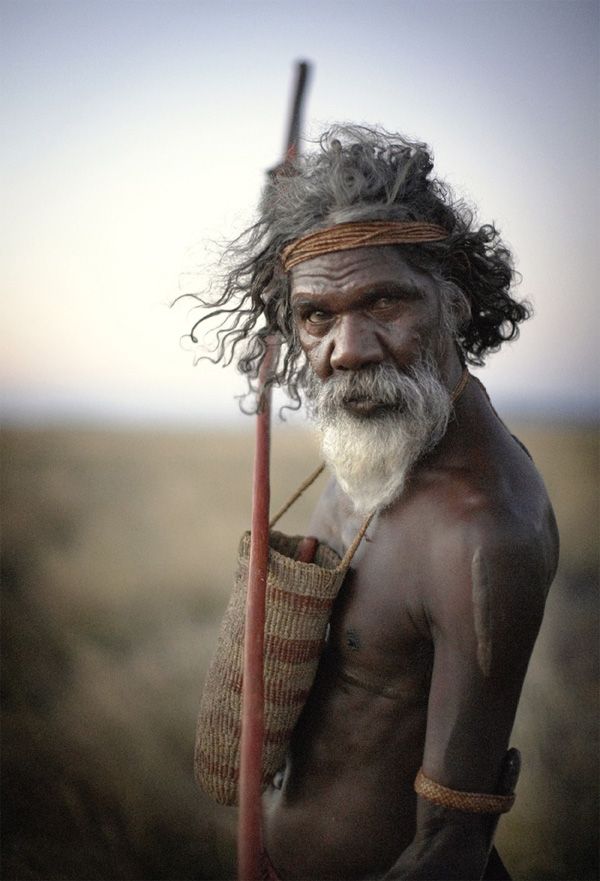
Kakadu is home to Aboriginal rock art that dates back thousands of years. The paintings show people, animals and scenes from daily life. Local guides can share the stories and traditions connected to these sites, helping you understand their cultural significance. At Uluru, Aṉangu-led tours introduce visitors to Tjukurpa, the foundation of Aṉangu culture. It describes the deep connection between Aṉangu people, their ancestors and the land around them. You can also learn about native plants, bush foods and traditional knowledge handed down through generations. Some places are sacred and cannot be entered or photographed, so always follow the instructions of your guide or park ranger.

Discover Aboriginal Culture

Take a Road Trip

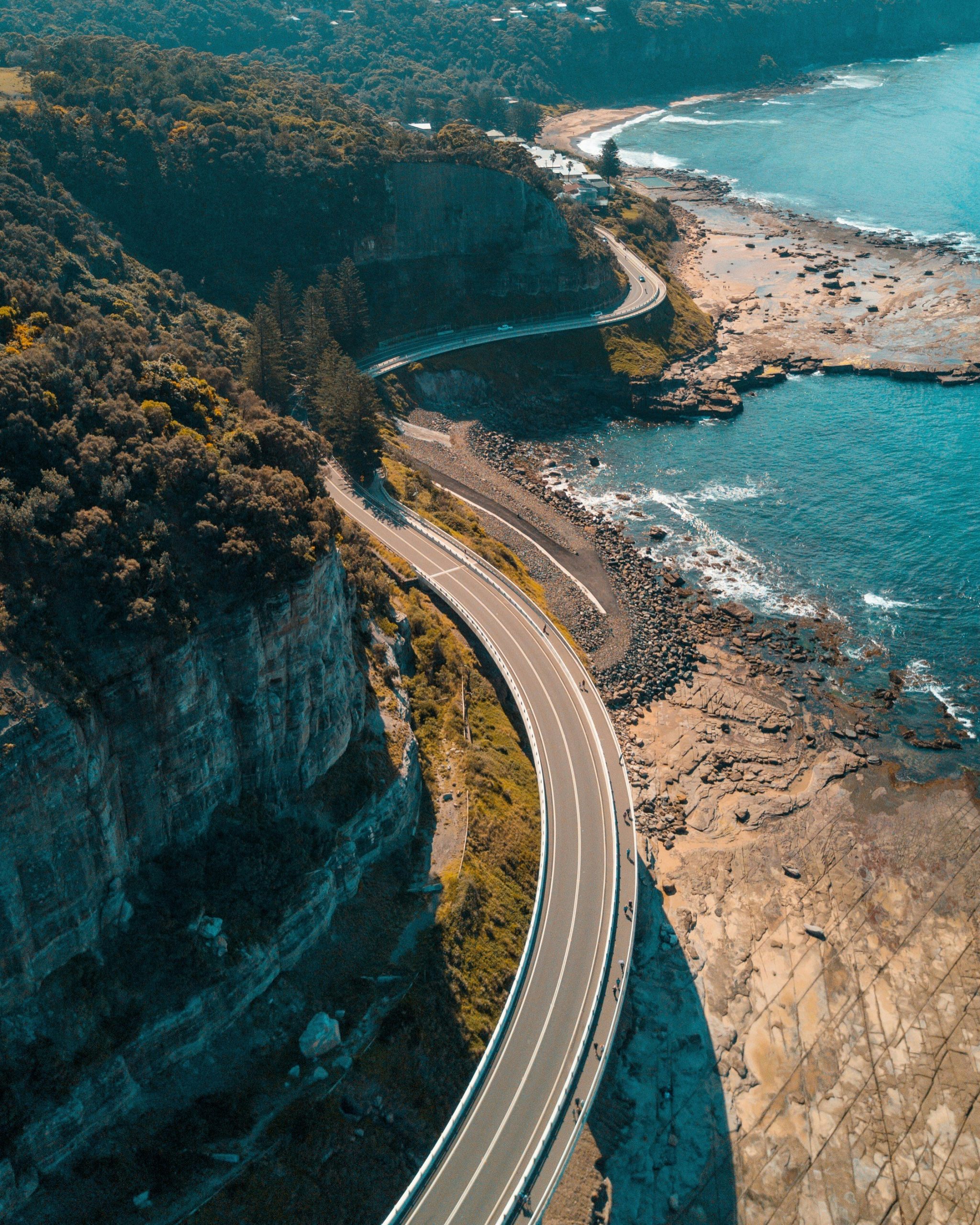
Some of Australia’s best scenery can be found when you get yourself on the road, prepped for a long drive. The Great Ocean Road is a good example. The route follows the coast, passing surf beaches and small seaside towns before reaching the Twelve Apostles. The Outback gives you a completely different kind of drive. The roads run through huge stretches of red and ochre country, with the occasional roadhouse or small town breaking up the distance. The journey towards Uluru is especially striking as the desert landscape takes over.

Take a Road Trip

Marvel at Australia’s Native Wildlife

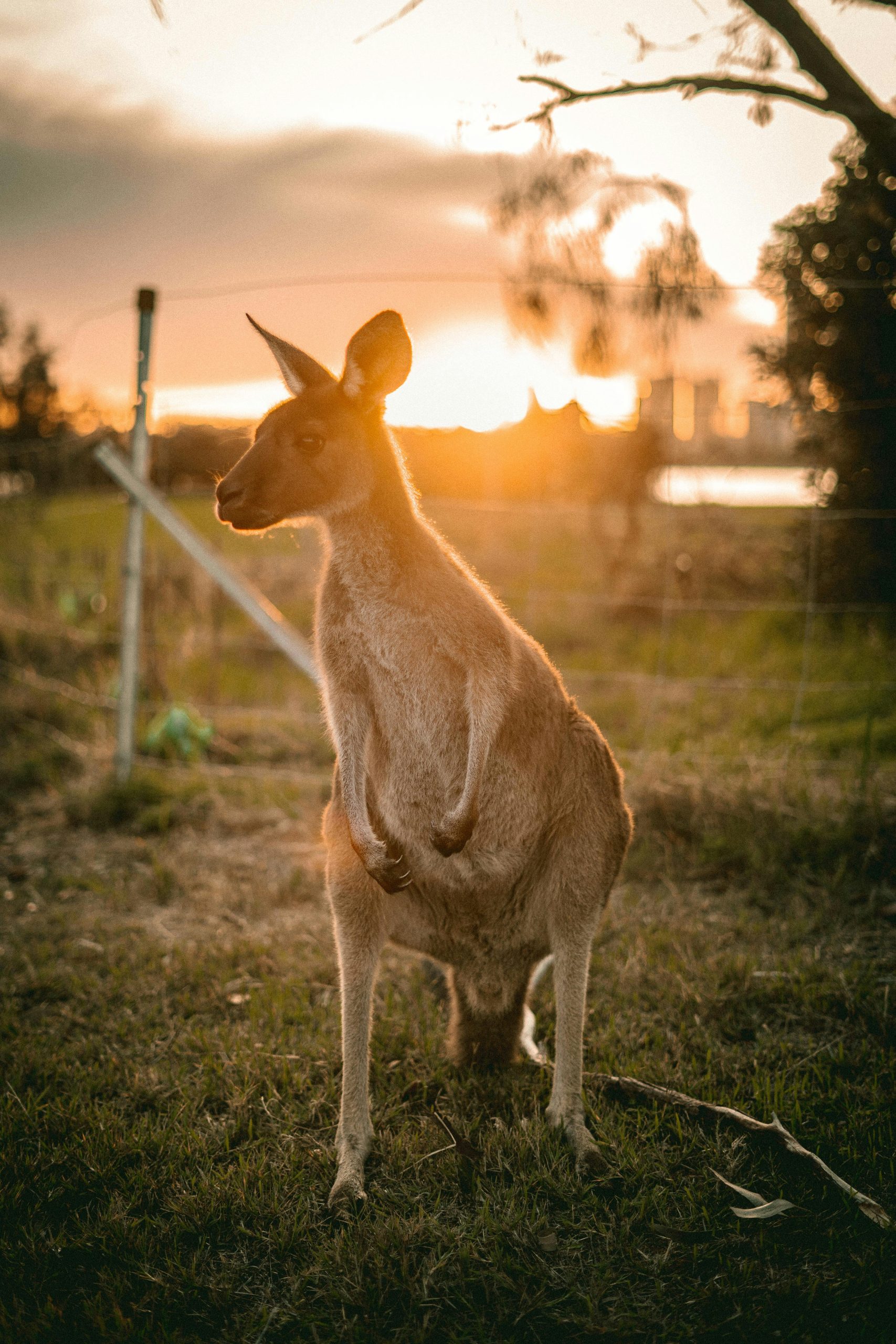
Wildlife is one of the highlights of travelling through Australia, especially when you see animals in their natural habitats. On Rottnest Island, quokkas roam through the scrub and around picnic areas. In eucalyptus forests, look up into the trees for koalas resting on the branches. Kangaroos can be found across much of the country and are often easier to spot in the early morning or late afternoon. The Daintree National Park is home to the southern cassowary, while little penguins return to shore on Phillip Island after dusk. Travellers often enjoy visiting wildlife parks such as Healesville Sanctuary in Victoria or Lone Pine Koala Sanctuary in Queensland. Australia Zoo, founded by the Irwin family, is another popular option, with Australian and international species including crocodiles.

Marvel at Australia’s Native Wildlife

Explore Australia’s National Parks

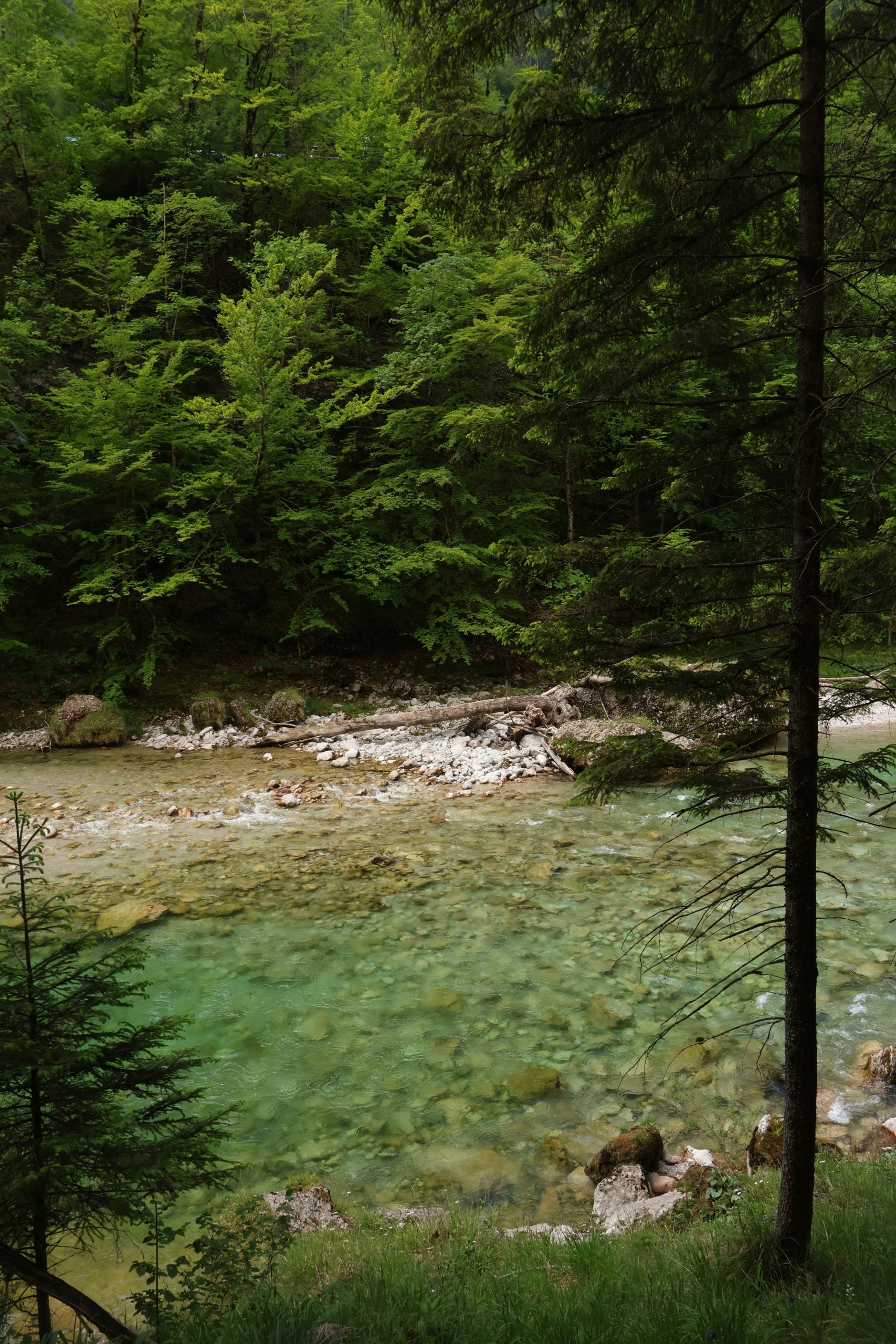
Australia has more than 600 national parks, covering an incredible range of landscapes. At Uluru-Kata Tjuta National Park, walk around the base of Uluru and understand its cultural significance to the Aṉangu people. Around Darwin, Kakadu National Park combines wetlands, Aboriginal rock art and ancient landscapes. In nearby Litchfield National Park, Wangi Falls is a popular stop, with walking trails and a swimming area where conditions allow. Tasmania has some of Australia’s best-known mountain landscapes. At Cradle Mountain-Lake St Clair National Park, walk around Dove Lake with the 1,545-metre Cradle Mountain rising behind it or take a longer trail into the surrounding wilderness. Further east, Freycinet National Park is home to Wineglass Bay. The walk to the lookout gives you a clear view of the curved beach and the Hazards mountain range.

Explore Australia’s National Parks

Discover Australia’s Local Culture

Australian culture is a colourful amalgamation of Indigenous traditions and influences from migration. Australia tour packages from White Trails give you plenty of ways to get into that culture as you travel.
Watch Australian Sports

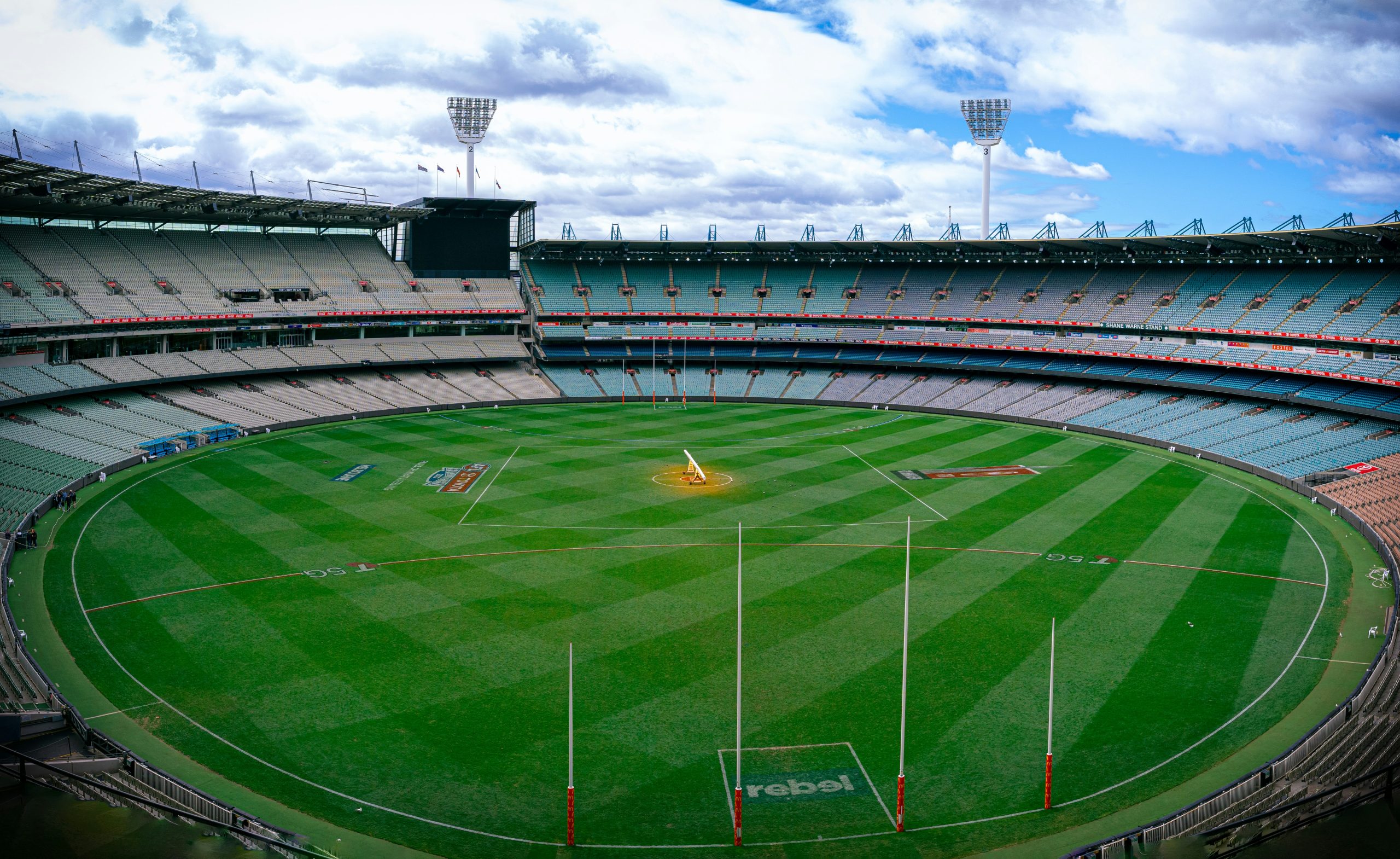
If you’re in Melbourne in January, try to catch the Australian Open, one of the biggest events on the city’s sporting calendar. For cricket or Australian rules football, check the match schedule and see a game at the Melbourne Cricket Ground.

Browse Markets and Local Shopping Streets

Leave some room in your bag for the markets. The Rocks Markets in Sydney offer handmade goods, food and local products, while Queen Victoria Market in Melbourne has stalls selling food, clothing and more. For Aboriginal art, visit Indigenous-owned galleries and recognised art centres.

Try Australian Food and Wine

Spend a day in the Hunter Valley, Yarra Valley or Margaret River with a cellar-door tasting and lunch. In Melbourne, try a Gastro Pub like The Lincoln in Carlton for its Sunday roast, or join the local barbie culture for sausages, lamb or seafood.

Attend Festivals

If you’re in Sydney in January, don’t miss Sydney Festival, with music, theatre and art across the city. Throughout the year, local calendars also feature food and Australian wine festivals in different regions.

Travel Essentials for Your Australia Trip

Once you’ve decided where to go, knowing the basics before you travel can help you plan your time and route better. With White Trails’ Australia holiday packages, you can plan your trip around your budget and travel preferences.

Indian citizens must obtain a Visitor Visa (subclass 600) to enter Australia for tourism. The Tourist stream may allow a stay of up to 12 months, depending upon the visa obtained. 

  • Apply online through ImmiAccount with your passport, photograph and required supporting documents.
  • Depending on your application, you may also need to provide proof of funds, travel plans, accommodation and reasons for returning to India.
  • Biometrics or a medical examination may be requested.
  • You will also be required to fill out the Incoming Passenger Card on arrival in Australia.

The Australian Dollar (AUD) is the local currency. 

  • Card and contactless payments are accepted. 
  • Carry some cash to make small purchases. 
  • Other currencies can be exchanged at banks or other authorised places.

All the big cities of Australia have rail, bus, tram and ferry services, which make transportation convenient for most trips within cities.

For long distances, air travel is the fastest mode of travel. Train and coach services link all cities and regions. Travelling by car is suitable for long trips, such as the Great Ocean Road.

What you pack for Australia will depend on the season, the regions you plan to visit and the activities on your itinerary. For most Australia holidays, we recommend packing these essentials: 

  • Light clothes for warmer days
  • A warm layer for cooler evenings
  • Comfortable walking shoes
  • Swimwear and beachwear
  • Sunscreen, sunglasses and a hat
  • Insect repellent for rainforest and outdoor trips
  • A reusable water bottle
  • A light rain jacket for wetter months

If your itinerary covers both the coast and the Red Centre, pack for both. Temperatures can vary widely across Australia at the same time of year.

Here are a couple of local etiquette tips to follow in Australia:

  • Tipping is appreciated but not necessary
  • Australians often engage in light-hearted banter or teasing. Lean into it!
  • Use first names when addressing someone
  • Many restaurants have a Bring Your Own (BYO) alcohol policy. Take advantage of it when you can
  • Always observe wildlife from a distance

Indian SIM cards can work in Australia if international roaming is activated. You can also use a tourist eSIM or buy a prepaid Australian SIM card after you arrive. Free Wi-Fi is widely available in hotels, cafés, shopping centres and airports, although coverage can be limited in remote areas.

FAQs

Quick answers to the most common queries about travelling in Australia.

Yes. You can drive with an Indian driving licence if it is in English. If it isn't, you'll need an official English translation or an International Driving Permit.

Yes. Australia has strict biosecurity regulations. Food, plants, animal products, wooden items and some medicines must be declared on arrival.

Yes, you can safely swim at the beaches in Australia. However, opt for patrolled beaches and stay between the red and yellow flags. These mark the safest areas for swimming.

Yes. Australia’s major cities are well connected by domestic flights, making it possible to combine places such as Sydney, Melbourne and Brisbane into a single itinerary. White Trails can help you choose Australia tour packages that fit the places you want to visit and the time you have.